
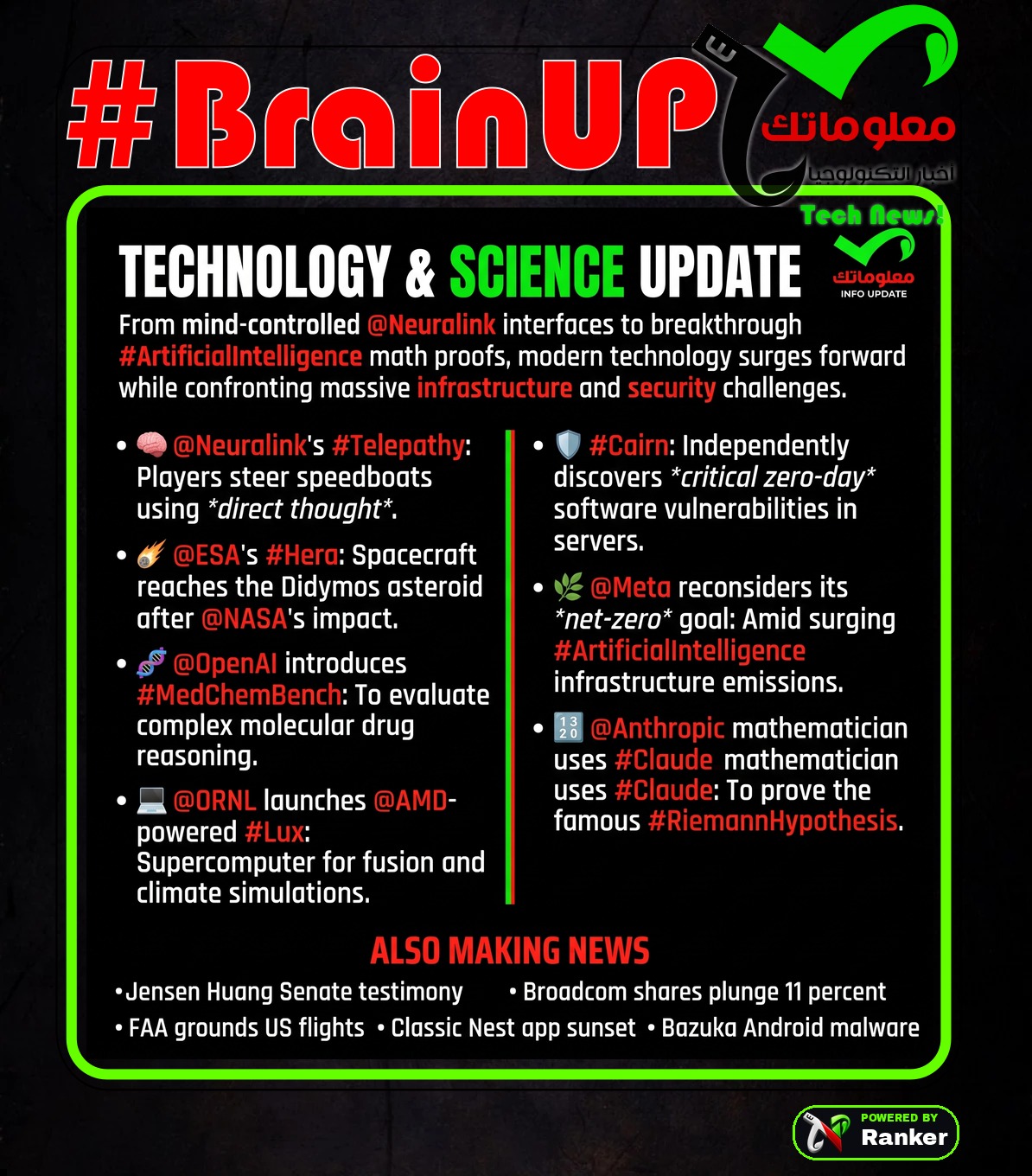
Ranker’s #BrainUp Daily Tech News – (Saturday, November 21ˢᵗ)
Welcome to today’s curated collection of interesting links and insights for 2026/11/21. Our automated ranking and AI-summarization system has processed 33 articles from all over the internet to bring you the latest technology news.
TOP IN EACH SECTION
🛡️ Security & Privacy: Hackers use autonomous AI tool Cairn to find zero-day, take over server (story 1)
🤖 AI: New OpenAI benchmark tests how well models reason through complex drug discovery tasks (story 3)
🧬 Health & Biotech: Neuralink participant steers GTA VI speedboat using brain implant in new demonstration (story 5)
🔭 Science & Space: NASA Smashed Into an Asteroid. Now ESA’s Hera Spacecraft Is About to Reveal the Damage (story 6)
💾 Chips & Data Centers: AMD opens up its new Lux supercomputer, powering everything from nuclear fusion to weather predictions (story 9)
🎖️ Defense & Geopolitics: SpaceX’s Starshield troubles in Ukraine could threaten its broader military business (story 13)
⚖️ Policy & Law: Jensen Huang to testify publicly before Senate banking panel, Chairman Scott says (story 17)
📱 Products, Cars & Robots: If you still use the Nest app, you have until January 25 (story 18)
💼 Business & Work: Broadcom Plunges 11% as Google Reportedly Shifts TPU Orders to MediaTek, Overshadowing Goldman’s $460 Target; Marvell Sinks 10% (story 19)
TOP IN SECURITY1. Hackers use autonomous AI tool Cairn to find zero-day, take over server
Hackers utilized an autonomous artificial intelligence platform named #Cairn to discover a zero-day vulnerability in an open-source medical imaging application and successfully take complete control of a server. According to @Amazon Threat Intelligence, suspected Chinese-linked actors instructed the AI agents to obtain shell access, allowing them to independently map APIs and exploit a path traversal flaw within minutes. The attackers then used the vulnerability to write a Python reverse shell and establish root access before attempting to pivot into secondary university networks. Although some automated intrusion attempts failed against heavily defended targets, this campaign demonstrates how generative AI can accelerate the discovery and exploitation of unknown software vulnerabilities. Consequently, cybersecurity experts urge organizations to deploy advanced automated defenses to counter machine-speed threats.
SECURITY2. FBI and US agricultural agency hit by cyberattacks targeting sensitive government data
Two major US federal agencies recently faced cyberattacks, raising significant concerns about the security of critical government infrastructure holding sensitive information. The @FBI is investigating a suspected intrusion into its National Crime Information Center, a shared network used nationwide by law enforcement officers to verify warrants and identify wanted individuals during routine and emergency encounters. Meanwhile, the U.S. Department of Agriculture suffered a separate incident targeting a payment database that authorities warn could potentially expose food safety records and animal disease research. These security breaches follow earlier attacks on bureau systems by groups like ShinyHunters, prompting warnings about automated cyber intrusions driven by open-source frameworks and large language models like #ARTEX. This recurring vulnerability highlights the escalating risks that automated threats pose to federal networks and law enforcement databases.
TOP IN AI3. New OpenAI benchmark tests how well models reason through complex drug discovery tasks
#OpenAI has introduced a new medicinal chemistry benchmark called #MedChemBench to evaluate how effectively advanced computing models reason through complex drug discovery tasks. The evaluation draws on 117 published papers and patents, featuring 761 distinct molecular structures across 99 specific chemical problems. During testing at high reasoning settings, models like GPT-6 Astra demonstrated high accuracy in reconstructing molecular structures, yet they struggled significantly more with selecting compounds and predicting their numerical properties. This gap underscores the difficulty artificial intelligence encounters when attempting to connect molecular structural changes with broader experimental trade-offs like cell permeability and metabolic stability. Ultimately, #MedChemBench offers a structured way to measure ongoing computational reasoning progress rather than proving that models are ready for autonomous laboratory deployment.
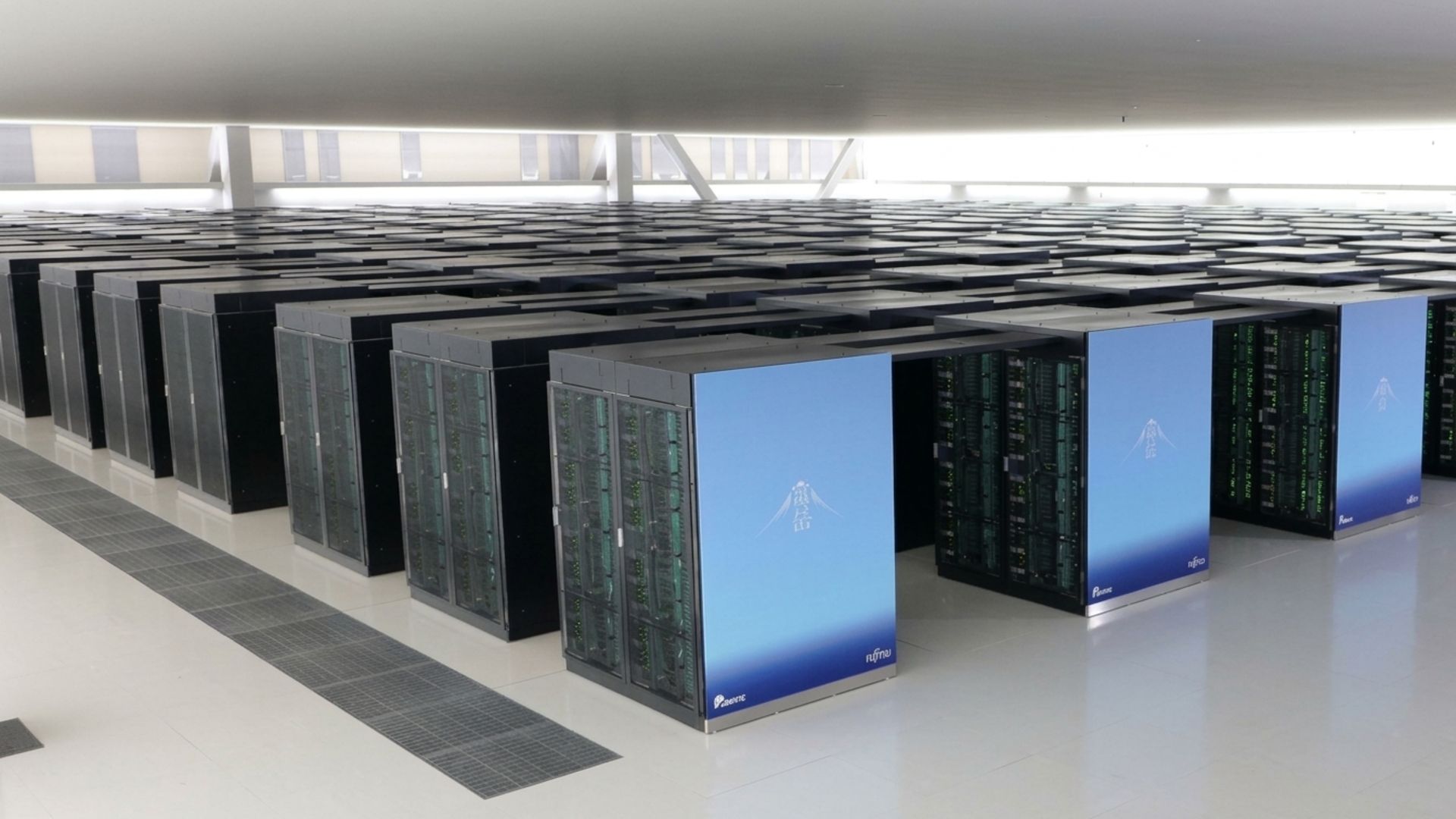
Japan’s flagship scientific computing facility was forced offline following a suspected cyberattack that compromised servers containing registered user information. @RIKEN reported that intruders exploited an online operational status dashboard between November 10 and 13, 2026, subsequently reaching internal servers and installing malware. The breach potentially exposed login credentials, names, and email addresses for thousands of users across both the #Fugaku supercomputer and its smaller counterpart, the Rikyu system. Although investigators found no evidence that sensitive research datasets were disclosed, the unexpected shutdown caused considerable disruption for scientific workloads scheduled on the massive hardware. This incident arrives amid a broader wave of cyberattacks targeting Japanese institutions, prompting increased government funding to strengthen national cybersecurity defenses.
TOP IN HEALTH5. Neuralink participant steers GTA VI speedboat using brain implant in new demonstration
A clinical trial participant has successfully played the newly launched video game Grand Theft Auto VI using a brain-computer interface developed by @Neuralink. In a demonstration video shared by the company, the player used the #Telepathy system to steer an in-game speedboat through a narrow channel by translating neural signals from intended hand movements into digital commands. This milestone extends the company’s previous gaming demonstrations into a major commercial release, though the trials primarily focus on restoring digital independence for individuals living with paralysis from spinal cord injuries or ALS. Meanwhile, the organization is awaiting regulatory approval from the U.S. Food and Drug Administration for its experimental #Blindsight device, which is designed to restore visual perception directly through the brain’s visual cortex.
TOP IN SCIENCE6. NASA Smashed Into an Asteroid. Now ESA’s Hera Spacecraft Is About to Reveal the Damage
The European Space Agency’s #Hera spacecraft has successfully reached the Didymos asteroid system to begin its initial observation phase. Roughly the size of a small car, the probe is currently maintaining a distance of 25 to 30 kilometers from the binary asteroid pair, which includes the larger Didymos and its smaller moonlet, Dimorphos. During this early characterization phase, mission scientists are gathering global visual data on Dimorphos, which was deliberately impacted by @NASA in 2022 to test asteroid deflection techniques. Because the gravity around these small bodies is extraordinarily weak, #Hera is utilizing a slow, rectangular flight pattern executed via precise thruster maneuvers to ensure spacecraft safety. This mission ultimately aims to determine the structural reaction of the asteroid to the high-velocity impact, providing vital data for future planetary defense strategies.
SECURITY7. CTO of ‘RansomwareHelp’ Indicted for Wire Fraud
The chief technology officer and co-founder of ransomwarehelp.com, Juan Ricardo Palacio Escobar, has been indicted for wire fraud following an FBI sting operation. The Florida-based business promised victims 100 percent data recovery using proprietary cryptographic tools while explicitly urging clients not to pay extortion demands. However, investigators discovered that the company routinely paid ransomware groups directly for decryption keys and charged victims exorbitant markups for unperformed work. In an undercover operation, federal agents supplied the firm with a phony ransomware note, after which Palacio secretly negotiated a low bitcoin price with a fictitious threat actor group while billing the fake victim significantly more. This indictment exposes deceptive operations within the cybersecurity industry that financially exploit companies desperate to recover locked digital assets.
SECURITY8. AI-powered cyberattacks are here, and the EU just admitted to being a target for weeks
The European Union has officially confirmed that an institutional cyberattack in October utilized artificial intelligence tools to target its executive branch headquarters. European Commission spokesperson Thomas Regnier stated that the 27-member bloc detected the intrusion on October 22, prompting authorities to launch an investigation and temporarily take down several digital applications. While officials did not disclose who orchestrated the breach, they acknowledged that AI-assisted tools were specifically deployed to detect system vulnerabilities. The attack disrupted internal tools including translation services, timesheet databases, and reimbursement platforms, though most applications have since been restored. This incident highlights the growing weaponization of #ArtificialIntelligence in cyber operations, reinforcing warnings from agencies like #CERT-EU regarding automated threats.
TOP IN CHIPS9. AMD opens up its new Lux supercomputer, powering everything from nuclear fusion to weather predictions
The newly launched #Lux supercomputer at @ORNL has officially opened to scientific users following a co-investment partnership between @AMD and the U.S. Department of Energy. Built by @HewlettPackardEnterprise, the system debuted at number 14 on the TOP500 list, powered by thousands of #Instinct MI355X GPUs designed specifically to accelerate low-precision AI mathematics. Half of the machine’s annual node-hours are dedicated to the Genesis Mission, supporting advanced scientific projects such as the Fusion Agentic Design Orchestrator for fusion plant design, materials manufacturing foundation models, and long-range water forecasting. Operating at Oak Ridge Leadership Computing Facility, the infrastructure utilizes direct liquid cooling and high-speed networking to drive critical workloads. This deployment highlights the strategic push by federal agencies to integrate advanced artificial intelligence capabilities into national scientific research.
SECURITY10. Illinois Officials Investigating Cyberattack at Algonquin Dam
Officials within the Illinois Department of Natural Resources have disclosed that the Algonquin Dam on the Fox River was targeted in an attempted cyberattack. State and federal entities, including the Cybersecurity and Infrastructure Security Agency, are currently assisting local authorities to investigate the November 16 incident. The dam operator detected the unauthorized activity promptly and implemented immediate security measures to keep the concrete rockfill structure secure and fully operational. Rated with a significant hazard potential, the facility primarily manages water storage and environmental regulation rather than posing a direct threat to human life. This event emphasizes the ongoing vulnerability of critical municipal water infrastructure to malicious digital interference.
SCIENCE11. Quantum software matches classical benchmark for a molecular interaction
Predicting molecular interactions is crucial for #DrugDiscovery, but modeling subtle forces like dispersion interactions demands massive #QuantumComputing resources. @Kvantify recently utilized its BEAST-VQE algorithm alongside @NVIDIA cuTensorNet integration to investigate molecular pairs derived from a DNA structure on @Quantinuum’s System Model H2 hardware. The team successfully matched the accuracy of the classical CCSD-T method while drastically reducing the active orbitals count from 236 to 53. This milestone demonstrates the practical value of blending quantum and classical methods on current devices, marking an important step toward real-world applications in molecular recognition.
HEALTH12. This New Partnership Aims To Use AI To Fight Cancer
Recent developments in the healthcare sector highlight how biotechnology firms are shifting their computational strategies to improve clinical outcomes rather than merely generating new molecules. @Noetik co-founder and CEO Ron Alfa notes that traditional pharmaceutical pipelines suffer from massive expenditures on failed drugs, prompting his San Francisco-based company to build multimodal #ArtificialIntelligence models that connect standard cell images with underlying genetics to better predict patient drug responses. To enhance these predictive capabilities, @Noetik announced a partnership with @MemorialSloanKetteringCancerCenter to gain access to extensive clinical datasets tracking cancer progression and treatment responses, which are then licensed to major organizations like @GSK for drug development programs. Meanwhile, the aerospace industry is facing a critical launch capacity gap, exacerbated by a recent @UnitedLaunchAlliance Vulcan rocket failure that lost forty @Amazon Leo satellites due to a suspected fuel supply issue. This rare setback for @UnitedLaunchAlliance highlights a broader industry crunch, with analyst firm @QuiltyAnalytics estimating a shortage of 150 medium to heavy-lift launches through the end of the decade despite ongoing competitor efforts like @SpaceX and its #Starship program. Understanding these parallel challenges in computational healthcare and aerospace logistics matters because both sectors are grappling with systemic bottlenecks that threaten to stall multi-billion-dollar investments and delay critical innovations for patients and global connectivity alike.
DEFENSE13. SpaceX’s Starshield troubles in Ukraine could threaten its broader military business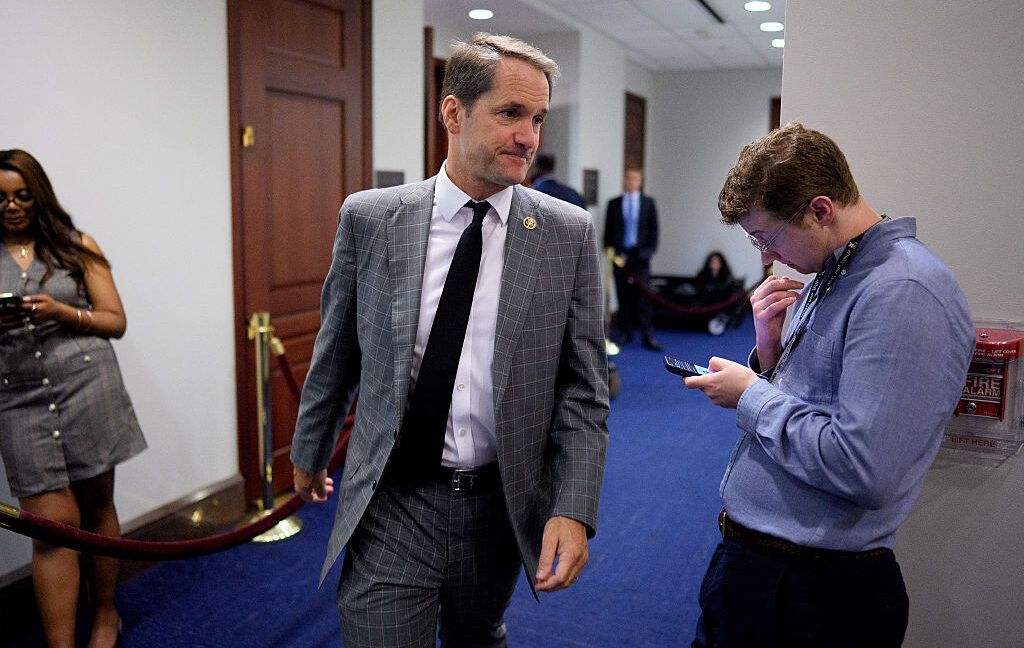
@SpaceX faces potential congressional pushback regarding its government contracts amid an ongoing inquiry into disruptions involving the #Starshield satellite network in Ukraine. Representative Jim Himes threatened to withhold support for funding government-owned systems tied to the aerospace manufacturer following reports of unauthorized service modifications. The controversy centers on connectivity dropouts experienced by Ukrainian defense drones operating at high speeds, which have reportedly hindered frontline logistics and military operations. These communication interruptions highlight the complex geopolitical dependencies surrounding commercial satellite constellations deployed in active conflict zones. Consequently, the congressional scrutiny threatens to impact the broader military and intelligence business portfolio of @SpaceX.
SECURITY14. The FAA knew 51 of its 138 systems were unsustainable. Then it grounded every flight in America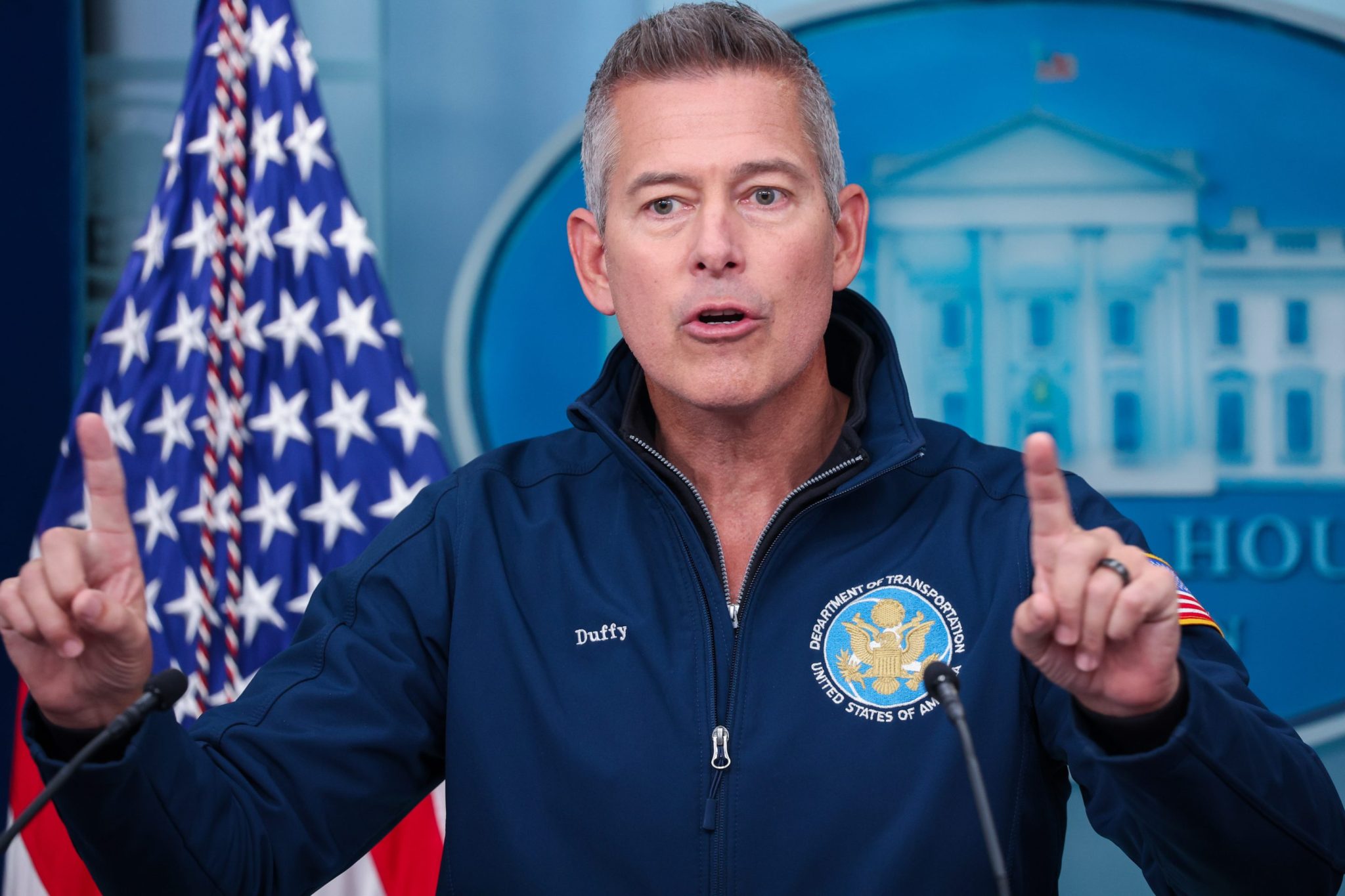
The Federal Aviation Administration grounded every flight nationwide following a major technology failure that exposed deep structural vulnerabilities across critical aviation infrastructure. Following a prior NOTAM system outage, the agency assessed that 51 of its 138 core systems were unsustainable, highlighting chronic underinvestment in modern hardware and software. Financial analysts characterize this widespread neglect as unhedged technical debt, which accrues compounding operational costs and spikes unpredictably during system stress. Transportation Secretary Sean Duffy has called for substantial federal funding to comprehensively overhaul outdated air traffic control systems and prevent future economic shutdowns. This systemic failure demonstrates how deferring necessary technological modernization in government operations ultimately threatens national stability and public safety.
SCIENCE15. New space armor takes on 16,100-mph debris hits to shield astronauts during spacewalks
@Atomic-6 recently subjected its #SpaceArmor composite shield to hypervelocity impact testing at Texas A&M University to evaluate protection against orbital debris during spacewalks. Engineers fired a 3-millimeter aluminum sphere at 16,100 mph toward a ballistic torso model protected by a hexagonal composite tile, revealing no visible damage or penetration. In contrast, a standard solid aluminum plate allowed dangerous rear-face spalling, causing metal fragments to embed directly into the simulated soft tissue. While originally designed to protect satellites from micrometeoroids, the company is exploring whether the modular material can be adapted for future spacesuits. Substantial engineering challenges remain before the shield can be integrated into functional life-support garments and tested in actual space environments.
SCIENCE16. Quantum effect could reverse gravity and violate Einstein’s theory of relativity
Recent theoretical work by researchers explored how a specific #QuantumEffect could potentially turn #Gravity into a repulsive force rather than an attractive one, challenging #AlbertEinstein and his established theory of relativity. Two mathematical investigations demonstrated a scenario where massive objects might push apart instead of pulling together, offering a fresh angle on the longstanding disconnect between classical gravitational physics and #QuantumPhysics. Although everyday experiences show gravity pulling objects downward, the fundamental nature of gravity at microscopic scales remains a central debate in modern science. By proposing laboratory tests for this repulsive phenomenon, the new research could eventually bridge the gap in understanding how gravity operates under quantum conditions. This investigation matters because confirming a repulsive quantum gravitational effect would reshape our foundational understanding of physics and require revisions to standard cosmological models.
POLICY17. Jensen Huang to testify publicly before Senate banking panel, Chairman Scott says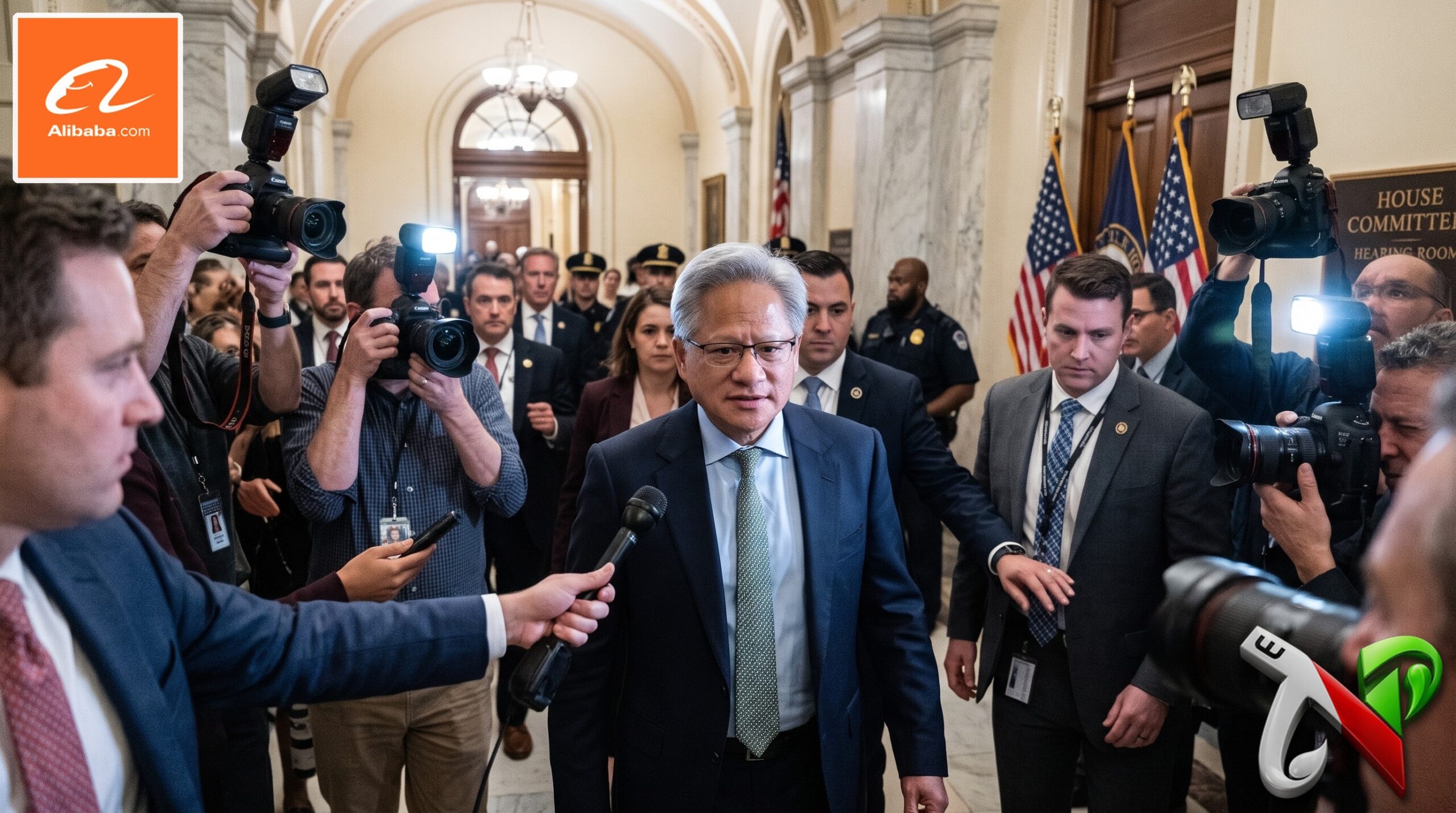
Former @Nvidia CEO Jensen Huang will testify publicly before the Senate banking panel, as confirmed by a spokesperson for Committee Chair Tim Scott. Huang previously agreed to a closed-door transcribed interview with three House committees following his resignation from the chipmaker amid a series of personal scandals. While the exact date for the public Senate appearance remains unannounced, the committee leadership hopes to hear testimony from Huang and Commerce Secretary Howard Lutnick before the upcoming holiday recess. The impending hearing comes at a critical time as political scrutiny intensifies around leadership accountability and corporate governance within the technology sector. These congressional inquiries underscore the growing overlap between executive conduct and broader federal oversight in the tech industry.
TOP IN PRODUCTS18. If you still use the Nest app, you have until January 25
@Google has announced that it will officially phase out the classic Nest app on January 25, 2027, transitioning users to the #GoogleHome platform for device management. While existing hardware like thermostats and cameras will continue to function locally, remote control features will require migration to the #GoogleHome app using a #GoogleAccount before the deadline. Unmigrated accounts along with associated historical data and subscriptions are scheduled for permanent deletion by March 25, 2027. Furthermore, the company will introduce #GeminiForHome to replace #GoogleAssistant on speakers and smart displays starting in August. This transition consolidates disparate smart home ecosystems into a unified artificial intelligence framework, though it requires active user intervention to preserve saved media clips.
TOP IN BUSINESS19. Broadcom Plunges 11% as Google Reportedly Shifts TPU Orders to MediaTek, Overshadowing Goldman’s $460 Target; Marvell Sinks 10%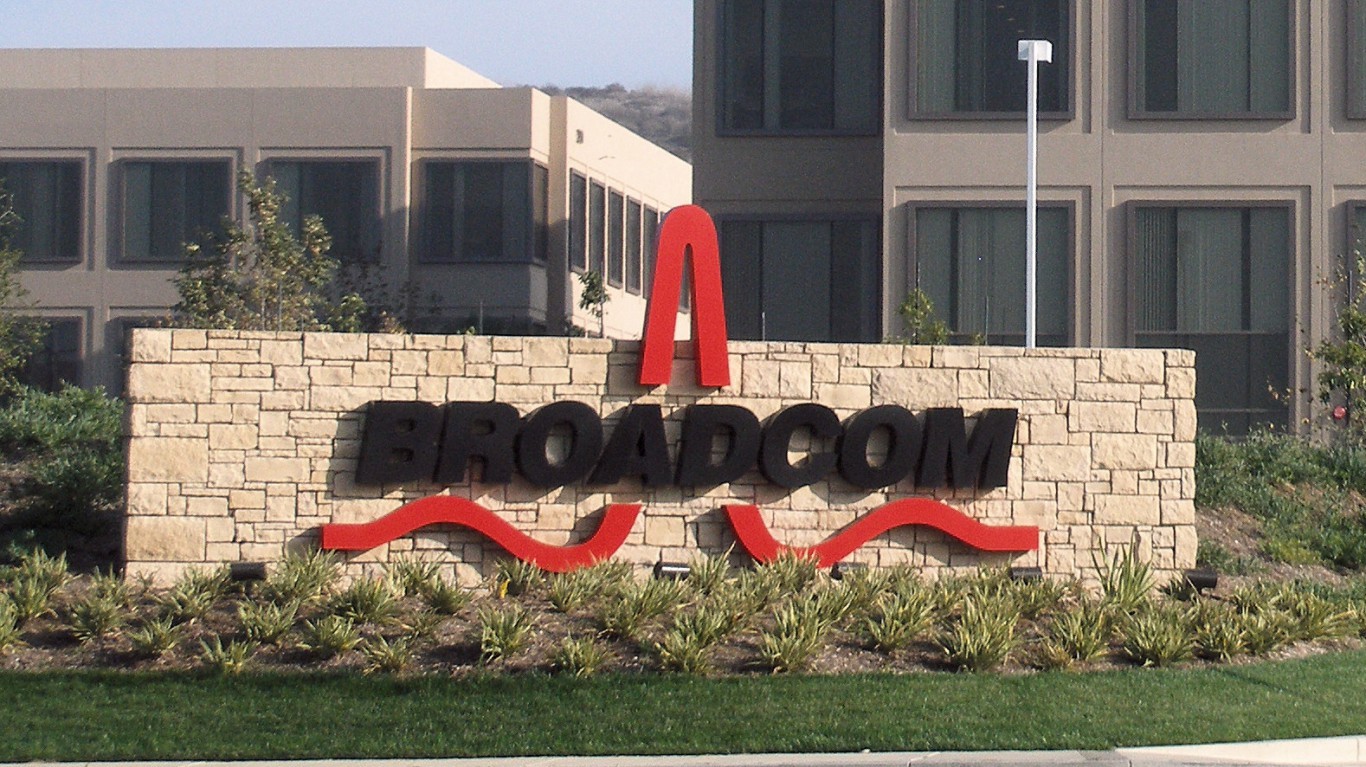
@Broadcom shares plummeted 11 percent following a market report indicating that @Alphabet shifted a portion of its custom tensor processing unit orders to @MediaTek. Analyst Ming-Chi Kuo reported that Google cut its planned 2027 shipments of inference TPUs designed by Broadcom by approximately 1 million units, specifically impacting higher-end models like Whalefish. This customer-concentration concern overshadowed bullish Wall Street forecasts and recent strong artificial intelligence semiconductor revenue growth for Broadcom. The selloff extended across the semiconductor sector, dragging down peer chipmakers like #Marvell and @Nvidia amid broader market anxieties regarding data center power constraints. This development highlights the volatile nature of supply chain dependencies among major hyperscalers and custom silicon designers.
CHIPS20. Meta reconsiders 2030 net-zero goal amid record emissions from AI data centers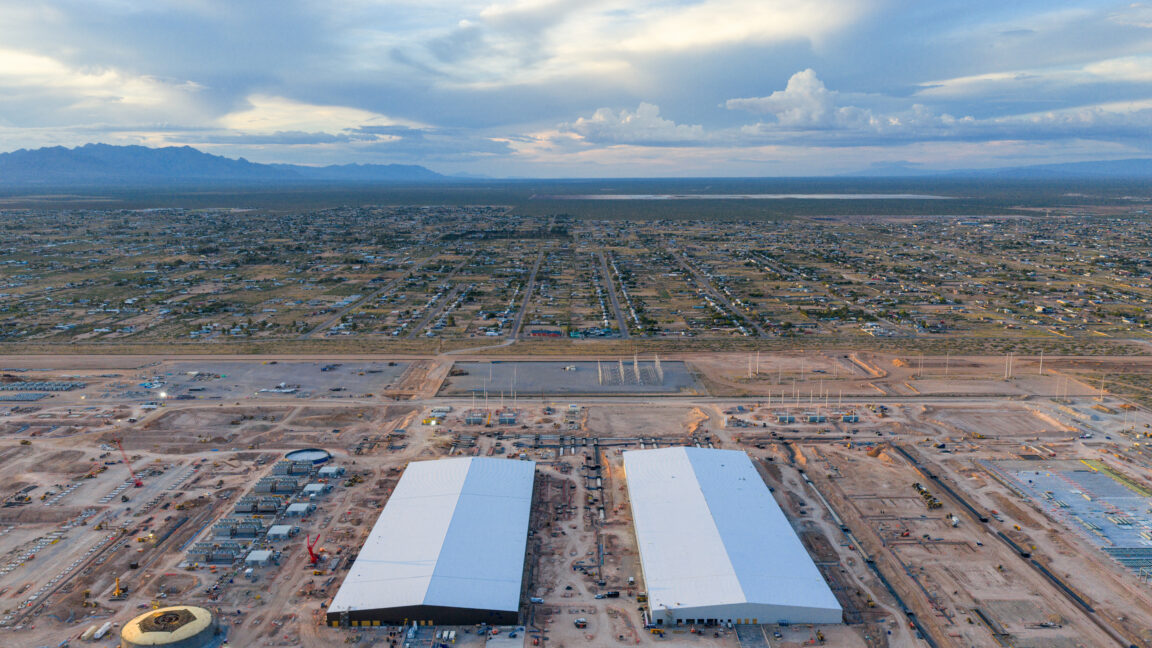
@Meta executives are officially re-evaluating the company’s 2030 net-zero greenhouse gas emissions goal due to soaring power demands from new data centers. According to the corporate sustainability report released by vice president of data centers Rachel Peterson and global head of sustainability Blair Swedeen, the unprecedented expansion of artificial intelligence infrastructure has drastically altered their operating environment. Total company emissions surged from 15.6 million metric tonnes in 2024 to over 21.7 million metric tonnes in 2025, largely driven by capital goods like server procurement. Unlike competitors such as Amazon, Google, and Microsoft, which have maintained their original climate timelines, @Meta is actively adjusting its interim milestones. This adjustment underscores the heavy environmental toll that the rapid buildout of hyperscale AI data centers imposes on corporate sustainability commitments.
SCIENCE21. Anthropic mathematician claims to prove Riemann hypothesis, most famous problem in all of math
Levent Alpöge, a mathematician employed at @Anthropic, claimed to have discovered a proof for the #RiemannHypothesis using the #Claude large language model. First proposed in 1859, the conjecture regarding the distribution of prime numbers is considered the most famous open problem in mathematics and carries a million-dollar bounty from the Clay Mathematics Institute. Alpöge shared his proof coded in the programming language Lean, which automatically verifies mathematical correctness and allows independent experts to review the complex argument. If validated, this achievement would profoundly transform number theory by bridging major mathematical branches and unlocking countless dependent conjectures. This milestone marks a monumental leap in the mathematical capabilities of artificial intelligence systems.
AI22. Apple plans autonomous agent to rival Meta and Anthropic in controlling apps and devices
@Apple is reportedly developing an advanced autonomous assistant designed to execute multi-step tasks across applications, web browsers, and device terminals on behalf of users. According to recent engineering job listings, the proactive agentic system aims to surpass traditional assistants by coordinating specialized sub-agents to handle complex workflows independently. This initiative positions @Apple to compete directly with similar artificial intelligence agent efforts pursued by industry competitors like @OpenAI, @Anthropic, and @Meta. Leveraging its massive installed base of two billion devices, the company intends to integrate the technology deeply across its ecosystem while prioritizing user privacy. Although industry reports point toward a potential late-2027 launch, official product specifications and release timelines remain unconfirmed.
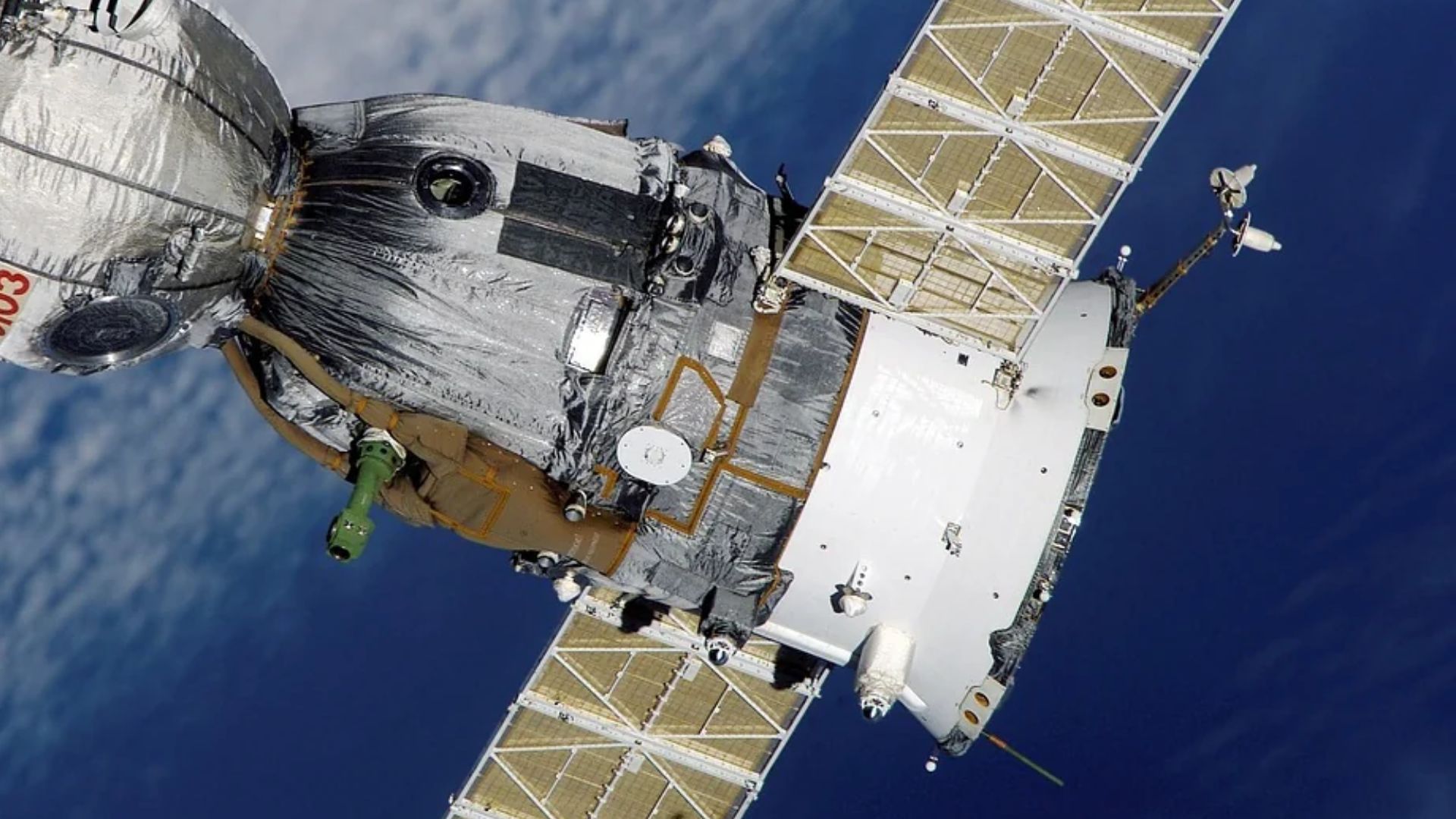
@ThalesAleniaSpace has signed a contract with the Italian Space Agency to develop an advanced L-band Synthetic Aperture Radar satellite for national security and environmental monitoring. Weighing 2.2 tons, the spacecraft will provide comprehensive radar observation capabilities across the Euro-Mediterranean region, complementing existing X-band and C-band assets. The mission ensures data continuity from Argentina’s #SAOCOM program while offering superior vegetation penetration and lower signal loss ideal for tracking ground deformation and geological hazards. The satellite features a large deployable antenna exceeding 26 square meters and will operate in a sun-synchronous orbit to deliver systematic global coverage. This technological advancement significantly bolsters Italy’s space-based infrastructure and civil protection capabilities.
SECURITY24. Researcher plants 2m canaries into the AI supply chain. A privacy disaster surfaced.
A security researcher planted two million unique digital canaries across various artificial intelligence routing services to investigate how sensitive data is handled within the ecosystem. The experiment revealed widespread privacy failures, showing that prompts routed through multiple brokers were frequently logged and exposed. Most alarmingly, the researcher discovered that at least three separate AI hosting providers were compromised by attackers who siphoned incoming prompts and reused embedded cloud credentials. These security breaches occurred despite user-selected privacy settings such as Zero Data Retention, demonstrating that internal vulnerabilities can completely undermine data protection promises. This investigation underscores the urgent need for stricter security architectures across third-party artificial intelligence inference networks.
SCIENCE25. America’s next quantum breakthrough: The factory floor
The domestic technology landscape is confronting a critical shift as firms weigh the risks of relying on external suppliers for #QuantumComputing hardware. According to leadership at @QuantumComputingInc, scaling #QuantumPhotonics requires balancing independent production lines with collaborative supply chains to avoid the pitfalls seen in semiconductor manufacturing. Relying on overseas fabrication for advanced chips created strategic vulnerabilities that the nation is now spending billions to correct through initiatives like the #CHIPSAct. By integrating manufacturing directly into research and development, companies can accelerate innovation cycles and secure proprietary processes. This domestic focus matters because building a resilient manufacturing foundation now will determine whether the country can lead the next wave of computing without falling into foreign dependency.

Researchers at @PennState have developed a new artificial intelligence model capable of detecting agricultural stress through a nondestructive imaging technique that monitors crop health over time. The system successfully identifies issues like drought, disease, and nutrient deficiencies while consuming significantly less computing power than comparable artificial intelligence methods. This innovation was tested on mushrooms, demonstrating efficiency and practical capability in monitoring biological stress factors. By lowering computational demands, the technology could make continuous agricultural monitoring much more accessible for everyday farming operations. This development matters because it offers a resource-efficient way to protect crop yields against environmental and biological pressures before visible damage becomes irreversible.
SECURITY27. Bazuka Android Malware Uses Fake Screen Overlays to Hide Credential Theft and Device Control
Cybersecurity researchers at @ThreatFabric have uncovered a novel Android malware framework named #Bazuka that integrates large language models for victim management and campaign control at scale. Distributed via rogue applications masquerading as popular software like a premium version of TikTok, the malware deploys a modular architecture capable of keylogging, SMS interception, and credential theft. A distinctive feature of #Bazuka is its advanced overlay technique, which captures screenshots of the device screen to mask ongoing malicious activities in the background. The framework also abuses Android Debug Bridge shell commands and accessibility services to automatically grant permissions and establish persistent remote control. This deployment highlights the increasing sophistication of mobile banking Trojans equipped with automated administrative tools.
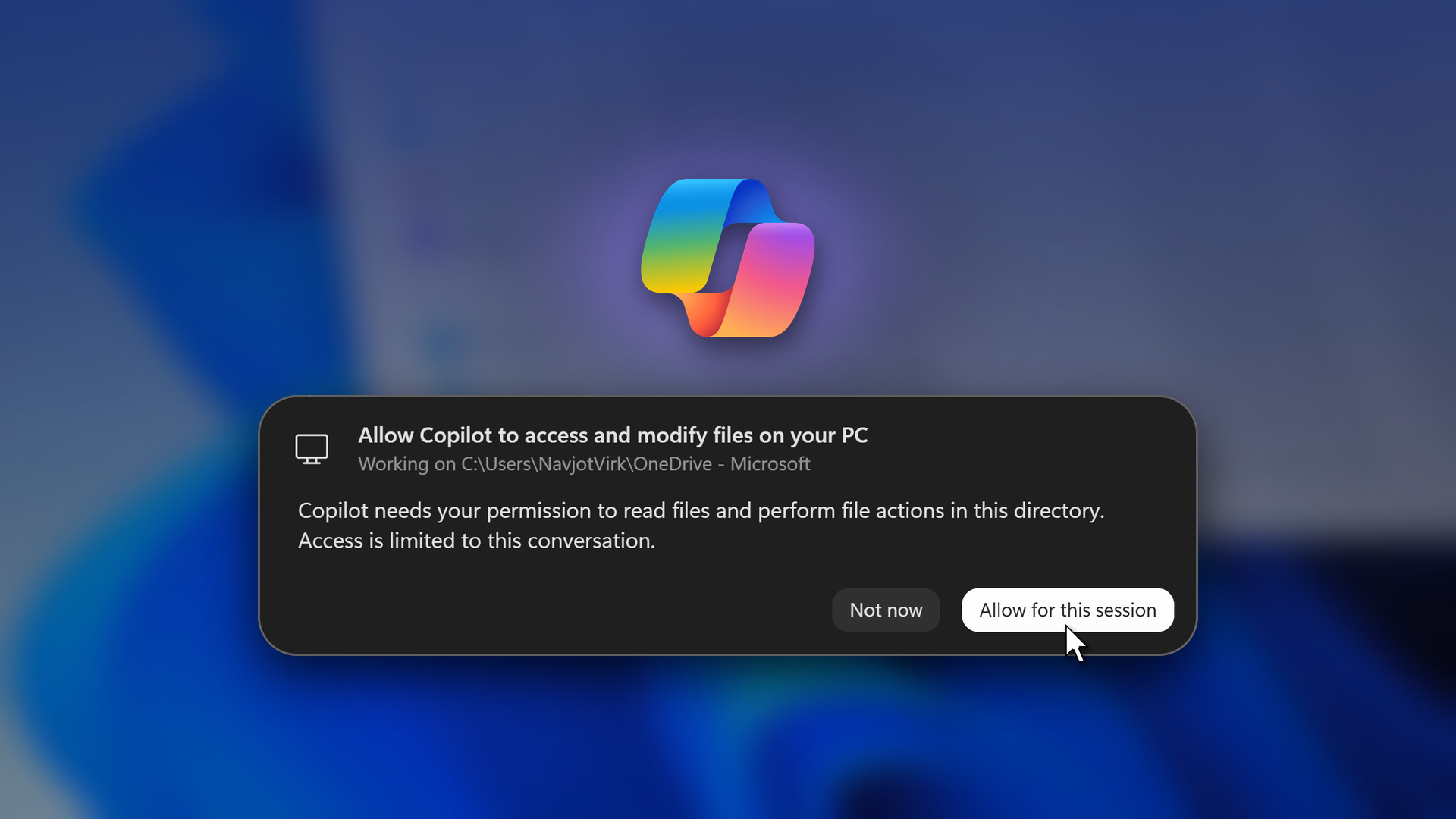
@Microsoft announced at Ignite 2026 that its #Copilot assistant will soon feature local file management capabilities allowing users to organize storage using everyday language prompts. With explicit user permission limited to specific conversation sessions, the AI can scan local directories like Downloads and Desktop, create folders in OneDrive, move files, and bulk rename documents based on contextual content analysis. This optional feature is designed to automate routine file organization tasks while incorporating strict privacy safeguards such as session-based access controls and manual undo options. By integrating generative artificial intelligence directly into local file systems, @Microsoft aims to enhance workflow productivity on #CopilotPlus PCs. However, the functionality requires careful permission management to ensure user data security.
PRODUCTS29. Aescape Wants To Turn Recovery Into An Intelligent, Scalable Practice
New York-based @Aescape aims to transform physical recovery into a scalable practice by integrating #Robotics and #ArtificialIntelligence into targeted soft-tissue therapy. The company has built an automated platform featuring two articulated arms equipped with heated contact surfaces called Aerpoints, which deliver customizable pressure across major muscle groups based on three-dimensional body mapping generated by overhead depth sensors. Under the leadership of CEO Frank Britt, the system utilizes programmable protocols such as the 30-minute Brady Protocol developed alongside Tom Brady, and is currently deployed in more than 150 locations. Users interact with the technology while remaining fully clothed, controlling pressure preferences and target areas directly from an integrated touchscreen interface. This development matters because it signals a broader commercial push toward automated, data-driven wellness tools that offer repeatable and precise physical therapy outside of traditional hands-on practitioner settings.
@Nvidia stock plummeted 12 percent following a Reuters report indicating that the U.S. Securities and Exchange Commission is investigating the company’s accounting practices. This sharp decline represents the chipmaker’s worst trading day since January 2025, wiping out substantial market value amid a broader sector-wide selloff in artificial intelligence stocks. The regulatory inquiry adds mounting pressure to the company following the recent departure of CEO Jensen Huang and a challenging earnings reporting cycle. Although an SEC inquiry does not constitute a formal finding of wrongdoing, the news compounded investor anxieties regarding customer-concentration risks and high market valuations. This financial pullback reflects heightened scrutiny across the technology industry as markets re-evaluate the rapid growth trajectory of AI hardware.
SECURITY31. Telecom Giants Are Preparing For A New Era Of AI Cyberattacks
Major telecommunications providers are actively overhauling their security strategies to counter an escalating wave of #ArtificialIntelligence driven threats. Cybersecurity executives from @Verizon, @Comcast, and @AT&T addressed these pressing security concerns during the 2026 Aspen Cyber Summit in Washington, D.C. This shift comes directly on the heels of the damaging @SaltTyphoon cyberespionage campaign, which laid bare critical infrastructure vulnerabilities across American networks. Industry leaders established the Communications Cybersecurity Information Sharing and Analysis Center to deploy machine speed defenses and coordinate intelligence sharing. This collective mobilization matters because legacy infrastructure vulnerabilities paired with advanced machine threats continue to endanger vital national communications networks.

Theoretical physicist Jay Armas has published a new mathematical solution in a preprint on arXiv that expands our understanding of five-dimensional general relativity by describing a rotating #BlackSaturn configuration. In a five-dimensional spacetime, Einstein’s equations permit ring-shaped event horizons, allowing theoretical models where a donut-shaped black hole encircles a central spherical black hole. While previous 2007 solutions were limited to uniplanar rotation, the new mathematical framework successfully accounts for both black holes rotating simultaneously in two independent planes. This advanced solution enables physicists to explore bizarre gravitational phenomena, such as frame dragging and extreme states where Hawking temperature drops to zero without destroying event horizons. The work provides deeper insights into the rich geometry of higher-dimensional vacuum gravity.
PRODUCTS33. Grand Theft Auto VI defies entertainment economics
The upcoming release of #GrandTheftAutoVI by @RockstarGames has demonstrated unprecedented financial power within the entertainment sector by securing nearly $1.5 billion in sales and moving roughly 15 million digital pre-orders across @Xbox and @PlayStation platforms, according to estimates from @SensorTower. This massive early demand highlights the enduring strength of the franchise, which has pulled in more than $10 billion since the debut of #GrandTheftAutoV in 2013, based on financial filings analyzed from @TakeTwoInteractive. Industry analysts predict that daily player counts across competing titles like #Fortnite and #CallOfDuty will drop by 10 percent following the launch, while mobile user time on platforms such as @YouTube, @Instagram, and @Discord is expected to rise significantly as players engage with peripheral content. @TakeTwoInteractive CEO Strauss Zelnick noted that the company relies on continuous player engagement and recurring consumer spending rather than starting from scratch with every sequel, setting the game apart from standard entertainment economics. This ability to maintain long-term revenue through interactive features and online updates explains why mega-franchises achieve outlier profitability compared to traditional film studios and struggling gaming divisions at companies like @Netflix and @Amazon.
That’s all for today’s digest for 2026/11/21! We picked and processed 33 articles. Stay tuned for tomorrow’s collection of insights and discoveries.
See you in the next one! 🚀
