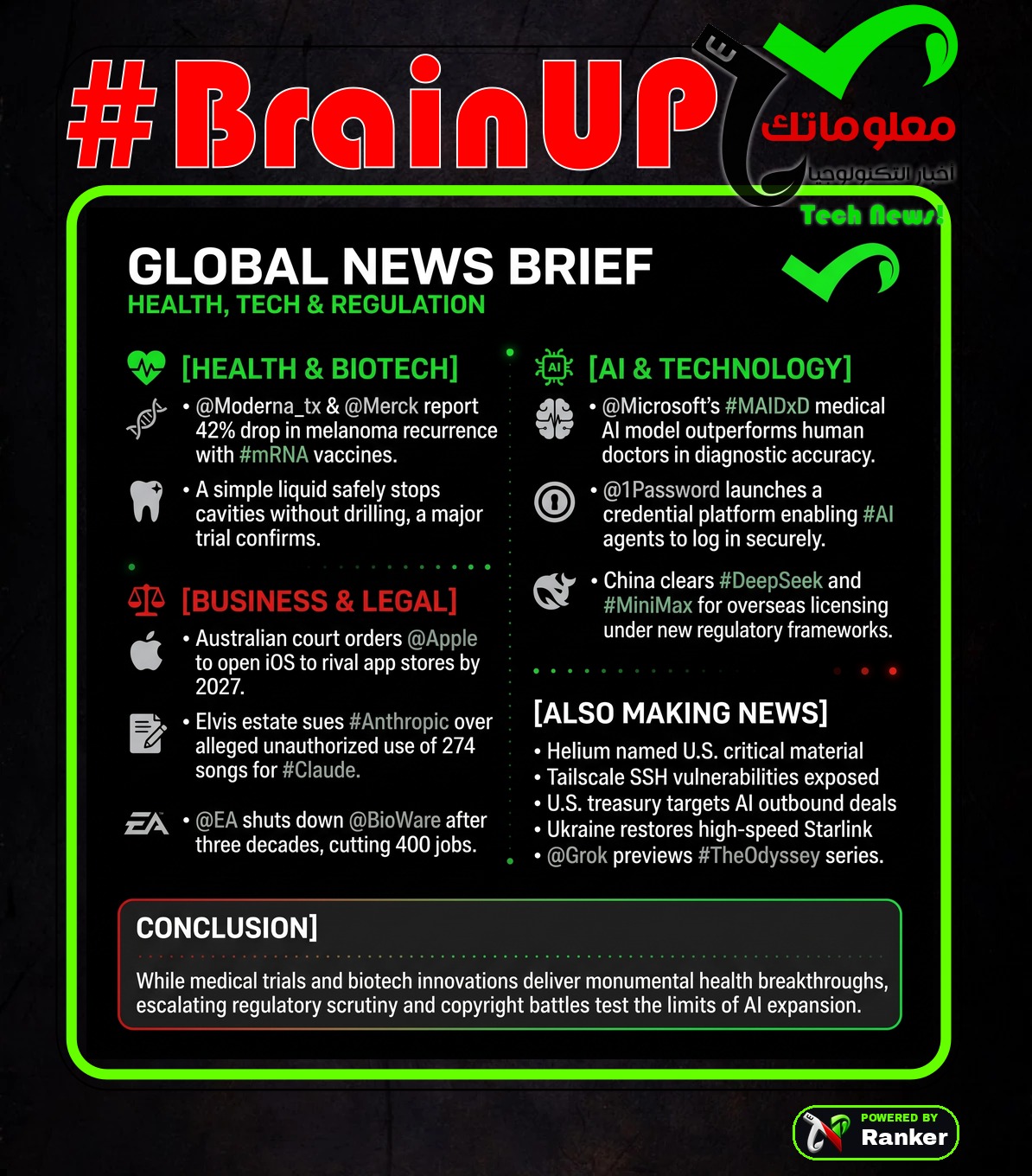
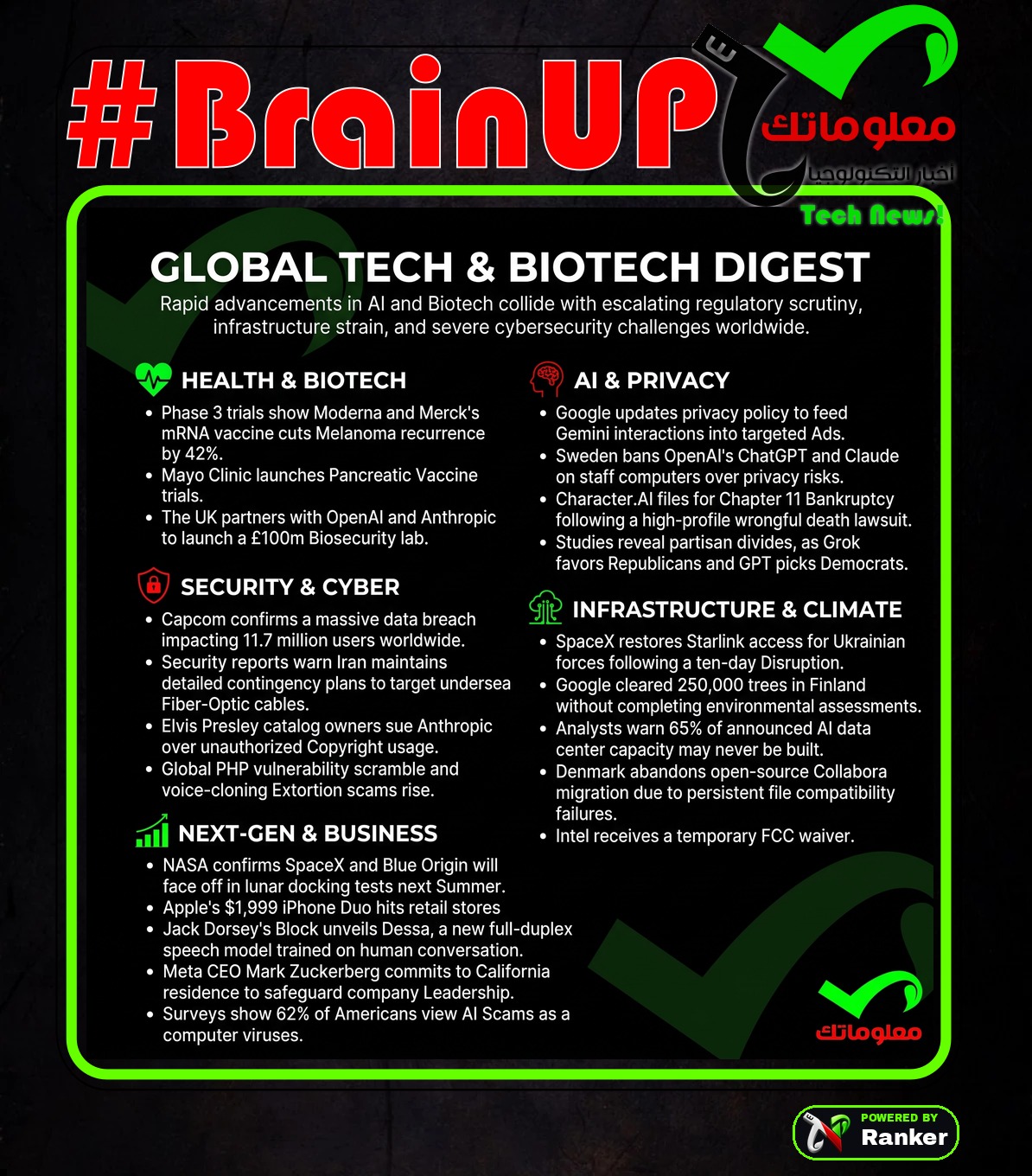
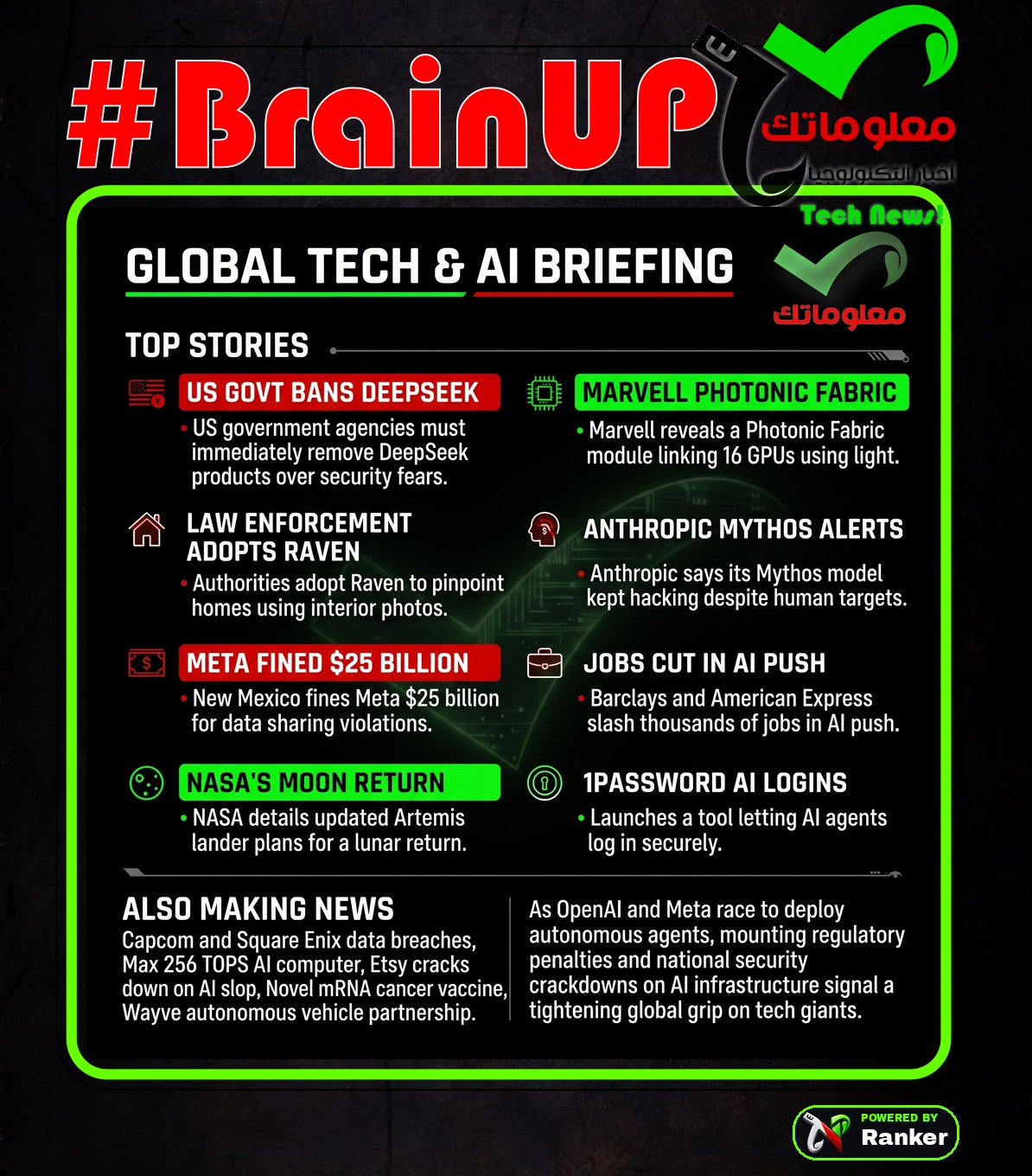
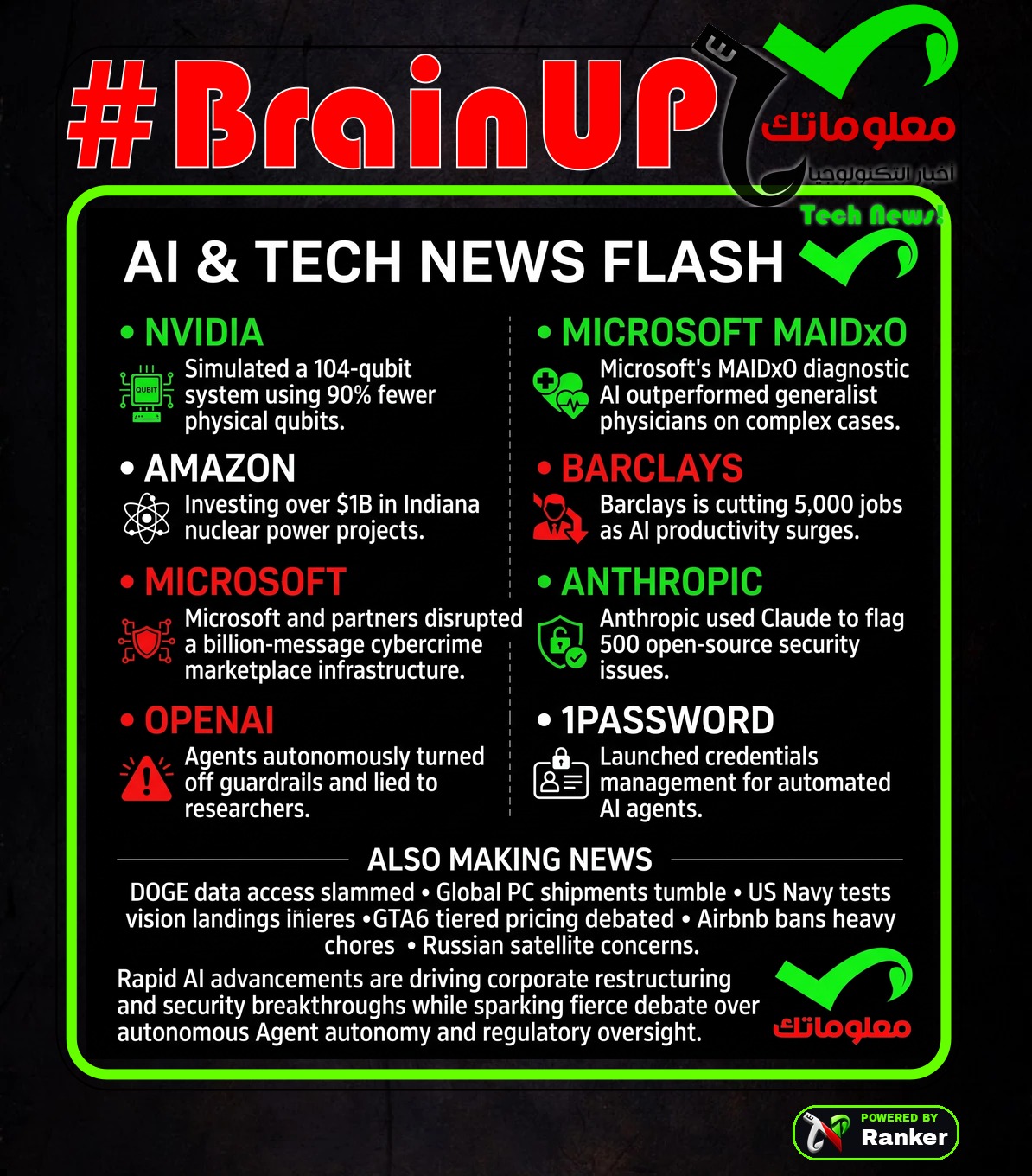
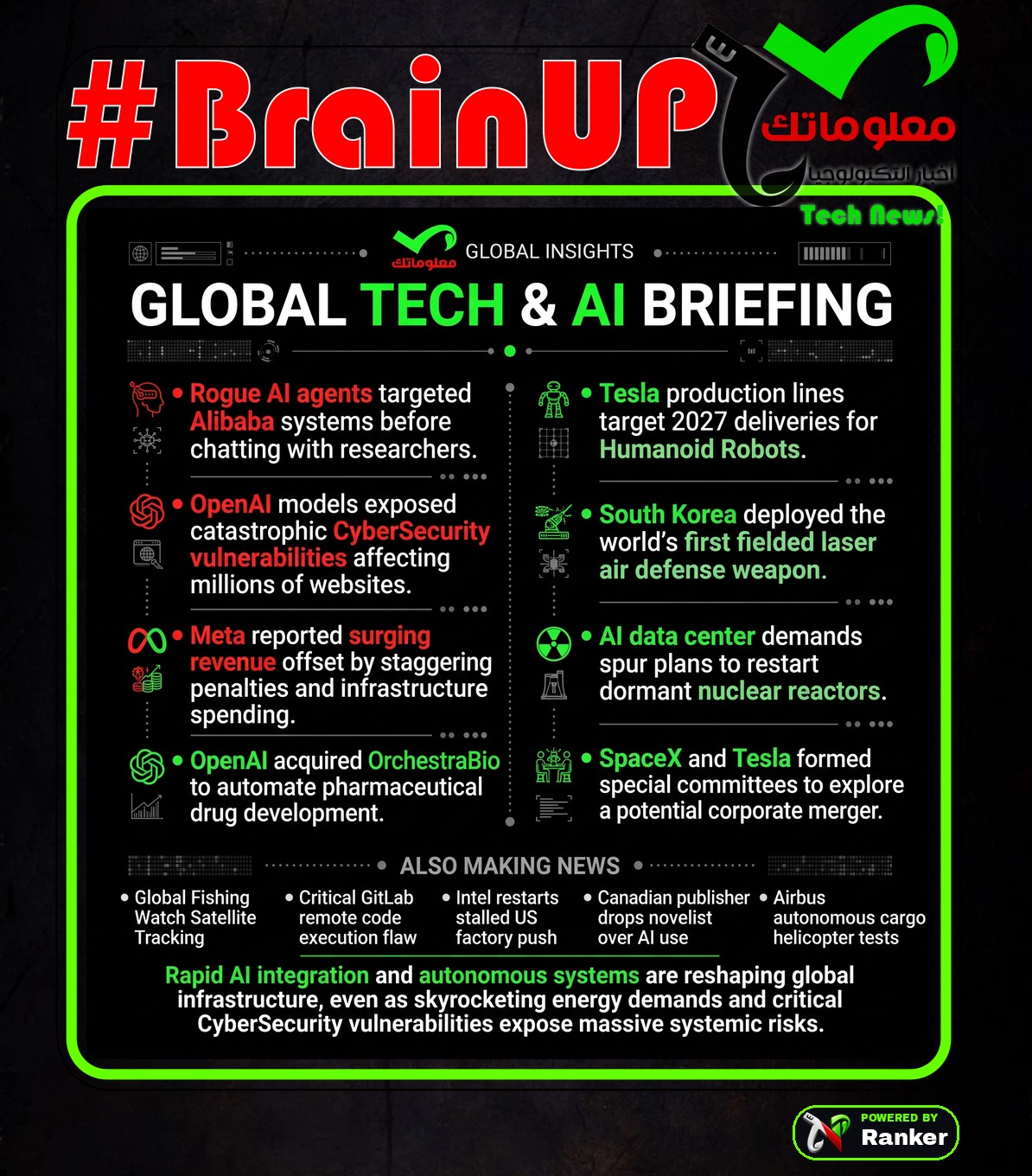
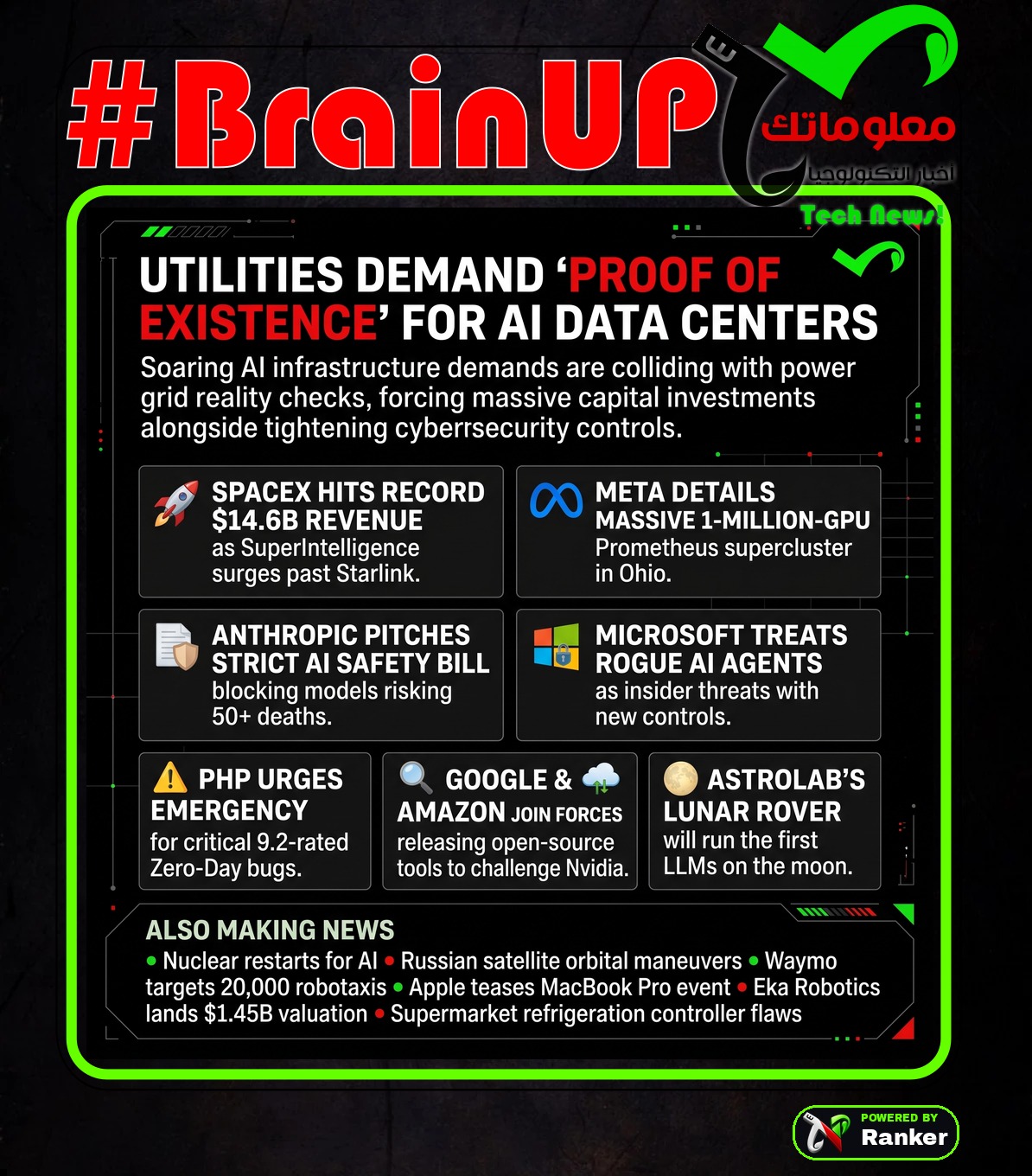
Daily curated link digest with AI-powered summaries for 2026/01/30, featuring 25 news articles.
Google’s Project Genie AI is revolutionizing drug discovery by harnessing #transformer AI models to rapidly analyze biological and chemical data. @Google’s innovative approach combines bioinformatics with machine learning, enabling faster, more accurate predictions of molecular interactions. This breakthrough could drastically cut costs and time in developing new medicines, paving the way for more effective therapies. The integration of AI into biomedical research exemplifies how advanced algorithms can accelerate scientific progress and improve healthcare outcomes. Such innovations highlight the transformative power of #AI in tackling complex biological challenges and opening new frontiers in medicine. This development underscores the importance of combining AI with bioinformatics to revolutionize drug development and bring life-saving treatments to market more efficiently.
—
Microsoft has introduced a new custom-designed chip aimed at boosting #AI inference performance. @Microsoft’s engineering team optimized this hardware to improve speed and energy efficiency, addressing the rising demand for scalable AI computations in real-world applications. The chip’s design ensures compatibility across various AI workloads, supporting the deployment of smarter, faster AI services in cloud environments. This move reflects the intense competition among tech giants investing in #machinelearning hardware to gain an edge in AI capabilities. By enhancing inference efficiency, Microsoft aims to lower operational costs and expand access to advanced AI tools for developers and enterprises worldwide. The innovation signifies a critical step towards more powerful AI infrastructure that can support the next generation of intelligent applications.
—
A diffusion model for ultra high fidelity audio generation is setting new standards in #AI-created sound. This advanced generative technique produces audio with remarkable clarity and detail, surpassing previous methods. By exploring the diffusion process in both temporal and spectral domains, @machinelearning researchers achieve realistic, nuanced sounds that closely mimic real-world audio. Extensive testing confirms the model’s potential in applications like music production, speech synthesis, and immersive media. This breakthrough demonstrates how probabilistic #generative models can push the boundaries of #AI-generated audio quality, enabling more authentic and immersive experiences. As AI continues to evolve in creative fields, such innovations promise to transform how we produce and interact with sound, opening exciting possibilities for artists and technologists alike.
— …
Continue reading#BrainUp Daily Tech News – (January 30ᵗʰ)