
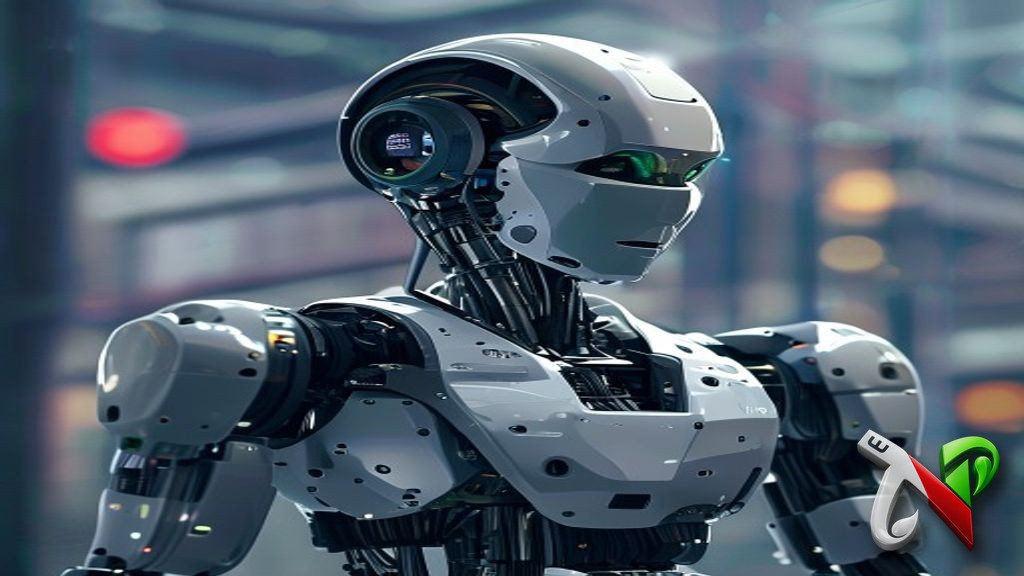
US Imposes Sweeping Import Ban on Foreign Humanoid Robots and Power Inverters
Key points
- The Federal Communications Commission announced a ban targeting foreign-made advanced robotic devices and power inverters, citing unacceptable national security risks [1].
- The restrictions explicitly cover mobile machines like humanoid and quadruped robots, as well as devices meeting specific criteria for weight and networking capabilities [1].
- Major Chinese renewable energy equipment manufacturers like Sungrow and Huawei will face significant impacts regarding power inverter imports [1].
- Companies can seek waivers to import restricted hardware, provided they submit detailed plans to transition manufacturing operations to the United States [1].
Targeting Advanced Hardware
The United States government is ramping up its technological decoupling strategy with a sweeping import ban directed at foreign-made advanced robotic systems and power inverters [1]. Announced on Tuesday by the Federal Communications Commission, the directive takes direct aim at mobile hardware, encompassing both humanoid and quadrupedal models [1]. While the FCC maintains the policy is not explicitly tailored to any single nation, it deals a major blow to China’s rapidly expanding robotics industry [1]. Chinese manufacturers have recently dominated headlines with viral demonstrations of robots dancing, fighting, and performing on television, making them the primary target of these new federal restrictions [1].
Alongside humanoid machines, the ruling targets critical renewable energy infrastructure. China currently hosts the world’s leading producers of power inverters—such as Sungrow and the already-blacklisted Huawei—which are foundational components in solar panel arrays and green energy grids [1]. Officials justify the aggressive regulatory action under the banner of national security, pointing to potential vulnerabilities that could threaten the safety and security of American citizens [1].
Defining the Restricted Tech
To understand the scope of the restriction, the FCC outlines precise technical criteria for what constitutes a banned device [1]. Under the agency’s definitions, an advanced robotic device must weigh more than 4.4 pounds, including its docking station, and possess onboard capabilities for locomotion, navigation, or obstacle avoidance [1]. Furthermore, these machines must feature environmental sensors and network-connected computer chips [1]. Because of these broad parameters, the regulatory net is cast wide enough to potentially snare everyday consumer electronics, such as future robot vacuums, unless they successfully secure official exemptions [1].
The policy mirrors previous federal crackdowns on foreign-made networking equipment and routers [1]. However, the framework provides a specific pathway for compliance: foreign manufacturers can petition for waivers to continue bringing hardware into the US market [1]. Crucially, these waiver applications do not hinge on upgrading the cybersecurity posture of the robots or inverters; rather, applicants must provide a concrete, detailed plan to relocate their manufacturing operations directly onto US soil [1].
Exceptions and What Comes Next
While the import restrictions will reshape supply chains for incoming hardware, existing devices already operating within the United States are grandfathered in, allowing individuals and enterprises to keep using their current robots and inverters without disruption [1]. Additionally, regulatory allowances ensure that currently deployed units can continue receiving critical software, security, and compatibility updates through January 1st, 2029 [1].
Industry observers note that while the policy creates massive hurdles for Chinese developers, Western firms are positioning themselves to fill the domestic void. As Tesla reorganizes its automotive manufacturing capacity to prioritize the production of its Optimus humanoid robot, US regulators continue to push for localized supply chains [1]. Meanwhile, reports indicate that the enforcement framework is strategically designed to grant exemptions to many non-Chinese suppliers, further signaling that the primary objective is to curb reliance on specific geopolitical competitors while jumpstarting domestic advanced technology manufacturing [1].
Companies mentioned: Huawei, Tesla
Primary sources
- The US is banning foreign robots (theverge.com) – Provides comprehensive details on the FCC's new import ban targeting foreign advanced robots and power inverters, outlining definitions, security justifications, and waiver requirements.
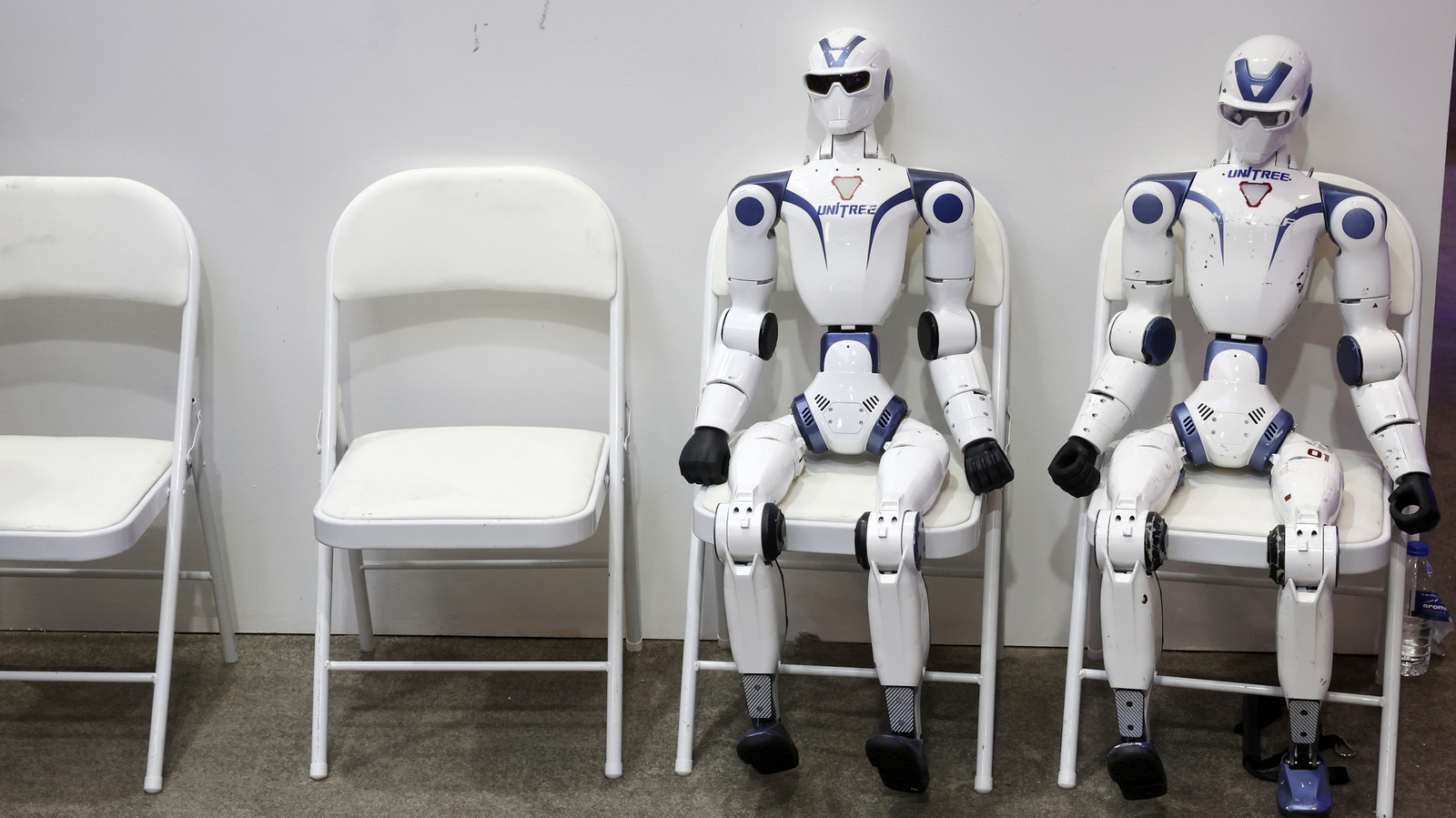 The US is banning foreign-made humanoid robots and power inverters (engadget.com) – Frames the import restrictions as part of a broader national security strategy intended to stimulate domestic manufacturing of emerging technologies.
 Powered by News Ranker