
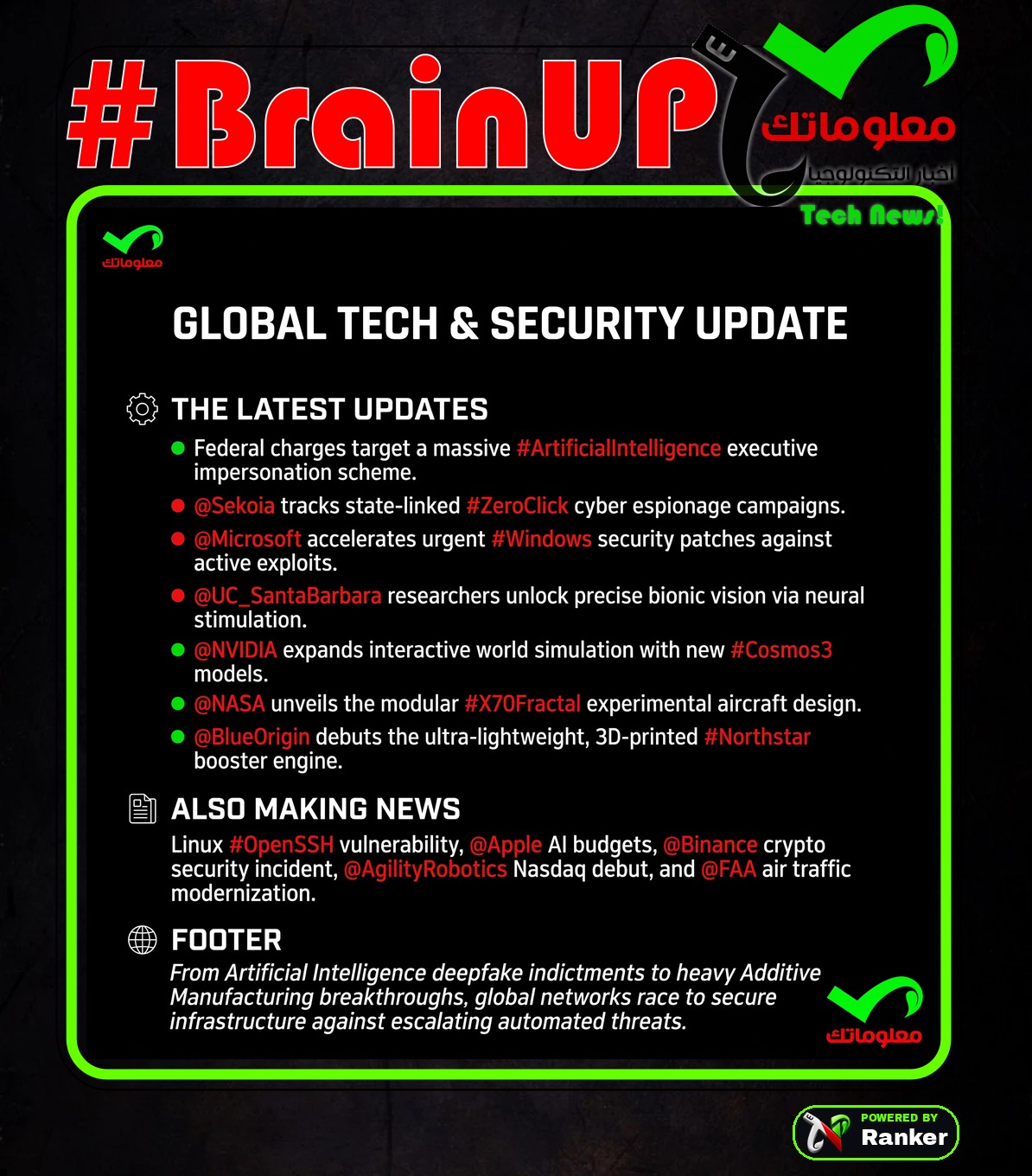
Ranker’s #BrainUp Daily Tech News – (Friday, November 6ᵗʰ)
Welcome to today’s curated collection of interesting links and insights for 2026/11/06. Our automated ranking and AI-summarization system has processed 28 articles from all over the internet to bring you the latest technology news.
TOP IN EACH SECTION
🛡️ Security & Privacy: 3 Charged in Scheme to Use AI to Impersonate CEOs and Attorneys to Steal $129 Million (story 1)
🧬 Health & Biotech: A New Era of Bionic Vision? AI Helps Scientists Unlock the Brain’s Visual Cortex (story 4)
🔭 Science & Space: A sweeter future? AI helps scientists discover new sugar substitutes (story 6)
🎖️ Defense & Geopolitics: Ukraine takes bold step toward satellite independence following Starlink disruption — partnering with European makers to launch its own sovereign orbital mesh (story 8)
🤖 AI: New NVIDIA Cosmos 3 Open Models for Interactive World Simulation (story 9)
💼 Business & Work: Apple cuts engineers’ daily AI budgets as it reins in spending (story 11)
📱 Products, Cars & Robots: WhatsApp could soon let you expand photos with Meta AI on your iPhone (story 14)
⚖️ Policy & Law: Russian data centers ordered to save 10% of capacity for state use following new Putin orders (story 15)
💾 Chips & Data Centers: Google to power Wyoming data center with 702 MW gas project, capture most emissions (story 20)
TOP IN SECURITY1. 3 Charged in Scheme to Use AI to Impersonate CEOs and Attorneys to Steal $129 Million
Federal prosecutors have indicted three individuals named Jacob Soall, Sharon Hazan, and Guy Sheetrit for operating an international scheme that used #ArtificialIntelligence to impersonate corporate executives and attorneys in order to steal approximately $129 million. Over a period exceeding eighteen months, the defendants targeted thousands of organizations globally – including hospital systems, banks, and fintech firms – by exploiting corporate accounting departments through deceptive emails and deepfake voice and video calls. The conspirators then directed employees to wire funds to international accounts where the money was converted into #Cryptocurrency to obscure its origin before distribution. This case matters because it demonstrates how sophisticated threat actors weaponize emerging synthetic media technologies to execute large-scale financial fraud against corporate targets.
SECURITY2. Meet *sshole, the vulnerability that lets hackers SSH into Linux devices
Security researchers have disclosed a decade-old vulnerability affecting systems running Alpine Linux and other distributions that utilize the musl libc alternative without pluggable authentication modules. Exploitation requires specific conditions, including an accessible user account utilizing a SHA256 or SHA512 password hash combined with a passwordless configuration denoted by an asterisk in the shadow file. When these criteria are met, an attacker reaching an #OpenSSH port can log in successfully without knowing any password simply by inputting more than 256 characters into the prompt. This flaw matters because it provides a reliable, single-connection bypass for improperly configured lightweight Linux servers.
SECURITY3. Russian state-linked hackers target iPhone, Android devices in zero-click espionage campaign
Russian state-linked hackers have targeted mobile device users across Ukraine, the United States, and Europe in a sophisticated #ZeroClick espionage campaign designed to steal sensitive data. French cybersecurity firm @Sekoia attributed the operation to the threat group #APT29, also known as #CozyBear or #MidnightBlizzard, which is widely believed to act on behalf of Russia’s foreign intelligence service. The attackers compromised legitimate websites, established fraudulent domains imitating initiatives like #America250 and luxury venues, and injected malicious code into the Ukrainian web analytics service @Plerdy to profile visitors. Depending on the target device, the operation utilized malicious toolkits like #DarkSword against iPhones running up to iOS 18.5 and exploited older #Google #Chrome vulnerabilities on #Android devices to exfiltrate cookies, messages, emails, and location history. This campaign highlights the persistent risk posed by advanced state actors utilizing supply chain compromises and browser exploits for intelligence gathering without requiring user interaction.
HEALTH4. A New Era of Bionic Vision? AI Helps Scientists Unlock the Brain’s Visual Cortex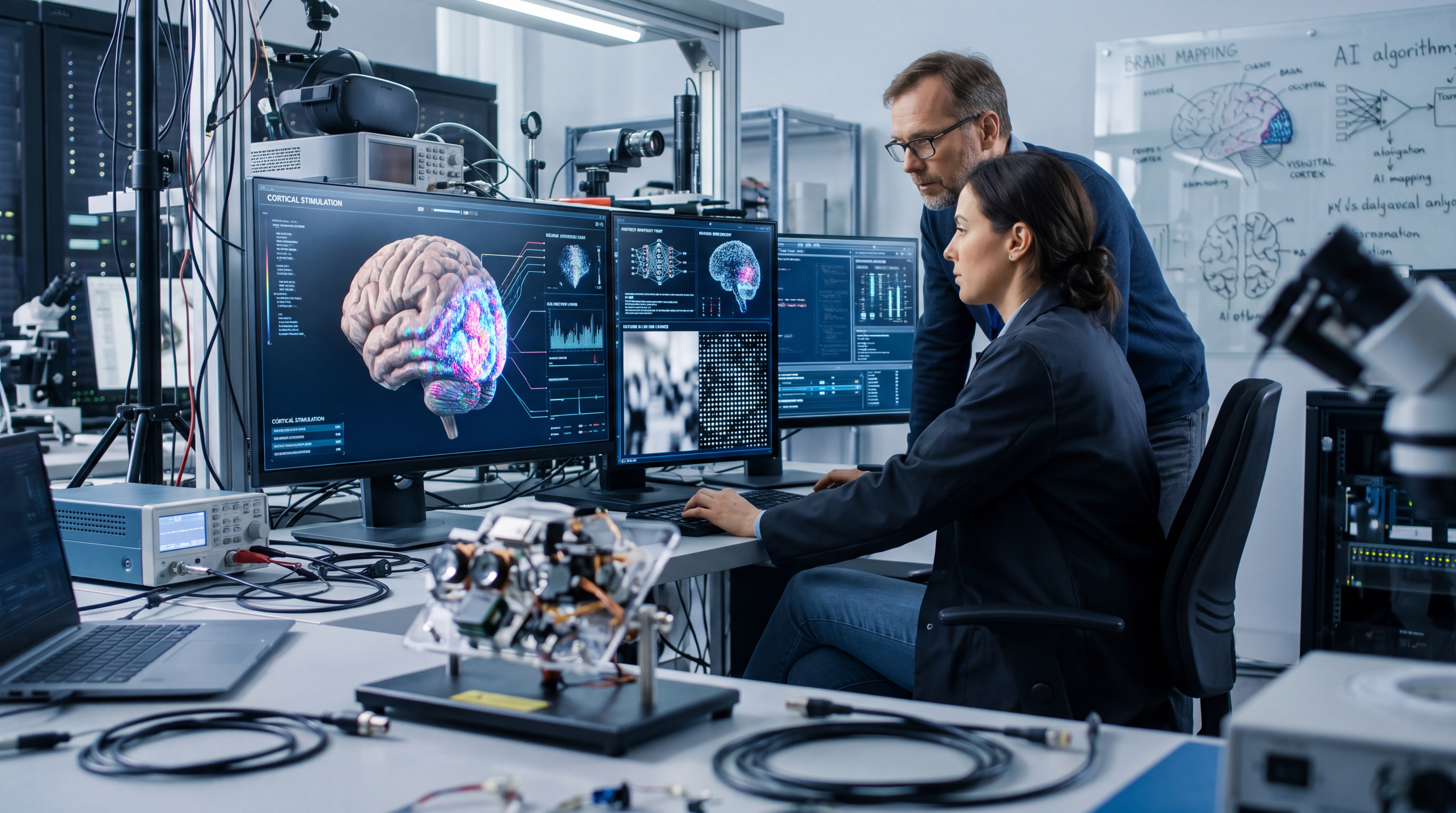
Researchers from @UC_SantaBarbara, @ETH_Zurich, and Miguel Hernández University have utilized deep learning to control brain stimulation in a blind participant, advancing the precision of potential bionic eye technologies. By training a deep neural network on recorded resting brain activity and electrical stimulation patterns, the team successfully produced targeted phosphenes in the visual cortex using significantly less electrical current than traditional methods. The experimental implant allowed researchers to continuously adapt stimulation parameters based on real-time neural responses rather than relying on a fixed architectural recipe. This breakthrough matters because it demonstrates that future visual prostheses can be personalized to match individual brain activity for improved sensory restoration.

@Microsoft addressed a security update cycle that delivered over 1,000 fixes by asserting that Windows is not becoming less secure, even as company executives warn that malicious actors are increasingly exploiting known vulnerabilities within hours. During October 2026, the broader security release addressed 1,413 CVEs across the product portfolio as the corporation accelerated its own internal bug hunting using #ArtificialIntelligence models in an ongoing cycle with automated threats. Company leaders strongly advised administrators against delaying monthly updates, noting that modern automated analysis allows both defenders and attackers to discover gaps much faster than before. This situation matters because it underscores how generative technology is accelerating vulnerability discovery on both sides of enterprise cybersecurity.
TOP IN SCIENCE6. A sweeter future? AI helps scientists discover new sugar substitutes
Researchers Dr. Shayma El-Atawneh and professor Amiram Goldblum at the Hebrew University of Jerusalem have developed a new computational framework that identified 92 promising candidates for future sugar substitutes from more than 50 million chemical compounds. The study, published in the journal Food Chemistry, demonstrates how artificial intelligence and molecular modeling could accelerate the discovery of new sweeteners while helping overcome one of the industry’s persistent challenges: unwanted bitter aftertastes.
SCIENCE7. NASA unveils mysterious X-70 experimental aircraft using AI-generated image
@NASA has announced the X-70 Fractal, a crewed experimental aircraft featuring reconfigurable flight-control technology and a modular design capable of swapping internal and external payloads. Unveiled by administrator Jared Isaacman using an apparently AI-generated conceptual image during an industry summit, the aircraft is designed to cruise at Mach 0.75 up to 45,000 feet with an operational range exceeding 1,700 miles and a takeoff weight of 10,000 pounds. Although the agency projects the experimental platform could take flight within two years, specific details regarding manufacturing partners and development timelines remain undisclosed. This announcement matters because it outlines NASA’s plans for a high-performance crewed testbed to evaluate advanced flight-control systems rapidly.

Ukrainian defense technology firm Himera and Danish spacecraft manufacturer GomSpace have initiated orbital testing for Obria Nano, an experimental satellite designed to lay the groundwork for a sovereign communications network. The spacecraft launched aboard a @SpaceX rideshare mission on October 1, following recent service disruptions that exposed Ukraine’s heavy operational dependence on commercial satellite links for battlefield coordination and drone operations. While the experimental constellation will not immediately replace commercial networks like Starlink, the initiative aims to provide dedicated national links for future defense activities. This project matters because it demonstrates how wartime vulnerabilities are pushing nations to pursue independent sovereign orbital mesh infrastructure.
TOP IN AI9. New NVIDIA Cosmos 3 Open Models for Interactive World Simulation
@NVIDIA has expanded its #Cosmos world model development platform by introducing four new open-weight checkpoints for the #Cosmos3 model family, designed to enable interactive world simulation and multi-sensor driving scenes. These post-trained examples of #Cosmos3Nano each feature 16 billion trainable parameters and are governed by the #OpenMDW1p1 license for both commercial and non-commercial applications. Specifically, the additions include the Cosmos3-Nano-Transfer-Auto for synthetic driving data generation, the Cosmos3-Nano-Sim-Auto for streaming synchronized camera and LiDAR observations, the Cosmos3-Nano-Sim-Transfer for converting simulator controls and text prompts into photorealistic video, and the Cosmos3-Nano-Sim-Bimanual for predicting video output from robotic actions. These models address key industry hurdles by supplying complementary tools for both #Robotics and #AutonomousDriving development, helping researchers create responsive simulated environments where appearance and geometry align. By offering these open weights and post-training recipes, @NVIDIA provides a shared baseline for developers to adapt models, test policies, and contribute improvements to interactive simulation technology.
DEFENSE10. 72,000-ton British aircraft carrier launches attack drones in historic naval first
The @RoyalNavy has successfully tested the Nyan One-Way Effector strike drone aboard its largest aircraft carrier, @HMS_Queen_Elizabeth, during North Atlantic exercises. Developed by BAE Systems subsidiary Callen-Lenz, the compact uncrewed aircraft completed four consecutive successful launches and hit all assigned targets during Exercise Neptune Reach B. The trials support the UK’s broader Maritime Aviation Transformation program, which aims to integrate expendable strike drones into carrier strike groups to increase operational mass without relying solely on crewed aircraft. This milestone matters because it demonstrates the viability of launching precision-strike uncrewed systems directly from major capital warships.
TOP IN BUSINESS11. Apple cuts engineers’ daily AI budgets as it reins in spending
@Apple has reduced the daily AI spending limits for certain engineering teams from $300 to $200, with further reductions planned as part of a broader corporate cost-control initiative under CEO John Ternus. The internal budgeting caps cover token consumption across advanced models from @Anthropic, @OpenAI, and @Google, prompting some software engineering groups to transition toward cheaper cloud options or models running locally on devices. This spending adjustment coincides with a 32 percent year-over-year rise in research and development costs driven by infrastructure expansion and recent workforce reductions. This cost-containment measure matters because it reflects how major technology corporations are reining in escalating operational expenditures associated with generative AI development.
@Airbnb CEO Brian Chesky reported on an earnings call that general-purpose #AIAgents such as @Meta’s Muse and Instinct are currently generating a very non-material number of bookings on the platform. Despite significant tech industry hype surrounding autonomous planning assistants over the summer, Chesky noted that travel remains an aspirational experience where users prefer browsing photos, comparing listings, and collaborating directly with companions. While acknowledging that general agents can handle simple administrative tasks, the company plans to launch its own travel-specific agent next year to guide customized trip planning. This trend matters because it indicates that consumer adoption of general autonomous agents for complex commercial transactions remains minimal in the travel sector.
SECURITY13. 29 October 2026 Binance Security Incident: Initial Findings and Response Update
@Binance experienced a sophisticated security incident on 29 October 2026 that impacted approximately USD 6.34 billion in digital assets across multiple networks. The organization stated that users will not bear the financial loss, noting that 98 percent of impacted token assets have already been replenished as of 31 October 2026, with the remaining illiquid assets currently being purchased. According to the @FBI, the Democratic People’s Republic of Korea is responsible for the breach. The attackers exploited an internal wallet signing service and abused @Ethereum’s #EIP7702 authorization mechanism to gain partial execution rights over hot wallets, moving large amounts of #XRP, #SOL, #OP, and #BTC. In response, the exchange suspended withdrawals, coordinated with partners to freeze approximately USD 2.85 billion in assets, closed attack entry points, rebuilt compromised systems, and expanded #AI based behavioural anomaly detection. This incident highlights ongoing vulnerabilities in #MultiPartyComputation and smart contract delegation, emphasizing the critical need for robust internal security controls and cross industry transparency in the digital asset sector.
PRODUCTS14. WhatsApp could soon let you expand photos with Meta AI on your iPhone
@WhatsApp is currently testing a new photo editing feature for iOS beta users that integrates @Meta’s generative AI to expand image borders and adjust framing directly within chats. Utilizing functionality similar to Apple’s native Siri photo extend tools, the feature allows users to prompt Meta AI to fill in missing edges before sharing images or stories. Testers can repeatedly undo modifications or generate alternative takes before committing any media changes to outgoing messages. This interface update matters because it brings advanced generative image editing natively into mainstream messaging applications without requiring external software.
TOP IN POLICY15. Russian data centers ordered to save 10% of capacity for state use following new Putin orders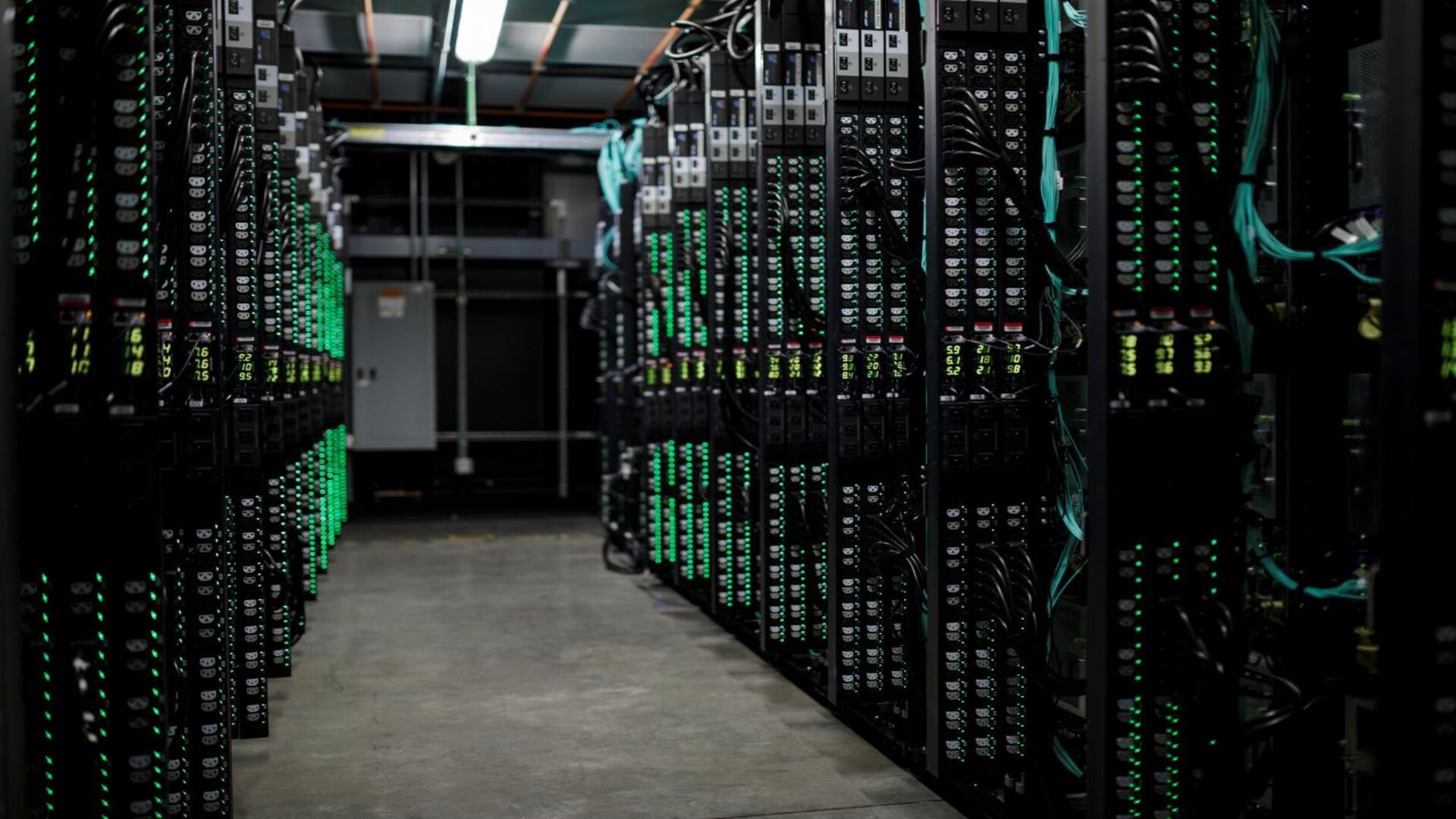
Russian President Vladimir Putin has signed a decree ordering privately operated data centers to reserve 10 percent of their computing capacity for government information systems with twenty-four hours notice. Under the new directive overseen by the Ministry of Digital Development, facility operators retain ownership and continue normal business operations while the state gains requisition authority during designated digital service demands. The regulation arrives amid heightened infrastructure strain following Ukrainian strikes against domestic cloud facilities, though the decree still permits foreign infrastructure use under strict FSB security approvals. This measure matters because it legally formalizes state control over private digital infrastructure to support government information systems during wartime conditions.
AI16. NVIDIA’s VFlash speeds robot trajectory decoding 12x, cuts prediction errors by 61%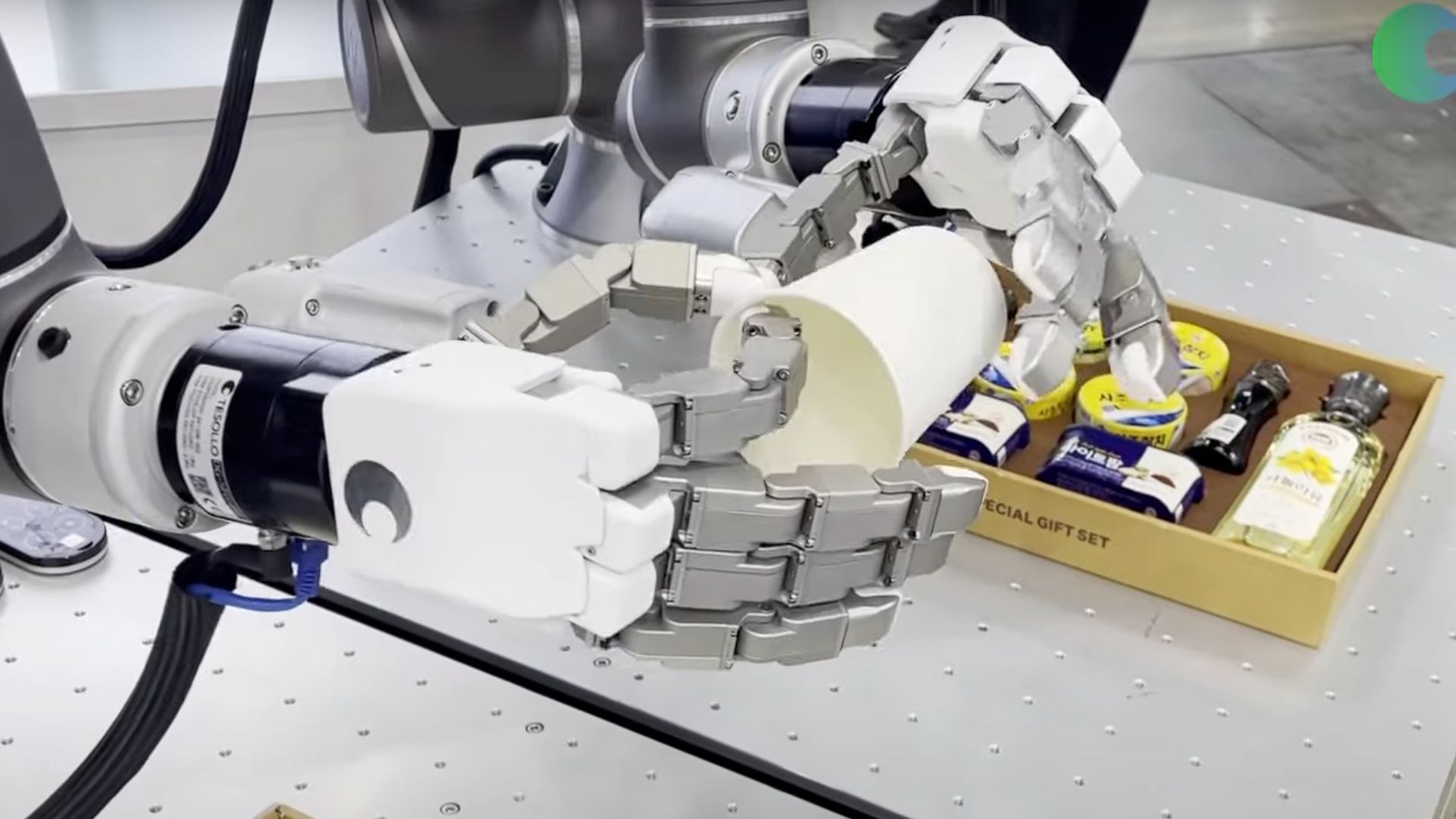
@Nvidia researchers have introduced VFlash, a visual planning method that accelerates robot trajectory decoding by up to 12 times and reduces 3D trajectory prediction errors by up to 61 percent. By utilizing a lightweight diffusion-based drafter to generate entire geometric structures and coordinates in a single forward pass rather than sequentially, the technique cuts inference latency by roughly 80 percent on platforms like Jetson Thor. When connected to robotic manipulation benchmarks and autonomous driving datasets, the approach significantly improved pick-and-place success rates and multi-frame motion forecasting. This development matters because it enables vision-language models to process spatial data fast enough for real-time physical AI applications.
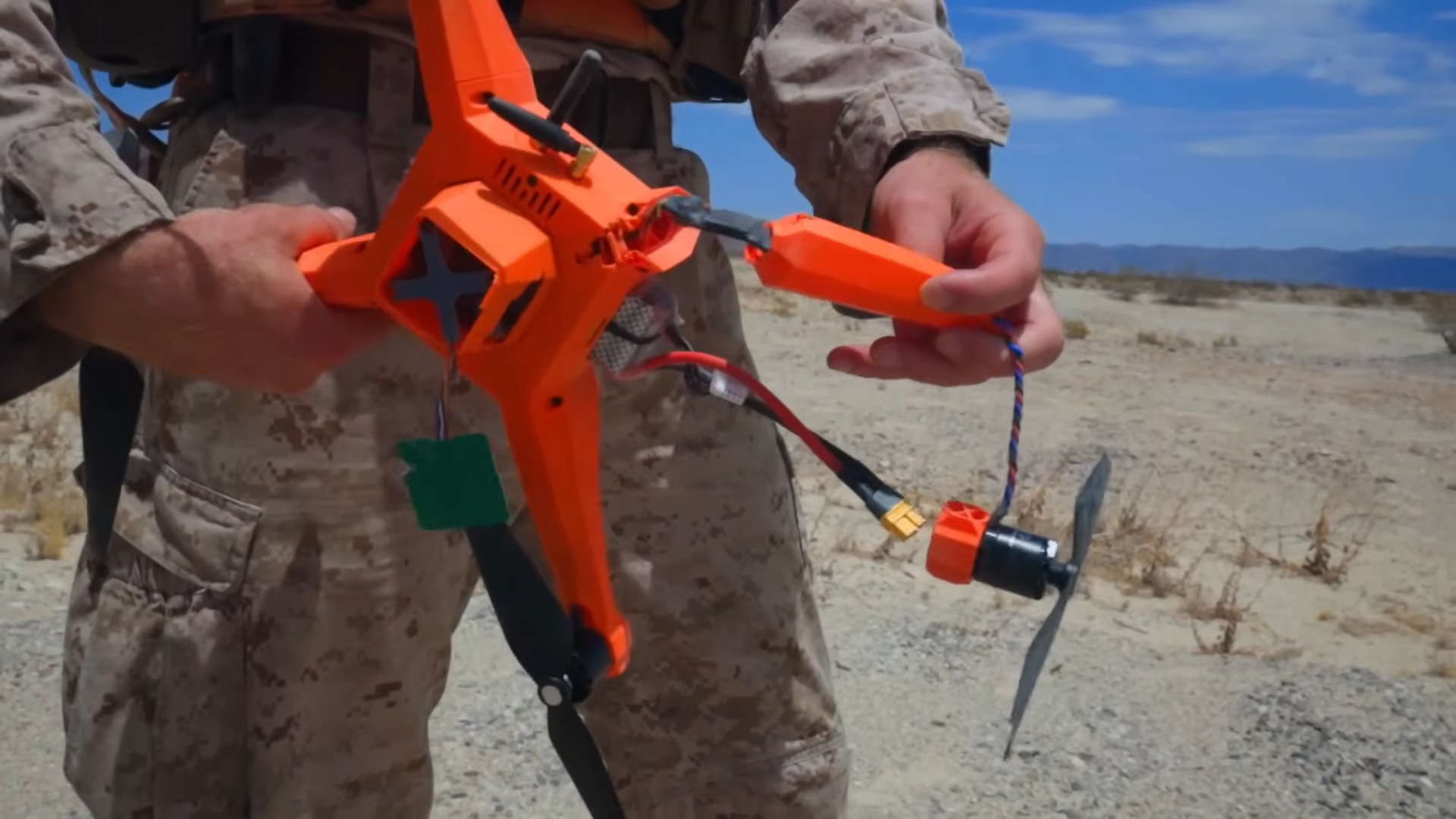
A small team of approximately four dozen US reconnaissance and intelligence Marines has deployed to the Baltic Sea to support @NATO’s Enhanced Vigilance Activity Baltic Sentry alongside Finland’s Coastal Brigade. Re-tasked from existing European training rotations, the unit will utilize small uncrewed aerial systems and littoral sensors to feed operational data into a shared maritime picture protecting critical undersea cables and pipelines. This mission follows previous deployments using RQ-20 Puma drones and builds upon defensive cooperation agreements designed to counter hybrid threats in the region. This deployment matters because it provides vital surveillance capabilities to safeguard exposed European subsea infrastructure against potential foreign interference.
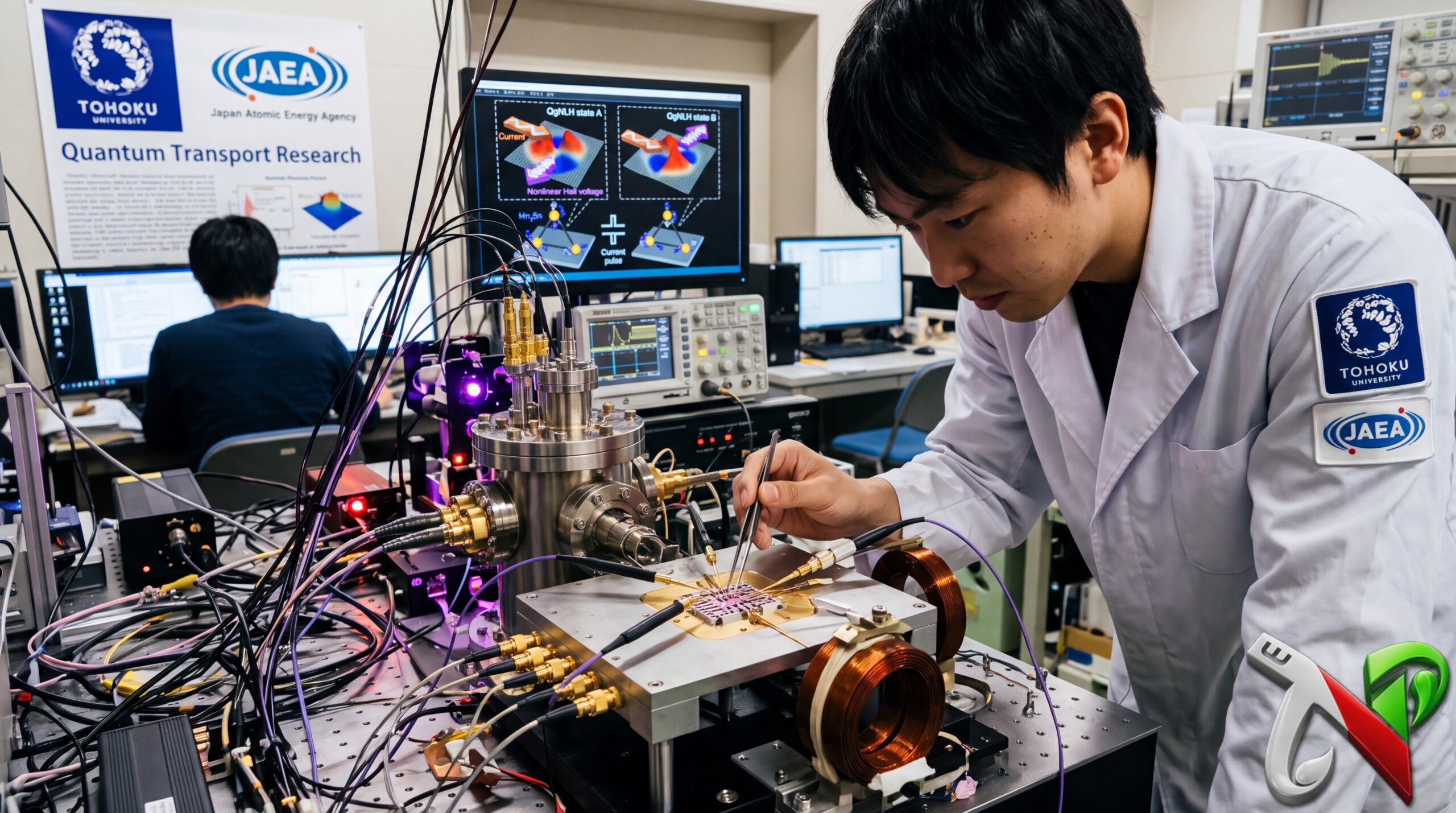
Researchers at Tohoku University and the Japan Atomic Energy Agency (JAEA) have successfully controlled a unique quantum phenomenon—the quantum-geometric nonlinear Hall (QgNLH) state—using electric current for the first time. The breakthrough was achieved by revealing and exploiting the coupling between the spin structure and the QgNLH state in an electrically switchable chiral antiferromagnet.
SCIENCE19. 3D-printed Northstar booster engine packs 715,000 pounds of thrust, 30% lighter design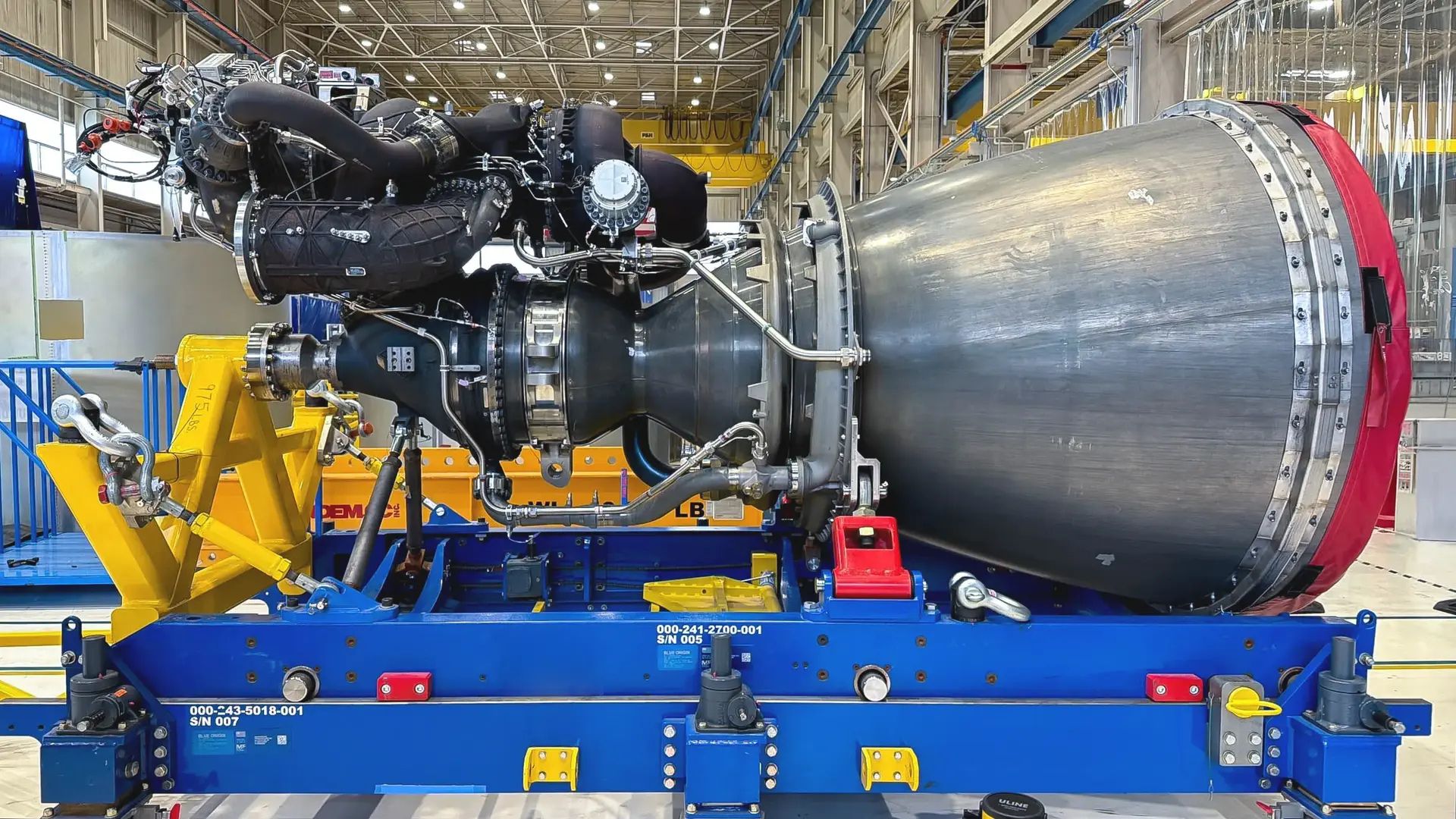
@BlueOrigin has developed a new liquid oxygen and liquefied natural gas-fueled booster engine called Northstar that produces 715,000 pounds-force of thrust while weighing 30 percent less than the company’s BE-4 engine. The propulsion system relies heavily on advanced manufacturing, with more than 65 percent of its components utilizing #AdditiveManufacturing to cut the total part count in half and enable assembly in under a day. This lighter architecture features an oxygen-rich staged combustion cycle and joins a lineup that now includes the newly introduced GS3 third stage for the @NewGlenn rocket, which supports direct insertion into geostationary orbit and trans-lunar injection. Such engineering advances matter because they expand heavy-lift capabilities and orbital flexibility for demanding commercial and government space missions.
TOP IN CHIPS20. Google to power Wyoming data center with 702 MW gas project, capture most emissions
@Google plans to develop a 702-megawatt natural gas fuel-cell project equipped with carbon capture and storage to support its upcoming data center in Wyoming as part of a $17 billion state investment. Developed in partnership with @AmericanElectricPower, @TallgrassEnergy, and @BlackHillsEnergy, the facility will utilize fuel cells manufactured in the United States by @BloomEnergy to convert natural gas into electricity while capturing the vast majority of emissions for permanent geological storage at the Eastern Wyoming Sequestration Hub. The infrastructure will also employ air cooling to minimize local water stress and includes community commitments such as property tax contributions and workforce development programs. This initiative matters because it highlights how major technology companies are attempting to secure massive quantities of reliable energy for data centers while attempting to mitigate associated carbon footprints.
SCIENCE21. Astronomers deliver the sharpest and deepest view yet of the low-frequency radio sky
Using the Low Frequency Array (LOFAR), an international team led by Leiden University has produced the sharpest and most sensitive radio image of the sky ever made at low radio frequencies. The image reveals almost 63,000 radio sources, such as active galactic nuclei and star-forming galaxies, across a patch of sky about 25 times the area of the full moon. The results have been accepted for publication in Astronomy & Astrophysics. The paper is currently available on the arXiv preprint server.
The @FederalAviationAdministration is launching an infrastructure update led by @SeanPDuffy to remove decades-old floppy disks from the national flight network. The replacement platform, known as the #EnterpriseInformationDisplaySystem, will supersede four legacy platforms from the 1980s currently operating across more than 400 facilities. The first five sites to receive the hardware are located at Atlantic City International Airport, Nashville International Airport, Greater Rochester International Airport, and data processing hubs situated in Atlanta and Salt Lake City, with a full deployment target of 435 locations by the end of 2028. This modernization aims to give personnel faster access to critical weather updates, pilot reports, and restricted airspace schedules while lowering maintenance expenses. Transitioning away from manual, disk-based workflows matters because it directly addresses critical technological vulnerabilities in the #NationalAirspaceSystem to protect the flying public.
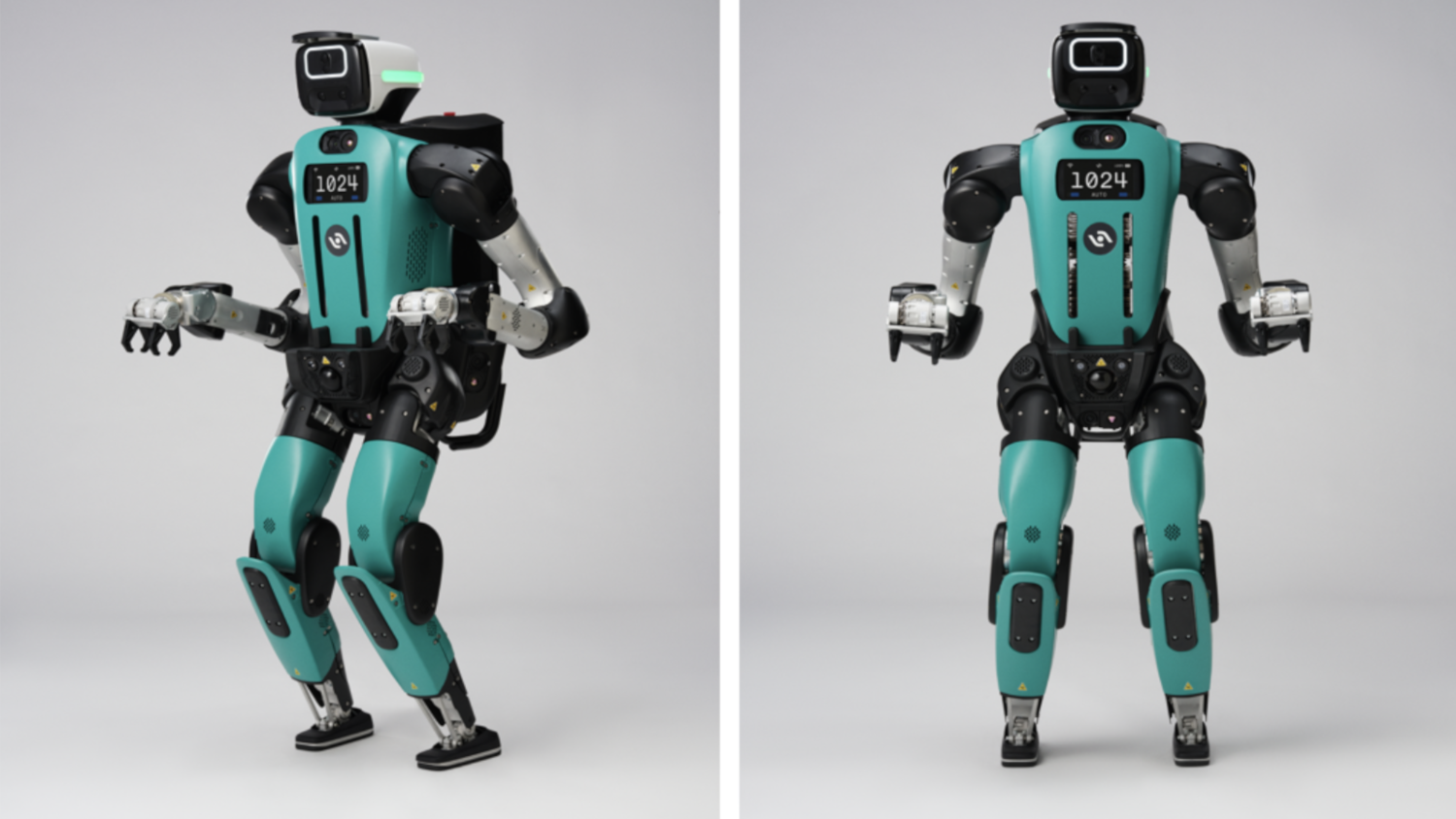
@AgilityRobotics has begun trading on Nasdaq under the ticker AGLT as the first publicly listed pure-play humanoid robotics company, reporting $1.78 million in 2025 revenue alongside a $138.1 million net loss. SEC filings revealed that roughly 64 percent of that revenue originated from related parties, including multiple robot purchases made by one of the company’s own investors. Despite holding over $300 million in committed multi-year orders for its Digit 5 robot, the firm relies on converting ongoing industrial pilots with major enterprises into paid, scaled deployments. This market debut matters because it provides public investors with a direct financial vehicle to evaluate the commercial viability of humanoid robotics in industrial workplaces.
CHIPS24. This Nvidia-Backed AI Startup Is Helping Chip Giants Save Time And Money
Taiwan’s MetAI Technology uses digital twins to help chipmakers including TSMC avoid costly construction mistakes, with AI data center builders next in its sights.
BUSINESS25. Goldman Sachs bans non-engineers from using advanced AI tools
The policy, instituted due to risk and productivity concerns, has frustrated traders who used the tools for financial modeling and other purposes, Bloomberg reported. Goldman Sachs has banned traders, bankers, and other staff from using advanced AI coding tools because of risk and productivity concerns.
POLICY26. The Midterms Sent A Warning To AI. Four Things To Watch For
A small-town data center vote, new power-cost rules and state AI laws could change your AI timeline, costs and duties. Four questions to ask before your next AI budget.
CHIPS27. Nvidia China Clients to Get 1% of $70 Billion RTX Chips Ordered
Chinese AI developers expect to receive just a small fraction of the advanced Nvidia Corp. chips they’ve ordered over the next several months, as the US company struggles to boost production to meet soaring demand.
POLICY28. The midterm elections’ blue wave could throw a wrench in SpaceX’s mobile ambitions
To launch the new division, SpaceX will have to jump through legislative hoops, and that could be more challenging with Democrats in charge. Elon Musk has made no secret of his hopes of turning SpaceX into a viable competitor to mobile companies like Verizon and AT&T. But with the Democrats’ resounding victory in the 2026 midterm elections, that plan is suddenly thrown into question.
That’s all for today’s digest for 2026/11/06! We picked and processed 28 articles. Stay tuned for tomorrow’s collection of insights and discoveries.
See you in the next one! 🚀
