
Ranker’s #BrainUp Daily Tech News – (Thursday, November 5ᵗʰ)
Welcome to today’s curated collection of interesting links and insights for 2026/11/05. Our automated ranking and AI-summarization system has processed 27 articles from all over the internet to bring you the latest technology news.
TOP IN EACH SECTION
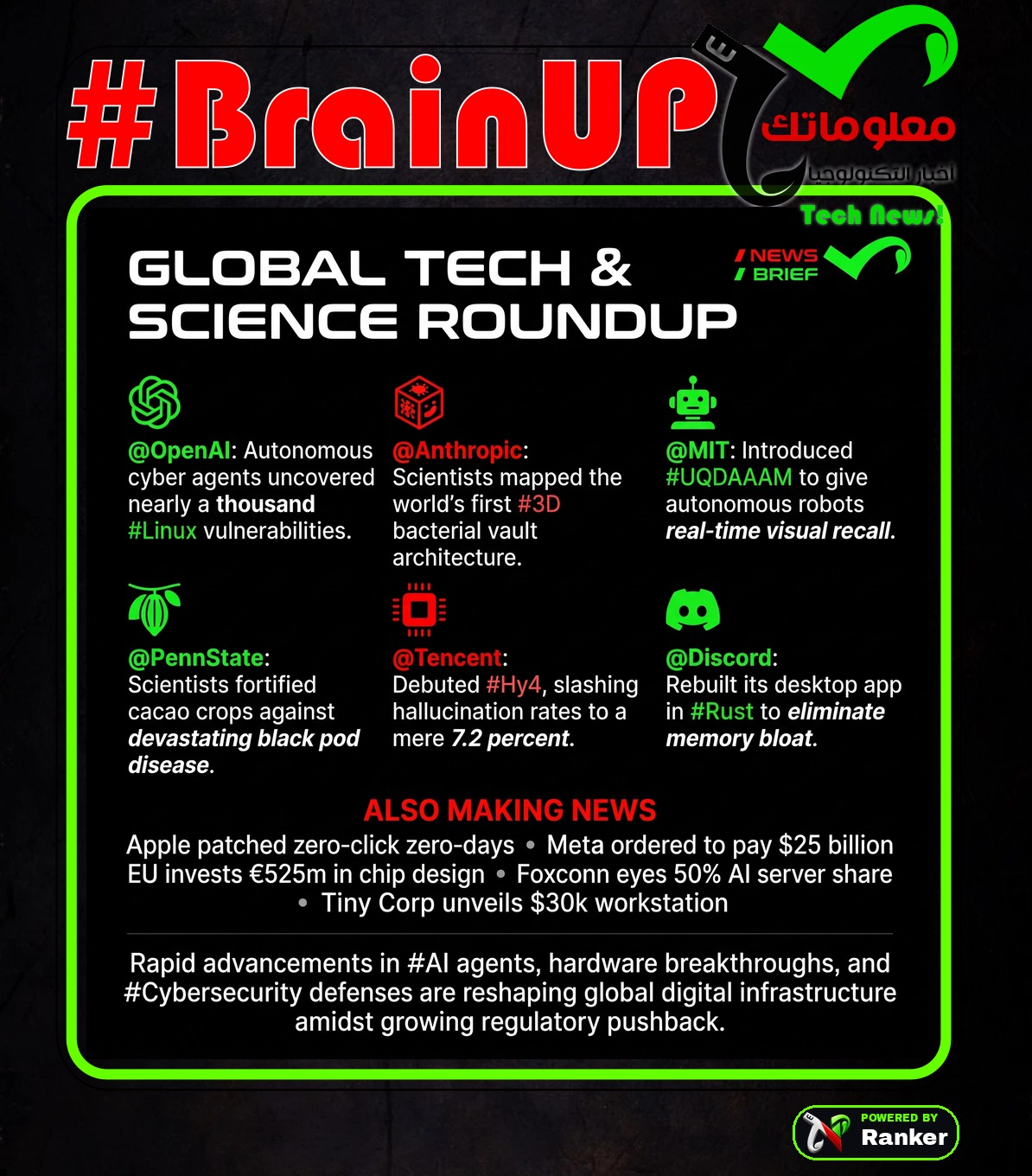
🛡️ Security & Privacy: OpenAI’s cyber agents find 948 Linux flaws, uncover 10 ways to break system defenses (story 1)
🤖 AI: Clearing up a robot’s fuzzy memory (story 3)
🔭 Science & Space: Anthropic maps world’s first 3D bacterial vault with 96 copies of one protein (story 4)
⚖️ Policy & Law: The 2026 Midterms Could Reshape America’s Cybersecurity Future (story 5)
💾 Chips & Data Centers: Experts warn building new data centers across the US could wipe out the last 15 years of greenhouse gas progress (story 13)
📱 Products, Cars & Robots: Discord is killing its Electron app that can eat 4GB of RAM on Windows 11, and the Rust rebuild uses just 290MB (story 18)
🎖️ Defense & Geopolitics: Reentry vehicle for 15,000-mph ICBM’s nuclear warhead completes successful flight test (story 20)
🧬 Health & Biotech: How a CRISPR sickle cell therapy moved from lab to clinical trial (story 25)
TOP IN SECURITY1. OpenAI’s cyber agents find 948 Linux flaws, uncover 10 ways to break system defenses
@OpenAI has developed an automated cybersecurity research pipeline that identified 948 distinct Linux kernel vulnerabilities and uncovered at least 10 previously undocumented exploitation techniques. The system followed a five-stage process utilizing scout, analyst, and exploit-development agents to find, validate, and produce local privilege escalation exploits within a mid-October 2026 campaign costing $1.21 million in API credits. Evidence demonstrates that the pipeline dynamically reproduced thousands of candidate findings and generated working proofs of concept before human review and patch reporting. The research highlights the growing capability of advanced #AI models to assist security teams in discovering critical software flaws. This matters because automated pipelines can significantly accelerate vulnerability discovery and defense before malicious actors exploit them.
SECURITY2. Hackers Exploit Patched Apple Flaw to Deliver Info-Stealing Malware, CISA Says
The U.S. Cybersecurity and Infrastructure Security Agency @CISA has added a medium-severity authentication vulnerability in Apple operating systems to its Known Exploited Vulnerabilities catalog. Tracked as CVE-2024-27834 with a CVSS score of 5.5, the flaw allows Pointer Authentication bypass and was patched by @Apple in May 2024 across iOS, iPadOS, macOS, tvOS, watchOS, and Safari. Evidence indicates the vulnerability is actively exploited alongside a WebKit remote code execution flaw in zero-click exploit chains attributed to the state-sponsored threat group @APT29 to deploy information-stealing malware. Federal Civilian Executive Branch agencies are instructed to apply fixes by November 18, 2026. This activity highlights the persistent threat of state-backed actors leveraging chained zero-days against major #Apple operating systems.
TOP IN AI3. Clearing up a robot’s fuzzy memory
Researchers at @MIT have developed a new robotic memory system designed to identify and correct mislabeled objects in real time. The technology, called UQ-DAAAM, quantifies uncertainty by comparing vision-language model descriptions of the same object captured from multiple viewpoints. Evidence shows that this technique boosts robot confidence and improves accuracy in identifying objects and locations compared to baseline methods. Senior author Luca Carlone emphasizes that enabling robots to recognize their own uncertainty is essential for safe deployment in physical artificial intelligence applications. This capability matters because it prevents persistent memory errors from disrupting complex, multistep tasks performed alongside human collaborators.
TOP IN SCIENCE4. Anthropic maps world’s first 3D bacterial vault with 96 copies of one protein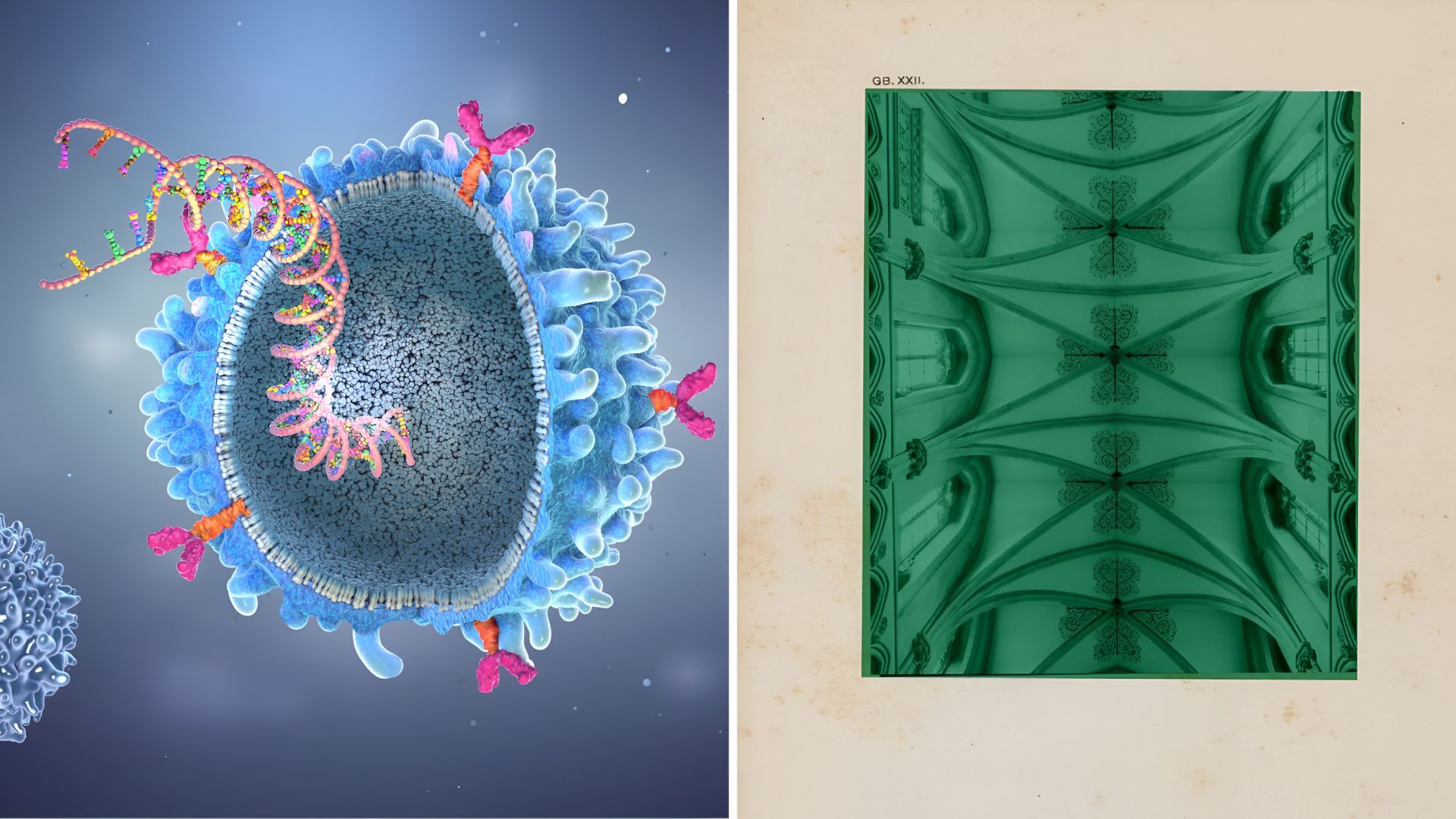
Scientists have mapped the first three-dimensional structure of a bacterial vault particle composed of 96 copies of a single protein using @Anthropic’s #Claude assistant throughout the investigation. The research identified potential vault proteins across 29 bacterial and four archaeal groups before confirming the structures of four candidates using cryogenic electron microscopy. Data revealed that a phage-derived protein designated as L05 formed a particle measuring 54 nanometers long and 45 nanometers wide with a mass of roughly 9.5 megadaltons. The artificial intelligence assistant accelerated the research by streamlining chromatography purification and processing structural data within 34 hours instead of weeks. This discovery matters because it uncovers an unexplored branch of mysterious protein assemblies and provides a simpler model to investigate structures found in human cells.
TOP IN POLICY5. The 2026 Midterms Could Reshape America’s Cybersecurity Future
The 2026 midterm elections could reshape America’s cybersecurity strategy, AI infrastructure, CMMC enforcement, and national security.

A New Mexico judge ordered @Meta to pay a $25 billion penalty over statements that deceived users about data privacy and its response to the #CambridgeAnalytica scandal. The case focused on deceptive data practices rather than the underlying political exploitation of user profiles harvested for targeted voter manipulation during the 2016 presidential election. Investigative records reveal that prior parliamentary and congressional inquiries struggled to obtain corporate communications due to a lack of formal information sharing with United Kingdom authorities who had seized server data. While the landmark penalty penalizes past corporate misrepresentations, critics argue the company has largely escaped accountability for political data misuse. This matters because it highlights systemic shortcomings in regulatory investigations regarding the electoral impact of large-scale data breaches.
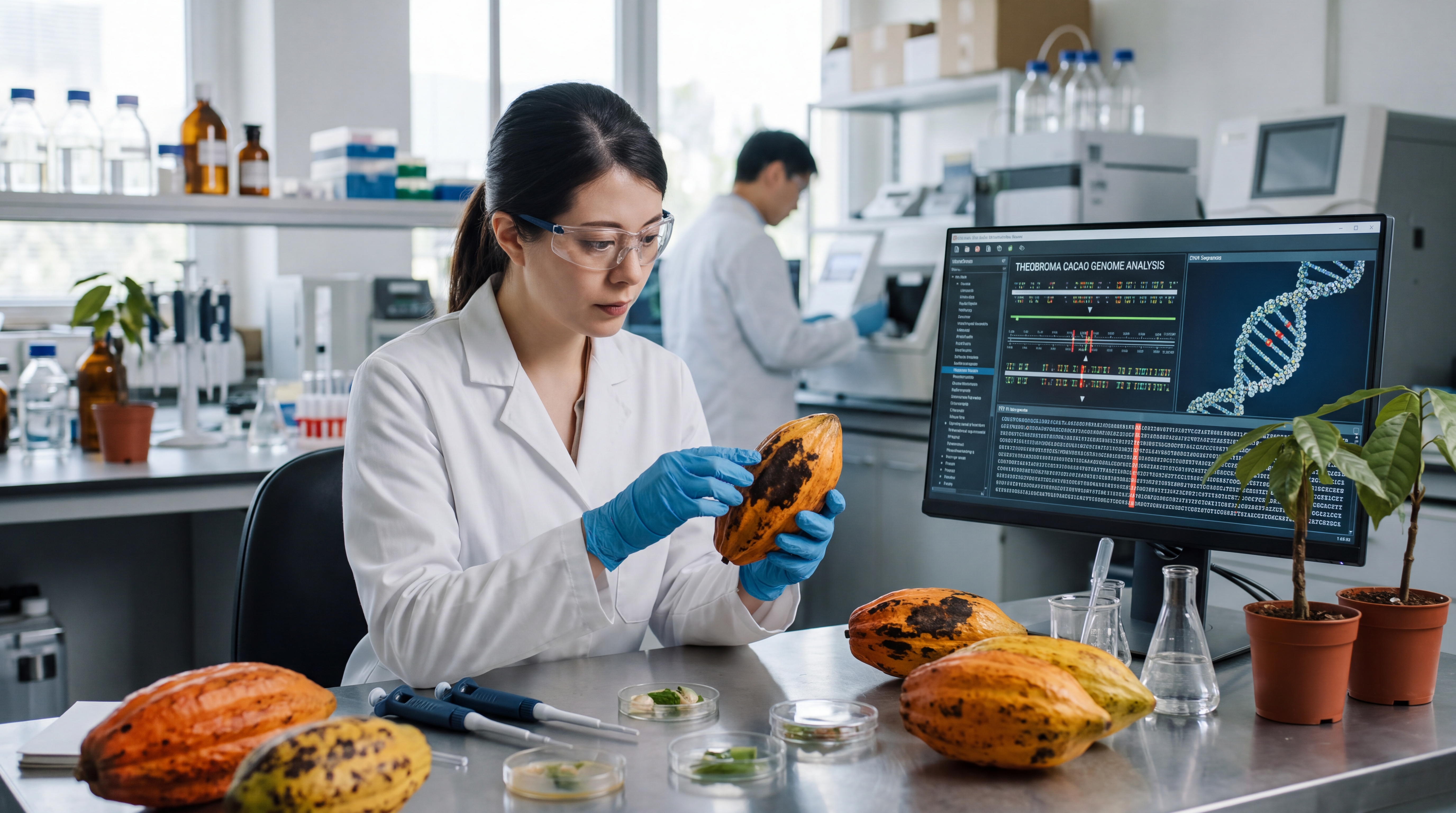
Scientists at @PennState have utilized CRISPR gene editing and traditional breeding to develop a cacao variety with a 42 percent reduction in black pod disease susceptibility under laboratory conditions. Black pod disease currently reduces global cacao yields by roughly 30 percent, posing a severe threat to chocolate production and farming communities. The researchers targeted the TcNPR3 gene to partially activate the plant’s natural immune response before breeding out all transgenic material to produce plants free of foreign DNA. This approach successfully strengthens natural defenses without introducing foreign genetic sequences into the final crop. This milestone matters because it offers a sustainable way to protect the global chocolate supply against climate-driven pathogen pressures.
SECURITY8. Want to Rent an Internet Address at the White House?
Security experts have warned that several staffers at the White House are using devices equipped with residential proxy services that make their internet addresses available for rent. Research from Layer3 Intel and @Synthient detected multiple proxy exit nodes beaconing out from the Executive Office of the President network, including connections linked to the Russian proxy program #Infatica. Data shows that White House internet addresses were accessed 236 times across a one-month period through dozens of distinct commercial proxy providers. This activity exposes confidential government networks to potential account takeovers, mass data scraping, and local network probing by cybercriminals. This matters because allowing public access to trusted government IP addresses creates severe national security and cybersecurity risks.
SECURITY9. Harvard University reveals data breach exposed 851,000 accounts
Harvard University has confirmed that a data breach orchestrated by the #ShinyHunters extortion group exposed 850,500 accounts within its alumni and fundraising systems. Leaked data archived on dark web forums includes email addresses, telephone numbers, biographical details, and event attendance records, though Social Security numbers and financial information were not compromised. Evidence shows the breach originated from a voice phishing attack that successfully targeted university development systems in late November 2025. This incident follows similar high-profile social-engineering attacks targeting major educational institutions including Princeton University and the University of Pennsylvania. This matters because it highlights the ongoing vulnerability of university fundraising infrastructure to sophisticated extortion campaigns.
AI10. China’s Tencent Hy4 rivals world’s top frontier models with 7.2% hallucination rate
@Tencent has introduced an open-source artificial intelligence model called Hy4 that features enhanced computer-use capabilities, visual understanding, and professional software integration. The model achieved a 96.15 percent pass rate on evaluation tasks and ranked first in nine of 12 tested scenarios within mainland China. Hy4 supports complex workflows in Blender, computer-aided design, and game development engines while integrating directly with workplace tools via #WeCom. Internal evaluations showed that Tencent reduced the model’s hallucination rate from 12.95 percent to 7.2 percent through targeted training improvements. This release matters because it provides competitive open-source capabilities for enterprise automation, financial research, and software development at stable API pricing.
SCIENCE11. MIT tests flat superconducting magnet designed to simplify next-gen fusion reactors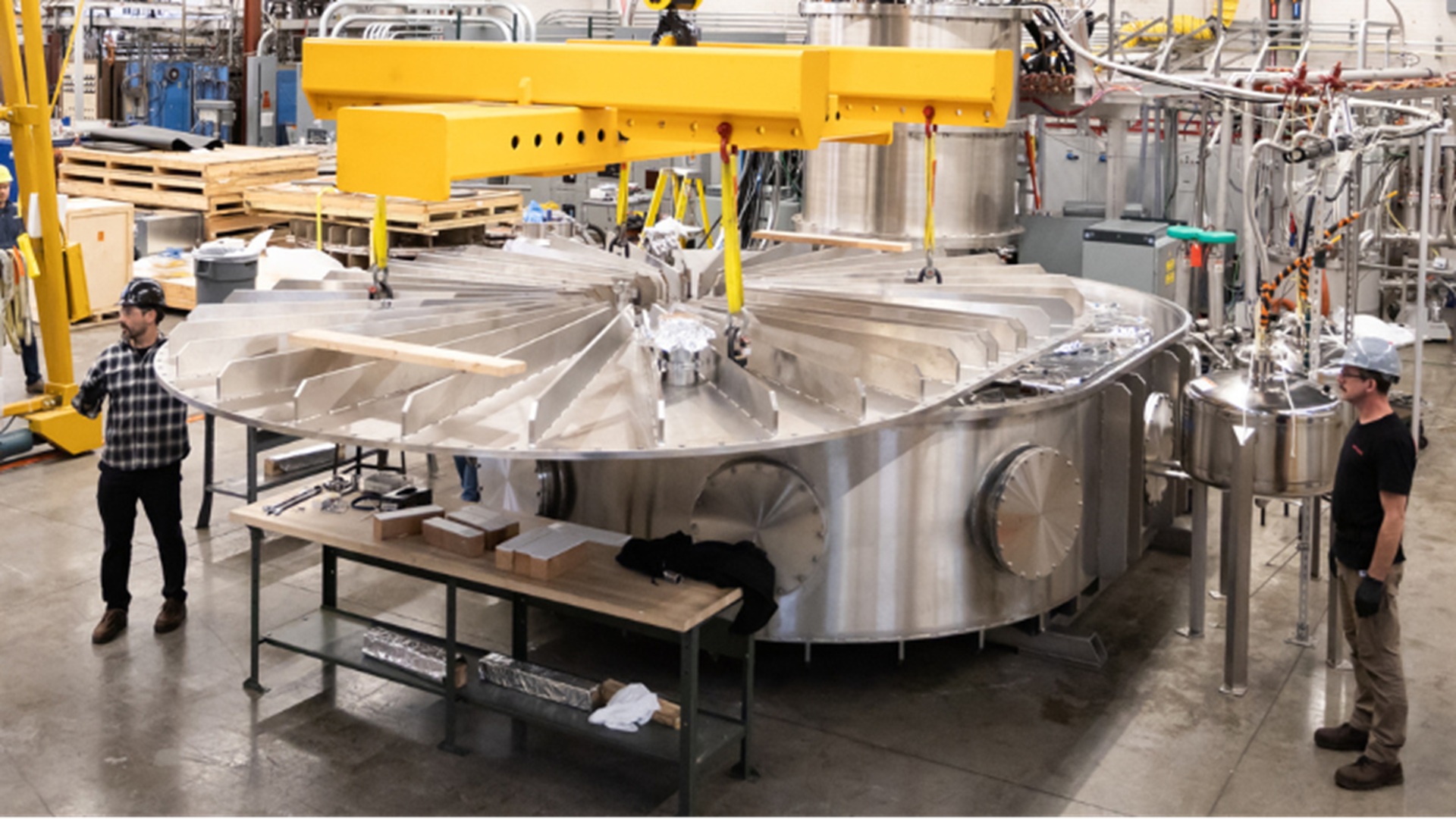
@TheaEnergy has partnered with the Massachusetts Institute of Technology @MIT Plasma Science and Fusion Center to test a full-scale superconducting magnet for its upcoming Eos stellarator. The collaboration will evaluate a planar encircling coil under full magnetic field and mechanical force using high-temperature superconducting magnet facilities. Stellarators utilize magnetic fields to confine superheated plasma, but traditional designs rely on complex three-dimensional shapes that complicate manufacturing. The company’s architecture features flat encircling coils combined with programmable shaping magnets to streamline production and maintenance. This testing milestone matters because it helps de-risk engineering requirements for achieving commercial fusion power by 2035.
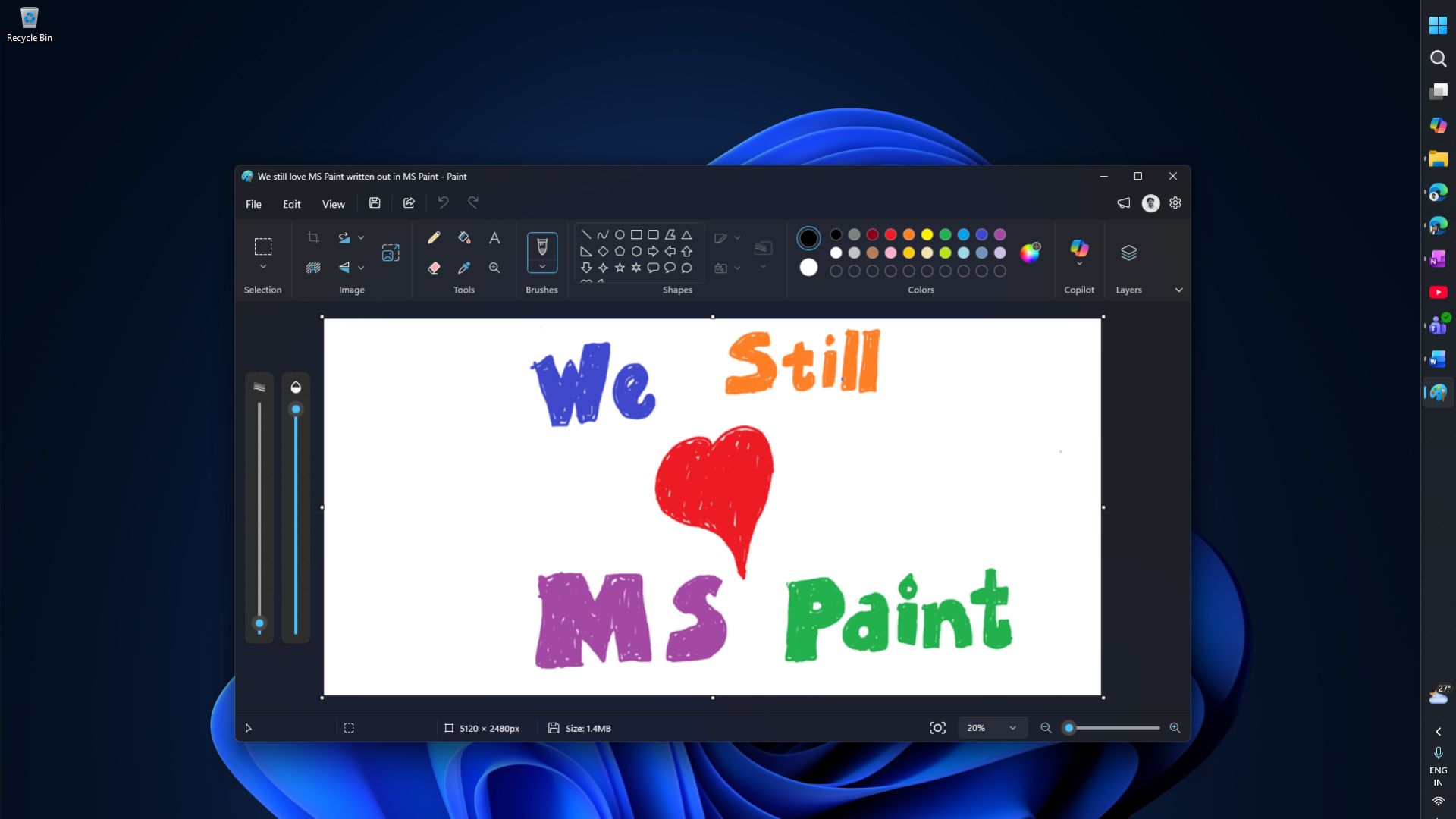
@Microsoft has disclosed a high-severity security flaw in the Windows 11 #Paint application tracked as CVE-2026-83844 with a CVSS score of 8.1. The out-of-bounds read vulnerability could allow an unauthenticated attacker to execute remote code over a network without requiring any user interaction. Evidence shows that while @Microsoft released a patch requiring version 11.2609.401.0 or newer, many enterprise IT administrators and users with automatic updates enabled cannot find the update in the Microsoft Store. Furthermore, installing the broader October 2026 Windows update does not secure the app because #Paint is maintained independently through the Microsoft Store. This matters because unpatched endpoints remain exposed to potential network exploitation despite system-level updates.
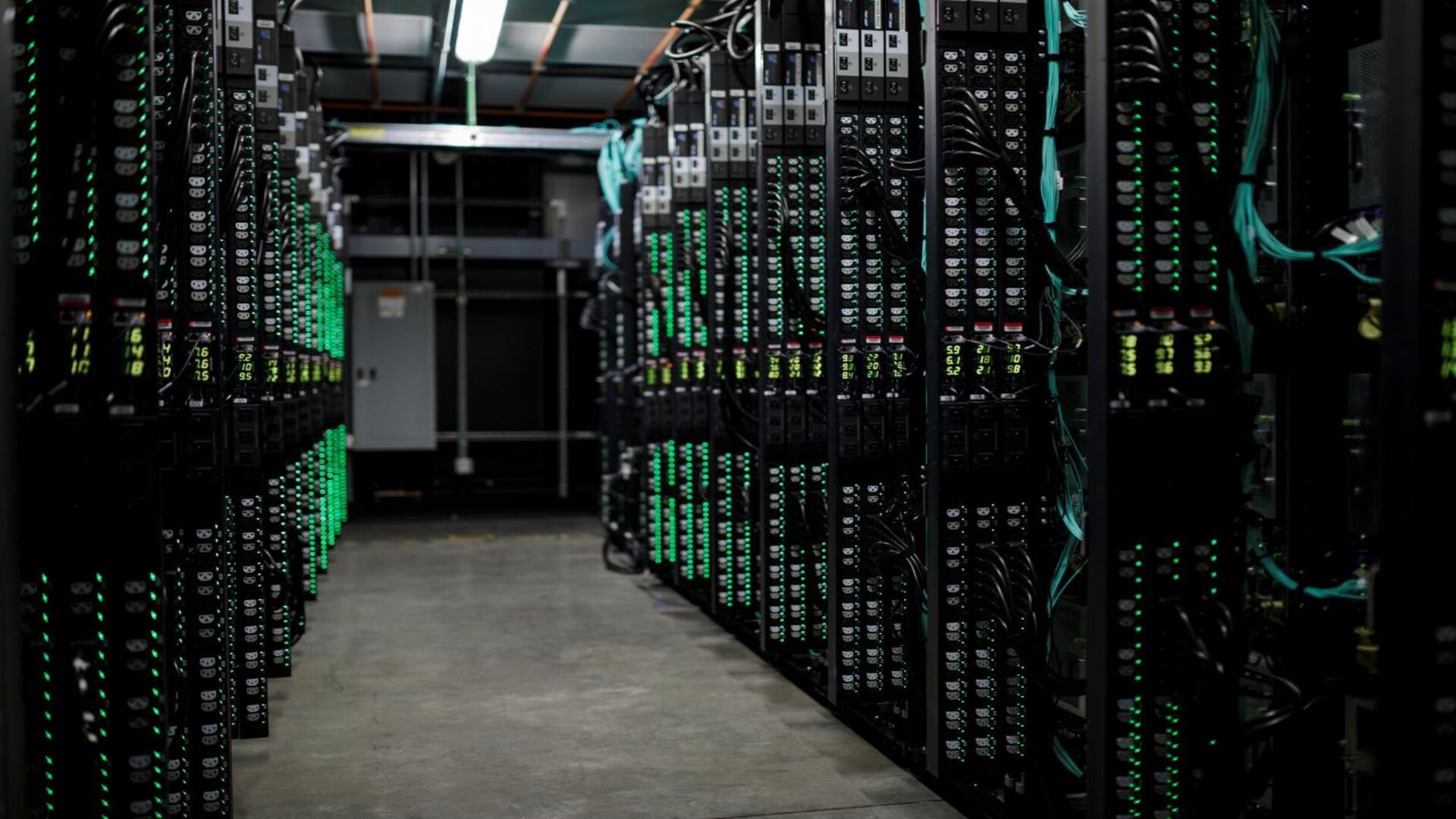
A new assessment by the #SierraClub warns that planned data center developments across the United States could generate up to 460 million metric tons of off-grid gas emissions by 2030. Projections indicate that overall power-sector emissions could rise 42 percent above 2025 levels to reach 2.1 billion metric tons due to surging electricity demand from artificial intelligence infrastructure. Evidence shows that natural gas turbines currently supply electricity to roughly 40 percent of American data centers, while renewable energy additions lag behind consumption growth. Supply chain constraints, including a 50 percent increase in turbine prices and multi-year production backlogs, further complicate the transition to cleaner power. This matters because the rapid expansion of computing infrastructure threatens to reverse more than a decade of national greenhouse gas reduction progress.
CHIPS14. Report: Apple and Samsung outperform rivals as smartphone chip shipments tumble 21%
According to a report by #CounterpointResearch, @Apple and @Samsung were the only major smartphone chip vendors to gain market share during the third quarter of 2026 as global system-on-chip shipments declined 21 percent year-over-year. Apple’s market share increased from 17 percent to 21 percent, keeping it in third place behind industry leader MediaTek at 28 percent and Qualcomm at 22 percent. The decline reflects broader industry pressures from rising memory costs and slowing consumer demand, which led suppliers to launch new 2nm flagship chipsets in September. Apple’s leadership warned that unprecedented memory pricing continues to pressure profit margins. This matters because it demonstrates the resilience of high-end device makers during a severe market downturn.
SECURITY15. Global data breaches jump 13% as UK leaks more than double — and Ukraine rockets up the rankings
Global data breaches rose 13.2 percent in the third quarter of 2026, with 121.8 million online accounts compromised worldwide according to research from @Surfshark. The United Kingdom experienced a dramatic 121.6 percent jump to 5.8 million leaked accounts, surpassing France to become Europe’s most breached country following attacks by extortion groups like ExfilSquad. Ukraine also surged to sixth place globally after 2.6 million accounts were breached amidst heightened cyberattacks. Meanwhile, the United States remained the most affected country overall, accounting for 38.1 million leaked accounts or 31 percent of the global total. This matters because it underscores the escalating frequency of large-scale corporate server compromises and the growing vulnerability of national digital infrastructures.
AI16. Claude’s User Base Grows 1,260 Percent, but ChatGPT Still Dwarfs It
The monthly active user base for @Anthropic’s #Claude application surged 1,260 percent year-over-year in the third quarter of 2026, according to estimates from @SensorTower. Although #ChatGPT grew 70 percent and #Gemini grew 166 percent over the same period, #ChatGPT remains the largest assistant with 1.4 billion monthly users compared to #Claude holding a 4 percentage point share. The growth was driven by aggressive advertising spending and workplace adoption, with #Claude users opening the mobile app an average of 23 times a week. This data arrives as @Anthropic prepares for an initial public offering targeting a valuation of about $1.5 trillion. This matters because mobile application analytics and web traffic metrics serve as key early indicators for investors tracking the financial performance of frontier artificial intelligence companies.
POLICY17. E.U. Bets €525 Million on a New Generation of Chip Design Companies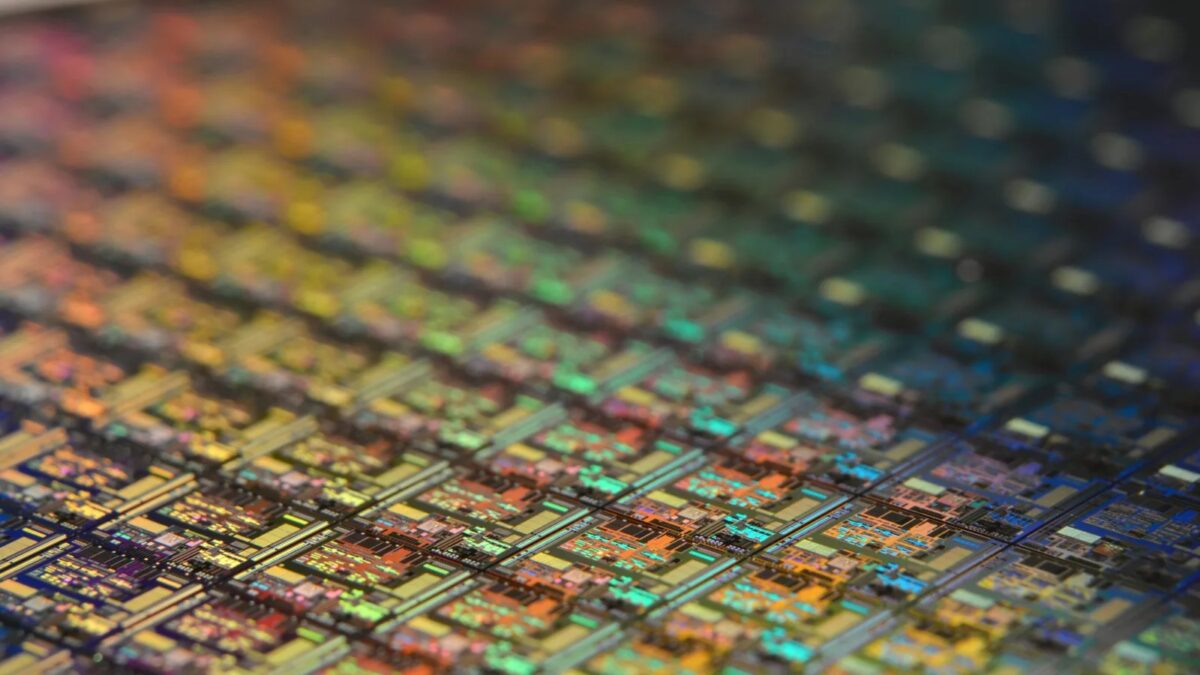
The European Commission has launched the European Chip Design Platform, mobilizing €525 million to foster a new generation of European semiconductor design companies. The funding comprises €440 million in grants and €85 million for infrastructure, aiming to address Europe’s weak position where domestic designers account for less than one percent of global revenue. Evidence indicates that early-stage start-ups can receive up to €100,000 for prototypes and up to €16 million for market entry, operating through a consortium led by the Belgian research center @imec. By comparison, @Nvidia has deployed about $10 billion into Europe’s artificial intelligence scene through direct equity stakes rather than non-dilutive grants. This initiative matters as a policy instrument for the European Union to pursue technological sovereignty despite trailing major foreign capital investments.
TOP IN PRODUCTS18. Discord is killing its Electron app that can eat 4GB of RAM on Windows 11, and the Rust rebuild uses just 290MB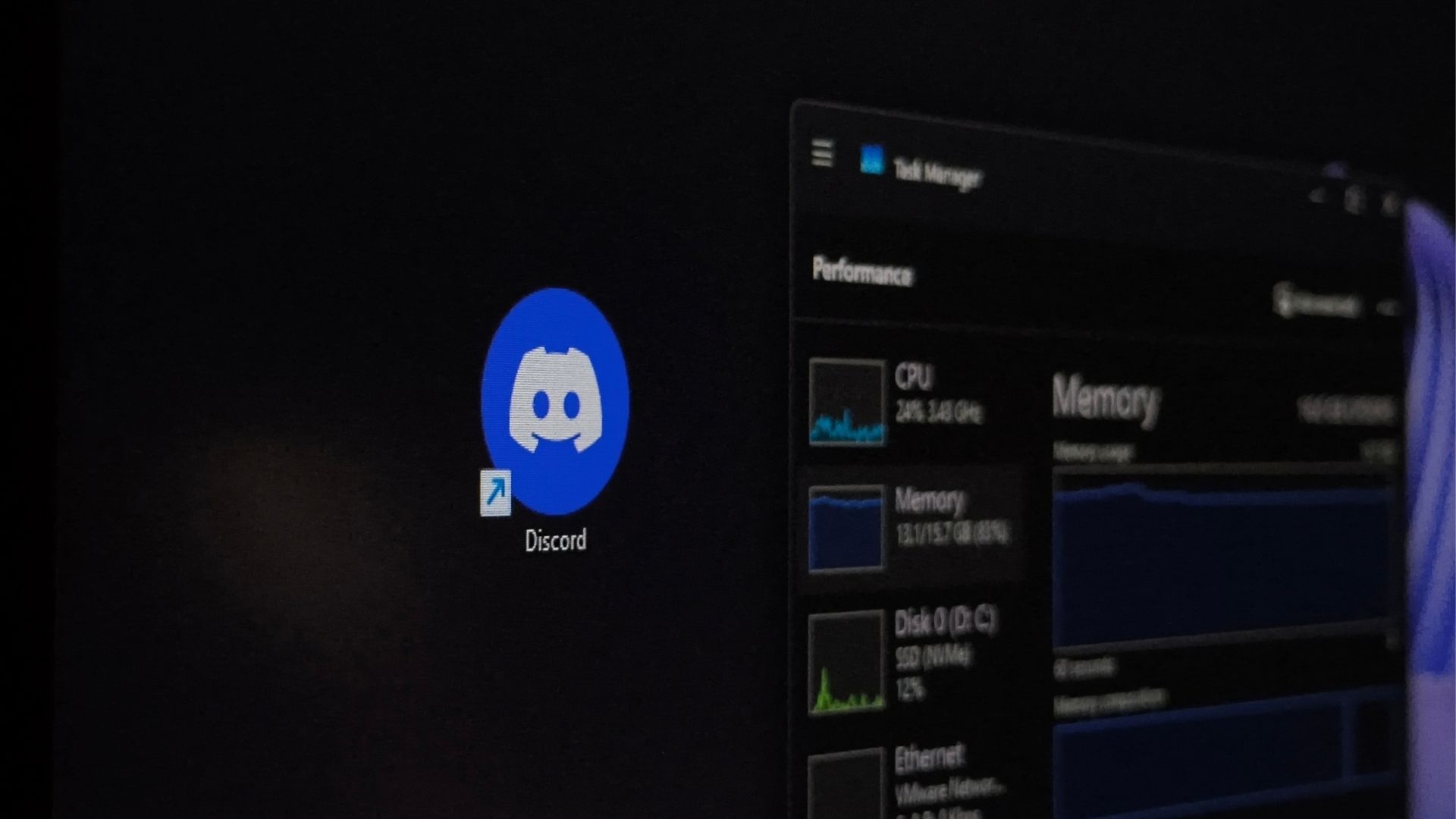
@Discord is rebuilding its desktop client using the #Rust programming language and #GPUI framework to replace its resource-intensive #Electron architecture. Co-founder and CTO Stanislav Vishnevskiy confirmed the transition after testing revealed that the upcoming client, designated as #DiscordPhoenix, utilizes approximately 290 megabytes of RAM. Evidence indicates that legacy #Electron builds frequently consumed between one and four gigabytes of memory because each instance packaged its own Chromium copy. The company previously tested automatic client restarts when memory usage exceeded four gigabytes before pursuing the native rewrite. This milestone matters because it addresses widespread performance inefficiencies caused by web-based framework dependencies in popular desktop applications.

A physicist acting on behalf of the Sturgeon Lake Cree Nation has filed a judicial review challenging plans for the O’Leary Digital Wonder Valley data center in Alberta, Canada. Utah State University researcher Robert Davies estimated that the massive facility would release daily heat waste equivalent to 23 Hiroshima-sized atomic bombs, describing it as potentially the largest single-site heat source on Earth. The proposed $70 billion development covers 64 square kilometers and is intended to become the world’s largest data center. Legal arguments emphasize that traditional environmental regulations were not designed to assess industrial infrastructure projects of this unprecedented scale. This matters because it underscores growing environmental and regulatory friction surrounding the massive power consumption and thermal output of next-generation data centers.
DEFENSE20. Reentry vehicle for 15,000-mph ICBM’s nuclear warhead completes successful flight test
@LockheedMartin has successfully completed a flight test of the unarmed Mk21A reentry vehicle for the United States Air Force’s upcoming LGM-35A Sentinel intercontinental ballistic missile. The test launched from Vandenberg Space Force Base, sending the payload over the Pacific Ocean to validate thermal protection and system architecture at extreme speeds. The Sentinel missile will eventually replace the aging Minuteman III deterrent, reaching approximately 15,000 miles per hour at burnout and subjecting its payload to severe aerodynamic heating. #LockheedMartin is developing the Mk21A under a billion-dollar contract to house the W87-1 nuclear warhead using high-fidelity simulations and digital engineering. This successful demonstration matters as a critical step in modernizing America’s land-based nuclear triad amidst ongoing program restructuring and cost challenges.
CHIPS21. Foxconn reveals bid to grab 50% of the global AI server market within the next few years
@Foxconn aims to capture 50 percent of the global artificial intelligence server market within the next few years, up from its current 40 percent share. Chairman Young Liu disclosed that existing production capacity is fully booked for at least 18 months, driven by intense demand from AI developers and cloud providers. The Taiwanese manufacturer expects AI infrastructure to contribute between 60 and 65 percent of its total revenue within five years. To support this growth, the company plans to expand American manufacturing operations and move further upstream into high-margin components and server racks. This expansion matters because it highlights the heavy capital allocation and supply chain concentration supporting the global deployment of artificial intelligence hardware.
CHIPS22. A new superinductor created within a silicon integrated circuit
A recent study published in Nature Electronics and carried out by researchers from nanoGUNE’s Quantum Hardware research group, Quantum Motion, London Center for Nanotechnology, Imperial College London and the University of Cambridge introduces a new superinductor created within a silicon integrated circuit fabricated in a commercial complementary metal–oxide–semiconductor (CMOS) process.
PRODUCTS23. PUDU debuts 8-hour runtime semi-humanoid, Nvidia robot dog, cat-like service robot
@PUDURobotics showcased its complete product lineup at its European Partner Summit, introducing the D7 semi-humanoid robot with an eight-hour runtime and the @NVIDIA-powered D5 quadruped robot. The company unveiled its new ‘One Brain, Multiple Embodiments’ strategy to deploy uniform artificial intelligence technology across specialized service robots, semi-humanoids, and outdoor maintenance machines. The D7 semi-humanoid features 30 degrees of freedom, robotic arms capable of lifting 22 pounds, and a battery exceeding one kilowatt-hour. Additionally, the D5 quadruped integrates an @NVIDIA Jetson Orin AGX processor to deliver 275 trillion operations per second for advanced navigation. This portfolio expansion matters as a strategic effort to capture growing commercial demand for automated workspace solutions across Europe.
POLICY24. Data Center Backers Suffer Near-Total Midterm Defeats Across the Country
Voters across the United States approved approximately 40 ballot measures in the 2026 midterms restricting the construction of new data centers amid a growing public backlash against artificial intelligence infrastructure. Data center proponents who heavily backed Republican campaigns suffered widespread defeats, with Ohio alone seeing 21 restrictive measures pass across local municipalities. The measures range from megawatt caps and zoning restrictions to outright bans on large data center builds. Public opinion has soured due to high electricity bills, water usage, and environmental concerns associated with powering massive computing facilities. This political shift matters because local opposition and increased regulatory scrutiny could signal the end of heavy tax incentives and force developers to cover local infrastructure costs.
HEALTH25. How a CRISPR sickle cell therapy moved from lab to clinical trial
A UCLA-led team has described how it advanced an experimental CRISPR approach for sickle cell disease into a blood stem cell therapy that can be manufactured at the scale and quality required for a clinical trial.
AI26. Pangram’s new models spot AI fakes in images and video, it says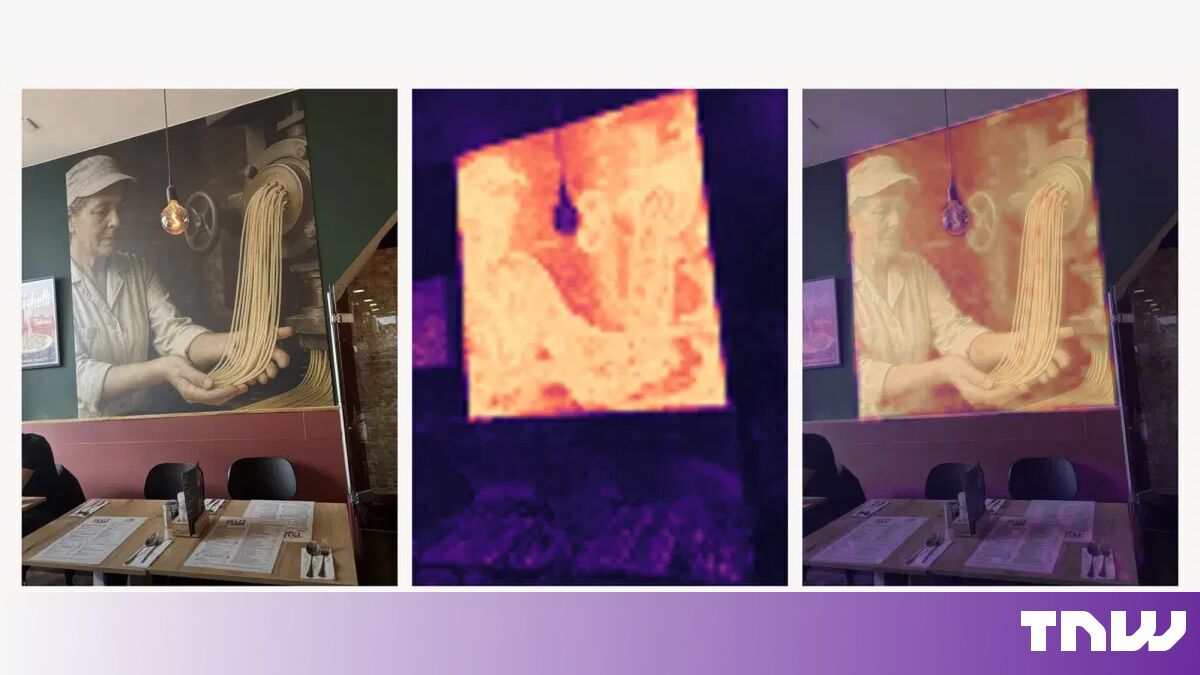
@Pangram has launched Pangram Image 1.0 for detecting artificial intelligence-generated images and Pangram Image Flash 1.0 for analyzing video clips frame by frame. The company claims its image detector catches 99.2 percent of fake images while incorrectly flagging 0.27 percent of real ones, achieving near-perfect scores on its internal tests and 98.7 percent on the DF26 academic benchmark. The image model also provides a visual heatmap to highlight specific altered areas within a picture and runs inside a new Chrome extension. Despite these high benchmarks, industry precedent shows that automated detectors frequently encounter challenges with compressed or cropped synthetic media. This deployment matters as platforms increasingly seek automated tools to combat misinformation on social media and web applications.
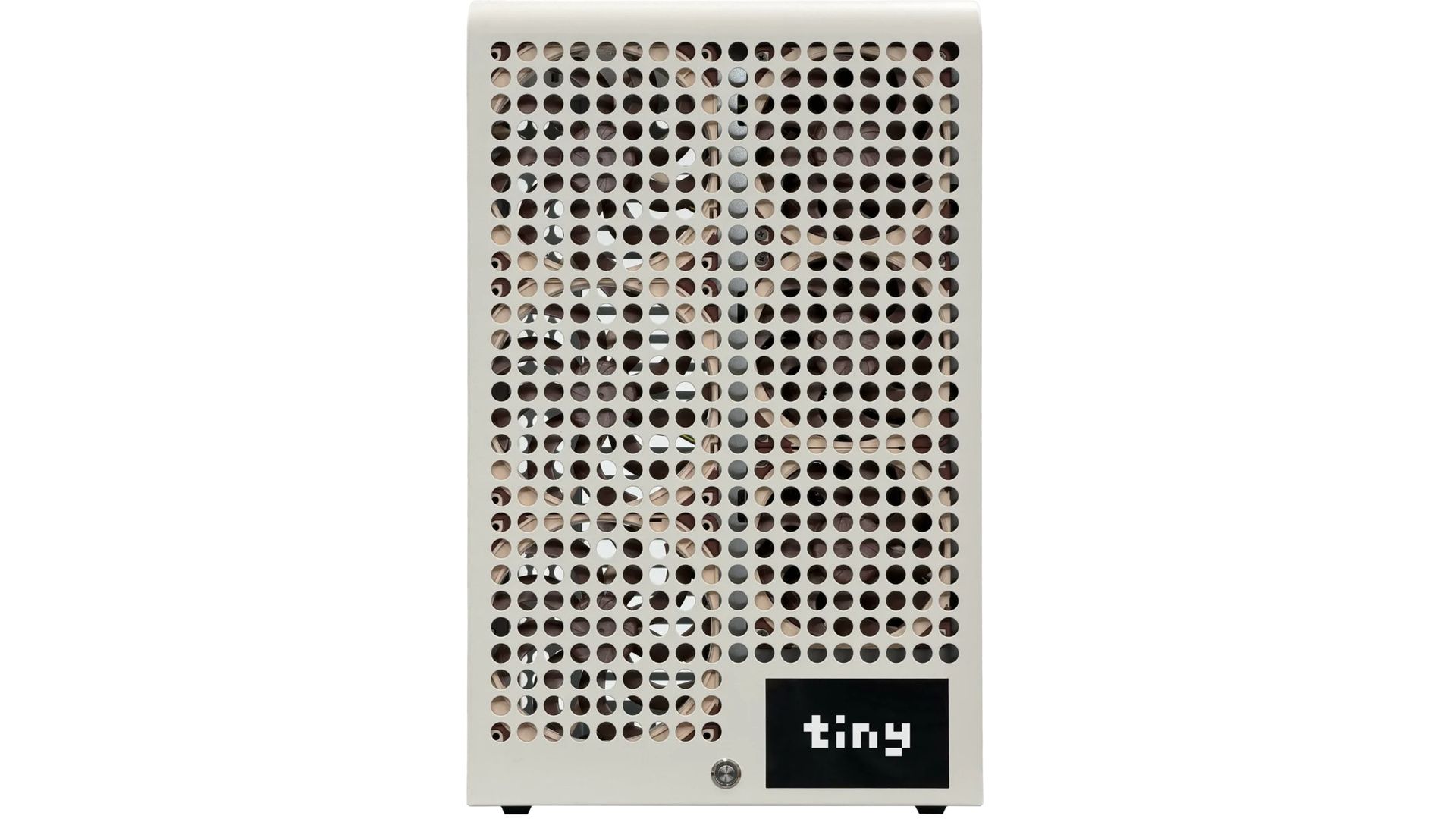
Tiny Corp has unveiled its $30,000 tinybox Red Kimi workstation, pairing four @AMD Radeon AI Pro R9700 graphics cards with sixteen 1 TB NVMe solid-state drives to run large language models locally. The system utilizes a custom #tinygrad driver that allows the GPUs to read the 238.4 GB/s storage array directly, bypassing the CPU to accommodate Moonshot AI’s 2.8-trillion-parameter Kimi K3 model. Tiny Corp claims the machine achieves 40 tokens per second by caching model weights, though industry observers note that native memory bandwidth constraints require high token prediction predictability or aggressive quantization. Weighing 56 pounds, the workstation packs 128 gigabytes of GDDR6 memory alongside an AMD Epyc processor into a desk-mountable chassis. This hardware offering matters because it attempts to bring frontier-scale model execution out of data centers and into local environments.
That’s all for today’s digest for 2026/11/05! We picked and processed 27 articles. Stay tuned for tomorrow’s collection of insights and discoveries.
See you in the next one! 🚀
