

High-Dose Flu Shots and Alzheimer’s: What a New Neurology Study Does and Doesn’t Show
Key points
- Researchers at UTHealth Houston analyzed health data from nearly 165,000 adults aged 65 and older and found that high-dose flu vaccine recipients had up to 22% lower Alzheimer's risk over two years than standard-dose recipients 2.
- Combined with earlier findings on people who had no flu shot at all, UTHealth Houston puts the overall difference at nearly 55% lower risk 2.
- The link is observational and fades after about two years, so it cannot prove cause and effect, and an outside epidemiologist warned healthier people may simply be the ones getting the stronger shot 2.
- The CDC recommends a high-dose vaccine with four times the influenza antigen for people over 65, yet the senior author said he was stunned to learn that option existed 2.
The Headline Finding
Vaccines against shingles, RSV, pneumococcal disease, tetanus and diphtheria have all been tied to lower dementia risk, and the annual flu shot belongs to that group. A new study in Neurology asks a sharper question: does the dose matter? 1 2
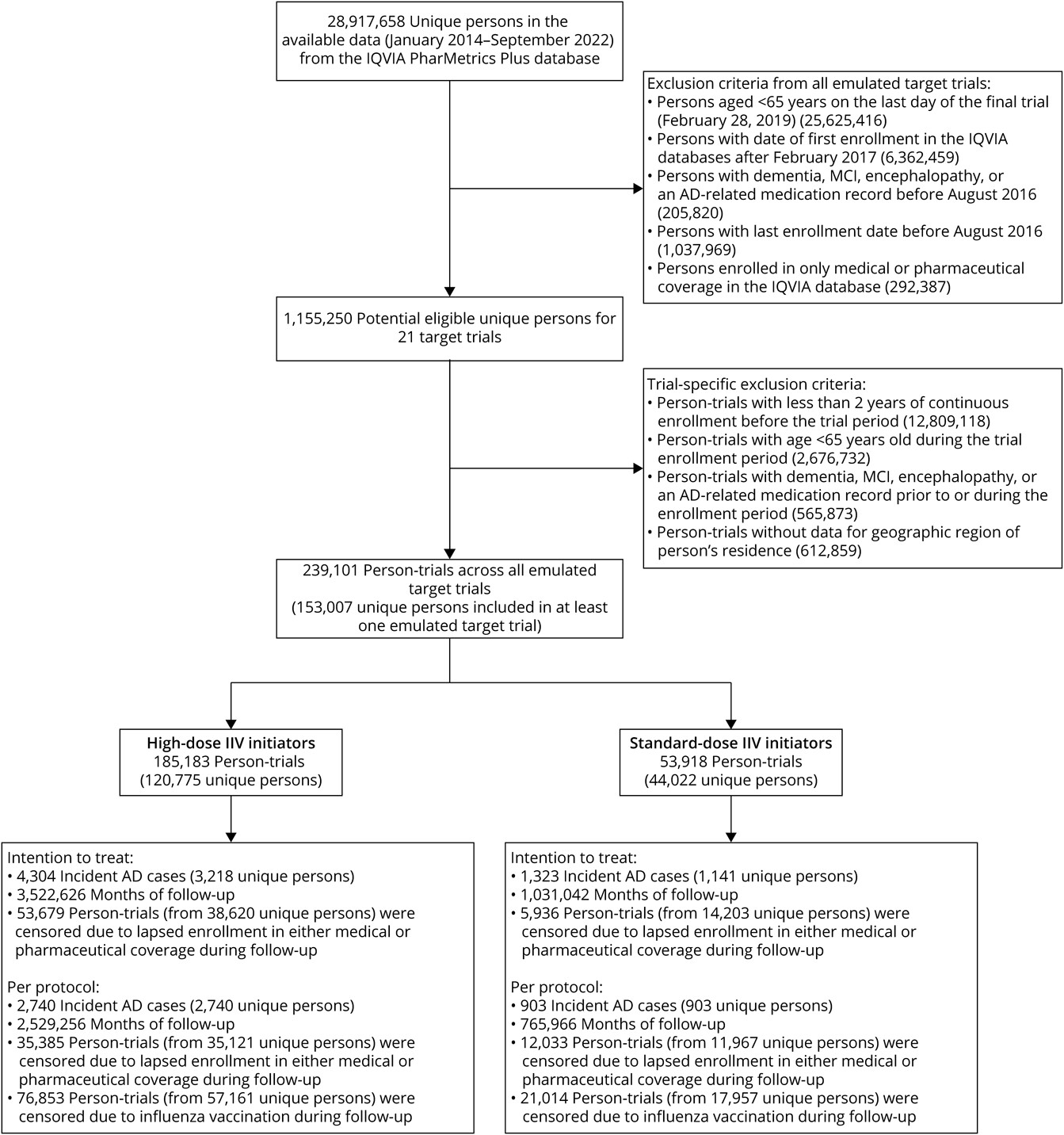
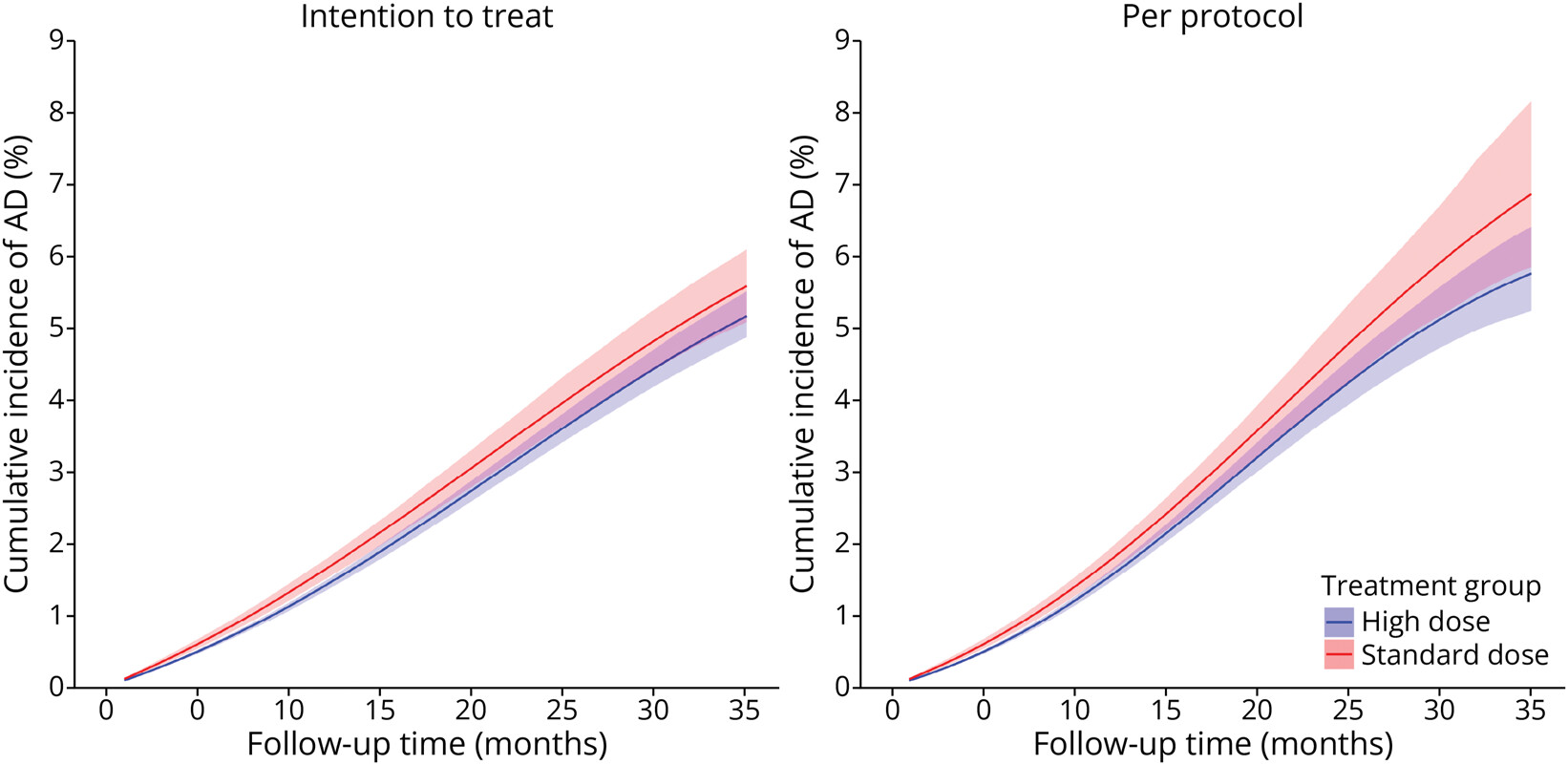
Researchers at the University of Texas Health Science Center at Houston examined the health records of nearly 165,000 adults aged 65 and older. Those who received a high-dose influenza vaccine had up to a 22% lower risk of an Alzheimer’s diagnosis over the next two years than those given a standard-dose shot 2. People who got repeated annual high-dose shots saw their lower risk last slightly longer, and the association appeared stronger in women than in men 2.
Stacked on earlier work comparing vaccinated and unvaccinated people, UTHealth Houston describes the combined difference as nearly 55% lower risk. The team says this is the first study to compare high-dose and standard-dose flu vaccination for Alzheimer’s risk 2.

Why a Higher Dose?
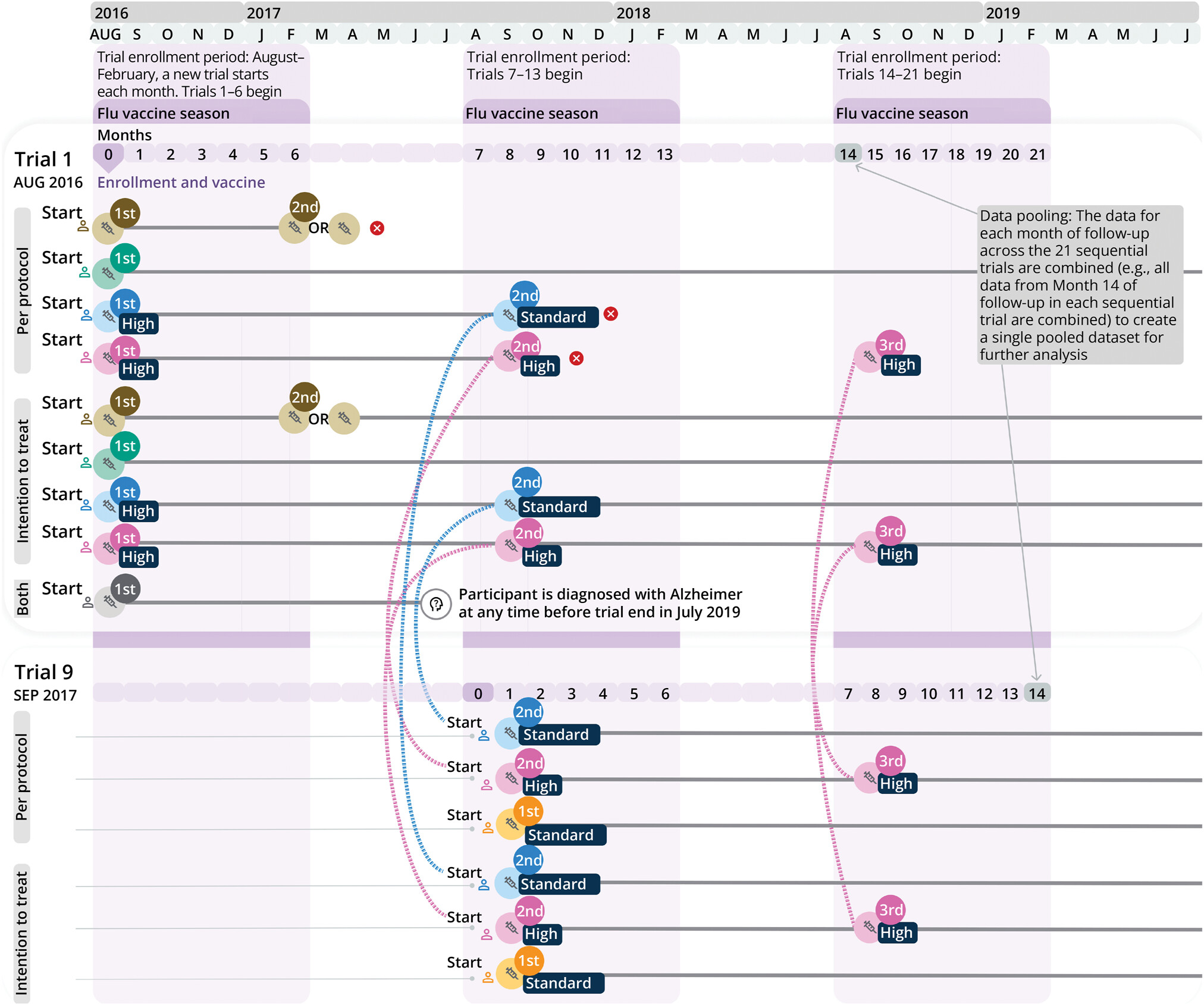
The research grew out of a 2022 analysis by some of the same authors. Across nearly 1.9 million US adults aged 65 and older, any flu vaccine was linked to roughly 40% lower Alzheimer’s risk than no flu vaccine 2.
After that work, a public health department asked senior author Paul Schulz, a neurologist, whether results differed by dosage. He admitted he was confused, and stunned that he hadn’t known a higher dose was offered. The CDC recommends that people over 65 receive a high-dose vaccine containing four times the antigen of a standard shot. It is meant to spark a stronger immune response in older people whose immune systems may be weakening 2. The story hints at a knowledge gap: many physicians know annual shots are advised but not that dosages differ.
Reasons for Caution
The study is observational and cannot prove cause and effect. Its follow-up is also short compared with how slowly Alzheimer’s develops 2. Epidemiologist Erin Abner, who was not involved, told Neurology Today the results support current vaccine recommendations but may reflect a spurious association, since people who can and do get the high-dose shot may be different or healthier 2.
The team’s own further analyses add nuance. When they excluded participants who had received any flu vaccine in the two years before the study vaccination, the association largely disappeared. When they excluded diagnoses made within a month of vaccination, the protective link did not become statistically significant until eight months out. And for all participants, it faded after about two years 2.
What It Might Mean
Because dementia can take decades to show symptoms, many people diagnosed during the study likely already had underlying disease when vaccinated. That raises the possibility that vaccines delay symptoms, perhaps by reducing inflammation, rather than preventing the disease itself 2. The detailed methods sit in the Neurology paper, which was not accessible for this article, so figures here rely on the reporting around it 1.
For now, the practical takeaway is modest: the findings fit existing guidance for older adults. Whether the stronger shot protects the brain remains an open question that longer studies will need to answer.
Primary sources
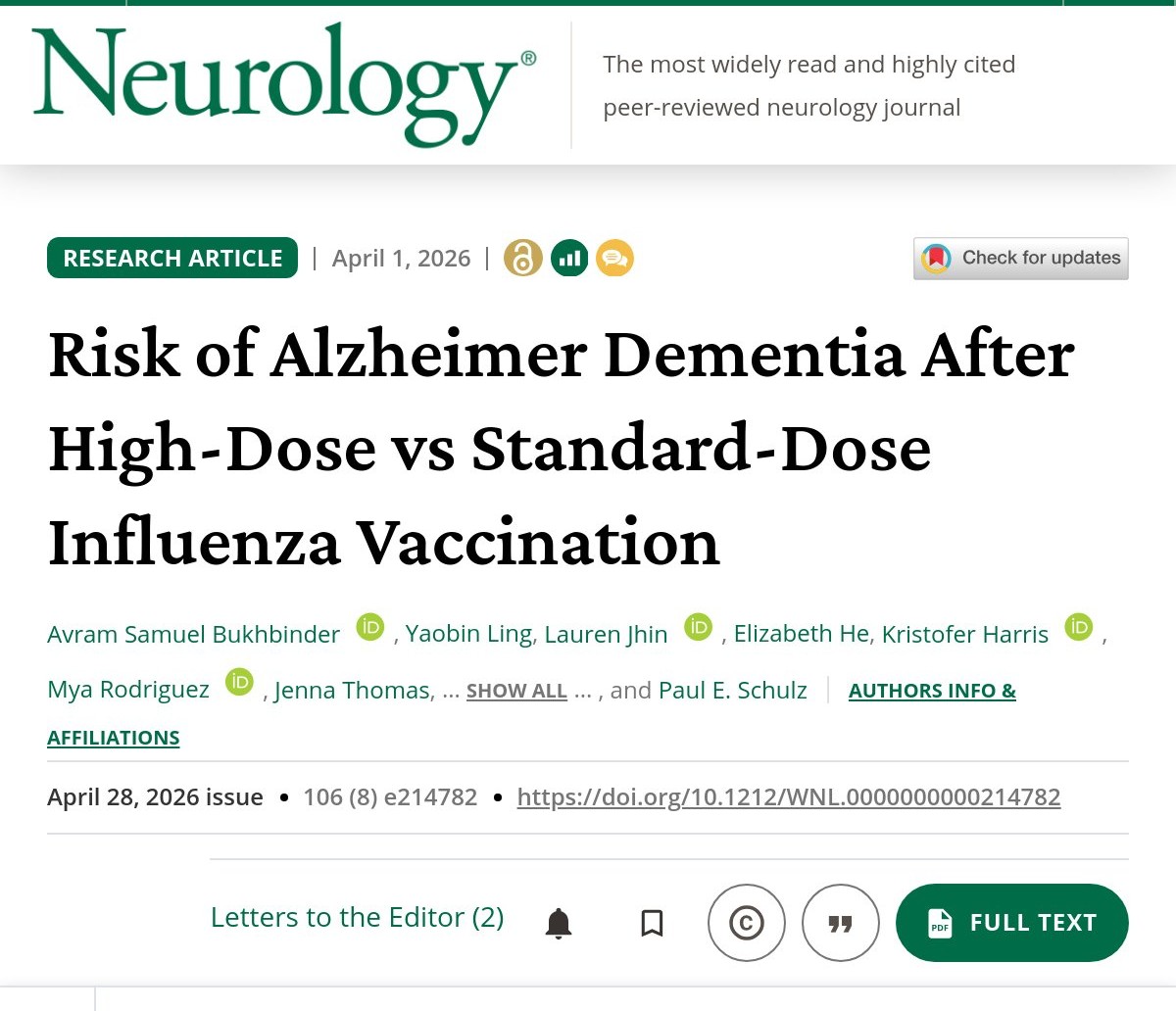
- Study record (DOI: 10.1212/WNL.0000000000214782) (neurology.org) – This is the Neurology journal record (DOI 10.1212/WNL.0000000000214782) for the study. Its page could not be retrieved because of bot protection, so only the identification is known and no details are drawn from it directly. Published by neurology.org.
 A High-Dose Flu Vaccine Is Linked to Nearly 55% Lower Alzheimer's Risk (sciencealert.com) – ScienceAlert's report describes the UTHealth Houston study of nearly 165,000 adults aged 65 and older. It covers the up to 22% lower Alzheimer's risk for high-dose versus standard-dose flu vaccine over two years, the nearly 55% combined figure, the stronger association in women, and the fading of the effect after about two years. It also relays the 2022 analysis of 1.9 million adults (about 40% lower risk with any flu shot), comments from senior author Paul Schulz, CDC guidance on high-dose vaccines, caution from epidemiologist Erin Abner, and sensitivity analyses suggesting delayed symptoms rather than prevention. Fact-checked and edited by Rebecca Dyer, published on sciencealert.com.
 Powered by News Ranker
