
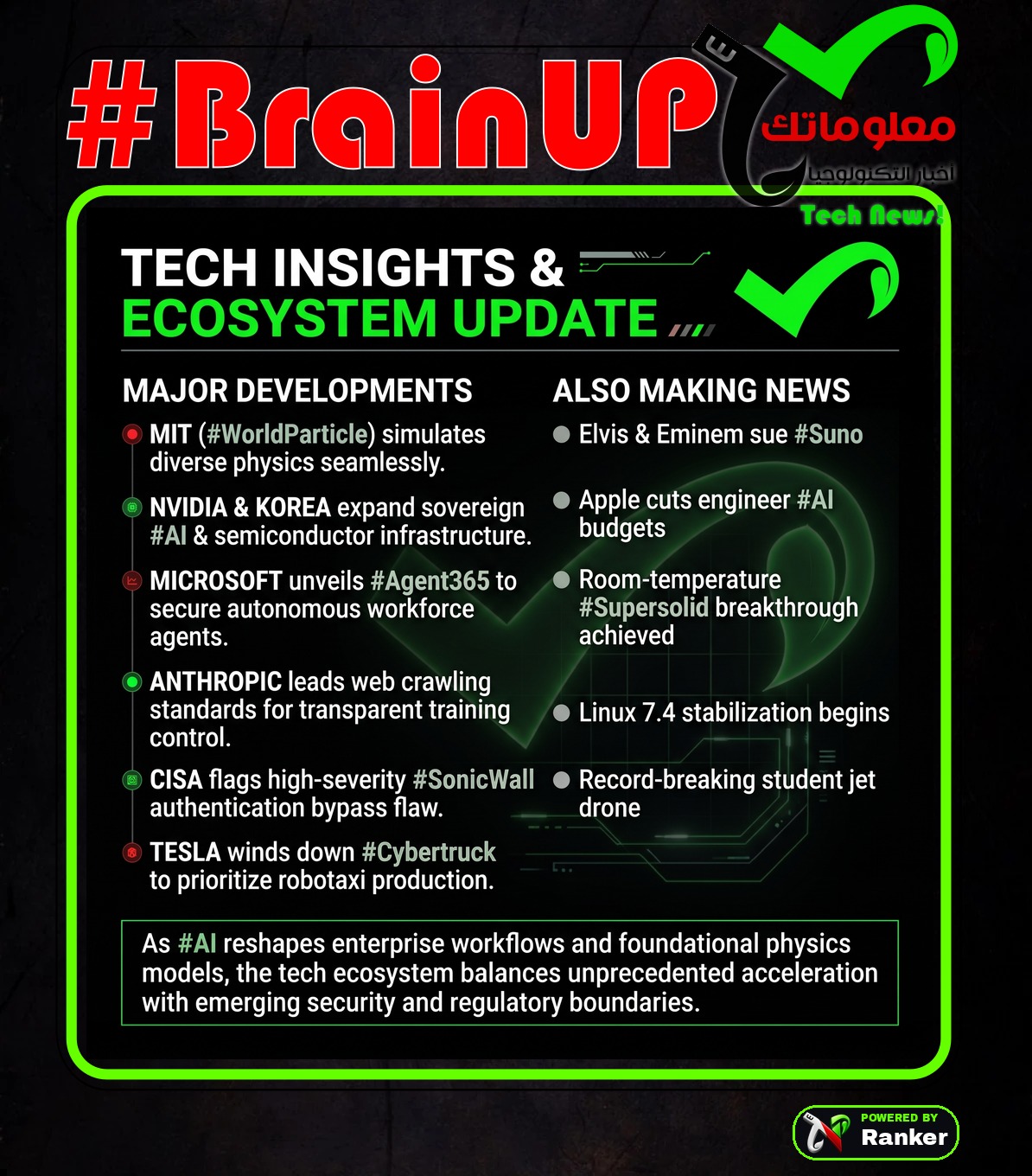
Ranker’s #BrainUp Daily Tech News – (Monday, November 9ᵗʰ)
Welcome to today’s curated collection of interesting links and insights for 2026/11/09. Our automated ranking and AI-summarization system has processed 28 articles from all over the internet to bring you the latest technology news.
TOP IN EACH SECTION
🛡️ Security & Privacy: CISA Flags SonicWall SonicOS MFA Bypass Flaw Amid Reports of Possible Exploitation (story 1)
🤖 AI: A single AI model simulates the behavior of many substances, from sliding sand to folding proteins (story 2)
💾 Chips & Data Centers: From Chips to Skills, NVIDIA and Korea Expand Sovereign AI Collaboration (story 3)
💼 Business & Work: Apple capped engineers at a $200 daily AI budget (story 6)
📱 Products, Cars & Robots: US college student builds ‘Reaper’ drone — which he says set a new world record speed of 491mph (story 8)
⚖️ Policy & Law: Elvis and Eminem rights holders are suing Suno (story 10)
🔭 Science & Space: Ozone Hole Reaches Its 2026 Maximum – NASA Science (.gov) (story 12)
🧬 Health & Biotech: Could a Nasal Spray Stop Alzheimer’s Before Memory Loss Begins? (story 28)
SECURITY1. CISA Flags SonicWall SonicOS MFA Bypass Flaw Amid Reports of Possible Exploitation
The U.S. Cybersecurity and Infrastructure Security Agency (@Cisa) has added a high-severity authentication vulnerability in #SonicWall SonicOS to its Known Exploited Vulnerabilities catalog following reports of real-world attacks. Tracked as CVE-2026-19868 with a CVSS score of 7.1, the flaw allows users with valid credentials for an alternate authentication method to bypass SAML authentication controls and multi-factor authentication. In addition to this issue, the vendor patched several other high-severity flaws, including cross-domain policy and session validation vulnerabilities in the management interface alongside a pre-authentication heap-based buffer overflow in the SSL-VPN service. Federal Civilian Executive Branch agencies have been advised to apply the necessary patches by November 20, 2026. This development underscores ongoing security risks targeting enterprise network appliances and the critical importance of timely firmware updates.
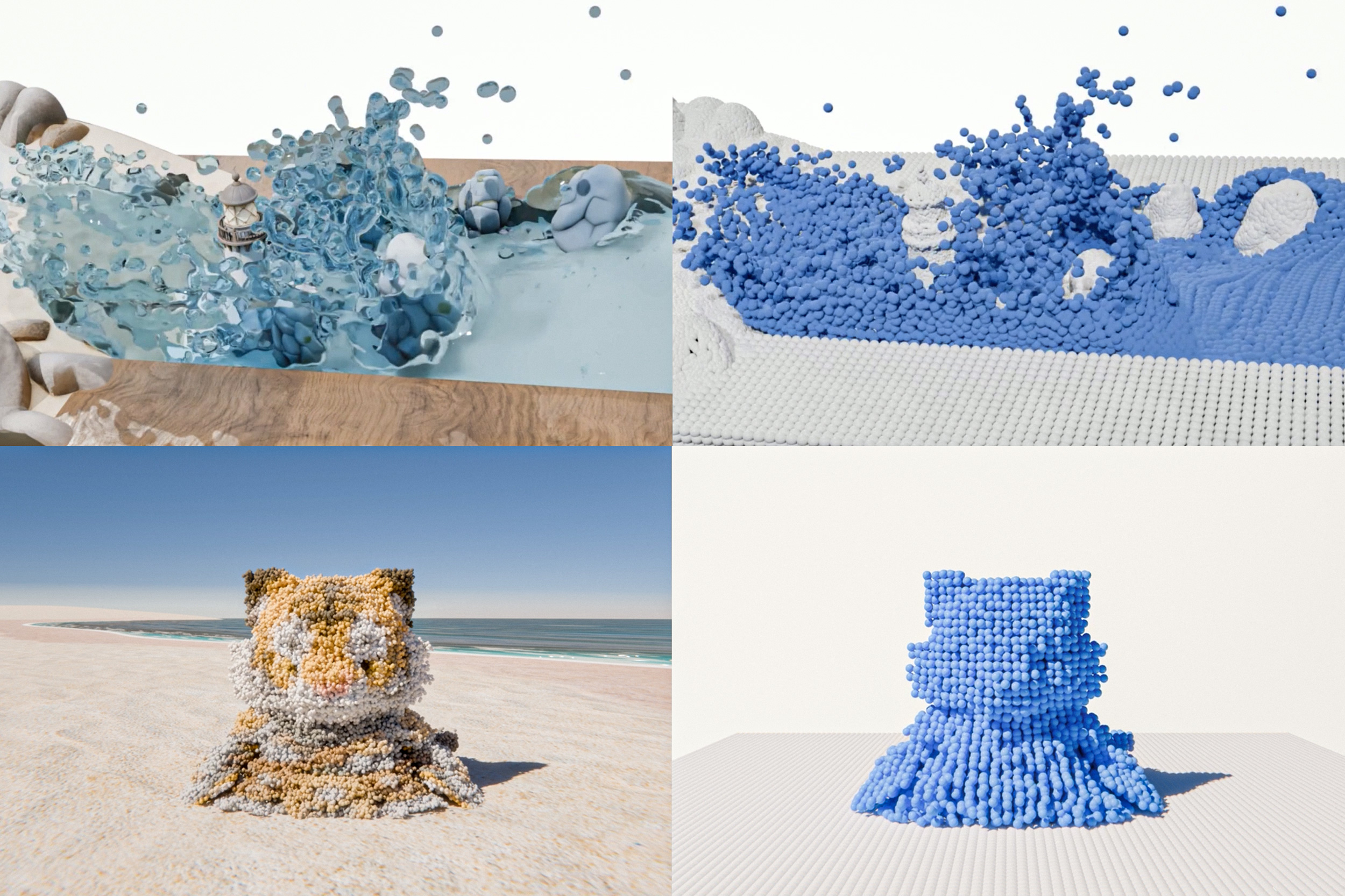
Researchers at @Mit, the University of British Columbia, and other institutions have introduced a deep-learning system named WorldParticle designed to simulate diverse physical phenomena using a single artificial intelligence architecture. Instead of relying on hand-coded equations tailored for specific tasks, the #WorldParticle model represents materials as tiny three-dimensional dots and predicts their movement step by step over space and time. This unified approach allows the system to model complex interactions, such as flowing water, sliding sand, or folding proteins, without requiring separate hand-coded solvers for each domain. The team hopes this methodology will serve as a foundational step toward universal simulation tools that can adapt to environments never encountered during training. This matters because it could dramatically accelerate material discovery and provide a versatile framework for studying intricate physical processes across engineering and science.
TOP IN CHIPS3. From Chips to Skills, NVIDIA and Korea Expand Sovereign AI Collaboration
@Nvidia and Korea’s Ministry of Science and ICT are expanding their collaboration across the national sovereign artificial intelligence ecosystem, encompassing semiconductors, data center infrastructure, models, agents, and security. The initiative enables Korean NPU and XPU companies to explore participation in the #NvidiaNvlinkFusion ecosystem while incorporating specialized training programs and hackathons. Through the AI for All initiative, @Nvidia is partnering with selected consortia and foundation model builders to optimize AI inference using #NvidiaDynamo software. Additionally, a joint effort with @SkTelecom and Rebellions aims to advance local sovereign infrastructure for Korean models and workloads. This matters because it strengthens regional AI capabilities and deepens hardware-software integration for local technology developers.
AI4. AI-assisted learning platform helps robots reason beyond literal commands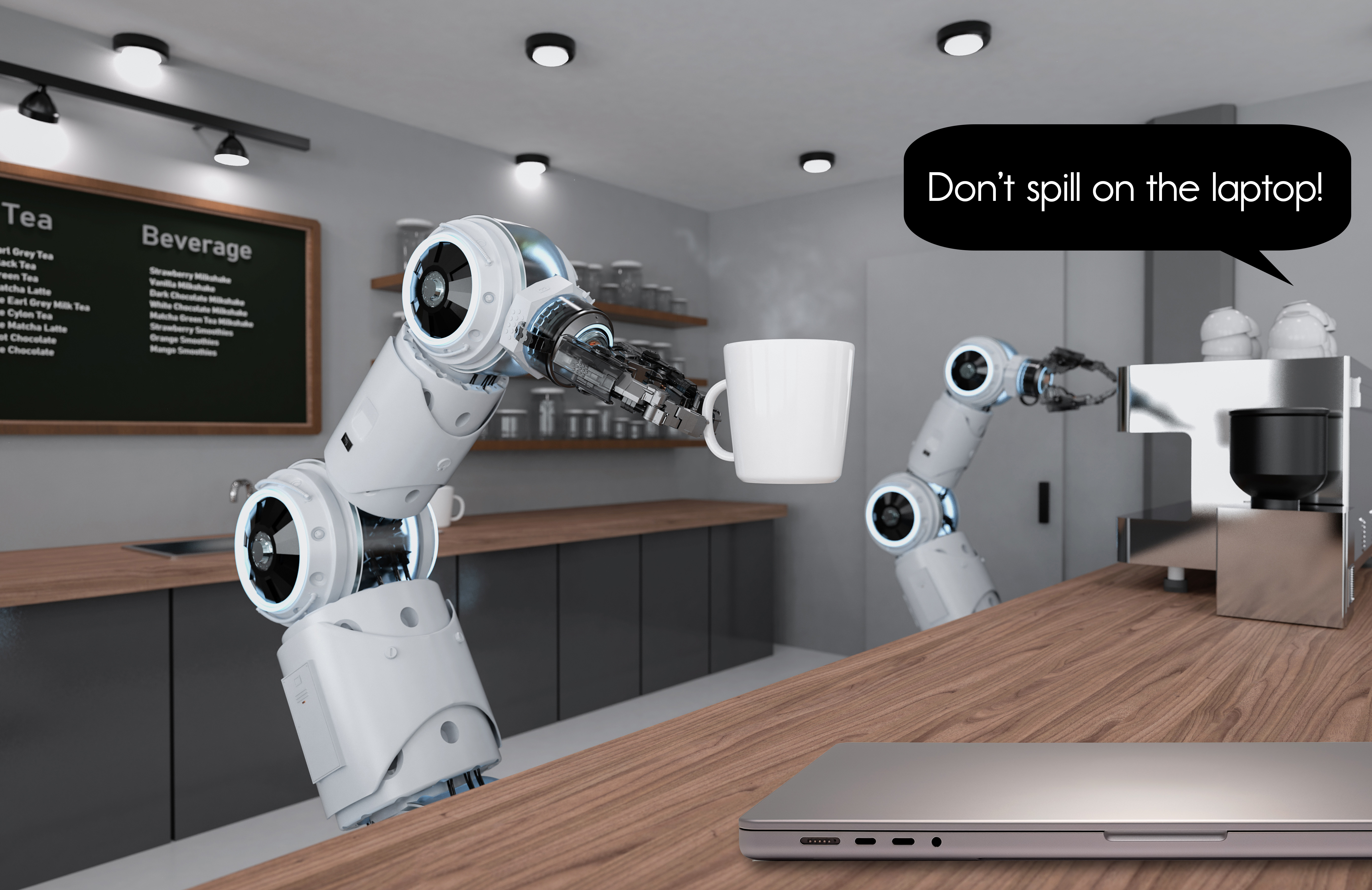
Engineers at @Mit and New York University have developed an artificial intelligence-assisted learning platform called FLEX that enables robots to interpret broader meanings and common-sense generalizations from natural language commands. Demonstrated in simulated household tasks, the feature-editing pipeline incorporates a large language model to reason about unstated preferences behind conversational instructions, such as avoiding electronic devices when carrying liquids. By translating conversational prompts into motion-planning constraints, the system spares users from manually programming complex mathematical trajectories. This matters because it offers a more intuitive interface for human-robot collaboration, allowing assistive and household robots to adapt to everyday instructions safely and in real-time.

China’s Envision has put a commercial 800-volt direct-current power architecture into operation at the Galaxy AI campus in Ulanqab, Inner Mongolia. The installation combines solid-state transformers to convert 10-kilovolt medium-voltage alternating current directly into an 800-volt direct-current supply, paired with battery storage designed to respond to rapid fluctuations in GPU electricity consumption. According to the company, this setup reduces conversion steps, saves physical space, and lowers copper cabling requirements compared to conventional facilities. However, independent performance figures and verified efficiency measurements have not yet been publicly disclosed. This matters because innovative power delivery systems could alleviate infrastructure bottlenecks as high-density artificial intelligence data centers scale rapidly.
TOP IN BUSINESS6. Apple capped engineers at a $200 daily AI budget
@Apple has reportedly reduced the daily artificial intelligence spending budget for some of its engineers from $300 to $200, signaling internal cost pressures amid escalating generative AI expenditures. This internal rationing highlights the challenging economic reality of scaling advanced foundation models, where uncapped inference costs can severely impact profit margins even for large hardware enterprises. For developers and startups, the shift underscores an urgent transition away from brute-force token consumption toward strict automated cost controls and architectural efficiency. This matters because sustainable artificial intelligence deployment will increasingly depend on optimized prompt routing, intelligent caching, and rigorous financial oversight rather than unlimited compute access.
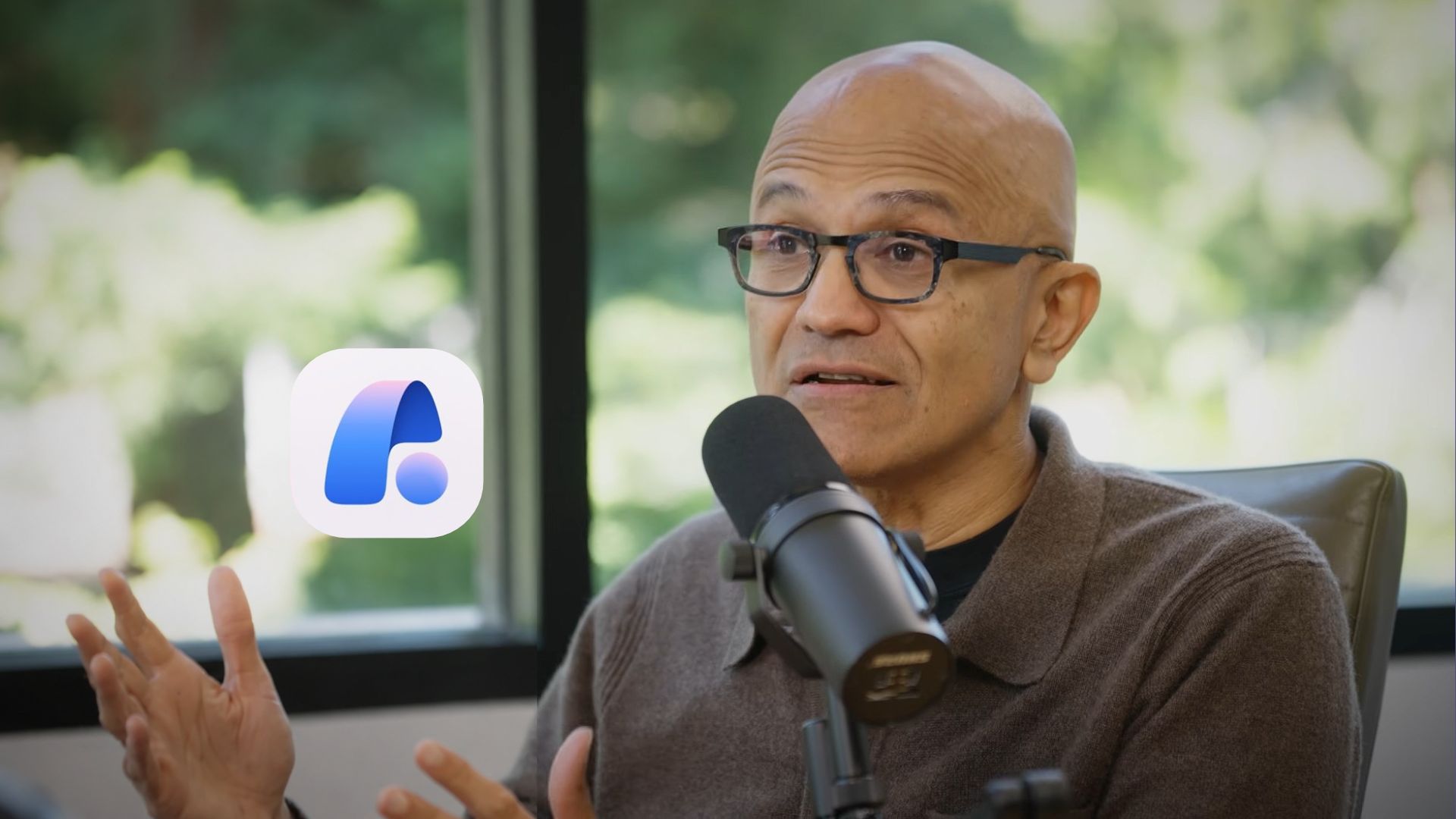
@Microsoft CEO Satya Nadella recently discussed a future where millions of autonomous agents work alongside human employees, a vision reflected in the company’s introduction of an agentic development environment and the #Agent365 security platform. While @Microsoft recently offered voluntary exit packages to approximately 60,000 employees, company executives maintained that the buyouts were not directly driven by artificial intelligence automation. Nadella emphasized that knowledge work will increasingly adopt long-running agents capable of handling complex software engineering and administrative tasks autonomously. To manage the high cognitive load of supervising numerous concurrent processes, @Microsoft developed a specialized inbox interface featuring robust sandboxing and auditing controls. This matters because it illustrates how major technology enterprises are actively restructuring their workforces and internal systems around agentic artificial intelligence workflows.
TOP IN PRODUCTS8. US college student builds ‘Reaper’ drone — which he says set a new world record speed of 491mph
A Georgia Institute of Technology aerospace engineering student has independently developed a jet-powered model aircraft called Reaper that reportedly achieved a top speed of 491 miles per hour while carrying a 2.6-pound payload. Built using molded carbon-fiber sections, 3D-printed titanium parts, and a 250-newton turbojet, the $13,000 drone demonstrated consistent high-speed performance across three working prototypes. The feat drew public attention and an invitation to visit the Pentagon from Prescott Paulin, Director of Industry Engagement at the Department of War’s Research and Engineering office. Furthermore, the project enters the amateur competition for Supersonic’s Boom Prize, an $800,000 challenge for breaking the sound barrier with a radio-controlled aircraft. This matters because it highlights the advancing capabilities of low-cost, student-built aviation hardware capturing the interest of defense and aerospace sectors.
CHIPS9. Fingernail-sized chip untangles mixed light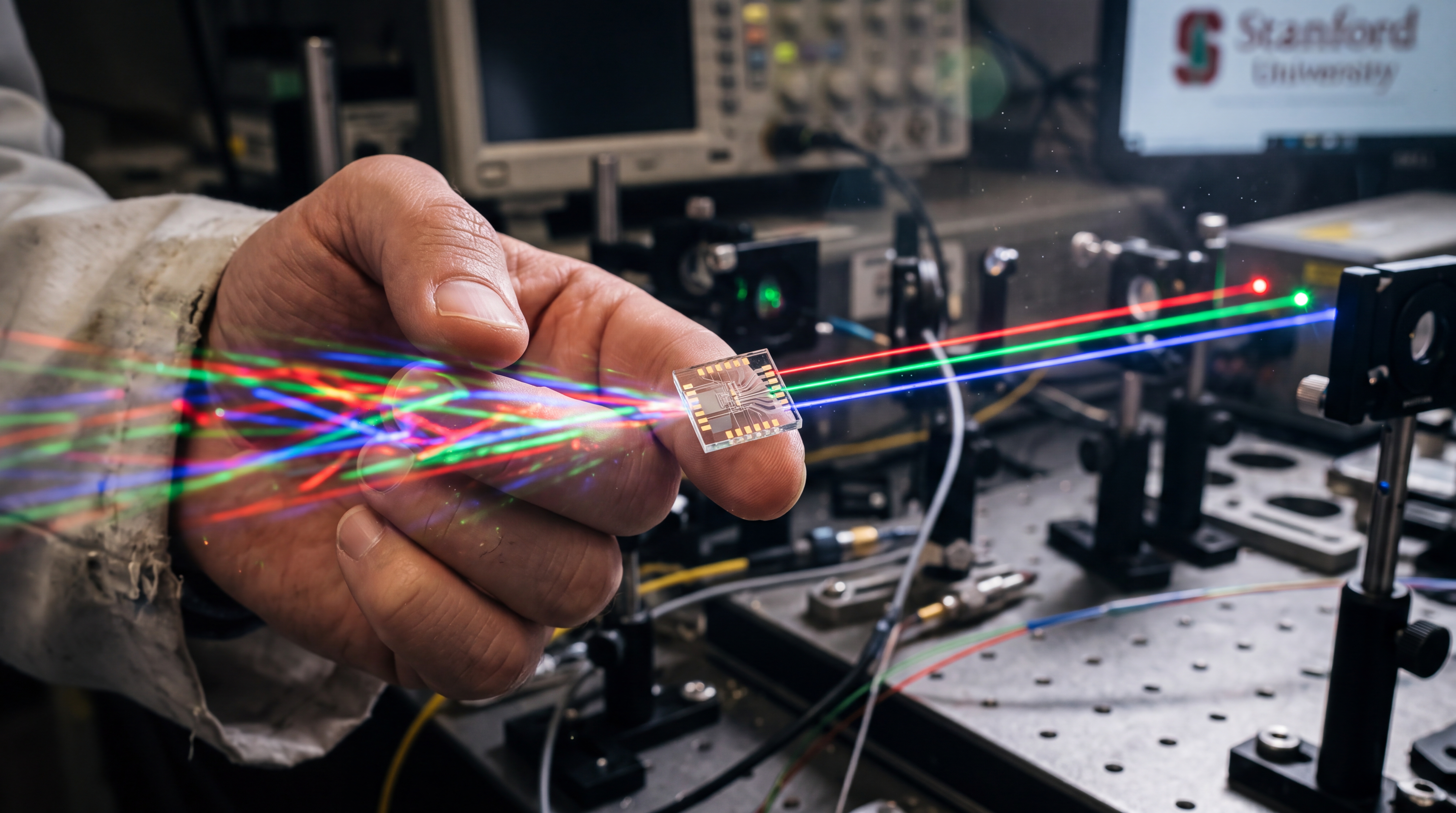
Researchers at @Stanford have designed a fingernail-sized #PhotonicChip that successfully untangles mixed incoherent and partially coherent light sources into separated, pure beams. By combining advanced #SiliconPhotonics and a specialized sorting algorithm, the team demonstrated a capability previously limited to theoretical physics since the 1980s. During experiments published in Nature Photonics, the device processed infrared lasers whose photons oscillated together briefly before falling out of step, automatically categorizing the overlapping rays. This hardware advancement exploits the true statistical nature of light rather than relying solely on traditional laser coherence. Such an innovation matters because it could dramatically improve cameras, microscopes, and telescopes by extracting significantly more detailed information from complex optical signals.
POLICY10. Elvis and Eminem rights holders are suing Suno
Suno is facing additional legal challenges as rights holders of Elvis Presley’s music and the publisher of Eminem’s records filed lawsuits against the artificial intelligence music platform. The lawsuit involving Presley’s estate alleges violations of Tennessee’s Ensuring Likeness Voice and Image Security Act, arguing that the company systematically replicates artists’ voices, identities, and creative work without authorization. Plaintiffs contend that such tools undermine human creativity by commercializing unauthorized voice and style clones. Meanwhile, a company spokesperson stated that Suno prohibits prompts utilizing specific artist names and utilizes third-party filters to screen uploaded audio files for potential misuse. This matters because these ongoing legal battles highlight escalating copyright and likeness disputes surrounding generative audio technologies.
AI11. Korea Advances Physical AI Across Industries With NVIDIA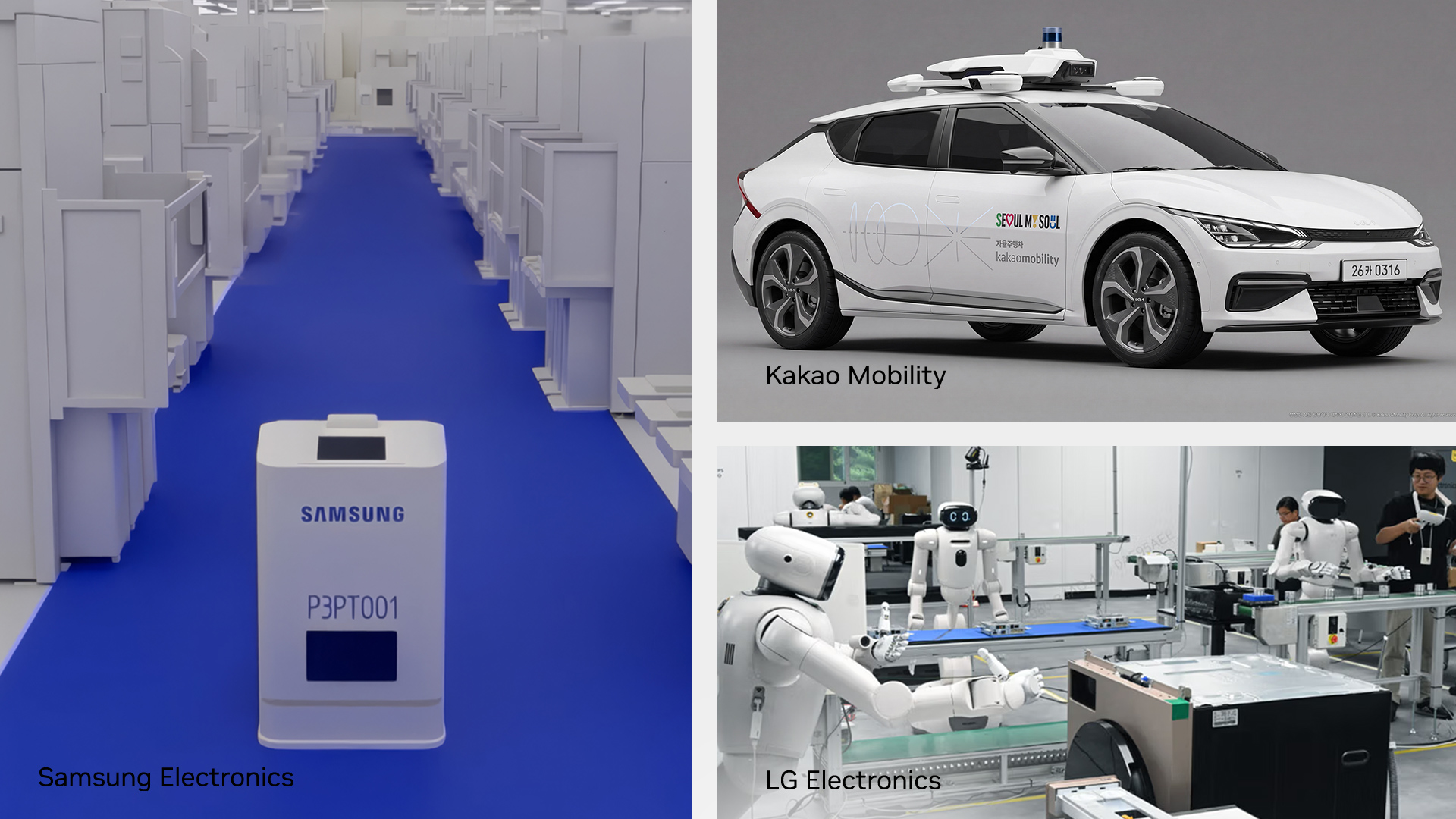
@Samsung Electronics, @Kakao Mobility, and @Lg Electronics are expanding their collaboration with @Nvidia to integrate accelerated computing and physical AI across Korean manufacturing, robotics, and autonomous driving sectors. @Samsung Electronics is leveraging #NvidiaCuiss and #NvidiaPhysicsnemo to accelerate semiconductor simulations and thermal analyses, achieving substantial speedups in engineering workflows. Meanwhile, @Kakao Mobility is utilizing the #NvidiaHyperion reference platform powered by #NvidiaDriveAgxThor to develop level 4 autonomous driving systems on Kia vehicles. Additionally, @Lg Electronics demonstrated robotic manipulation tasks using the #NvidiaIsaacGroot framework and #NvidiaJetsonAgxThor onboard computing in an actual factory environment. This matters because it bridges the gap between simulated development and real-world industrial production for physical artificial intelligence.
TOP IN SCIENCE12. Ozone Hole Reaches Its 2026 Maximum – NASA Science (.gov)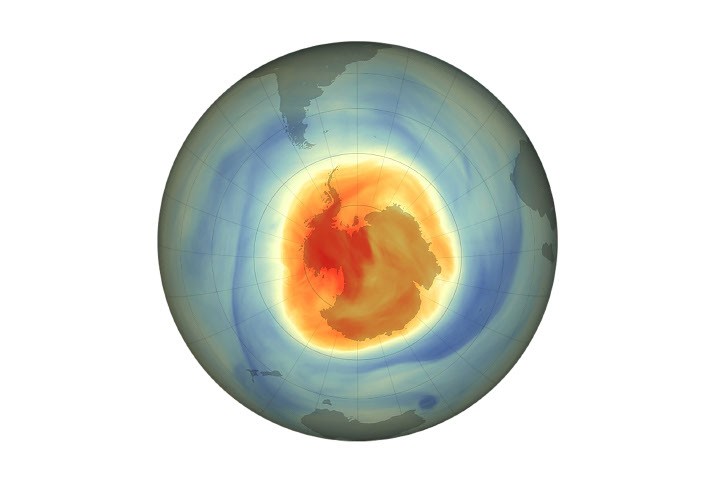
@Nasa scientists reported that the Antarctic ozone hole reached its annual maximum area on September 18, 2026, ranking as the seventh largest in 48 years of satellite monitoring. Measurements compiled across various satellite instruments, including the OMPS sensor on the NOAA-20 satellite, indicated that an unusually strong Antarctic polar vortex created ideal atmospheric conditions for widespread ozone depletion. While historical monitoring shows that severe ozone depletion was driven largely by legacy chlorofluorocarbons released into the troposphere and activated by ultraviolet light in the stratosphere, annual fluctuations continue to be influenced by temperature and circulation dynamics. This matters because continuous satellite tracking provides vital data on the slow recovery of Earth’s protective stratospheric layer and the global impact of environmental regulations.

@Nvidia, in collaboration with Apollo Global Management, is reportedly exploring plans to retrofit more than 130 older telephone and telecom properties owned by Brightspeed across 20 U.S. states into compact regional artificial intelligence data centers. The proposed initiative aims to repurpose existing infrastructure, potentially unlocking approximately 1 gigawatt of electrical capacity for inference operations without requiring greenfield construction. These smaller facilities would utilize upcoming hardware platforms like #NvidiaVeraRubin to run trained models closer to end-users and existing enterprise networks. While this alternative expansion route could bypass some planning hurdles associated with massive training campuses, analysts note that aging facilities may incur higher maintenance and operating costs. This matters because it demonstrates innovative strategies by chip manufacturers to circumvent traditional data center capacity constraints and power shortages.
AI14. AI doesn’t have to discover science to make science better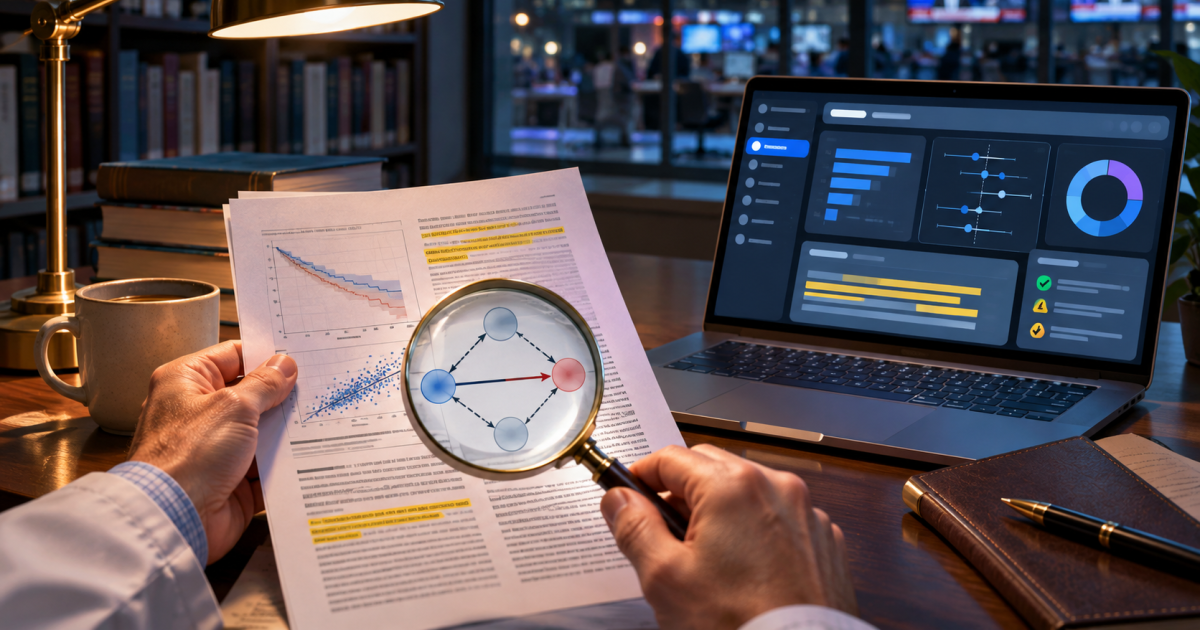
Researchers have developed an automated artificial intelligence system called ASP1 to review scientific papers and evaluate how well reported evidence supports causal conclusions in health and nutrition research. Distinguishing correlation from causation remains a fundamental challenge in observational studies, where confounding variables and bias can distort apparent relationships between exposures, such as ultra-processed foods, and health outcomes. Unlike general-purpose chatbots, ASP1 systematically applies predefined methodological standards to extract causal claims, assess study designs, and analyze statistical reporting. This matters because it provides a transparent and auditable assistant to help researchers navigate complex datasets and draw sound scientific conclusions without replacing human evaluation.
BUSINESS15. WSJ: Anthropic IPO investors push for lower $1.5 trillion valuation after tech selloff
Institutional investors are pushing for @Anthropic’s upcoming initial public offering to be valued between $1.5 trillion and $1.6 trillion, falling short of earlier projections near $2 trillion following a broader technology stock selloff. The valuation debate reflects growing market caution regarding artificial intelligence overexposure, regulatory scrutiny over data centers, and uncertainties surrounding profitability for major cloud hyperscalers. Despite market volatility, @Anthropic reported third-quarter revenue reaching $17 billion alongside substantial purchase commitments and leases totaling approximately $895 billion. The company has not finalized its share offering terms but plans to begin its investor roadshow ahead of a potential stock market debut before Thanksgiving. This matters because the listing serves as a major barometer for investor appetite and long-term capital expenditure commitments within the artificial intelligence sector.
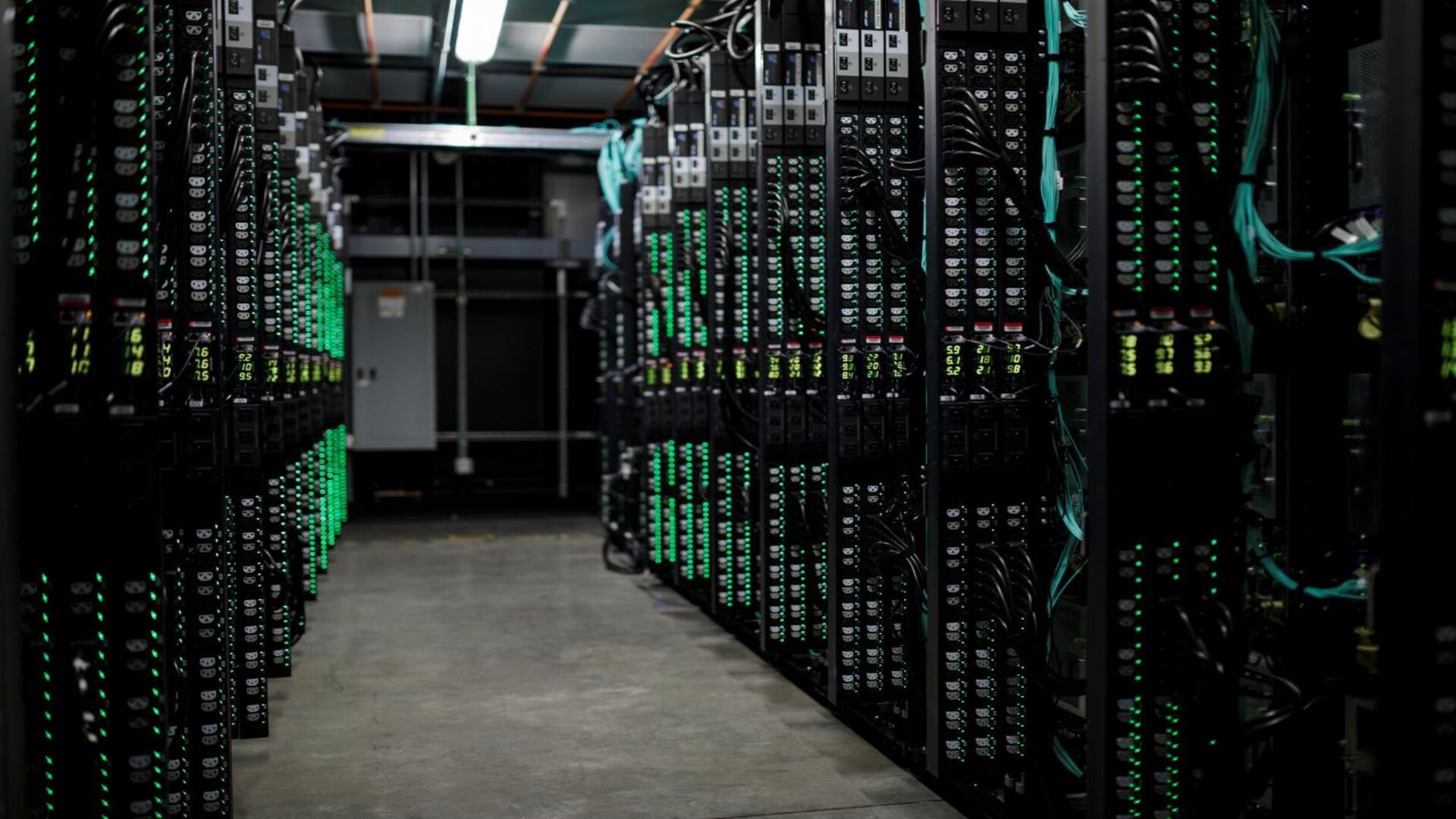
A database compiled by San Francisco artificial intelligence startup Prophecy Gov analyzing over 10,000 public comments across 417 local American governments revealed that more than 90% of submissions opposed new data center developments. Opposition was widespread across both Republican and Democratic counties, with participants frequently citing concerns regarding water consumption, electricity costs, and environmental pollution. While rural residents focused primarily on farmland preservation and property rights, urban participants emphasized pollution and accountability issues. Opposition also varied significantly among demographic groups, with union workers showing substantially higher support for construction projects compared to local property owners. This matters because widespread community resistance presents a major hurdle for technology companies seeking to expand infrastructure for artificial intelligence workloads.
BUSINESS17. Is Jensen Huang’s job on the line? Yale’s Jeffrey Sonnenfeld estimates it’s “about a 50-50”
@Nvidia’s board has launched an independent investigation after CEO Jensen Huang disclosed an extramarital relationship with Megaspeed executive Alice Huang, whom U.S. officials suspect of acting as a Chinese intelligence operative. While the board found no initial evidence that company secrets or national security were compromised, leadership experts like Yale professor Jeffrey Sonnenfeld estimate Huang’s survival odds at roughly fifty-fifty due to the severe breach of judgment. Unlike previous corporate scandals where executives could transition to other firms, Huang is inextricably linked to the chipmaker he co-founded, which currently anchors the global artificial intelligence economy. This matters because any disruption to leadership at @Nvidia carries profound implications for financial markets and technology partners dependent on its hardware ecosystem.
PRODUCTS18. Elon Musk says Tesla is ‘winding down’ production of its Cybertruck
@Tesla CEO Elon Musk announced on X that the company will wind down production of its Cybertruck at the Texas Gigafactory around the middle of next year to accommodate increased manufacturing of the Cybercab robotaxi. The electric pickup truck has faced commercial shortfalls, with actual deliveries tracking significantly below initial reservation claims alongside various reported compromises in off-road performance and range capabilities. Industry observers note that the phase-out reflects a broader strategic pivot by @Tesla away from traditional consumer electric vehicles toward autonomous vehicle platforms. This matters because it marks a potential end for one of the company’s most distinctive vehicle models as leadership reallocates manufacturing resources toward robotaxis.
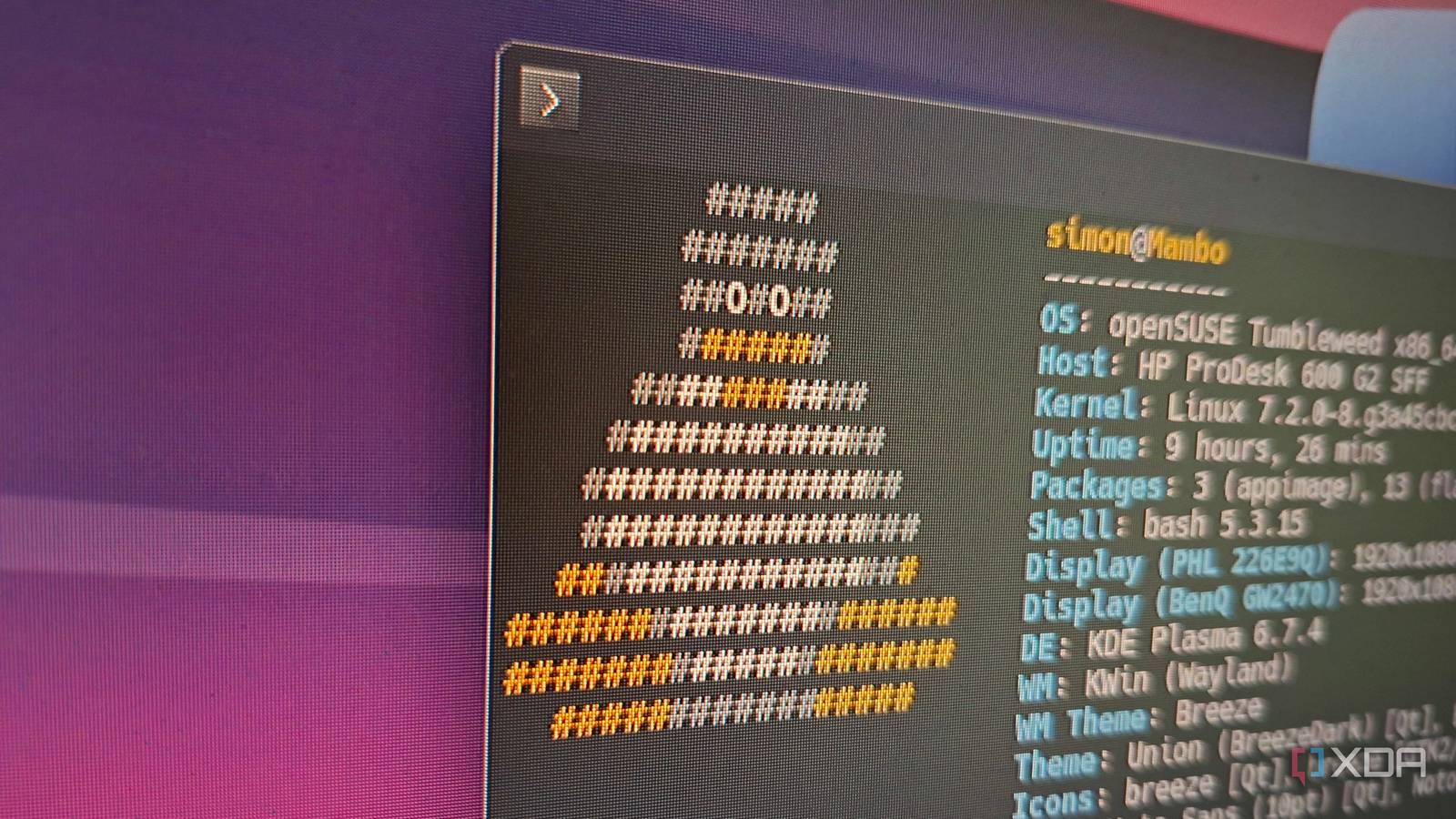
Linux kernel maintainers have observed a potential shift in bug reporting trends as fixes for the bpf subsystem in Linux 7.4-rc2 have begun outpacing incoming reports. Linus Torvalds noted that while recent release candidates have been unusually large due to automated artificial intelligence tools flooding maintainers with rapid bug reports, the latest cycle shows signs of stabilization. Although the surge in automated reporting has placed a heavy burden on maintainers over the past several months, the current progress offers hope that development teams may soon catch a break. This matters because it highlights the growing impact of automated coding tools on foundational open-source software maintenance and kernel release cycles.
SCIENCE20. Liquid-assisted crystal growth cuts perovskite defects for efficient solar cells and LEDs
An international research team led by Sungkyunkwan University in collaboration with the Korea Research Institute of Chemical Technology, the University of California, San Diego, and Princeton University has developed a liquid-assisted perovskite semiconductor thin film with significantly reduced defects. By utilizing this advanced material platform, the scientists successfully demonstrated both high-performance solar cells and light-emitting diodes. The fabrication technique addresses structural imperfections that typically hinder the efficiency and stability of perovskite devices. This matters because reducing defects through liquid-assisted crystal growth paves the way for more efficient and commercially viable next-generation optoelectronic technologies.
SCIENCE21. Quantum Discovery Reveals Why More Powerful Lasers Can Actually Slow Atoms Down
Researchers at the Universities of Würzburg and Rostock alongside ETH Zurich have discovered that utilizing two carefully timed laser pulses can control atomic layer movement in quantum materials more effectively than a single high-intensity pulse. Investigating tungsten ditelluride, a sliding ferroelectric material where adjacent atomic layers shift sideways, the team found that excessively strong light excitation promotes electrons into high-energy states that counteract directed atomic motion. By dividing the laser energy into two weaker pulses with an optimized time delay, the system uses internal electronic dynamics to reinforce sliding without saturation. This matters because it establishes a smarter strategy for manipulating quantum properties in ultrathin materials with lower energy consumption.
22. Computer science department revamps curriculum to combat falling enrollment in the age of AI
The Department of Computer Science at George Washington University is revamping its undergraduate curriculum following a 34 percent enrollment decline since 2023, driven by national demographic headwinds, international visa policy shifts, and student uncertainty regarding artificial intelligence. To adapt to a shifting technology job market, faculty have introduced foundational artificial intelligence concepts early in the degree program and developed interdisciplinary dual bachelor of arts options with fields like business and public policy. Department leaders emphasize that computing professionals will require broader system engineering and machine learning skills rather than traditional programming alone. This matters because academic institutions are actively redesigning their educational frameworks to maintain student relevance and enrollment in the age of generative artificial intelligence.

@Google and @Microsoft have joined @OpenAI and @Anthropic in committing to honor a standardized usage preference token within robots.txt files, allowing website operators to opt out of generative artificial intelligence training. Proposed initially via an Internet-Draft by @Anthropic, the shared mechanism utilizes a designated policy token in the User-Agent line to govern content usage rather than blocking web scrapers entirely. Implementation timelines vary among participating technology providers, with @Microsoft adopting the signal on February 1, 2027, @Google targeting 2027, and @Anthropic beginning rollout. However, industry analysts note that the standard lacks formal endorsement from the Internet Engineering Task Force and handles grounding features differently across platforms. This matters because it provides webmasters with a streamlined cross-company method to manage how their online content is utilized for foundation model training.
SCIENCE24. Einstein Was Right Again: Scientists Discover Chemical Bonds That Defy Textbook Rules
Chemists at Brown University have uncovered direct experimental evidence that Einstein’s theory of relativity alters triple chemical bonds in heavy elements, challenging classical textbook models. Using photoelectron spectroscopy at temperatures near absolute zero, researchers examined molecules containing carbon and bismuth, a heavy element where strong nuclear charge forces inner electrons to move at relativistic speeds. The resulting spectra revealed that relativistic spin-orbit coupling blurs the traditional boundary between sigma and pi bonds, producing a carbon-bismuth triple bond consisting of one pi bond and two hybrid sigma-pi bonds. This matters because understanding these relativistic effects improves chemical descriptions for heavy elements being explored in next-generation solar cells and quantum computing materials.
SCIENCE25. Finally! Physicists Create an Exotic Quantum State of Matter That Works at Room Temperature
An international team of researchers has engineered an exotic quantum state of matter known as a supersolid within an exciton-polariton Bose-Einstein condensate operating at room temperature. Utilizing a microcavity structure that combines a voltage-controlled liquid crystal and an organic semiconductor, the setup traps light and matter into a hybrid quasiparticle without requiring extreme cryogenic cooling. The resulting condensate spontaneously broke spatial symmetry, forming repeating crystal-like stripes that demonstrated superfluid behavior across multiple laser refresh cycles. This matters because achieving room-temperature supersolids provides a more accessible and practical platform for studying complex quantum phenomena and advancing quantum computing sensors.
PRODUCTS26. Would you pay Spotify extra to remix your favorite songs with AI?
@Spotify is reportedly considering an early 2027 launch for a planned artificial intelligence remix tool, with discussions involving premium tier price increases of $4 to $5 per month. The feature would allow listeners to transform song genres, such as converting a ballad into a dance track, or generate cover versions utilizing different artist voices. While the platform has secured licensing agreements with major music entities like Universal Music Group and Believe, participating artists will retain individual control over whether their work is included in AI projects. This matters because the initiative introduces complex financial and copyright questions for musicians while testing subscriber willingness to pay for generative audio features.
AI27. Employees Who Use AI End Up Working Vastly More Time Per Day
A workplace analysis conducted by ActivTrak revealed that white-collar employees who actively utilize artificial intelligence tools work up to 90 minutes longer each day compared to non-users. Examining anonymized activity data from over 9,100 workers, researchers found that heavy AI users maintained active workdays averaging between 8.4 and 9.1 hours, versus 7.6 hours for non-users, while also experiencing frequent application switching and shorter focus sessions. The findings suggest that sorting through generative outputs and managing complex workflows can increase daily labor rather than immediately reducing working hours. This matters because it indicates that enterprise adoption of artificial intelligence may result in extended workdays and higher administrative overhead rather than straightforward productivity gains.
HEALTH28. Could a Nasal Spray Stop Alzheimer’s Before Memory Loss Begins?
Researchers in Italy have demonstrated that a nasal spray containing extracellular vesicles derived from amniotic membrane cells can protect brain synapses and prevent memory deficits in animal models of Alzheimer’s disease. Administered via the nasal cavity, the microscopic vesicles successfully reached the hippocampus, where they mitigated neuroinflammation and supported neuronal function by interacting with neurons and microglia. Additional testing on laboratory-grown human neurons derived from patient skin biopsies confirmed similar protective cellular effects. This matters because it highlights a promising preclinical therapeutic approach targeting neuroinflammation and cellular environments rather than solely focusing on amyloid and tau protein accumulation.
That’s all for today’s digest for 2026/11/09! We picked and processed 28 articles. Stay tuned for tomorrow’s collection of insights and discoveries.
See you in the next one! 🚀
