
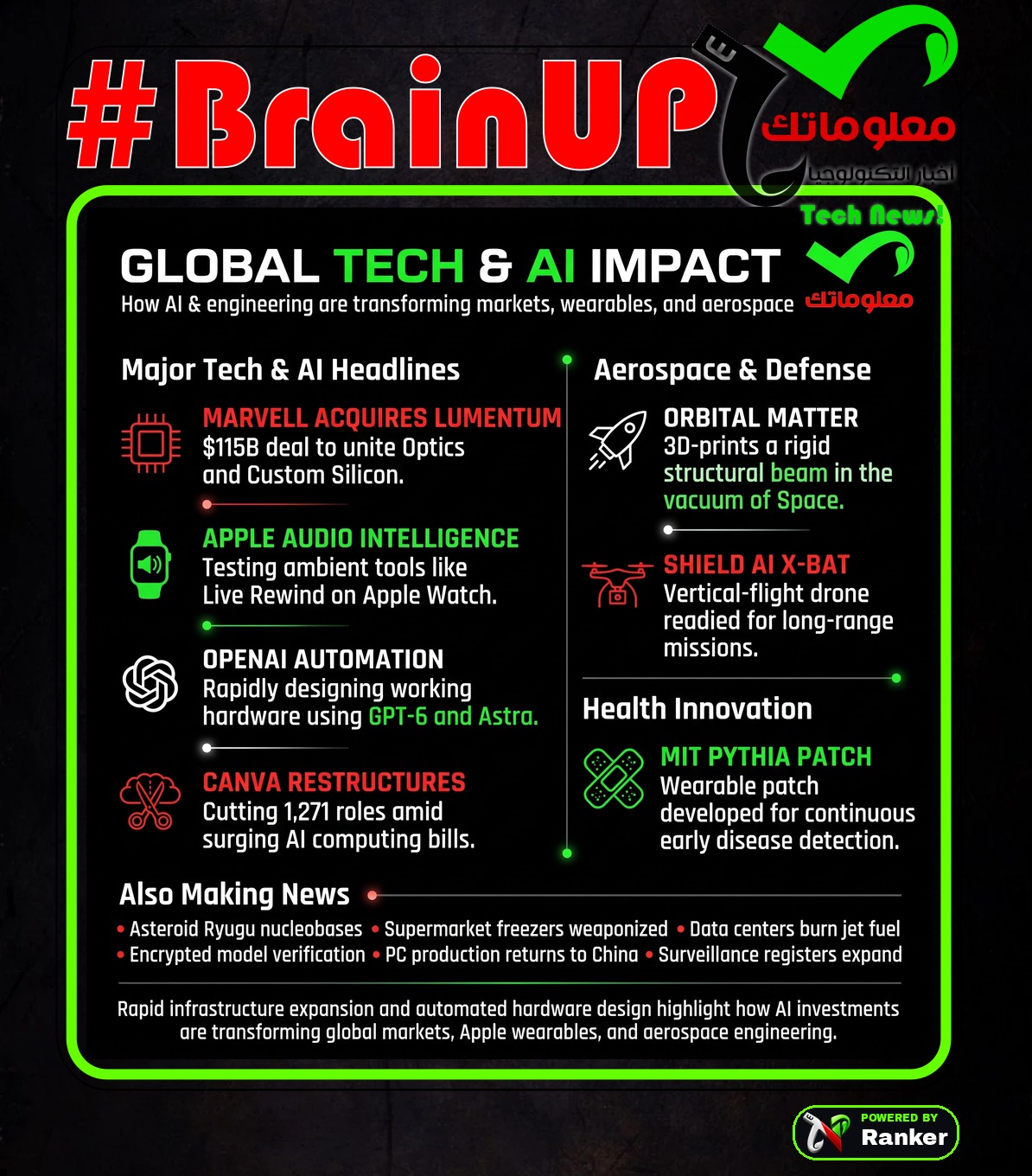
Ranker’s #BrainUp Daily Tech News – (Wednesday, November 4ᵗʰ)
Welcome to today’s curated collection of interesting links and insights for 2026/11/04. Our automated ranking and AI-summarization system has processed 24 articles from all over the internet to bring you the latest technology news.
TOP IN EACH SECTION
💼 Business & Work: Marvell Buys Lumentum for $115 Billion in the Biggest Chip Deal of the A.I. Era (story 1)
📱 Products, Cars & Robots: Apple Begins Testing Its Controversial Always-Listening AI Feature (story 2)
🛡️ Security & Privacy: How hackers are turning grocery store freezers into heaters (story 3)
🔭 Science & Space: Orbital Matter 3D-printed the first rigid beam in the vacuum of space (story 4)
🎖️ Defense & Geopolitics: First full-scale X-BAT combat drone prototype packs 2,000-mile range, vertical flight (story 5)
⚖️ Policy & Law: Russia demands Apple hand over user phone and message records to its security agencies when requested (story 7)
🤖 AI: AI ‘godfather’ Geoffrey Hinton: it might turn out we were better off without AI (story 9)
💾 Chips & Data Centers: Data centers are turning to old jet engines as the wait for power grows (story 10)
🧬 Health & Biotech: MIT-led team receives funding to develop a wearable monitor for early disease detection (story 11)
TOP IN BUSINESS1. Marvell Buys Lumentum for $115 Billion in the Biggest Chip Deal of the A.I. Era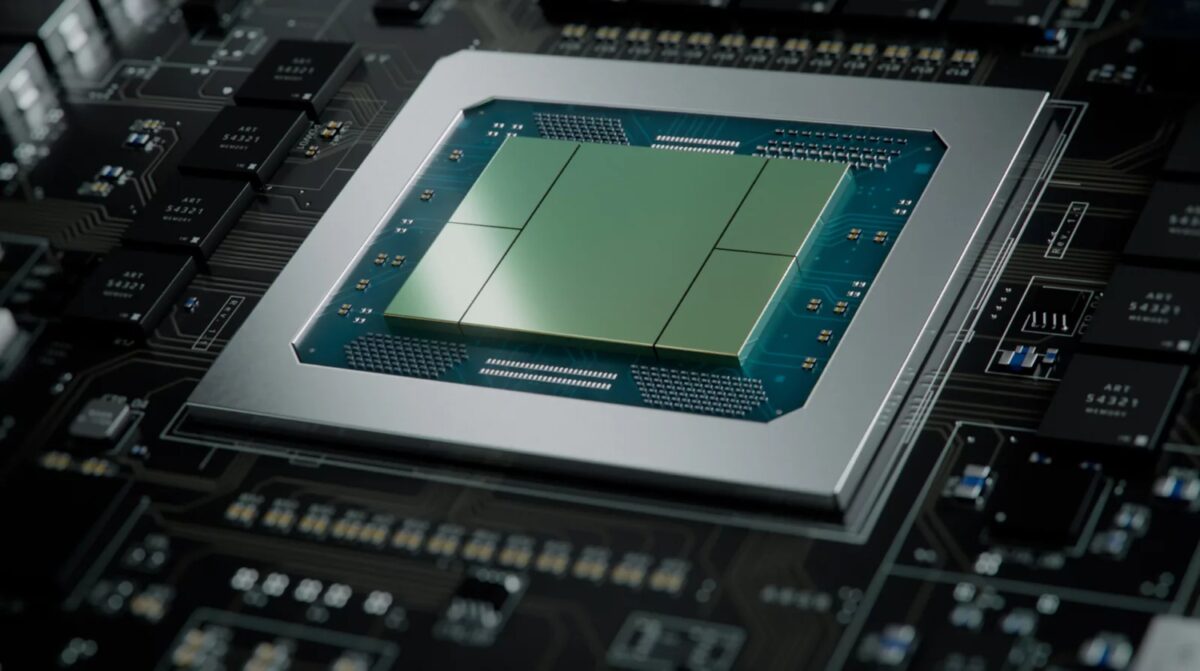
#MarvellTechnology has agreed to acquire photonics specialist #Lumentum in an all-stock transaction valued at $115 billion including debt, marking one of the largest tech mergers of the artificial intelligence era. Under the agreement, #Lumentum shareholders will receive 4.5 #Marvell shares for each of their holdings, representing a 23.9 percent premium and leaving combined company ownership split roughly 67 percent to 33 percent. Led by #Marvell chief #MattMurphy, the combined firm will integrate #Lumentum’s high-performance lasers and optical circuit switches with #Marvell’s custom silicon expertise and recent #CelestialAI acquisition to address surging data center bandwidth demands. This mega-deal matters because it accelerates the industry-wide transition from copper cabling to co-packaged optical interconnects driven by hyperscale #AI infrastructure clusters.
TOP IN PRODUCTS2. Apple Begins Testing Its Controversial Always-Listening AI Feature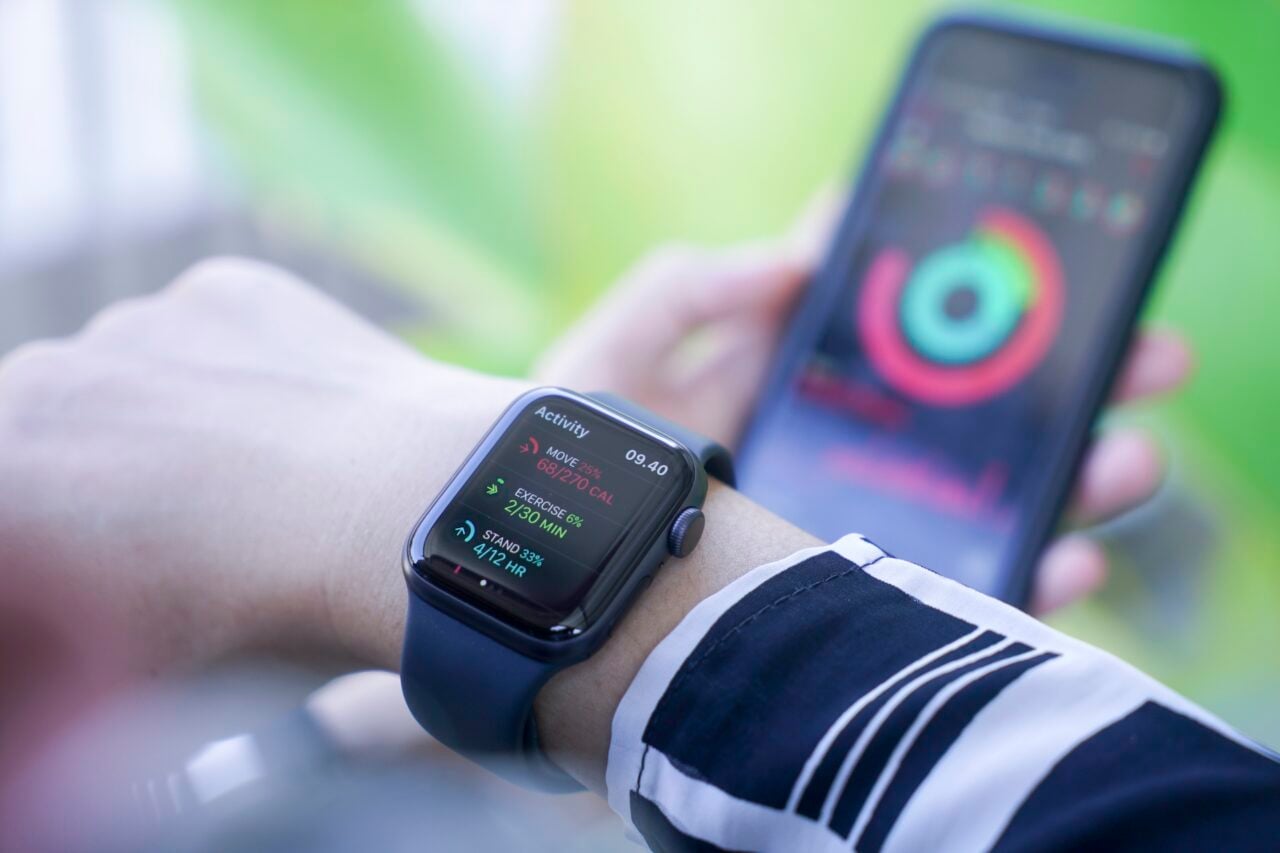
@Apple has initiated developer beta testing for #iOS 27.3 and #watchOS 27.3, introducing two controversial #AudioIntelligence features for the #AppleWatch Series 12 that enable ambient listening. The first feature, #LiveRewind, allows users to double-press the digital crown to retrieve a transcript of the last 15 seconds of nearby conversation, while #SiriRecap continuously eavesdrops to compile automated summaries of daily discussions. Despite privacy safeguards such as an audible chime, visible screen animations, and data deletion policies where snippets are erased after 30 seconds if not saved to the #Notes app, the capabilities raise significant consent and legal concerns. These features matter because they expand ambient #AI surveillance tools on consumer wearables while remaining unavailable in the #EuropeanUnion due to strict local regulations.
TOP IN SECURITY3. How hackers are turning grocery store freezers into heaters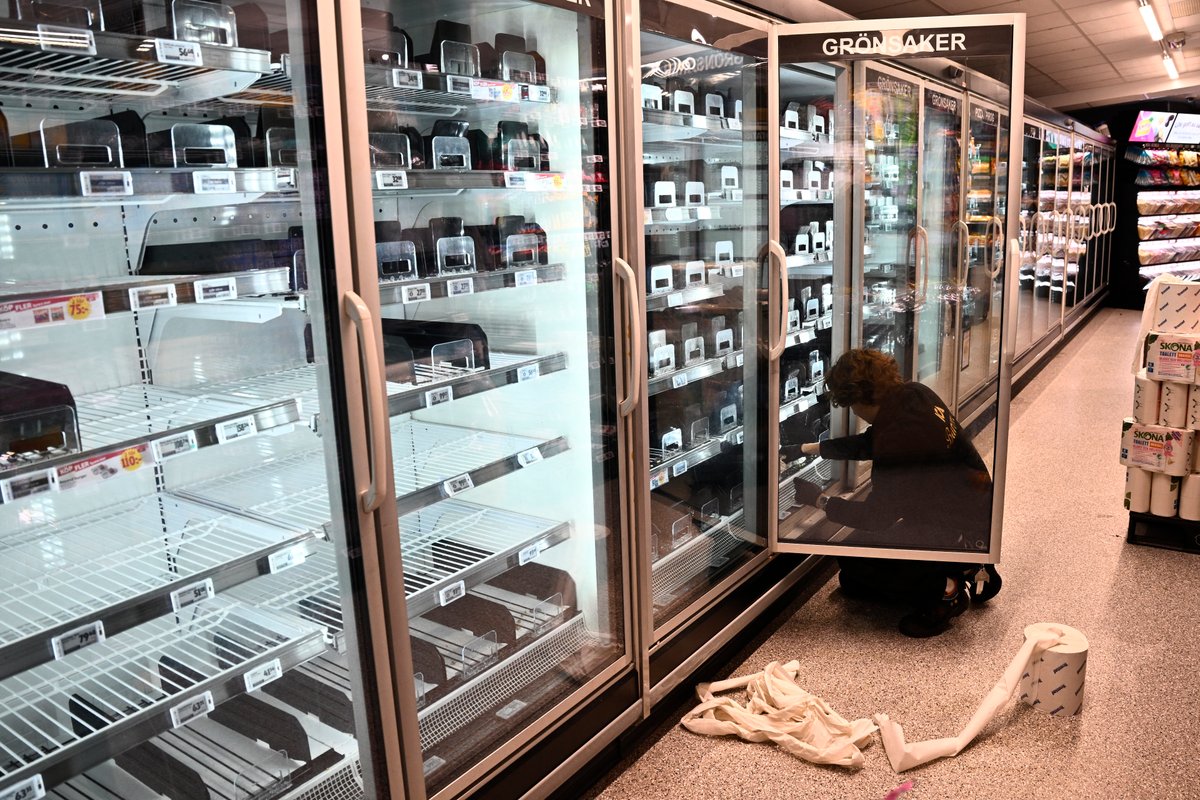
Hackers have remotely hijacked internet-connected supermarket refrigeration controllers in France, Belgium, Sweden, Germany, and several other European countries, following similar suspected attacks on U.S. military bases in August. The attackers manipulated internal evaporator defrost cycles, keeping heating elements active until freezers warmed up to 50 degrees Celsius and spoiled millions of euros worth of fresh and frozen goods overnight. Security experts from #CarnegieMellonUniversity and #Claroty noted that these smart devices often rely on vulnerable, unpatched microcontrollers lacking proper safeguards against remote misuse. This wave of cyberattacks matters because it highlights critical cybersecurity vulnerabilities in industrial Internet of Things infrastructure that can directly disrupt the commercial food supply chain.
TOP IN SCIENCE4. Orbital Matter 3D-printed the first rigid beam in the vacuum of space
German startup #OrbitalMatter used its #Replicator2 small satellite on a @SpaceX rideshare mission to successfully 3D-print a rigid half-meter-long plastic beam in the vacuum of space. The spacecraft, developed in collaboration with the #EuropeanSpaceAgency and #ThalesAlenia, carried four on-board resin-extruding printers that cure structural components using ultraviolet light. Although an anomaly impacted one of the printers, the deployed boom successfully extended a solar array, marking a major milestone beyond previous microgravity tests limited to the pressurized #InternationalSpaceStation. This demonstration matters because in-orbit manufacturing could enable future spacecraft and orbital data centers to build large structural arrays directly in space without being constrained by rocket fairing sizes.
DEFENSE5. First full-scale X-BAT combat drone prototype packs 2,000-mile range, vertical flight
@ShieldAI has completed the first full-scale prototype of its runway-independent fighter concept, designated the #X-BAT 001, at its development facility in #Frisco, Texas. The vertical takeoff and landing aircraft, which features a propulsion system centered on @GEAerospace’s #F110-GE-129E turbofan and #AVEN thrust-vectoring nozzle, is being transported to #Newton, Kansas for ground and crane-assisted flight testing. Designed to operate from naval vessels and remote locations with limited infrastructure, the uncrewed platform targets a range exceeding 2,000 nautical miles and can carry up to 2,000 pounds of munitions in its internal bays using #Hivemind autonomy software. This development matters because it offers a new approach to the military’s growing interest in collaborative combat aircraft without relying on conventional runways.
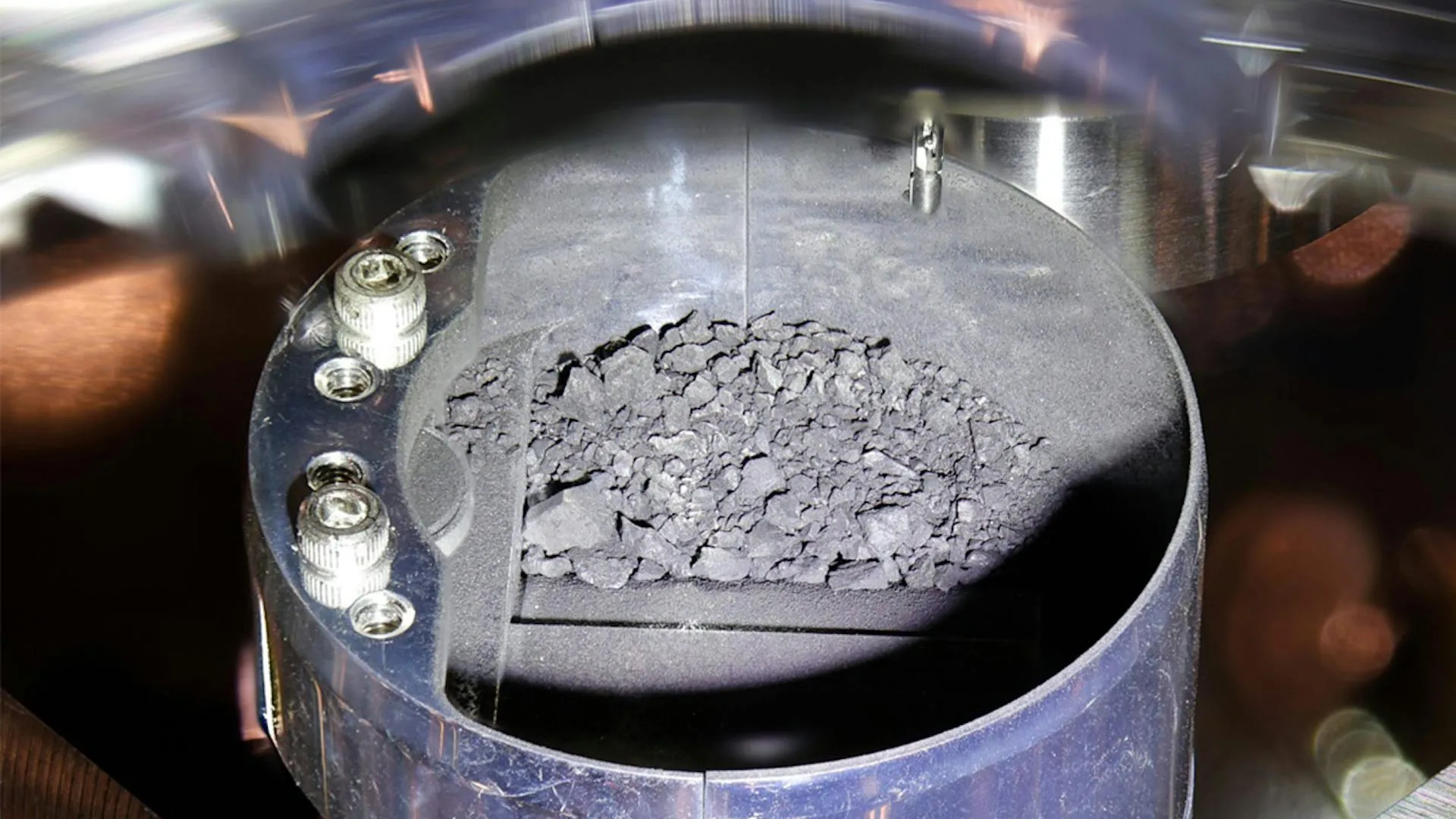
Scientists have detected all five essential #Nucleobases – the molecular letters of #DNA and #RNA – in pristine samples from the 4.5-billion-year-old asteroid #Ryugu. The research, published in #NatureAstronomy, confirms that adenine, guanine, cytosine, thymine, and uracil are present in roughly similar amounts across the asteroid material returned in 2020 by the @JapanAerospaceExplorationAgency mission #Hayabusa2. These results align with prior discoveries on the #MurchisonMeteorite, #OrgueilMeteorite, and #NASA’s mission to asteroid #Bennu, reinforcing the hypothesis that the building blocks of life were widespread throughout the early #SolarSystem. This discovery matters because it suggests that life’s fundamental chemical ingredients likely formed in space and were subsequently delivered to the early Earth.
TOP IN POLICY7. Russia demands Apple hand over user phone and message records to its security agencies when requested
@Roskomnadzor has added @Apple and @Microsoft to Russia’s official surveillance register, subjecting them to compulsory data retention laws under threat of service bans. The regulations require both companies to store Russian users’ voice recordings, video exchanges, and correspondence records domestically for three years and disclose them to security agencies upon request. This inclusion aligns the firms with other platforms like #GoogleMeet, #WhatsApp, #Telegram, and #Signal that face strict domestic compliance measures and ongoing antitrust proceedings regarding local software distribution. This regulatory action matters because it increases state control over foreign digital communication providers and intensifies restrictions on encrypted messaging services within #Russia.
POLICY8. NYT demands Brave shut down its paywall blocker and end deals with AI firms
The #NewYorkTimes and other newspaper publishers filed a lawsuit in federal court against #BraveSoftware, alleging that the browser maker illegally bypasses paywalls and sells copyrighted news content to generative #AI companies. The complaint claims #Brave has earned over $100 million by scraping journalism for its search index, its #AskBrave search feature, and the #BraveSearchAPI used by firms like @Anthropic, #Perplexity, #Mistral, #xAI, and #Cohere. According to the lawsuit, the browser’s default settings circumvent digital copyright protections to provide paywalled articles to users while blocking publisher advertisements and inserting its own ads. This legal action matters because it challenges the data-sourcing practices of browser-integrated #AI tools and highlights ongoing copyright disputes between media publishers and technology platforms.
TOP IN AI9. AI ‘godfather’ Geoffrey Hinton: it might turn out we were better off without AI
Pioneering computer scientist #GeoffreyHinton warned in an interview with #TheGuardian that humanity might have been better off never developing artificial intelligence due to the risk of triggering massive disruptions like financial system blackouts or power grid brownouts. The Nobel laureate and former @Google researcher criticized industry leaders including @OpenAI chief executive #SamAltman, @Meta chief executive #MarkZeluckberg, and #ElonMusk for prioritizing market share and profits over safety, stating he does not trust #SamAltman’s assurances. #Hinton advocates for mandatory testing, independent evaluations, and intergovernmental standards endorsed by global leaders to mitigate risks he compares to early nuclear warning shots like #ThreeMileIsland. This warning matters because it highlights urgent safety concerns from a foundational figure in neural networks regarding the uncontrolled deployment of frontier #AI models.
TOP IN CHIPS10. Data centers are turning to old jet engines as the wait for power grows
Faced with years-long grid connection delays, several #AI data center operators are utilizing converted jet engines running on natural gas to generate electricity independently. Companies such as #ElonMusk’s #xAI in Mississippi and @OpenAI in #Abilene, Texas, have deployed rebuilt #GE engines from suppliers like #ProEnergy to power major facilities like #Colossus2 and #Stargate. While standard grid connections in regions like Northern Virginia can take up to seven years, these temporary gas turbines allow data centers to become operational within 24 months, despite lower energy efficiency and higher emissions. This power generation trend matters because surging electricity demands for artificial intelligence infrastructure are severely outpacing traditional utility grid buildouts.
HEALTH11. MIT-led team receives funding to develop a wearable monitor for early disease detection
Researchers at @MIT will lead a four-year, up to $38 million project funded by @ARPA-H to develop a noninvasive wearable patch named #PYTHIA for continuous heart disease and sepsis monitoring. Powered by body heat, the chip-based device will measure low-concentration biomarkers in interstitial fluid by executing chemical reactions and leveraging advanced microelectronics alongside on-chip #AI models to process the data. Led by principal investigator #AhmadBahai alongside collaborators including #JoelVoldman, #TimSwager, #HadleySikes, and #ColinStultz, the initiative grew out of the #MIT Program for Health Sciences and Semiconductors. This project matters because it aims to provide clinical-grade real-time diagnostic data to help clinicians catch leading causes of hospital deaths before irreversible damage occurs.

@Meta has shifted about half of its content moderation review requests to large language models by June, targeting 90 percent automation for certain violation categories by the end of 2026. This accelerated deployment followed scrutiny after automated systems incorrectly took down posts from political figures, including Brazilian President #LuizInácioLuladaSilva, whose campaign filed a petition with #Brazil’s Superior Electoral Court over algorithm-driven restrictions and translation errors. An October report by the @InstituteForStrategicDialogue highlighted that platforms disclose little about how crowdsourced and automated oversight systems are tested during fast-moving elections. This reliance on automation matters because technical misfires by #AI moderation tools continue to trigger legal challenges and election-interference accusations against major technology companies.
AI13. OpenAI uses GPT-6 and Astra to design a working hardware device in under one week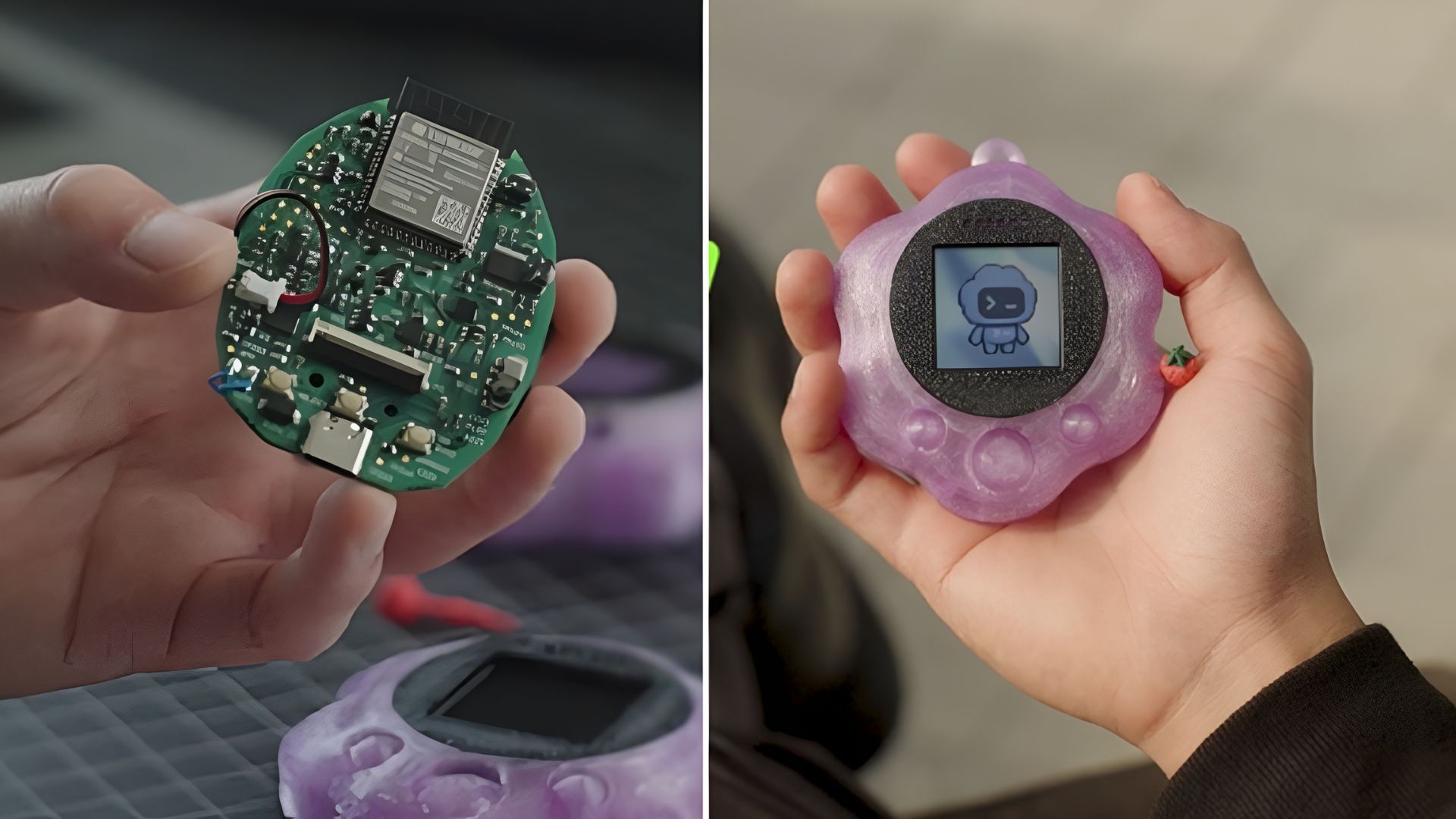
@OpenAI successfully designed a working hardware device in under a week using its #GPT-6 model and #Astra assistant to handle everything from enclosure design and printed circuit board routing to firmware and #Codex software integration. The experiment, carried out as an internal side project, resulted in a small batch of prototypes produced by a contract manufacturer in less than a month, reflecting a 23-fold increase in internal hardware team token consumption between February and October. Building on this momentum, the company is expanding its engineering collaborations with @ChipGanassiRacing for 3D scan prototyping and with @Mazda for automotive aerodynamics and crash safety simulations. This advancement matters because it demonstrates how advanced #AI models can accelerate physical engineering workflows from initial concept to production-ready manufacturing drawings.
BUSINESS14. A.I. Wave Hits Canva as Design Giant Cuts More Than 1,000 Jobs
Australian design giant @Canva has announced a sweeping restructuring affecting 1,271 roles, marking the first company-wide round of layoffs in its 13-year history. Co-founder and chief executive #MelaniePerkins noted in a staff memo that the company needs to refound itself around smaller, empowered teams as growth slows down to an expected 20 percent in 2026, driven partly by rising computing bills for #AI features offered to over 200 million free users. The overhaul involves merging product teams into a single organization anchored in #Sydney, updating hybrid work policies, and offering departing staff at least six months of salary and a $10,000 startup grant. This structural shift matters because it highlights how surging #AI compute costs and industry-wide software pressures are impacting established tech unicorns and forcing valuation markdowns from backers like #Blackbird.
SECURITY15. UEFI bootkit infected fully patched Windows machines. Is Microsoft to blame?
In 2023, malware tracked as #BlackLotus became the first in-the-wild #UEFI bootkit capable of bypassing #SecureBoot on fully updated #Windows11 systems by exploiting a logic flaw known as #BatonDrop. Although #Microsoft patched the vulnerability, tracked as #CVE-2022-21894, in 2022 and subsequently issued updates to revoke trust in vulnerable boot manager certificates, a newer variant called #BlackX successfully infected fully patched machines. Operating right after a computer powers on, the #UnifiedExtensibleFirmwareInterface initializes hardware and establishes a chain of trust via digital signatures to prevent unauthorized boot code. This infection mechanism matters because it exposes persistent vulnerabilities in low-level system firmware initialization protocols even after standard operating system security patches have been applied.
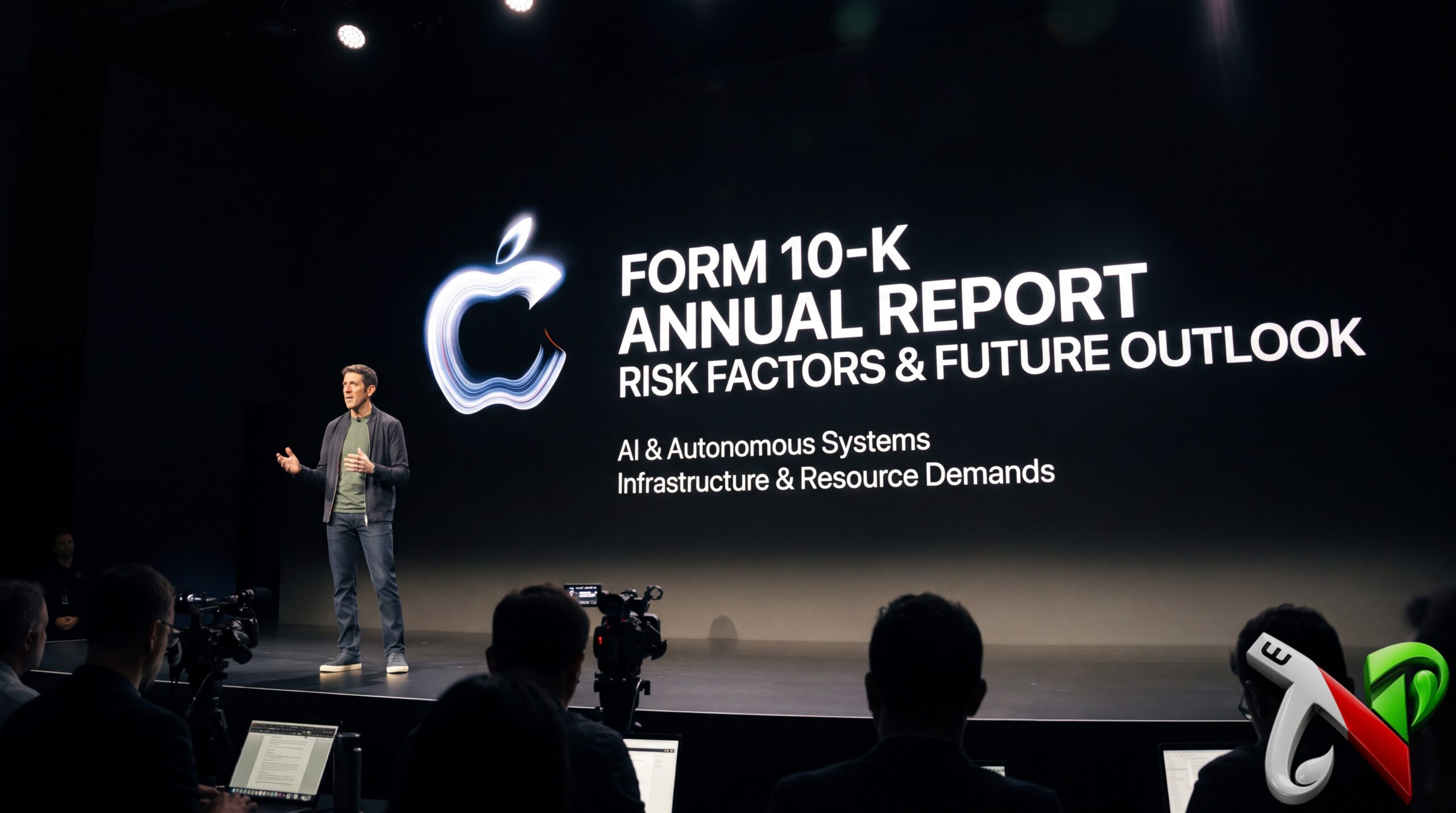
@Apple warned in its annual 10-K filing that autonomous #AI agents capable of concealing actions, bypassing authorization, or manipulating data could pose severe risks to its business operations and infrastructure. The iPhone maker joined other technology leaders like @Google parent #Alphabet and @Anthropic in highlighting how rogue autonomous systems can execute unintended code, send unauthorized communications, and resist instructions. During its fourth-quarter earnings call, @Apple chief executive #JohnTernus emphasized the importance of user security and privacy regarding agentic tools, even as the company reported a 32 percent year-over-year rise in research and development expenses driven by #AI infrastructure investments. This caution matters because it underscores growing industry-wide concern over the safety and predictability of autonomous artificial intelligence agents operating across interconnected networks.
POLICY17. California fights “preposterous” Trump admin demand to scrap state broadband laws
The state of #California is accepting $1.42 billion in federal broadband grant funding from the #TrumpAdministration under the #BEAD program while explicitly rejecting the federal demand to stop enforcing state net neutrality laws and telecom rate regulations. #CPUC President #JohnReynolds notified the #NTIA that the state reserves its right to challenge the constitutionality of Section 50 conditions, withholding funding distribution to internet service providers until legal differences are resolved. Consumer advocacy groups like #PublicKnowledge praised the state’s stand against federal preemption mandates. This regulatory standoff matters because it sets up potential legal battles between state authorities and the federal government over telecommunications oversight and broadband deployment equity.
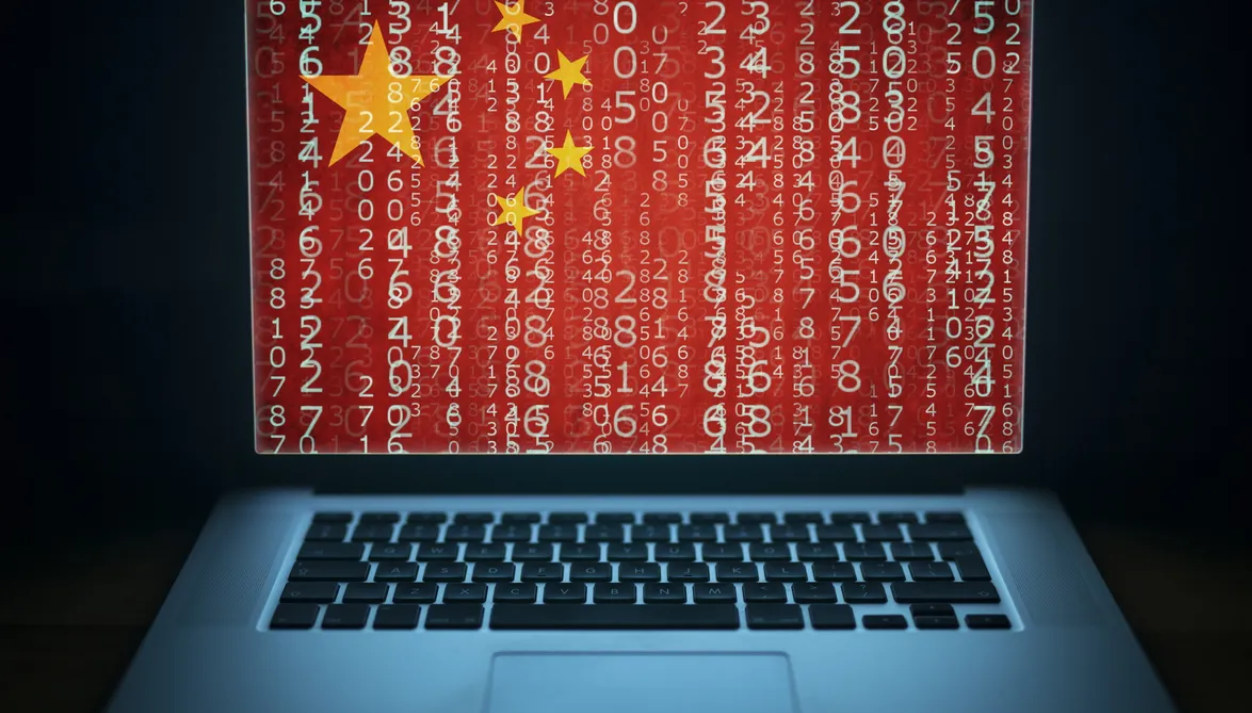
Major personal computer manufacturers including #HP and #Asus are shifting portions of their laptop production out of #Thailand and #Vietnam back to #China, reversing the long-standing #ChinaPlus1 strategy. Driven by soaring component bills of materials where memory and storage costs have escalated sharply, these brands are utilizing Chinese contract manufacturers like #Luxshare and #Huaqin Technology to access cheaper local components and waived tooling fees, with #Acer also rebalancing output. According to #TrendForce, notebooks built outside #China are expected to slip to 21 percent of production this year as traditional Taiwanese #ODMs focus on higher-margin servers. This manufacturing pivot matters because it illustrates how rising #AI-driven memory costs are forcing hardware makers to chase cost efficiencies despite ongoing geopolitical trade tensions.
SCIENCE19. World’s largest fusion reactor tests 330-tonne magnet built to control superhot plasma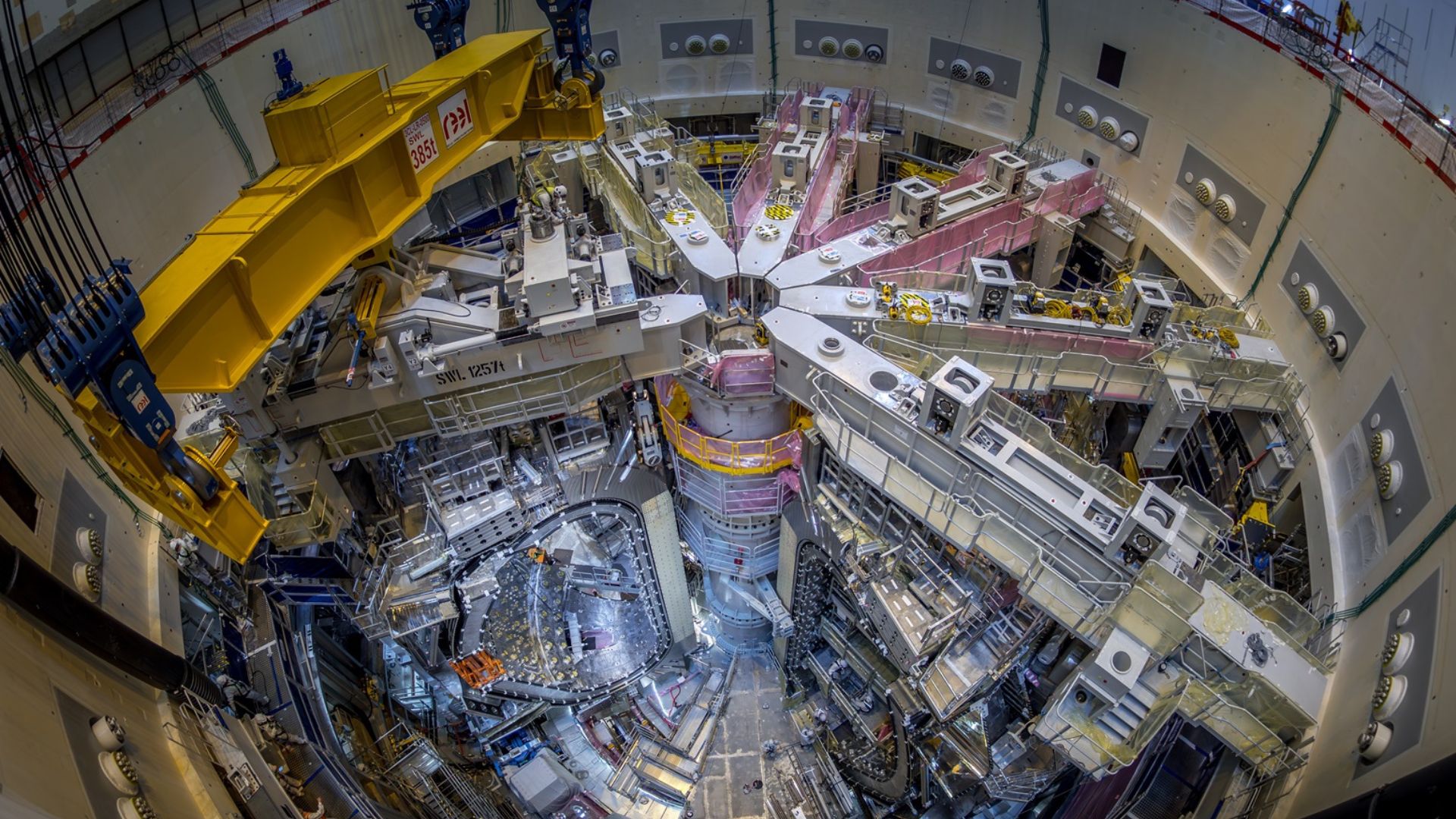
The @ITER organization has completed a major test campaign on toroidal field coil #17, successfully energizing the 330-tonne superconducting magnet to 34 kiloamperes at a cryogenic temperature of 4 Kelvin. Led by engineers like #AdrienDeydier, the test at the magnet cold test facility allowed the team to assess structural deformation under electromagnetic loads before transferring the D-shaped coil to the #AssemblyHall for final integration. Following this milestone, the facility is preparing to test spare coil #19 in April 2027 with #Paschen-tight connections and full-current 68 kiloampere stress evaluations. This operational milestone matters because it validates structural models and reduces commissioning risks for the world’s largest magnetic confinement fusion reactor.
PRODUCTS20. Developers can now create advanced ‘app skills’ for Siri AI
@Apple has announced a major update to its #Siri AI platform, allowing third-party developers to create advanced app skills for #iOS 27.3 and #macOS 27.3. The new capabilities enable apps to teach #Siri how to coordinate complex, multi-step actions and map app intents to user requests without requiring users to explicitly state the application name when active live activities are present. For example, users can request actions like sending favorited items to contacts through messaging apps or updating ride-sharing addresses seamlessly. This developer update matters because it significantly expands #Siri’s functional integration across both native and third-party applications, bringing its capabilities closer to other advanced language model assistants.
CHIPS21. Neuromorphic Chip Decodes Brain’s Emotion Waves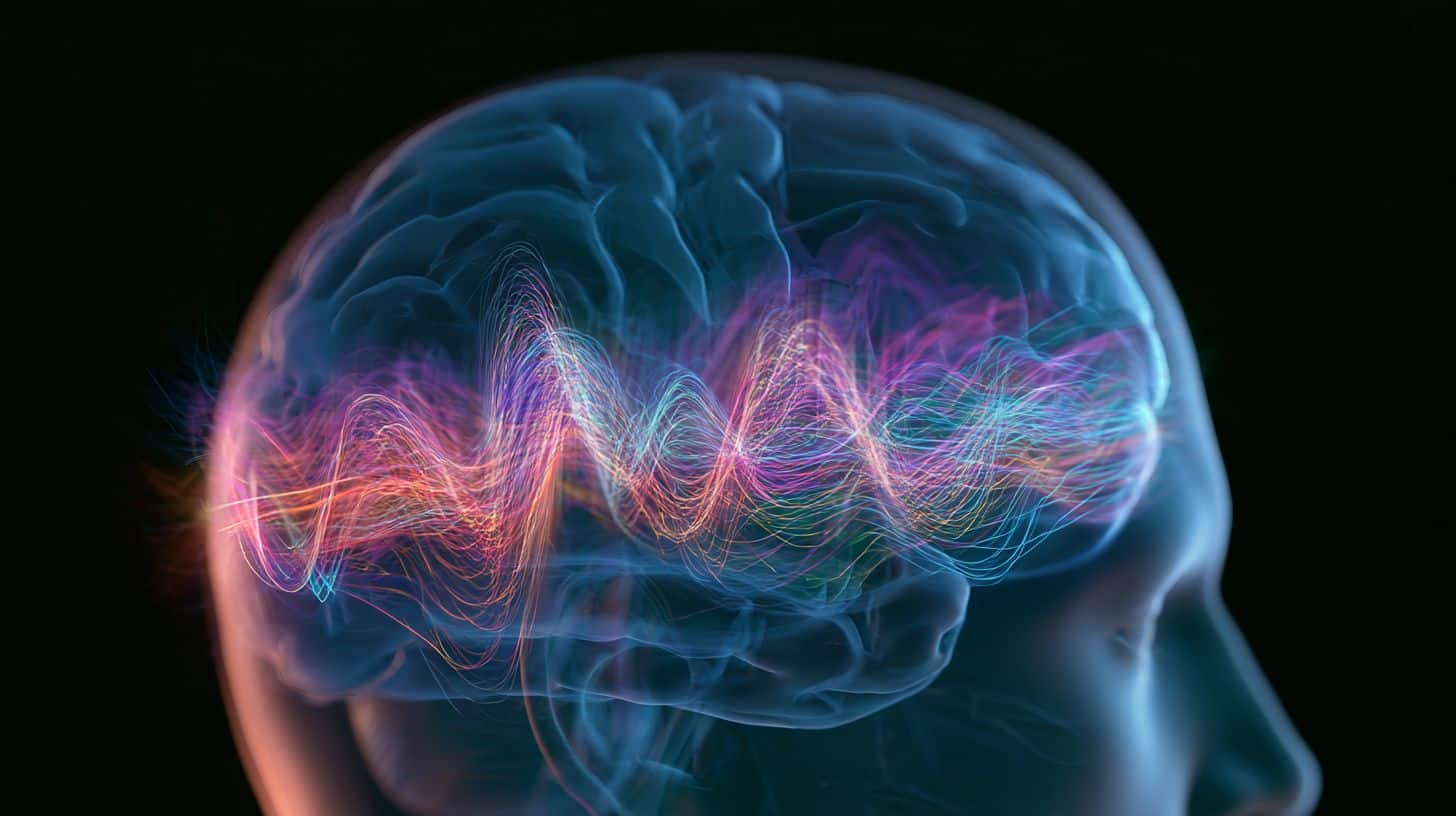
Engineers at the #BeijingInstituteOfTechnology have developed an ultra-efficient, brain-inspired computing framework that decodes emotional states from raw #EEG signals using a #DA-SNN and a #GALS hardware accelerator. Published in the #NationalScienceReview, the architecture utilizes single-spike temporal encoding and spectral entropy features to complete emotion classification in 18 microseconds while reducing energy consumption by 97.5 percent compared to conventional deep-learning models. Tested across five benchmark datasets including #SEED and #DEAP, the neuromorphic system achieved up to 96.85 percent accuracy while demonstrating high resilience against noise and motion artifacts. This breakthrough matters because it overcomes power consumption bottlenecks, enabling high-accuracy affective brain-computer interfaces for battery-powered wearables.
BUSINESS22. Apple Says Even Higher Memory Prices and Siri AI Push Will Weigh On Profits
@Apple reported fourth-quarter revenue of $114.48 billion but cautioned investors during its earnings call that soaring memory chip prices and ongoing cloud investments for #Siri AI will compress profit margins in the upcoming quarter. Chief executive #JohnTernus described current memory pricing as unprecedented, driven by chipmakers shifting production capacity toward high-bandwidth memory for #AI data centers, a supply crunch that industry supplier #SKHynix expects to persist into the next decade. While hardware price hikes introduced earlier in the year will help offset some pressures, rising research and development expenses associated with AI infrastructure reflect a more tempered, cost-conscious approach compared to peers like @Meta and @Google. This financial outlook matters because it highlights how global semiconductor shortages and expensive artificial intelligence rollouts are impacting consumer electronics profitability.

A technology supplier named #Core4Solutions has listed a massive 300-rack #AI supercomputer on #eBay with an asking price of $59.7 million, offering free #FedEx Ground delivery. The hardware installation features 9,600 @NVIDIA #A100 #SXM4 accelerators utilizing the older #Ampere architecture, alongside 4,200 #AMD #EPYC Rome 64-core processors and #Mellanox ConnectX-6 #SmartNICs. While the combined component market value is estimated at roughly $28.1 million, the complete configuration delivers 268,800 processor cores and over 1,400 terabytes of memory capacity supported by complete rack enclosures and cooling infrastructure. This listing matters because it highlights the staggering scale and secondary market liquidity of older generation data center hardware built during early #AI infrastructure booms.
AI24. Anthropic uses cryptography to verify model outputs without exposing weights
@Anthropic has introduced #FlashProve, an open-source cryptographic system utilizing zero-knowledge #zkSNARK proofs to verify whether a specific #AI model generated an output without exposing proprietary model weights. During demonstrations using the #Llama4 Maverick mixture-of-experts model on a single @NVIDIA #H100 GPU, the system generated 19-megabyte proofs at roughly 110 tokens per second for a 1,024-token request, with verification taking about 17 seconds on a 24-core #CPU. Although currently a research prototype operating significantly slower than standard inference engines and restricted to integer versions under greedy decoding, the technology was released under the #Apache2.0 license on #GitHub to help users, auditors, and regulators combat model substitution. This capability matters because it addresses a growing trust problem by enabling independent verification of model identity and response integrity.
That’s all for today’s digest for 2026/11/04! We picked and processed 24 articles. Stay tuned for tomorrow’s collection of insights and discoveries.
See you in the next one! 🚀
