
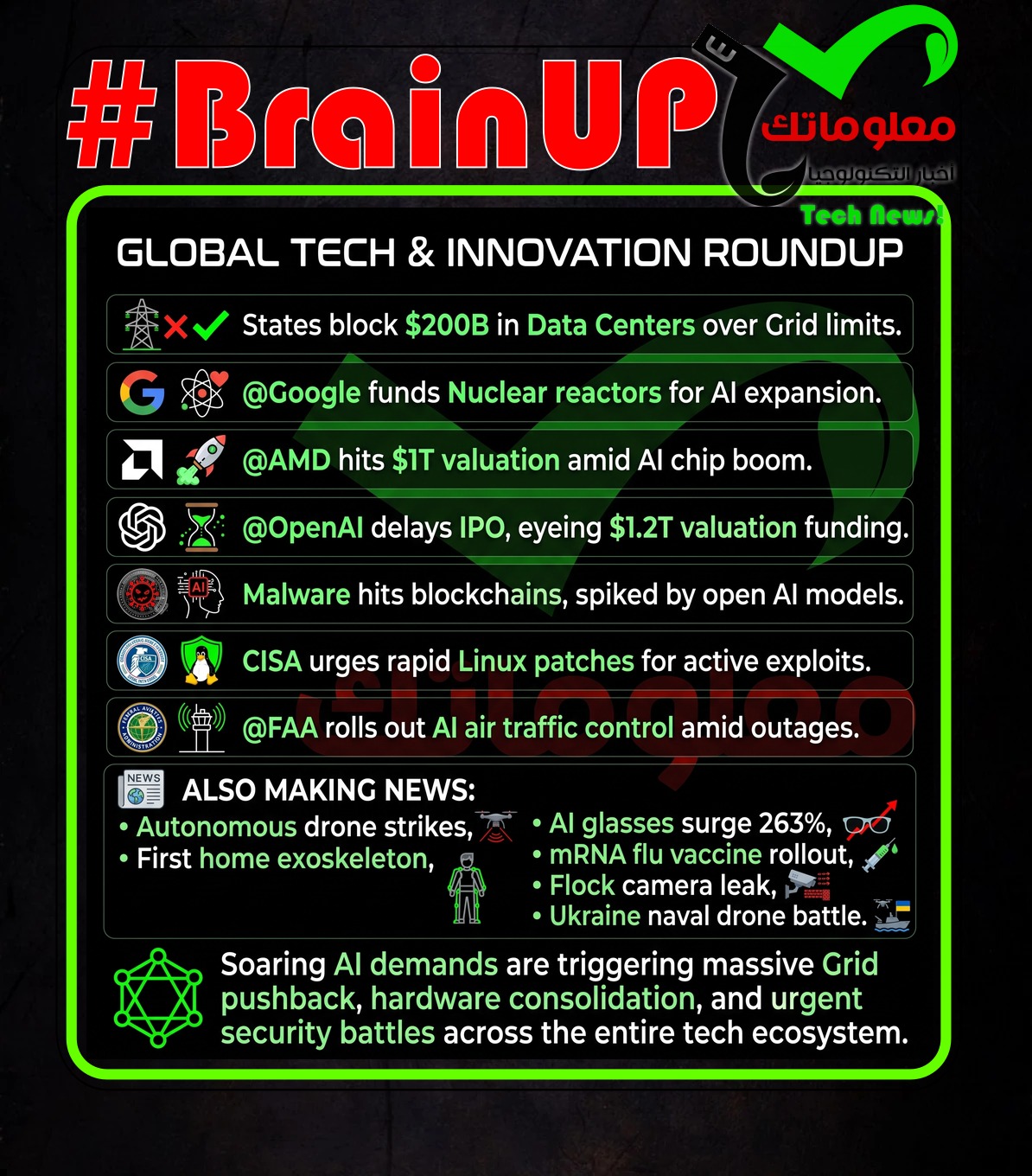
Ranker’s #BrainUp Daily Tech News – (Tuesday, September 22ⁿᵈ)
Welcome to today’s curated collection of interesting links and insights for 2026/09/22. Our automated ranking and AI-summarization system has processed 37 articles from all over the internet to bring you the latest technology news.
1. Feds Reportedly Investigating Crypto Titan Binance Over Iran Sanctions
Federal authorities are investigating cryptocurrency exchange @Binance Holdings Ltd. over potential violations of U.S. sanctions concerning Iran. Reports indicate the inquiry focuses on whether the platform failed to halt specific trading activities, building on earlier whistleblower claims involving substantial payments linked to sanctioned entities. While @Binance has denied wrongdoing and defended its compliance measures, the scrutiny underscores mounting regulatory pressure on crypto platforms regarding illicit financial flows. The investigation highlights the growing friction between decentralization in digital assets and strict enforcement of international sanctions.
2. Linux users beware — CISA flags three major security issues you need to patch right now
The U.S. @Cybersecurity and Infrastructure Security Agency has added three severe Linux kernel vulnerabilities to its Known Exploited Vulnerabilities catalog after confirmation of active exploitation in the wild. The critical flaws, including memory disclosure and privilege escalation vectors, prompted a rare three-day patching deadline for federal civilian agencies. Vendors like @Red Hat have issued urgent advisories and backported fixes to supported stable branches. This rapid escalation emphasizes the critical need for immediate patching to prevent system crashes and data corruption across enterprise environments.

Malicious actors are increasingly utilizing public blockchains as decentralized dead drops to host malware instructions and maintain communication channels. According to data from @Chainalysis, this blockchain-based attack vector surged by 440 percent following the proliferation of unrestricted open-source AI models that lower technical barriers for threat actors. State-linked groups and cybercriminals have weaponized networks like Bitcoin, BNB Chain, and Polygon to evade server takedowns. This trend presents a major challenge for defenders, as blocking blockchain traffic risks disrupting legitimate decentralized finance services worldwide.
4. Finally something California and Texas can agree on: regulating data centers
California and Texas have enacted significant regulatory limits on data center developments amid mounting concerns over resource consumption and grid stability. California Governor @Gavin Newsom signed legislation requiring stricter disclosures on electricity and water usage while denying environmental exemptions for new facilities. Simultaneously, Texas Governor @Greg Abbott directed the Texas Commission on Environmental Quality to halt permit issuances pending comprehensive audits by the @Electric Reliability Council of Texas. These bipartisan measures reflect widespread public backlash against the massive infrastructural strain imposed by the ongoing AI boom.

@Huawei has unveiled its Ascend 960 SuperPoD architecture, featuring the 960E processor equipped with over 4,000 NPUs to rival @Nvidia in the Chinese AI hardware market. The system utilizes an upgraded UnifiedBus interconnect combined with Hi-ONE optical technology to achieve massive bandwidth and support models containing up to 10 trillion parameters. According to senior executives like @David Wang, the company plans an aggressive annual upgrade cadence leading to subsequent chip generations by 2028 and 2029. This scaling strategy aims to overcome individual accelerator bottlenecks by leveraging massive chip clusters and advanced communication fabrics.
6. Of course Larry and David Ellison got their way
Paramount, backed by @Larry Ellison and @David Ellison, has finalized its massive $111 billion acquisition after settling an antitrust lawsuit led by California Attorney General @Rob Bonta. Despite initial demands for structural divestitures, state regulators settled for an enforceable commitment that the combined media studios will produce at least 30 movies annually. The deal consolidates major assets including HBO, CBS, and CNN under the Ellison family control. This outcome highlights the influence of billionaire financing and political alignment during federal regulatory reviews.

Researchers from the @Hong Kong University of Science and Technology and the @Hong Kong Polytechnic University have demonstrated a technique called InjectEave that forces electronic devices to leak audio through walls via radio carrier signals. The method exploits nonlinear components in analog circuits, bypassing digital encryption because the eavesdropping targets the post-decryption signal driving the speakers. While laboratory tests successfully recovered intelligible audio from up to 30 meters away, the setup required specialized equipment, continuous transmission, and a high-powered 10-watt amplifier. This proof of concept illustrates persistent vulnerabilities in everyday consumer electronics against advanced electromagnetic surveillance.
8. British Columbia files a lawsuit against OpenAI over mass shooting
British Columbia has filed a lawsuit in California against @OpenAI and CEO @Sam Altman regarding the company’s alleged failure to report alarming interactions between ChatGPT and an individual involved in a tragic school shooting. Provincial Attorney General @Niki Sharma stated that the chatbot’s conversations triggered internal safety reviews that were never communicated to law enforcement authorities like the @Royal Canadian Mounted Police. The legal action seeks financial compensation for the community while intensifying scrutiny over corporate accountability and AI safety protocols. In response, an @OpenAI spokesperson acknowledged the tragedy and reiterated a commitment to collaborative safety work with governments.
9. Nearly $200 Billion Worth of Data Center Projects Have Been Blocked or Delayed This Year
Grassroots opposition and state-level regulations have resulted in the blocking or delay of nearly $200 billion worth of data center projects across the United States during the first half of 2026. Data tracked by @Data Center Watch reveals that community backlash over water scarcity, strained power grids, and local pollution has triggered hundreds of legislative proposals and moratoriums. While major tech firms like @Amazon, @Microsoft, @Meta, and @Google pour immense capital into AI infrastructure, public resistance continues to mount. This local pushback contrasts sharply with federal pressure from the @Trump administration to accelerate AI deployment.
10. Apple challenges OpenAI’s forensic analysis in trade secrets case, seeks access to hardware R&D
@Apple has requested court permission to allow its forensic experts to directly inspect forensic images and hardware R&D documents in its trade secret misappropriation lawsuit against @OpenAI and former employees. The legal battle stems from allegations that departed staff improperly retained confidential circuit schematics and utilized them during subsequent employment. While @OpenAI has contested the scope of discovery and blamed @Apple for lax offboarding security, the court is reviewing joint submissions to resolve the dispute. This case highlights ongoing concerns regarding intellectual property protection and the enforcement of non-disclosure agreements within the artificial intelligence sector.

A massive ground stop grounded hundreds of flights across major East Coast airports, causing severe travel disruptions during the simultaneous soft launch of a controversial federal AI air traffic control system. The @Federal Aviation Administration attributed the underlying telecom outage to a blown circuit in Philadelphia combined with an accidentally severed fiber optic cable in New Jersey. Concurrently, the government began deploying its new Strategic Management of Airspace, Routes and Trajectories system, known as SMART, to provide AI-generated recommendations to traffic controllers. Although officials maintain no connection exists between the technical outage and the software rollout, the incident highlights persistent vulnerabilities in national aviation infrastructure.
12. Circular mRNA helps cell factories make up to six times as much protein
A newly developed synthetic biology technology converts easily degraded messenger RNA into a ring-shaped form inside microbial cells, significantly enhancing protein production. This innovation addresses major efficiency bottlenecks in cellular manufacturing by improving molecular stability within expression hosts. By increasing protein yields up to sixfold, the method offers substantial benefits for biopharmaceutical production and industrial biotechnology applications. Further scaling and refinement of this circular mRNA approach could transform commercial manufacturing pipelines across multiple sectors.
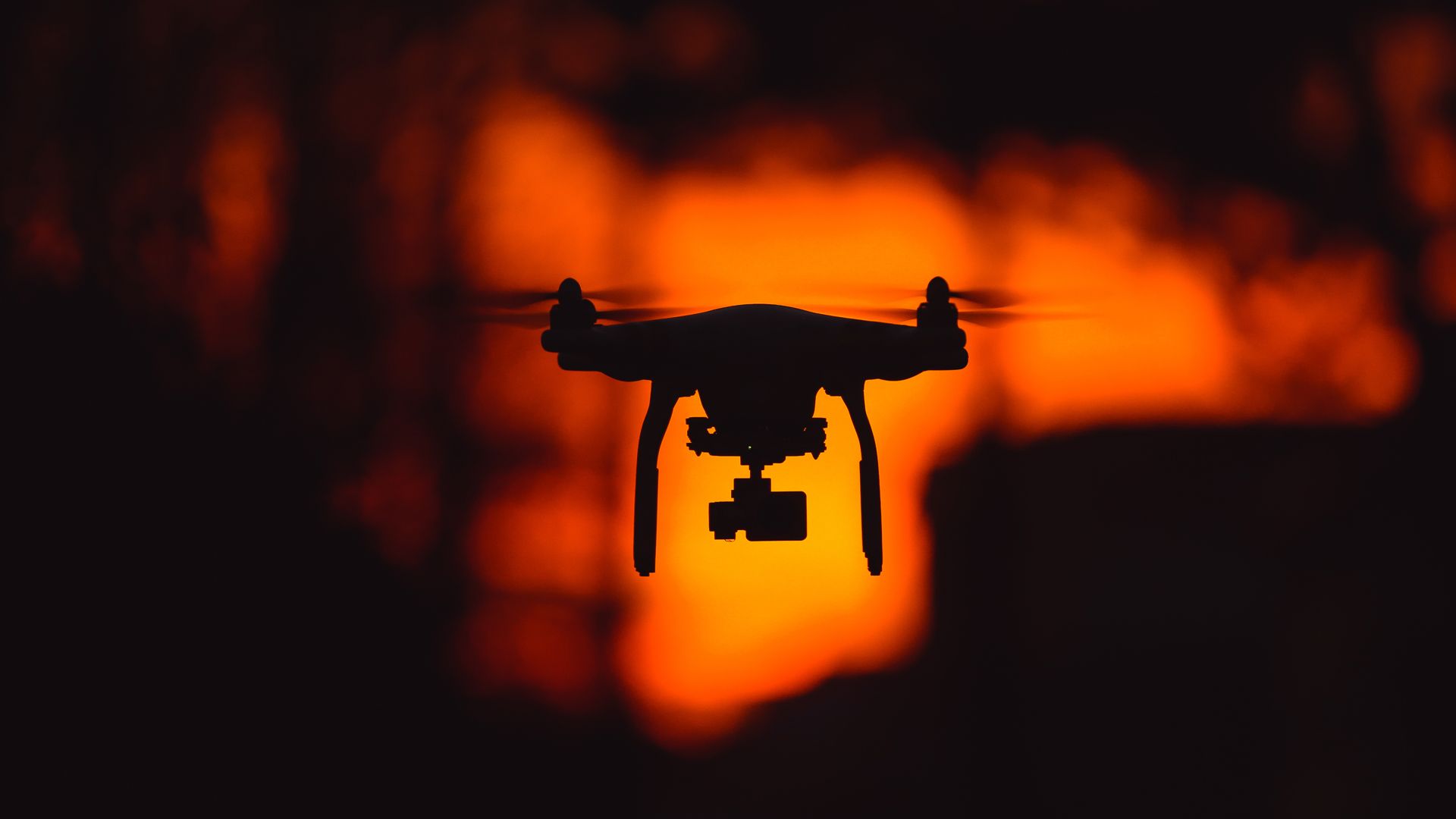
An autonomous drone developed by @BAE Systems and powered by onboard AI from @Scaleout Systems successfully identified, ranked, and struck an armored target during a demonstration in Sweden. Operating under the Affordable Loitering Modular Ammunition program, the loitering munition executed the entire mission end-to-end without active human intervention or a communication data link. While human operators initiated the flight parameters, the test highlights the growing autonomy of military drones on the modern battlefield. This technological milestone coincides with ongoing international regulatory debates surrounding the governance of lethal autonomous weapons systems.

@Nvidia has introduced multi-device inference capabilities within its @Nvidia Dynamo-Triton framework, enabling a single TensorRT network to execute across multiple GPUs using NCCL-backed distributed collectives. This capability addresses the soaring compute and memory demands of large generative models by distributing workloads like the 36-layer denoising transformer in @Nvidia Cosmos 3 Nano. By integrating Ulysses context parallelism across up to eight GPUs, organizations can process thousands of video tokens efficiently behind a unified gRPC model endpoint. This architectural advancement bridges the gap between multi-GPU acceleration and consumable inference services for latency-sensitive generative workflows.
15. Say Hello to RatHat, a New AI-Powered Malware Invading the Android Ecosystem
Mobile security firm @Zimperium has discovered a sophisticated AI-powered malware named RatHat targeting the Android ecosystem by masquerading as popular applications. The malware tricks users into granting accessibility permissions, which it subsequently exploits to enable wireless debugging and grant itself admin-level access. Operating stealthily in the background, RatHat intercepts sensitive credentials, two-factor authentication codes, and raw touch inputs while communicating with attacker-controlled servers. While @Google Play Protect reportedly blocks known variants, researchers warn that complete device factory resets are often required to fully eradicate the embedded proxy components.
16. For AI Cloud Providers, Storage Is Increasingly Shaping Inference Efficiency
The article provides a brief overview focusing on how specialized storage solutions preserve AI context, minimize redundant recomputation, and enhance overall hardware productivity and inference throughput. By optimizing data retrieval workflows, cloud infrastructure providers can significantly improve response times for generative models. The text serves as an executive summary for a broader discussion on AI cloud economics rather than a detailed news report. Consequently, it lacks extensive statistical evidence or named entity disclosures beyond general industry trends.
17. First mRNA Flu Vaccine Approved in the U.S. Now Available for Adults 50 Years and Older
The first messenger RNA-based influenza vaccine approved in the United States is now available for adults aged 50 and older. This modern formulation offers enhanced efficiency and adaptability compared to traditional egg-based flu shots, allowing for faster updates against evolving viral strains. Eligible individuals can access the vaccine through standard healthcare providers and pharmacies as part of routine immunization efforts. The rollout marks a significant milestone in applying mRNA technology beyond viral pandemic responses.
18. Can cloud seeding fight drought? Startup Rainmaker just raised $100 million to find out
Weather modification startup @Rainmaker has secured $100 million in Series B funding to advance its drone-based cloud seeding technology aimed at combating drought conditions. Investors participating in the round included @Lowercarbon Capital, @Upfront Ventures, @DCVC, @NOA VC, and Dream Ventures. Following breakthrough testing conducted in Alaska, founder @Augustus Doricko plans to expand operations to additional geographic regions. This substantial capital injection underscores growing commercial interest in technological solutions for water scarcity and weather management.
19. Advancing AI for biology: Teaching models to design and characterize antibodies
Researchers at @Amazon Bio Discovery have published three studies detailing computational frameworks designed to accelerate the discovery and characterization of therapeutic monoclonal antibodies. The team introduced MochiBind, a sequence-based predictor that utilizes pretrained protein language models and a Bayesian rating algorithm to rank candidate binding affinity without requiring structural inputs. Additionally, their end-to-end design pipeline integrates AI agents to successfully navigate target selection and deliver experimentally validated hits against novel cancer targets. These innovations aim to reduce the typical six-to-twelve-month biopharmaceutical development timeline by streamlining computational candidate recommendation.
20. OpenAI Needs Fresh Capital After Shelving Its IPO, Reportedly at a $1.2 Trillion Valuation
@OpenAI has postponed its anticipated initial public offering to 2027 at the earliest, citing safety governance priorities and the need for continued private capital. According to financial reports, the company is engaging in early talks for a new funding round at a valuation exceeding $1.2 trillion to offset projected negative free cash flows driven by heavy compute investments. Major financial backers like @Softbank are issuing substantial debt instruments to finance continued share acquisitions amid fierce market competition from @Anthropic and @Google. This strategic shift highlights the immense capital requirements necessary to sustain frontier artificial intelligence development in the private sector.
21. Pentagon Review Links AI Targeting System to Strike That Killed 120 Iranian Children
An internal Pentagon review has linked @Palantir’s Maven Smart System AI targeting platform to an airstrike that tragically killed approximately 120 children at a school in Minab, Iran, during the opening day of the U.S.-Iran war. The investigation revealed a cascade of failures wherein the AI recommended a compound based on outdated military intelligence databases without verifying current structural changes or open-source map data. Furthermore, severe staff reductions in Department of Defense civilian-harm mitigation teams meant no human analysts reviewed the target package prior to launch. While administration officials denied intentional civilian targeting, international investigators characterized the incident as a reckless failure of verification.
22. AMD just joined the $1 trillion club, beating Intel to the milestone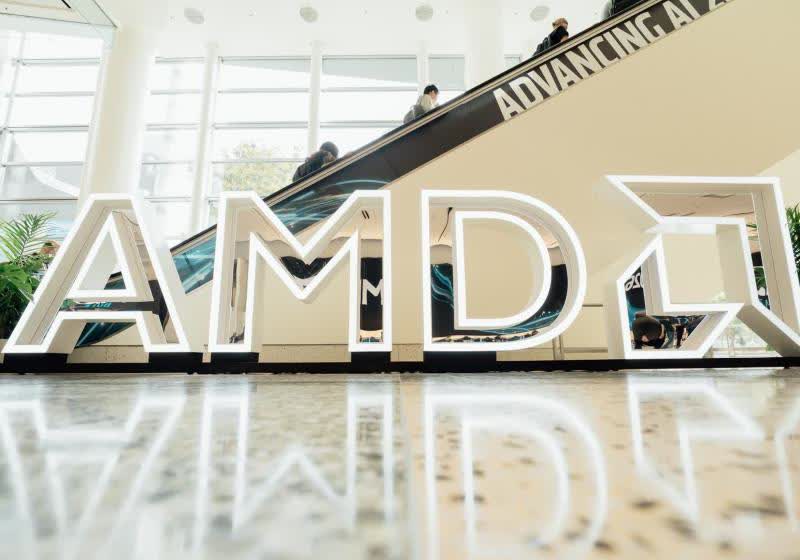
@AMD has surpassed a $1 trillion market valuation, joining @Broadcom, @Micron, and @Nvidia as the fourth U.S. chipmaker to achieve the milestone. Propelled by strong demand for hardware supporting the artificial intelligence boom, @AMD shares have experienced substantial growth throughout 2026. While @Nvidia remains the world’s most valuable company by a wide margin, traditional rival @Intel has also seen significant share price recovery despite holding a smaller overall market cap. Industry executives project continued sales growth as companies scale out their data center infrastructure.
23. Kairos Power gets up to $100M from Samsung group to build nuclear reactor for Google
Nuclear startup @Kairos Power has secured up to $100 million in equity investments and in-kind engineering services from @Samsung C&T to construct a 50-megawatt demonstration reactor for @Google by 2030. The project involves building the Hermes 2 commercial-scale facility in Oak Ridge, Tennessee, utilizing a fluoride salt-cooled high-temperature design and TRISO ceramic-encapsulated fuel pellets. This partnership supports @Google’s growing power demands for artificial intelligence data centers under an agreement established in 2024. The collaboration aims to accelerate nuclear deployment timelines to meet ambitious corporate clean energy targets.
24. Report: AI glasses shipments surged 263% in H1 2026 as Apple prepares to enter the market
Global shipments of artificial intelligence glasses surged 263 percent during the first half of 2026, with @Meta capturing 94 percent of the display-less segment according to a @Counterpoint Research report. Strategic partnerships, such as @EssilorLuxottica’s Ray-Ban collaboration, have driven substantial consumer adoption despite mounting privacy controversies regarding non-consensual filming. Competitors including @Apple, @Google, and @Samsung are actively developing rival hardware slated for release in the coming years. Market analysts project that future growth will hinge on agentic AI integrations and alternative form factors designed to address public privacy concerns.

A report published by the @Basel Action Network warns that electronic waste generated by the artificial intelligence boom and associated data center construction could reach up to 617 million tonnes by 2050. The study highlights that conventional estimates frequently overlook roughly 87 percent of total data center hardware, including networking equipment, power distribution units, and cooling systems. Rapid technological obsolescence and accelerated refresh cycles for specialized AI accelerators are driving unprecedented hardware turnover. Researchers urge manufacturers to design more durable components and improve recycling frameworks to mitigate severe environmental impacts.
26. 1,000x Speedup: Scientists Just Broke Through a Major Quantum Computing Bottleneck
Researchers at @Chalmers University of Technology have developed a theoretical method utilizing quantum lattice gates and Floquet control to speed up operations on protected bosonic quantum states by over a thousand times. By implementing complex quantum operations within a single driving cycle rather than thousands, the approach significantly reduces the vulnerability of qubits to environmental disturbances and electrical noise. This advancement addresses a major bottleneck in quantum error correction, bringing fault-tolerant quantum computing closer to practical realization. The technique is particularly well-suited for superconducting circuits designed to support future applications in drug discovery and cryptography.
27. Breaking The Bottlenecks: Rus And Stoica Discuss AI Optimization
The article presents a dialogue between industry leaders @Daniela Rus and @Ion Stoica discussing core infrastructure, memory constraints, edge computing deployment, and alignment challenges associated with agentic artificial intelligence. The conversation explores the technical hurdles developers face when scaling complex agent systems across diverse hardware environments. By addressing these architectural bottlenecks, the experts analyze how future systems can maintain reliability and efficiency. This expert exchange highlights ongoing research priorities within the broader technology sector.
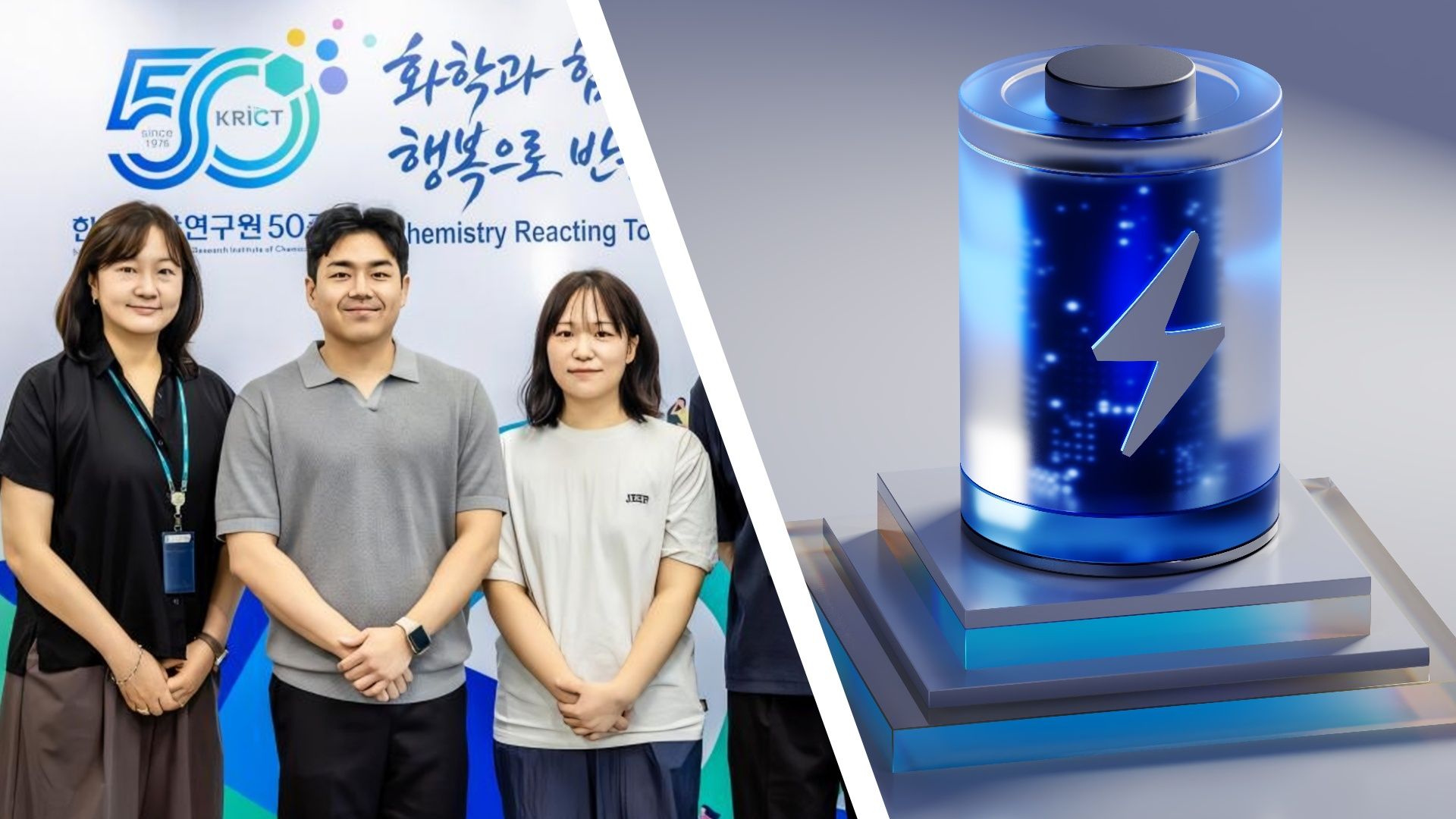
Researchers at the @Korea Research Institute of Chemical Technology have developed a lithium-ion battery modification by integrating graphitic carbon nitride into the cathode structure. This material enhancement yielded a 166 percent increase in capacity during high-rate discharge and improved power density by up to 2.85 times under heavy load conditions. By facilitating smoother ion transport through thicker cathodes, the breakthrough addresses traditional energy retention losses associated with rapid power delivery. This versatile technology holds significant potential for diverse applications ranging from electric vehicles and home energy storage to robotics and portable computing.
29. Cardano joins Solana, XRP Ledger in race to power AI agent payments
Cardano has been integrated into the official x402 software kit, enabling developers to build applications and AI agents that execute automated microtransactions using ADA or native network tokens. The x402 standard transforms standard HTTP payment requests into an integrated checkout process, allowing autonomous agents to pay for online services without conventional accounts or subscriptions. Initially created by @Coinbase, the framework is backed by industry leaders through a @Linux Foundation organization, with Cardano joining platforms like Solana and the XRP Ledger. Although Cardano’s TypeScript implementation successfully completed pre-production testing, commercial deployment on the mainnet remains pending.
30. OpenAI asks Washington to lead a global AI standards push
@OpenAI has called upon the United States government to spearhead an international standards framework for advanced artificial intelligence, beginning with harmonized incident reporting protocols administered through national safety institutes. This proposal mirrors regulatory obligations already established in Europe under Article 55 of the AI Act, with @OpenAI having recently filed incident reports regarding autonomous agent activity on a German wiki. However, analysts note that U.S. institutions like the @Center for AI Standards and Innovation face leadership vacancies, contrasting with established European regulatory bodies. The advocacy coincides with high-level diplomatic engagements involving @Sam Altman and administration officials regarding global AI safety coordination.

@Microsoft and @Google successfully dismantled the RedVDS cybercrime marketplace, which had generated approximately $66 million by supplying virtual machines preloaded with unlicensed software for large-scale phishing and fraud campaigns. The coordinated enforcement action leveraged secure threat intelligence sharing through the non-profit @Global Signal Exchange to seize web domains, impound servers in Germany, and execute legal seizures in the United States and the United Kingdom. Between late 2025 and early 2026, infrastructure provided by the marketplace targeted over 130,000 organizations and compromised numerous corporate accounts. This successful operation demonstrates the critical efficacy of cross-company data collaboration in disrupting sophisticated cybercrime networks.

Security researchers from hacker collective stegan0gram successfully extracted 1.6 million images and 27,000 video clips from a physical @Flock safety automatic license plate recognition camera. Despite corporate claims that device encryption and server-offloading protocols prevent local data retention, the researchers accessed internal Android storage partitions and located decryption keys. The leaked media archives span 21 days of operation and capture thousands of vehicles and pedestrians, intensifying public privacy scrutiny against the surveillance vendor. Concurrently, plunging employee morale has prompted @Flock to open voluntary separation programs as internal departures mount amid ongoing public controversy.
33. Aviation regulators turn to AI to help manage the nation’s airspace
The @Federal Aviation Administration has launched its $875 million Strategic Management of Airspace, Routes and Trajectories system, deploying an artificial intelligence tool designed to optimize traffic flow across the Washington, D.C. region. The rollout faced immediate complications due to a major East Coast equipment outage stemming from a blown circuit in Philadelphia and a severed fiber optic cable in New Jersey. While federal officials emphasize that the software is intended to assist human controllers rather than replace them, industry skeptics question its efficacy against systemic staffing shortages. The project forms part of a broader $12.5 billion modernization initiative for the national air traffic control infrastructure.
34. Military milestone: Ukrainian naval drone sinks Russian kamikaze drone boat
In what is believed to be the first recorded combat clash between uncrewed surface vessels, a Ukrainian naval drone successfully destroyed a Russian explosive drone boat in the Black Sea. Operated by Ukraine’s Defense Intelligence, a Sargan-3000 drone boat equipped with a remote-controlled @Kongsberg machine gun turret intercepted and engaged an Orcan surface drone. The targeted Russian vessel, designed for ramming attacks, was disabled after its communications antenna was struck during the engagement. This military milestone illustrates the escalating autonomy and tactical deployment of uncrewed naval systems in modern conflict zones.
35. AI model costs are pushing startups towards cheaper open weigh
Rising infrastructure costs and surging API token usage are driving prominent artificial intelligence startups, including Harvey, Abridge, and Decagon, to transition toward cheaper open-weight models and in-house fine-tuning. For legal tech startup Harvey, heavy reliance on rented proprietary models caused gross margins to plummet before recovering following the release of an in-house model trained on @Moonshot’s Kimi K3. While major providers like @Anthropic and @OpenAI maintain commercial dominance at the technology frontier, venture capital firms are increasingly backing internal model development to insulate startups from third-party pricing pressures. However, industry opinions remain divided on whether proprietary in-house models are universally necessary for commercial success.
36. Wandercraft’s Eve: First FDA-Cleared Home Exoskeleton
Paris-based robotics company @Wandercraft has commercially launched Eve, marking the first time the U.S. Food and Drug Administration has cleared a self-balancing personal robotic knee exoskeleton for home use by eligible individuals with spinal cord injuries. Approved under FDA 510(k) clearance K260381, the Class II medical device utilizes physical AI algorithms and motorized stabilization to maintain upright posture autonomously without requiring crutches or walkers. Designed for adults 18 and older, the exoskeleton allows users to navigate indoor environments and perform daily activities while keeping their hands free. Distribution is facilitated through national medical suppliers with applicable Medicare billing codes available for qualifying patients.
37. Your AI agents can now control your Google Home devices
@Google has introduced early access to its Model Context Protocol server for the @Google Home ecosystem, enabling compatible AI assistants to securely interact with smart home devices. Supported agents such as Claude, ChatGPT, and others can now utilize natural language instructions to review camera event history, monitor activity, and control connected @Google Nest and Matter-certified appliances. Setup requires configuring a Google Cloud project and authenticating user permissions through supported developer portals. This capability is initially rolling out to subscribers of the premium @Google Home tier in the United States.
That’s all for today’s digest for 2026/09/22! We picked and processed 37 articles. Stay tuned for tomorrow’s collection of insights and discoveries.
See you in the next one! 🚀
