
How Containerized 3D Printing Is Rewriting the Rules of Naval Warfare
Key points
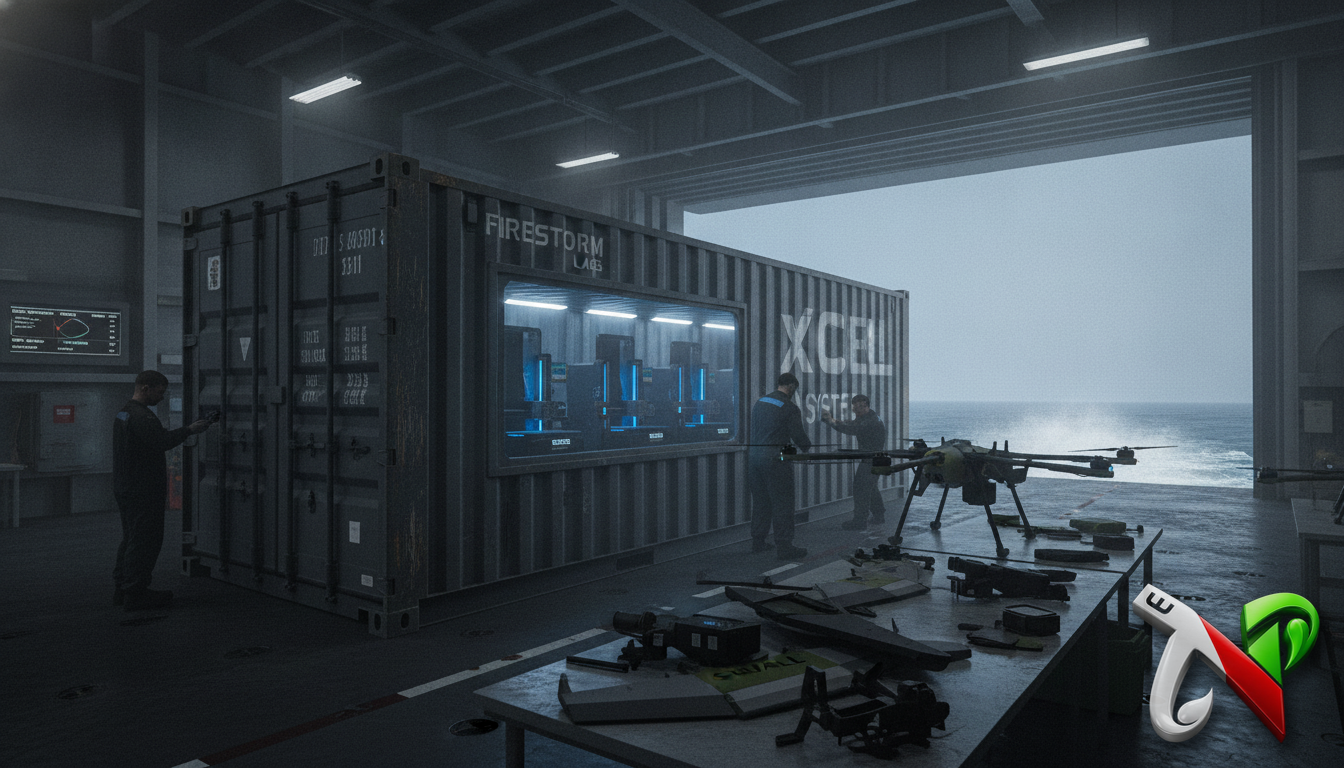
- During a voyage toward the 2026 RIMPAC exercise, the amphibious assault ship USS Essex operated a containerized 3D printing microfactory built by Firestorm Labs 1.
- Using the company's xCell system while underway and battling Sea State 5 conditions, personnel produced over 1,000 individual parts and assembled 12 Squall first-person-view drones 1.
- The deployment highlights a broader Pentagon push toward distributed mass, including the Low-Cost Containerized Munitions initiative to procure over 10,000 missiles across three years 1.
The Floating Microfactory At Sea
When the USS Essex deployed toward the upcoming 2026 Rim of the Pacific exercise, it carried something far more valuable than a static stockpile of finished military hardware. It brought an organic, onboard manufacturing capability. Housed inside a standard containerized footprint, a production line developed by Firestorm Labs operated directly on the ship while it was underway. Personnel utilized the xCell additive manufacturing system to fabricate more than 1,000 individual components, successfully assembling a dozen Squall first-person-view drones while cutting through rough seas.
Remarkably, this manufacturing output was not halted by adverse environmental conditions. The microfactory continued to produce test components and vital ship repair parts even as the vessel navigated challenging Sea State 5 weather. This operational milestone demonstrates that advanced production technology can leave the controlled environment of a land-based industrial park and function reliably in the harsh, dynamic conditions of a deployed warship.
Shifting From Scale To Speed
Modern military thinking is undergoing a profound structural pivot. For decades, strategic doctrine favored exquisite, highly complex individual platforms designed to dominate through sheer technological superiority. Today, that calculus is giving way to an era where mass, affordability, and adaptability reign supreme. A battlefield saturated with inexpensive autonomous systems can systematically overwhelm a smaller force of ultra-expensive assets, making production scale and rapid replacement the core strategic advantages of the modern era.
This philosophy underpins several major Department of Defense initiatives aimed at operationalizing distributed mass. Following the political foundation laid by the 2023 Replicator program, efforts like the Low-Cost Containerized Munitions initiative have moved forward aggressively. In May 2026, the Pentagon established framework agreements with multiple defense contractors to manufacture more than 10,000 low-cost containerized missiles over a three-year span, backed by a sprawling federal budget request prioritizing mass production.
Compressing The Tactical Supply Chain
Beyond sheer volume, putting manufacturing capabilities at the tactical edge fundamentally alters how military units solve operational problems. Historically, identifying a technical deficiency meant submitting requests through a lengthy rear-echelon chain of command, acquisition offices, and testing organizations, often resulting in a wait time of months or years for a redesigned part. Containerized additive manufacturing collapses that timeline entirely.
When a deployed unit can instantly redesign, test, and fabricate a modified drone component or sensor package directly in theater, the friction between invention and combat disappears. Structural layouts and modifiable blueprints can be updated on the fly to counter emerging enemy tactics. By bringing the factory floor to the front lines, military logists are turning adaptability into an immediate, localized capability rather than a distant bureaucratic promise.
Primary sources
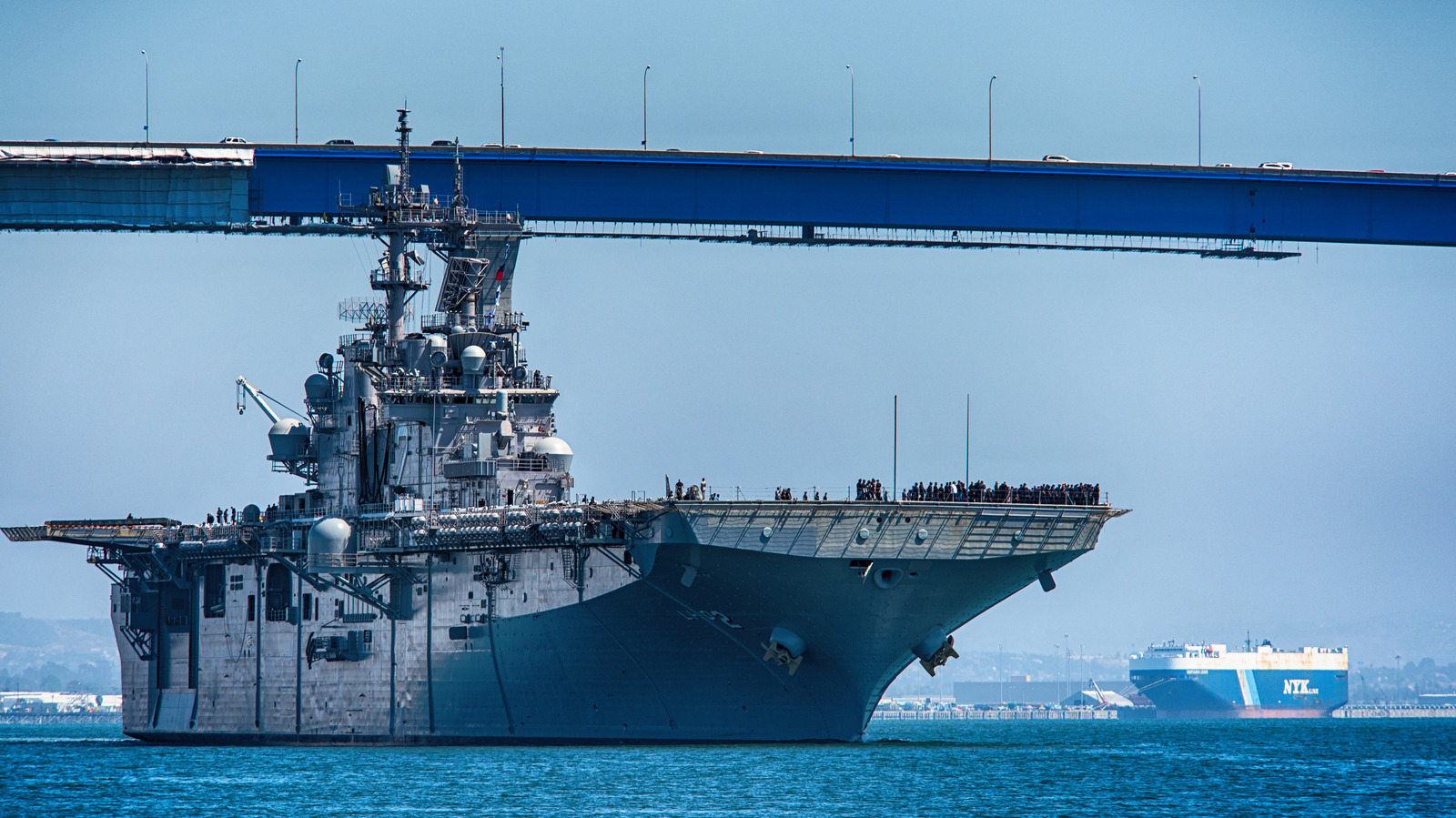 3D-Printed Drones At Sea Could Change The Game For The US Navy (slashgear.com) – An article published on SlashGear detailing the deployment of a containerized 3D printing microfactory by Firestorm Labs aboard the USS Essex during its voyage toward the 2026 RIMPAC exercise. The piece explores how the xCell system enabled sailors to print over 1,000 parts and assemble 12 Squall FPV drones in rough seas, and connects this milestone to broader Pentagon distributed mass strategies like the Low-Cost Containerized Munitions initiative. Published on slashgear.com.
 Powered by News Ranker