
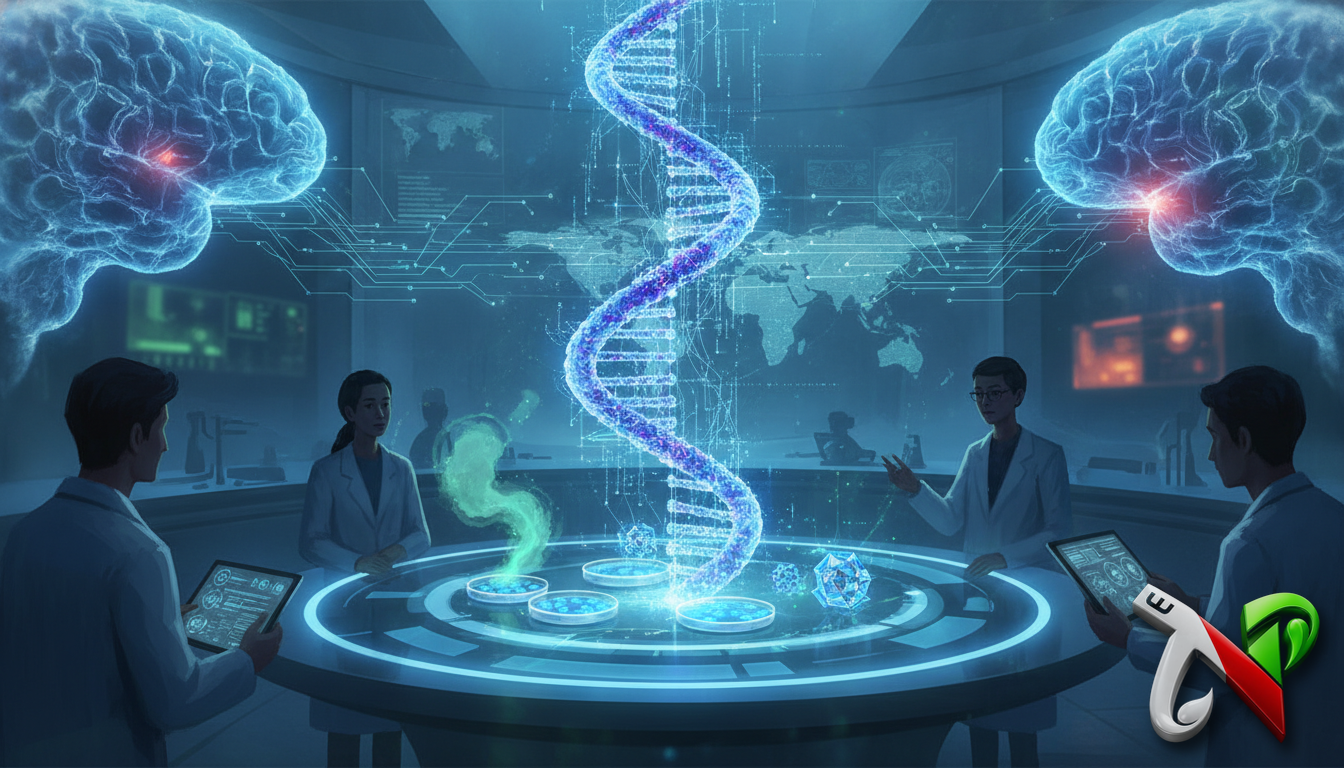
When Algorithms Write Life: AI-Designed Viruses Open a New Era of Medicine and Biosecurity
Key points
- Researchers at Stanford University and the Arc Institute used AI models called Evo 1 and Evo 2 to design whole viral genomes from scratch for the first time 1611.
- Out of nearly 300 AI-generated candidates synthesized in the lab, 16 proved viable and successfully killed antibiotic-resistant strains of E. coli 1311.
- While trained exclusively on bacteriophages – viruses that target bacteria – the breakthrough has intensified urgent global debates among biosecurity experts over the lack of regulation for generative biology 136.
- Independent analysts note that while the immediate hazard is low to moderate, the milestone demonstrates that genome language models can successfully navigate complex biological design constraints 49.
The Breakthrough in Silicon
In a milestone achievement for computational biology, researchers have successfully used artificial intelligence to design and build entirely new viral genomes from scratch 13. Led by scientists at Stanford University and the Arc Institute, the team utilized genome language models – the genetic equivalent of the large language models powering text-based chatbots – to generate functional blueprints for viruses that do not exist in nature 1311. Rather than merely editing existing pathogens or splicing familiar genes together, the systems predicted complex sequences end-to-end, unlocking a completely uncharted frontier in synthetic biology 311.
The underlying models, designated as Evo 1 and Evo 2, were trained on massive datasets comprising millions of genetic sequences spanning diverse domains of life 167. To maintain strict safety boundaries, the researchers purposefully excluded human, animal, and plant pathogens from the training data, focusing their efforts exclusively on bacteriophages – specialized viruses that target and destroy bacteria while posing zero threat to humans 137. Using the well-studied ΦX174 phage as a architectural guide, the AI generated thousands of candidate genomes, of which nearly 300 were chemically synthesized in the laboratory and introduced into bacterial cultures 169.
Killing Superbugs in the Lab
Out of the hundreds of candidate sequences manufactured in the lab, exactly 16 genomes proved viable, successfully producing living, replicating bacteriophages 139. These newly minted viruses demonstrated remarkable biological capabilities, possessing novel structural configurations, distinct gene arrangements, and unique regulatory elements that set them apart from any naturally occurring counterpart 69. Most importantly, when tested against strains of Escherichia coli that had developed natural resistance to conventional phages, a cocktail of these AI-designed viruses swiftly overcame the resistance and eradicated the bacteria 169.
This capability highlights an immense therapeutic promise, offering a potential lifeline in humanity’s escalating battle against antimicrobial resistance 6711. Traditional phage therapy relies heavily on discovering natural viruses that match specific bacterial strains, a slow and often limiting process 7. By contrast, generative biology could theoretically allow researchers to custom-design targeted antimicrobial treatments on demand, evolving treatments at a pace that mirrors fast-mutating pathogens 67.
The Urgent Biosecurity Debate
Despite the immense promise for medicine, the breakthrough has triggered immediate and profound alarms across the scientific and biosecurity communities 136. In commentaries published alongside the study in the journal Science, public health experts from the Johns Hopkins Center for Health Security warned that while the accomplishment is scientifically dazzling, the regulatory frameworks required to safely steer generative virology simply do not exist yet 137. Critics emphasize that malicious actors could potentially fine-tune similar models on dangerous pathogen data, bypassing the ethical safeguards implemented by the Stanford team 11.
At the same time, other synthetic biology experts urge a balanced perspective on the actual threat level. Some researchers point out that designing a tiny bacteriophage genome is vastly less complex than engineering a pathogen capable of infecting humans or complex organisms, and that physical controls on DNA synthesis manufacturers represent a more pragmatic choke point for safety 17. Nevertheless, the consensus among analysts is that the barrier between digital computation and physical biology has permanently shifted, making robust global oversight an urgent priority 3911.
Primary sources
- Safety fears as scientists make first viruses designed by AI (theguardian.com) – The primary Guardian report details Stanford's creation of AI-designed bacteriophages that kill resistant E. coli, alongside expert warnings on biosafety.
- Hopes & fears after scientists use AI model to create 16 new viruses not found in nature (cnn.com) – A CNN video segment introducing the creation of 16 new AI-generated viruses and the associated public reactions.
Further sources
- Artificial Intelligence used to design brand new viruses (bbc.com) – A BBC report emphasizing that this is the first time whole viral genomes have been designed by AI, marking a turning point in synthetic biology.
- This A.I. Just Created Viruses Not Found in Nature (nytimes.com) – A New York Times headline noting the creation of artificial viruses not found in nature.
- The Download: a censorship conspiracy theory and the first virus created by AI (technologyreview.com) – An MIT Technology Review newsletter roundup briefly highlighting the AI virus breakthrough alongside unrelated tech and political stories.
 Scientists Used AI to Create 16 New Viruses (wired.com) – Wired's analysis explaining the methodology behind Evo 1 and Evo 2 and discussing the dual nature of the milestone for biomedicine and biosecurity.
- Scientists Trained An AI Model In DNA—And It Invented 16 New Viruses (forbes.com) – Forbes detailing how OpenAI-style generative models were trained on DNA patterns to invent novel phages, triggering biosecurity debates.
- Scientists Used AI to Create Viruses: Are We Guarding Against Dangers? (nationalreview.com) – A National Review piece questioning whether adequate safeguards are in place to address AI-created viruses.
- AI-designed phages kill bacteria in the lab, opening a new biosecurity debate (mlq.ai) – An MLQ.ai technical breakdown outlining the specific sequence filtering, structural constraints, and laboratory assay results of the Stanford study.
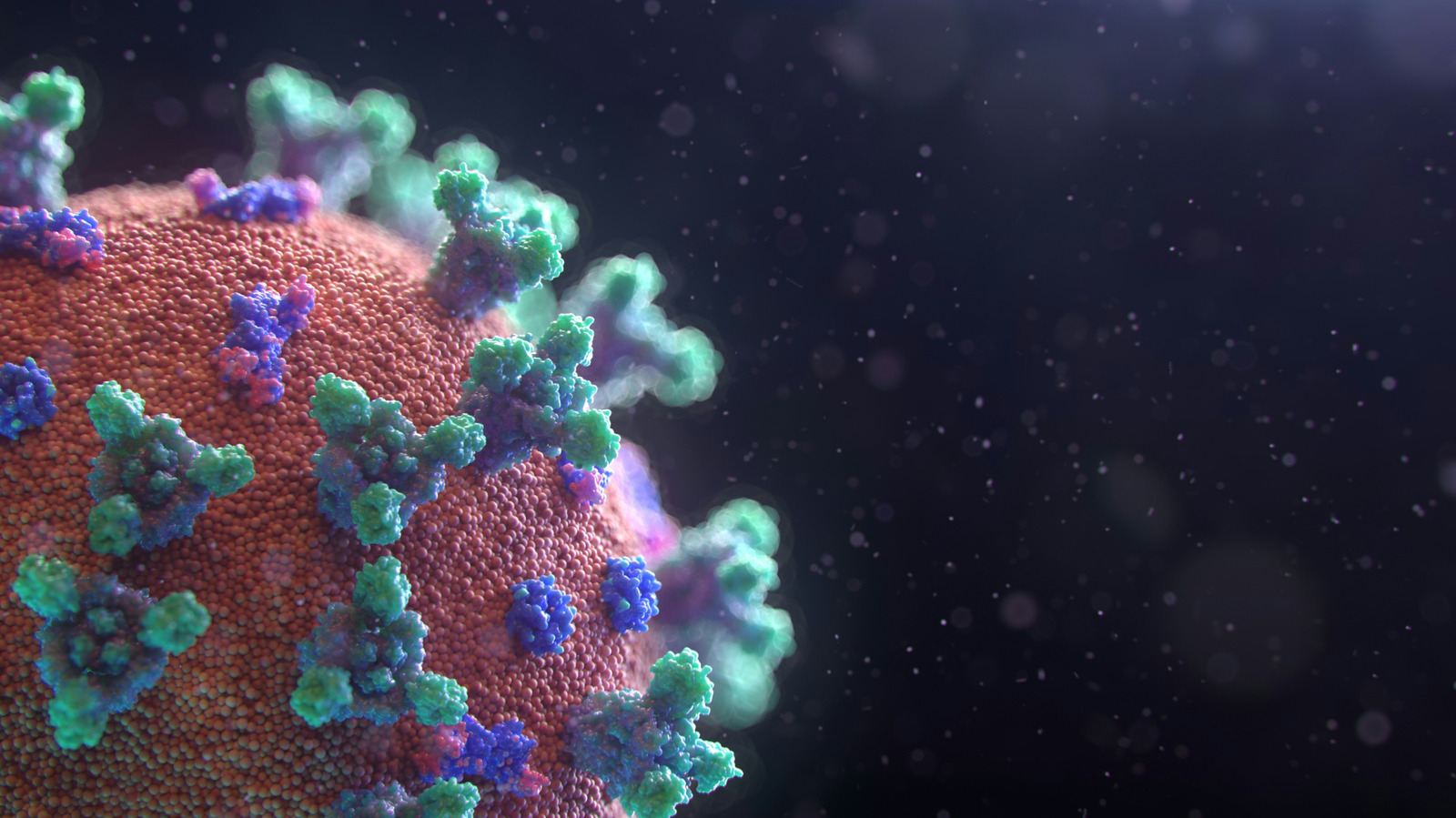 AI is now making new viruses (engadget.com) – An Engadget summary highlighting the dual-use risks of AI systems generating novel viruses.
- AI just created a virus not found in nature and scientists are worried (scientificamerican.com) – Scientific American exploring how the Stanford team generated viable bacteriophages end-to-end and the severe regulatory challenges ahead.
- Scientists trained AI to invent 16 new viruses that don't exist in nature (khou.com) – KHOU syndication reporting that scientists trained an AI to invent 16 new viruses not found in nature.
- Scientists trained AI to invent 16 new viruses that don't exist in nature (wltx.com) – WLTX syndication covering the Stanford University AI virus invention study.
- Scientists trained AI to invent 16 new viruses that don't exist in nature (kgw.com) – KGW local news report noting the creation of 16 non-natural viruses by AI.
- AI is making new viruses now, what could possibly go wrong? (phonearena.com) – PhoneArena commentary focusing on the frightening implications of AI generating biological entities.
- Scientists trained AI to invent 16 new viruses that don't exist in nature (ksdk.com) – KSDK syndication covering the scientific milestone and its broader implications.
 Powered by News Ranker