
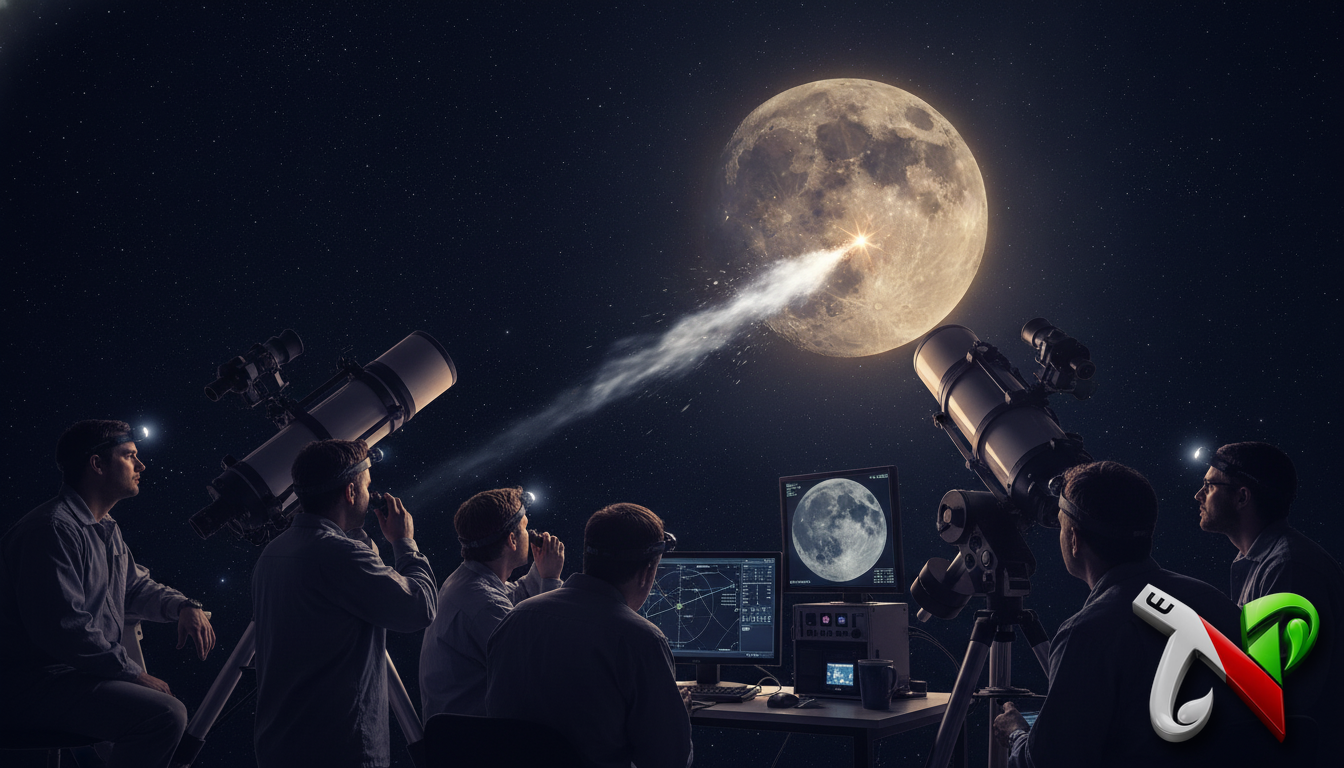
A Spent SpaceX Rocket is About to Slam Into the Moon – and Astronomers Hope to Watch
Key points
- A spent SpaceX Falcon 9 upper stage is projected to impact the moon's sunlit western limb near Einstein Crater [[1, 3]].
- Traveling at over 5,400 mph, the hollow metal stage will pack the explosive energy of about three tons of TNT [[1, 3]].
- Researchers at UT Austin ran high-resolution simulations predicting the impact could displace roughly 12,700 kilograms of debris 3.
- Space agencies and researchers plan to use orbiters like NASA's LRO to study the resulting crater and gather data on lunar dust hazards [[1, 3]].
High-Speed Lunar Impact Course
A derelict piece of aerospace hardware is on a direct collision course with the lunar surface, marking an unusual spectacle for both professional astronomers and amateur sky-watchers [[1, 3]]. The object in question is a spent SpaceX Falcon 9 upper stage that spent over a year drifting in space after launching a pair of lunar landers [[1, 3]]. Moving at an astonishing velocity of more than 5,400 miles per hour – roughly seven times the speed of sound – the massive metal cylinder is projected to strike the moon’s sunlit western limb near Einstein Crater [[1, 3]].
While this unintentional crash was never part of SpaceX’s mission plan, space experts note that such trajectories could theoretically be avoided if upper stages were successfully nudged into heliocentric orbits instead 1. This event marks only the second time a dead rocket stage is known to have accidentally struck the moon, following a Chinese rocket segment that impacted the lunar far side in 2022 [[1, 3]]. Because the upcoming impact occurs on the near side, it presents a unique viewing window for observers on Earth 1.
Simulating the Debris Plume
To better understand what will happen when the spent booster hits, researchers turned to advanced physics modeling 3. Led by a doctoral candidate at the University of Texas at Austin, a team utilized high-resolution simulations to analyze how a hollow metal shell – essentially acting like an empty eggshell with a dense engine at one end – would react upon hitting the ground 3. Unlike dense solid meteorites that burrow deep like cannonballs, the rocket stage is expected to collapse inward from its edges 3.
According to these projections, the impact could displace approximately 12,700 kilograms of debris, throwing up a broad curtain of soil stretching nearly 183 kilometers wide alongside a faster, narrow vertical spike 3. However, researchers emphasize that this represents a best-case scenario assuming a straight-down, pin-like drop 3. A more realistic glancing strike at an angle would likely produce a smaller and dimmer plume 3.
Visibility and Viewing Challenges
Whether stargazers will actually catch the resulting flash or debris plume from Earth remains a subject of intense discussion 3. While the immediate impact flash will likely happen too fast and dim to spot, the ejected plume of dust could stretch for miles and remain visible through telescopes for tens of minutes [[1, 3]]. Optimal viewing conditions are expected for parts of South America and the eastern regions of the United States and Canada, provided local weather cooperates [[1, 3]].
Observers face significant atmospheric hurdles, however. Because the moon will hang low in the sky for northern viewers, telescopes will have to pierce a turbulent, thick slice of atmosphere that risks washing out the faint debris trail 3. Furthermore, scattered moonlight will outshine the plume by a factor of thirty to three hundred, requiring steady mounts and precise optics to capture the event 3.
Preparing for Future Exploration
Beyond the novelty of witnessing a high-speed lunar crash, scientists have serious research motives for monitoring the event 3. Past intentional impacts – such as NASA missions that slammed probes into the lunar surface – helped researchers detect water ice by analyzing the kicked-up material 3. Studying the aftermath of this unmanaged strike will provide valuable insights into how debris behaves in the moon’s low-gravity, windless environment 1.
With major space agencies planning crewed Artemis missions and long-term lunar bases, understanding the dynamics of orbital debris is more critical than ever 3. Lunar dust is notoriously abrasive and easily kicked up by hardware, presenting a major operational hazard for future astronauts and equipment on the surface [[1, 3]]. Specialized craft such as NASA’s Lunar Reconnaissance Orbiter and South Korea’s Danuri orbiter are primed to capture before-and-after imagery, helping researchers gauge the true hazard posed by spent space hardware [[1, 3]].
Companies mentioned: SpaceX
Primary sources
- Drifting SpaceX rocket heading for accidental collision with moon (theguardian.com) – The primary report details the impending crash of a drifting SpaceX upper stage into the moon, outlining expert predictions on timing, location, and scientific observation plans.
 A discarded SpaceX rocket is on a high-speed collision course with the moon (phys.org) – This brief overview confirms the core facts regarding the discarded SpaceX rocket's high-speed trajectory toward the lunar surface.
Further sources
 SpaceX’s Falcon 9 Rocket Is About to Crash Into the Moon—and It Could Be Visible From Earth (wired.com) – This detailed analysis explores physics simulations of the crash, visibility challenges for astronomers, and the broader context of lunar debris management for future exploration.
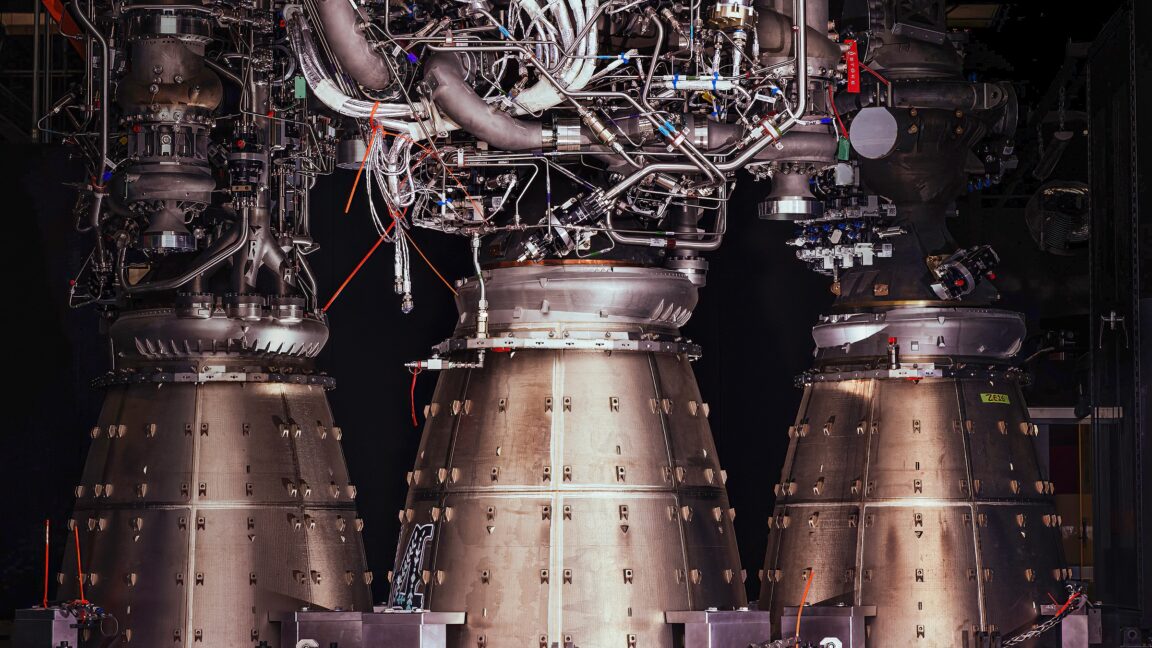 Rocket Report: New launch rule may limit environmental regulations, Falcon 9 to hit Moon (arstechnica.com) – This related industry roundup touches on concurrent launch contracts awarded to aerospace firms by the U.S. military.
- A discarded SpaceX rocket is on a high-speed collision course with the moon – Oregon Public Broadcasting (opb.org) – This syndicated news report reiterates the basic details of the discarded SpaceX rocket's collision course with the moon.
 Powered by News Ranker