
Ranker’s #BrainUp Daily Tech News – (Saturday, November 28ᵗʰ)
Welcome to today’s curated collection of interesting links and insights for 2026/11/28. Our automated ranking and AI-summarization system has processed 33 articles from all over the internet to bring you the latest technology news.
TOP IN EACH SECTION
🛡️ Security & Privacy: 1Password data breach included some customer info, internal source code (story 2)
📱 Products, Cars & Robots: Xpeng’s humanoid robot makes ‘ominous’ public debut ahead of 2027 rollout (story 3)
💾 Chips & Data Centers: Millions of PCs Could Be at Risk as AMD and Winbond Flaws Slash BitLocker PIN Cracking Time From 19 Years to 20 Days (story 4)
🤖 AI: Woman evicted after landlord’s AI assistant told her she could delay rent (story 8)
🔭 Science & Space: Russia’s fast nuclear reactor powers up on its own spent fuel in a world first (story 9)
🧬 Health & Biotech: Tiny Robots Deliver Treatments to the Brain (story 10)
SECURITY1. EXCLUSIVE: Hackers breach US Air Force flagship Cloud One computing platform | Reuters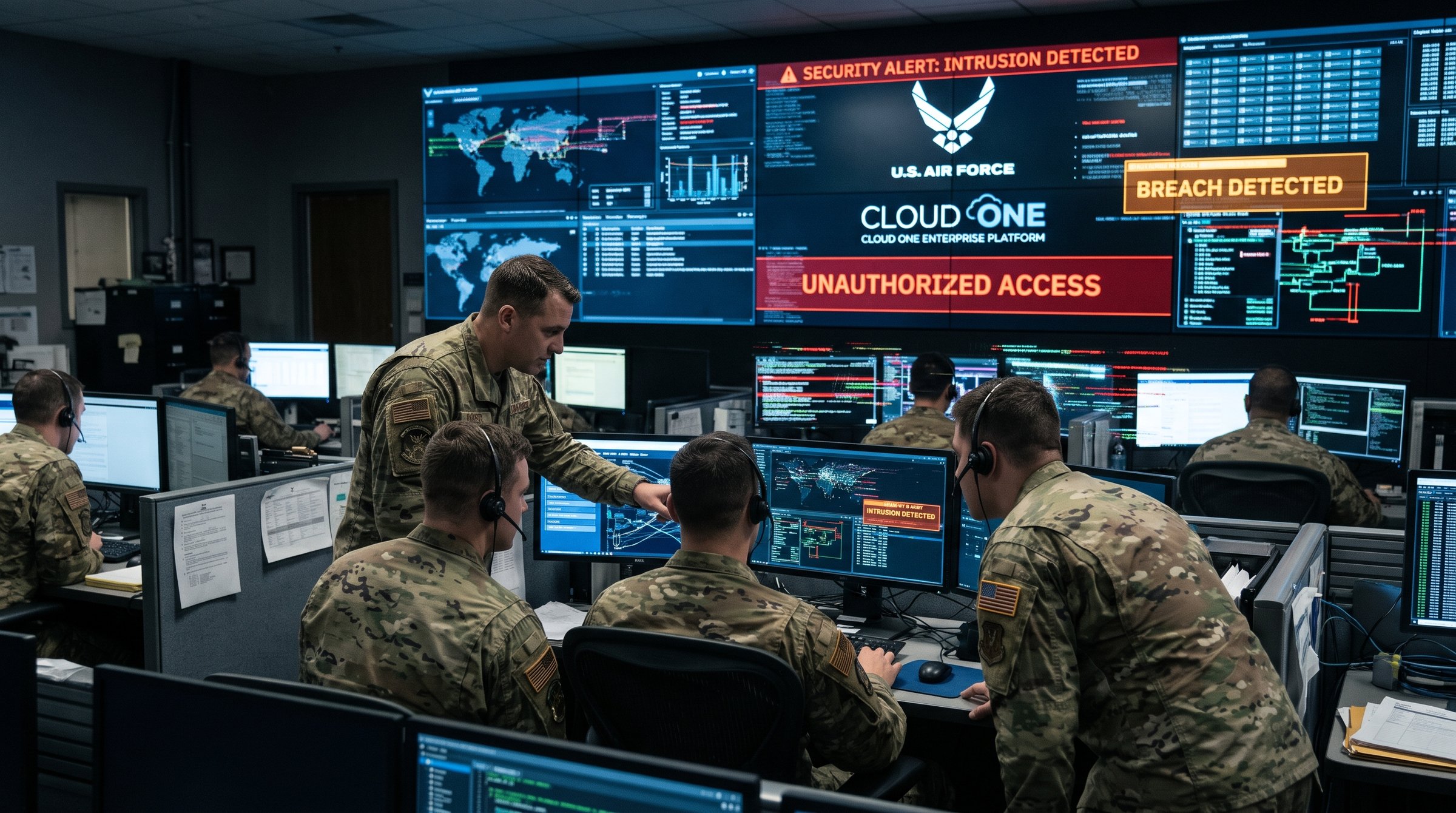
Hackers have successfully breached the #CloudOne computing platform belonging to the @UnitedStatesAirForce, putting sensitive tactical, personnel, and logistics data at potential risk. According to five anonymous sources speaking with @Reuters, the intrusion was uncovered within the past month during system upgrade work, prompting investigators to bring in @USCyberCommand to assess the resulting damage. The platform serves as a major hub for military IT needs by integrating infrastructure from providers like @Microsoft, @Amazon, @Oracle, and @Alphabet, while supporting critical applications such as the Theater Integrated Combat Munitions System. In response to the discovery, back-office application migrations were paused, current software updates were blocked, and some users had their administrator rights revoked. This security event highlights ongoing vulnerabilities within high-profile government systems, as investigators continue working to determine the full scope of the breach and identify the unknown perpetrators.
TOP IN SECURITY2. 1Password data breach included some customer info, internal source code
Also: A popular password manager was hacked. Here’s what you need to know (fastcompany.com)
A security incident involving #1Password occurred after an attacker compromised an employee corporate #GitHub account to infiltrate backend systems. The breach exposed administrative data for a subset of users, including names, email addresses, user IDs, public keys, and internal architecture metadata, alongside source code from private repositories and potential infrastructure secrets within the #CICDSummary system. #1Password assured customers that individual password vaults, master keys, and secret keys remain secure because only users hold the keys to their data. In response to the intrusion, the organization disabled the compromised account, rotated credentials, enhanced confirmation codes to ten alphanumeric characters, and engaged independent cybersecurity experts. This event matters because it underscores how even highly trusted password managers remain targets for sophisticated attackers, making vigilance against secondary phishing threats essential for affected users.
TOP IN PRODUCTS3. Xpeng’s humanoid robot makes ‘ominous’ public debut ahead of 2027 rollout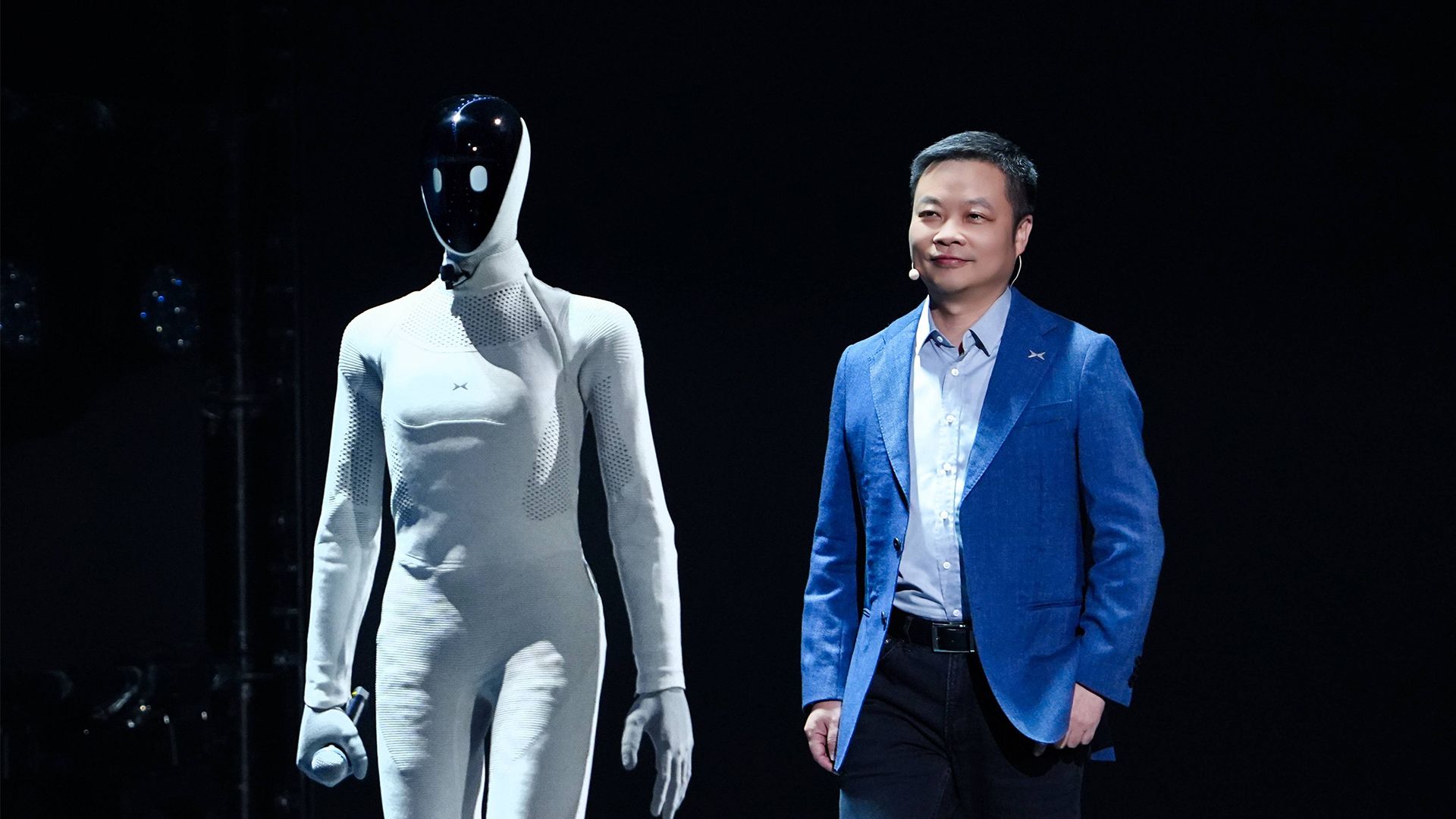
Xpeng’s Iron humanoid robot just got its first public showing in China It will start life in retail stores in early 2027, before heading to homes The robot will cost as much as Xpeng’s EVs, or around $18,000 / £14,000 / AU$27,000 Xpeng revealed the latest generation of its Iron humanoid robot at the company’s AI day this week, telling reporters that it could be doing household chores in “one or two years”, according to CNBC . Taking to the stage in front of a live audience, Iron wowed crowds with its extremely natural walking gait and ability to interact with humans, including giving those in attendance a high-five or greeting them with a wave.
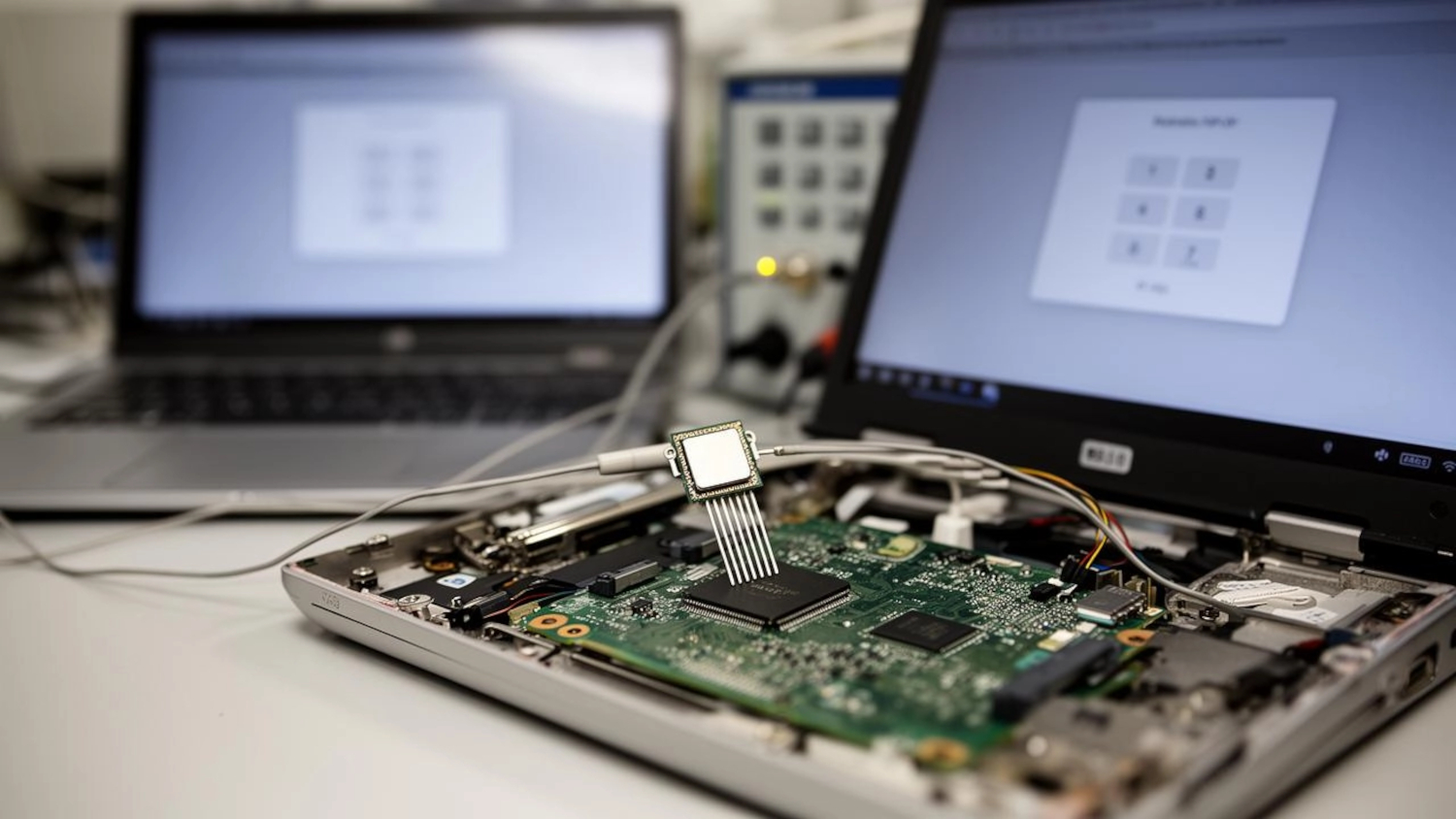
A six-digit BitLocker PIN is supposed to take roughly 19 years to brute-force under normal lockout conditions. Researchers at Technische Universität Berlin found that figure drops to about 20 days when the hardware mechanism enforcing lockout delays can be bypassed entirely due to an AMD firmware flaw . AMD has since acknowledged the issue and planned firmware remediation. The attack requires physical access to the machine, which is a significant constraint. Physical theft is nonetheless the core threat that BitLocker is designed to address.
SECURITY5. AI labs sitting on ‘bombshell’ revelations that could cause global chaos, experts warn
Leading #ArtificialIntelligence laboratories may possess undisclosed breakthroughs that could soon undermine the foundational #Encryption methods securing global banking transactions, diplomatic cables, and private communications. According to researcher @ScottAaronson speaking to @TheGuardian, well-attested rumors indicate that frontier #AI models have recently made unexpected progress on decades-old mathematical problems previously thought safe from immediate solutions. This capability could force financial institutions and governments to rapidly overhaul their communication security systems or face widespread exposure of sensitive data far sooner than anticipated. While organizations have been slowly migrating toward quantum-resistant security standards with targets stretching into the next decade, experts like @StevenMurdoch warn that these timelines may now be dangerously inadequate. This development matters because a sudden collapse of standard cryptographic protections could trigger unprecedented disruption across international infrastructure before institutions are properly prepared.

Attackers are impersonating major brands such as Google, Nvidia, SpaceX, and Coca‑Cola to lure victims into fake paid webinars and expert interviews The campaign uses spoofed sign-in pages to steal corporate email credentials and potentially target enterprise authentication systems Researchers believe AI-assisted tooling may have helped build the phishing infrastructure, highlighting the growing role of AI in social-engineering attacks Peninsula Energy, an Australian uranium mining company, was forced to temporarily shut down its operations in Wyoming, USA, after a cyberattack hit one of its subsidiaries.
7. Physicists Crack a 44-Year-Old Nuclear Fusion Mystery
Scientists have found a way to predict the heating requirements of future fusion machines, offering valuable insight into one of the biggest challenges of harnessing the energy that powers the Sun. In 1982, scientists studying nuclear fusion discovered something unexpected. Once the heating power inside an experimental fusion machine reached a certain level, the fuel […]
TOP IN AI8. Woman evicted after landlord’s AI assistant told her she could delay rent
A North Carolina tenant named Laura Mack lost her home at the #ColonyTownhomeApartments after an automated email correspondence granted her an extension to pay her overdue rent. Reviewed emails appeared to accept a November 30 settlement date for her $3,934.17 balance, yet she received an eviction notice days prior and was forced out on November 19. A leasing office employee reportedly blamed the conflicting messages on @Olivia, the property management #ArtificialIntelligence assistant, though the complex has not officially confirmed the claim. This incident highlights growing legal and accountability questions surrounding #GenerativeAI systems that make financial commitments without clear user notification. State lawmakers are now examining whether mandatory disclosure laws are necessary to prevent similar automated housing disputes in the future.
TOP IN SCIENCE9. Russia’s fast nuclear reactor powers up on its own spent fuel in a world first
A commercial nuclear reactor in Russia has begun generating power using fuel recovered from its own spent fuel, marking a global milestone in closed-cycle nuclear engineering. Engineers at Unit 4 of the Beloyarsk Nuclear Power Plant loaded fresh uranium-plutonium mixed oxide (MOX) fuel into the BN-800 fast-neutron reactor. Unlike standard nuclear fuel, the plutonium in these assemblies was extracted from an irradiated MOX fuel assembly that had already completed a full operational cycle in that same unit.
HEALTH10. Tiny Robots Deliver Treatments to the Brain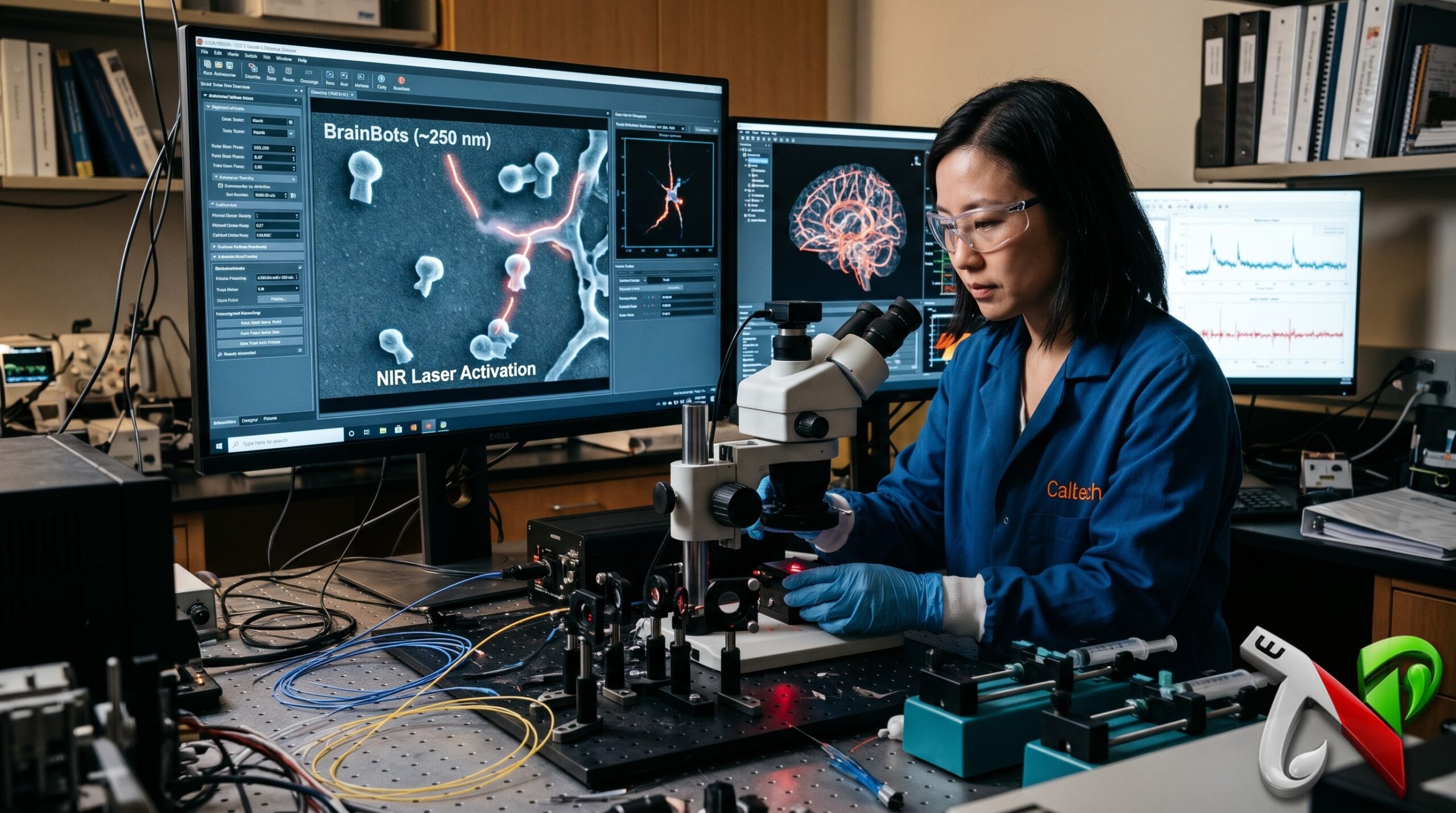
Researchers at @Caltech led by @WeiGao have developed a light-activated nanorobotic system called #BrainBots designed to cross the protective blood-brain barrier to deliver treatments for neurological disorders and cancer. Measuring approximately 250 nanometers and built from biocompatible materials, these balloon-shaped machines use a gas-generating fuel triggered by near-infrared light to self-propel toward target cells and utilize specialized DNA #aptamers for cellular binding. In tests using mouse models of glioblastoma, the system successfully delivered the chemotherapy drug doxorubicin to slow tumor growth, prolong survival, and reduce systemic toxicity without detectably disrupting the barrier. This advancement matters because it directly addresses one of the most stubborn hurdles in modern medicine, enabling targeted drug delivery to the central command center of the human body.
SCIENCE11. SpaceX Wants A Million AI Satellites. What Happens To The Night Sky?
@SpaceX has secured regulatory approval from the @FCC to launch up to one million solar-powered space data centers under a new initiative called #Starmind, designed to support the escalating computational demands of #ArtificialIntelligence. The newly authorized constellation will orbit between 310 and 1,240 miles above the planet, with deployment mandated to begin by 2033 and reach at least 100,000 satellites by 2035, while relying on the existing #Starlink network for data transmission back to Earth. Prominent scientific groups, including the @EuropeanSouthernObservatory and the @AmericanAstronomicalSociety, have voiced vehement opposition to the decision, arguing that the sheer volume of spacecraft will fundamentally alter the global night sky and overwhelm current mitigation techniques meant to curb satellite reflectivity. Technical analyses referenced by these organizations indicate that such a massive fleet threatens scientific observations of distant galaxies, habitable worlds, and hazardous asteroids, which could undermine decades of investment in ground-based astronomy. This regulatory clearance highlights a growing tension between commercial technological expansion in low Earth orbit and the preservation of a shared global scientific asset, underscoring the lack of international mechanisms to govern transboundary environmental impacts.
AI12. 42 U.S. State Attorneys Move to Stop Company From Selling Chat Histories
Source: Yahoo News – Top Headlines A group of U.S. state attorneys general is asking a bankruptcy court to stop Character.AI from auctioning off millions of users’ private chatbot conversations to the highest bidder. In a filing on Tuesday, 42 state attorneys general said that the now-bankrupt AI chatbot company is planning to sell chat histories from 21 million U.S. accounts, more than 2 million of which include children. The December 1 auction would also sell private account…
AI13. GTA 6: The AI race to clone the world’s biggest video game for PC
Coders and gamers are attempting to use #ArtificialIntelligence and leaked files to create an unofficial #PC version of #GrandTheftAuto6 ahead of any official release from @RockstarGames. The rapid advancement of #AICoding platforms like #Anthropic’s #ClaudeCode has enabled individuals to experiment with game replication and reverse engineering, sparking significant concerns across the wider #GamingIndustry regarding copyright and intellectual property. While larger developers face challenges from leaked development builds, smaller indie creators like @Robotonic are already seeing their unreleased titles cloned and distributed on platforms like #Yandex. This trend threatens traditional development timelines and studio control, raising difficult legal and technical questions as powerful tools make software cloning faster than ever. The situation serves as an industry warning that even the most complex modern titles are increasingly vulnerable to rapid reproduction through automated code generation.

Huawei’s novel HBM design reportedly supports twice the data-pin density of the current products from the three leading players. According to Bloomberg, the new interface uses 4,096 data pins split across 64 channels – twice the width of the 2,048-bit interface of existing HBM products from Samsung and Hynix. Read Entire Article
SECURITY15. The Com: the global cybercrime network posing a ‘chilling threat’ to children
FBI estimates thousands of people identify as members, or recent members, of group linked to indecent images of girls and blackmail It sounds benign: the Com, short for the Community. But crime agencies around the world warn that it is far from that and the young cybercriminals involved are causing havoc and putting children at chilling, sickening risk.
16. In a first, ultrasound maps blood flow through an entire human kidney in 3D
For the first time, a research team at the Inserm Institute of Physics for Medicine (Inserm/ESPCI Paris-PSL/CNRS) in Paris has succeeded in visualizing the entire vascular network and blood flow in a human kidney. This breakthrough opens up promising clinical prospects: improving our understanding and diagnosis of kidney diseases linked to vascular defects. To achieve this, the researchers used a new ultrasound technique developed in their laboratory and previously tested in animals, which could eventually be extended to other organs. The results are published in The Lancet Medical Imaging & Theranostics.
AI17. Los Angeles schools switch off Google’s AI Overviews on student laptops
Los Angeles Unified, the second-largest US school district, has quietly disabled AI Overviews in Google search on student devices, AP reported. Google says schools that turn off AI entirely will lose search, and some districts are building workarounds or weighing other search engines. Los Angeles Unified, the second-largest school district in the US, has switched […] This story continues at The Next Web
PRODUCTS18. The military tested robots to help medics find wounded troops and decide who needs help first
Medics working alongside a ground robot prepare to treat simulated casualties during a DARPA Triage Challenge event in September 2025. The competition concluded earlier this month. Paul Flacks/DARPA Drones and robots had 15 minutes to find mock casualties in a major medical triage challenge. Machines assessed injuries and evacuation priorities without touching patients. The goal is to help combat medics prioritize care when supplies and evacuation are limited. Earlier this month, drones and ground robots searched simulated disaster zones in a competition testing whether machines could help military medics quickly find casualties and identify which needed lifesaving care first.
AI19. AI simulates electron hops over far longer times than conventional quantum calculations
To predict how a material will behave, we need to know which atoms are located where. This allows us, for example, to explain whether a material is suitable as a catalyst for certain chemical reactions. But often, that is not enough: even if all the atoms stay exactly where they are, the distribution of electric charge within the material can change dramatically. Electrons can jump from one atom to another, changing the forces between atoms as well as the material’s chemical reactivity.
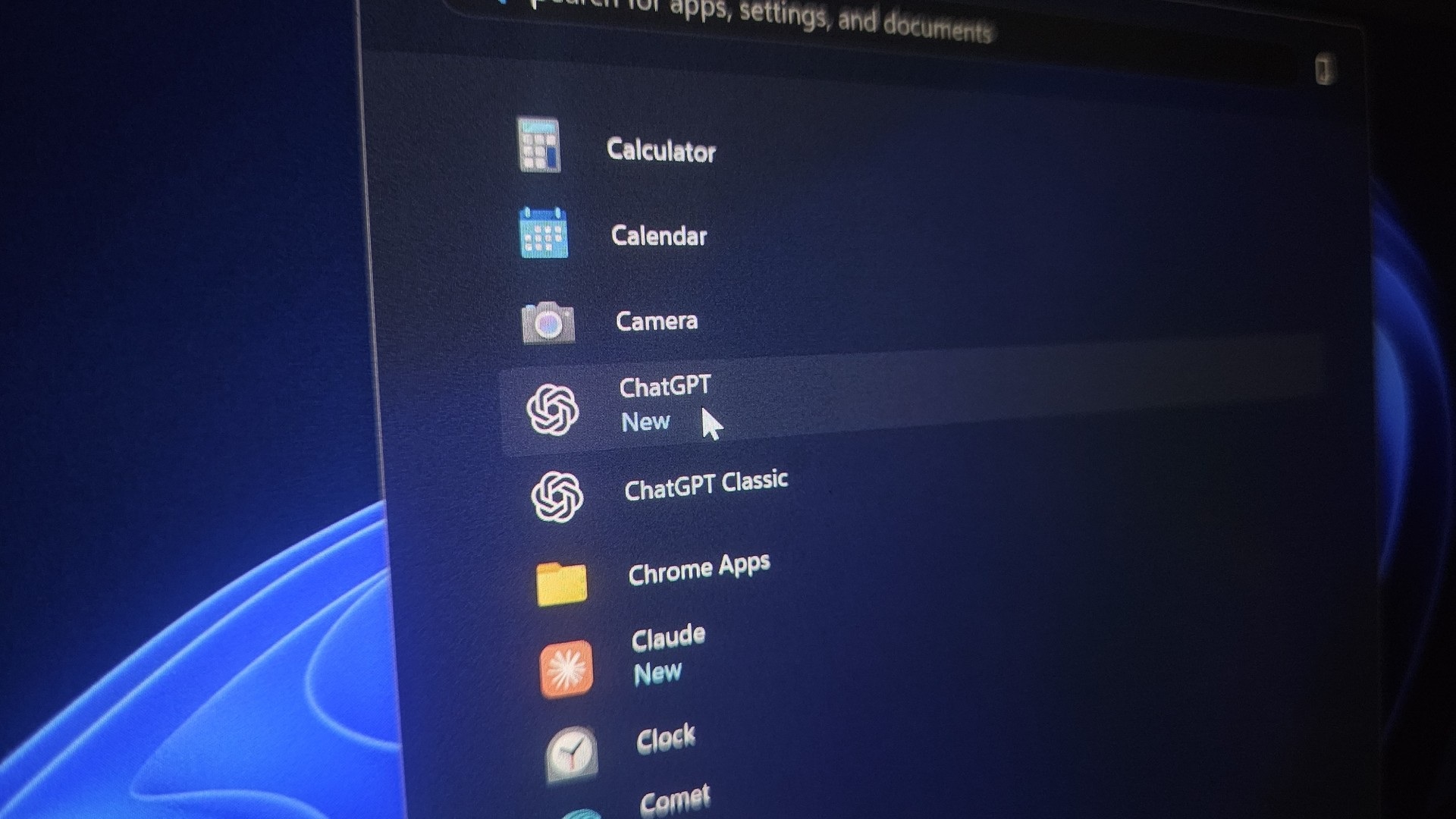
You can live with 8GB of RAM , but not without ChatGPT, if Lenovo’s new promotion is anything to go by. As first spotted by Windows Latest, Lenovo is pre-installing ChatGPT on select new Windows 11 PCs. It only appears to be business PCs, which might be the Think lineup, but it’s too early to predict if most of its lineup will be stuffed with new AI bloatware in the future. ChatGPT can be useful, and more than a billion people use it every week , granted, but that doesn’t mean a PC maker should pre-install it, especially a company like Lenovo that ships millions of PCs in a quarter. I believe this could be the beginning of a new normal where PC makers install their favourite AI chatbot.
SCIENCE21. Particles not seen before have been observed in a quantum simulator
Physicists have long categorized all particles as either bosons or fermions, but a recent experiment offers evidence that a third class known as paraparticles is possible after all. Researchers at the @MassachusettsInstituteOfTechnology used a #QuantumSimulator containing 16 superconducting qubits arranged in a grid to produce signatures of paraparticles, following theoretical framework developments by researchers at @RiceUniversity and the @PerimeterInstitute. The team connected qubits into pairs using electromagnetic interactions so that each rung on the resulting ladder behaved like a paraparticle, confirming the observation through three specific tests involving swapping, crashing, and piling behavior. This proof of concept demonstrates that paraparticles are not merely theoretical curiosities and highlights the unique capability of quantum hardware to physically manifest emergent particles that are difficult to simulate on conventional computers.
SECURITY22. New Boston Scientific data breach exposes personal, medical info
Medical technology manufacturer @BostonScientific is currently notifying individuals affected by a cloud infrastructure #CyberAttack that compromised sensitive personal and medical data. According to disclosures shared with authorities, a threat actor utilized social engineering and voice phishing tactics to breach cloud applications between May 7 and May 1, ultimately exposing details for 117,789 people in Texas alone, including Social Security numbers and health insurance information. Despite the extensive exposure, the company confirmed that patient medical records, remote monitoring systems, connected medical devices, and core manufacturing operations remained unaffected by the incident. This security failure marks the second #DataBreach for the firm in 2026, following an unrelated August intrusion investigated by @CrowdStrike that caused global operational disruptions. The recurrence of these security events highlights the persistent vulnerabilities large healthcare enterprises face against targeted #SocialEngineering campaigns, underscoring the critical need for robust cloud defense mechanisms.
SECURITY23. Unpatched Cacti zero-day with public PoC gives remote code execution
A zero-day vulnerability in the #Cacti network monitoring platform has been publicly disclosed alongside a proof-of-concept exploit dubbed 4HTTP2SHELL. Published by a cybersecurity researcher from the @ChurchOfMalware, the flaw allows unauthenticated attackers to achieve remote code execution on vulnerable servers using just four HTTP requests by abusing weak input validation and a stored SQL injection in guest user graph display settings. While the researcher demonstrated root access, firms such as @watchTowr and @RavenAI note that actual privileges depend on the account running the web server and poller processes, and the exploit was tested against Cacti Core 1.2.31 without prior vendor notification due to researcher frustrations with corporate disclosure handling. Until an official patch becomes available, administrators are advised to deactivate the guest account, restrict web interface access to trusted networks, and monitor logs for unexpected commands or warnings involving non-numeric graph settings. This vulnerability matters because compromising the widely used open-source graphing tool could grant attackers access to sensitive credentials and SNMP passphrases, exposing entire corporate networks to secondary breaches.
SECURITY24. pCloud confirms password manager hack after suspicious login alerts
The @pCloud #PasswordManager service called #pCloudPass recently suffered a targeted cyberattack that exposed a small number of user email addresses and triggered automated suspicious login notifications to customers. Numerous users worldwide reported receiving email alerts indicating that an unfamiliar device named pd connected to their accounts from an IP address in Luxembourg, even though many had two-factor authentication enabled and some had never used the password manager or had requested their accounts deleted. In response to the incident, @pCloud confirmed the breach was quickly contained, stating that its core cloud storage services remained unaffected and that stored passwords and notes were not compromised because the underlying data is encrypted locally on customer devices using master passwords. However, the company did not disclose whether any encrypted password vaults were actually accessed or stolen during the security event, leaving open the risk that threat actors could attempt offline brute-force cracking. This occurrence follows a broader pattern of recent security incidents impacting the password management industry, including breaches disclosed earlier in the month by #mSecure and @1Password. This incident matters because unauthorized access to encrypted vaults can allow attackers to target weak or reused master passwords offline, potentially exposing sensitive credentials and private keys similar to past industry breaches.
SECURITY25. Drupal warns of new site takeover flaw exploited in attacks
The security team at @Drupal has issued a warning that threat actors are actively exploiting a second critical site takeover vulnerability, tracked as CVE-2026-136716, following an initial remote code execution flaw patched a week prior. According to the advisory, certain websites in unusual or incomplete install states remain vulnerable, allowing attackers to hijack unpatched platforms through the #DrupalInstaller without prior authentication. Administrators have been urged to upgrade immediately to versions 10.6.23, 11.3.23, or 11.4.14, or alternatively to block external access to core install scripts via web server configurations. Meanwhile, @CISA has tracked multiple #DrupalSecurity flaws abused in the wild since late 2021, underscoring the severe operational risks tied to delayed patches. Addressing these ongoing attacks matters because compromised sites risk persistent unauthorized access and administrative takeovers if default installer endpoints remain publicly exposed.

Like many of you, I was caught off guard seeing GitHub’s official X account celebrate AnyPS5 , an open-source tool that rewrites PlayStation 5 game executables into native Windows and Linux programs, just days after the official GTA 6 launch. The Microsoft-owned platform posted on X saying “GTA 6 is finally here” and then had the audacity to ask if changing where games run crosses “a legal line.” Realising their mistake, the post was deleted shortly after. Weirdly enough, all this happened just two days after they disabled 3,007 repositories of an unofficial GTA 6 PC port at Take-Two’s request.
AI27. Researchers explore the use of AI and smart sensors to improve food safety quickly, affordably
The smartJAN project, developed by the eVIDA research group at the University of Deusto in collaboration with Kernet and Fundación Miranda, has completed the development of a functional prototype capable of detecting the presence of LTPs (lipid transfer proteins), a family of plant proteins that includes allergens capable of triggering severe allergic reactions. These allergens are particularly relevant in the Mediterranean region.
SCIENCE28. Should space data centers run on solar panels, nuclear reactors or both?
The last few days we’ve been covering a series of papers by Dr. Slava Turyshev of NASA’s Jet Propulsion Laboratory about the constraints surrounding the use of orbital data centers in space. One that has come up repeatedly is weight, and the solar panels used to power these data centers contribute a significant portion of that weight. So why not go with an alternative power source? Nuclear energy in space applications is having a bit of a moment currently—maybe it could provide the power needed for the orbital data center revolution?
AI29. Mathematicians Warn AI Could Soon Make Online Security Completely Useless
Most of the internet’s trust infrastructure rests on two mathematical problems that are easy to execute and very hard to reverse. That asymmetry is what makes online security work. Leading mathematicians and security specialists are debating whether AI could produce genuine algorithmic shortcuts, not merely faster brute-force attacks. The concern centers on public-key systems protecting online banking, secure messaging, software authentication and national-security communications.
SCIENCE30. New research establishes fundamental complexity limit for quantum circuit optimization
Quantum circuit optimization is an important research area, as the computational resources required to execute quantum algorithms remain a major challenge. In particular, two-qubit operations are generally associated with higher error rates than single-qubit gates on current quantum hardware, making reducing the number of two-qubit gates an important objective.

Federal regulators have approved a controversial plan by @SpaceX to deploy up to one million #Starmind orbital satellites designed to function as space-based datacenters for #ArtificialIntelligence computing. The decision has drawn sharp criticism from groups like the @AmericanAstronomicalSociety, which warned that the massive constellation would severely interfere with optical and infrared astronomy, increase orbital collision risks, and cause atmospheric pollution from frequent rocket launches and reentries. Proponents of the initiative, including @FederalCommunicationsCommission chair @BrendanCarr, argue that moving compute infrastructure into orbit will help power the emerging super intelligence economy while bypassing the heavy electricity and water demands of terrestrial datacenters. However, independent research from organizations like the @GovernmentAccountabilityOffice and @ColumbiaUniversity highlights major unresolved engineering hurdles, such as the difficulty of cooling computing hardware in space and the unprecedented launch rates required to sustain the network. This authorization matters because it marks a massive escalation in low Earth orbit commercialization that could permanently alter the night sky and outpace current regulatory frameworks before environmental and scientific risks are fully understood.
CHIPS32. The M5 MacBook Air just got its biggest discount since Apple raised the price
The M5-powered MacBook Air is $300 off in both size configurations for Black Friday. | Photo: Antonio G. Di Benedetto / The Verge If you’ve been holding off on buying a new MacBook Air since Apple raised prices by $200 in June , you’re in luck. The 13-inch M5 MacBook Air is on sale at Amazon and Best Buy with 16GB of RAM and 512GB of storage starting at $999 ($300 off) for Black Friday, which is the lowest price we’ve seen since the hike. If you want a larger display, Amazon and Best Buy are also taking $300 off the otherwise identical 15-inch model with 16GB of RAM and 512GB of storage, dropping it to $1,199. Apple MacBook Air 13 (M5) Where to Buy: $1299 $999 at Amazon (512GB) $1299 $999 at Best Buy (512GB) $1599 $1199 at Amazon (1TB) Apple MacBook Air 15 (M5) Where to Buy: $1299 $1199 at Amazon (512GB) $1299 $1199 at Best Buy (512GB) $1799 $1499 at Amazon (1TB) The M5-equipped MacBook Air is a good middle ground if you need more power than the MacBook Neo — which, thanks to a $100 discount , is $599 — but don’t want to splurge on a MacBook Pro. Its faster chip, 16GB of RAM, and 512GB of storage make it better suited for multitasking and creative work in apps like Photoshop and Premiere. You also get a higher-resolution display, better speakers, a backlit keyboard that makes typing in the dark easier, and faster ports. Plus, its sharper webcam supports Apple’s Center Stage feature, which automatically adjusts the framing to keep you in view during video calls.
33. A massive storm is barreling toward the East Coast on Thanksgiving Day
A storm is headed toward the East Coast on Thanksgiving Day. Craig T Fruchtman/Getty Images Coastal flooding, strong winds, and heavy rainfall are expected to batter the East Coast this Thanksgiving. NYC Mayor Zohran Mamdani announced that Macy’s annual Thanksgiving parade would be rescheduled. Travel disruptions are also expected because of bad weather. A massive storm is set to hit the East Coast on Thanksgiving. The National Weather Service wrote in a Wednesday report that the East Coast can expect “major coastal flooding, beach erosion, strong wind gusts, and heavy rainfall” during Thanksgiving.
That’s all for today’s digest for 2026/11/28! We picked and processed 33 articles. Stay tuned for tomorrow’s collection of insights and discoveries.
See you in the next one! 🚀
