
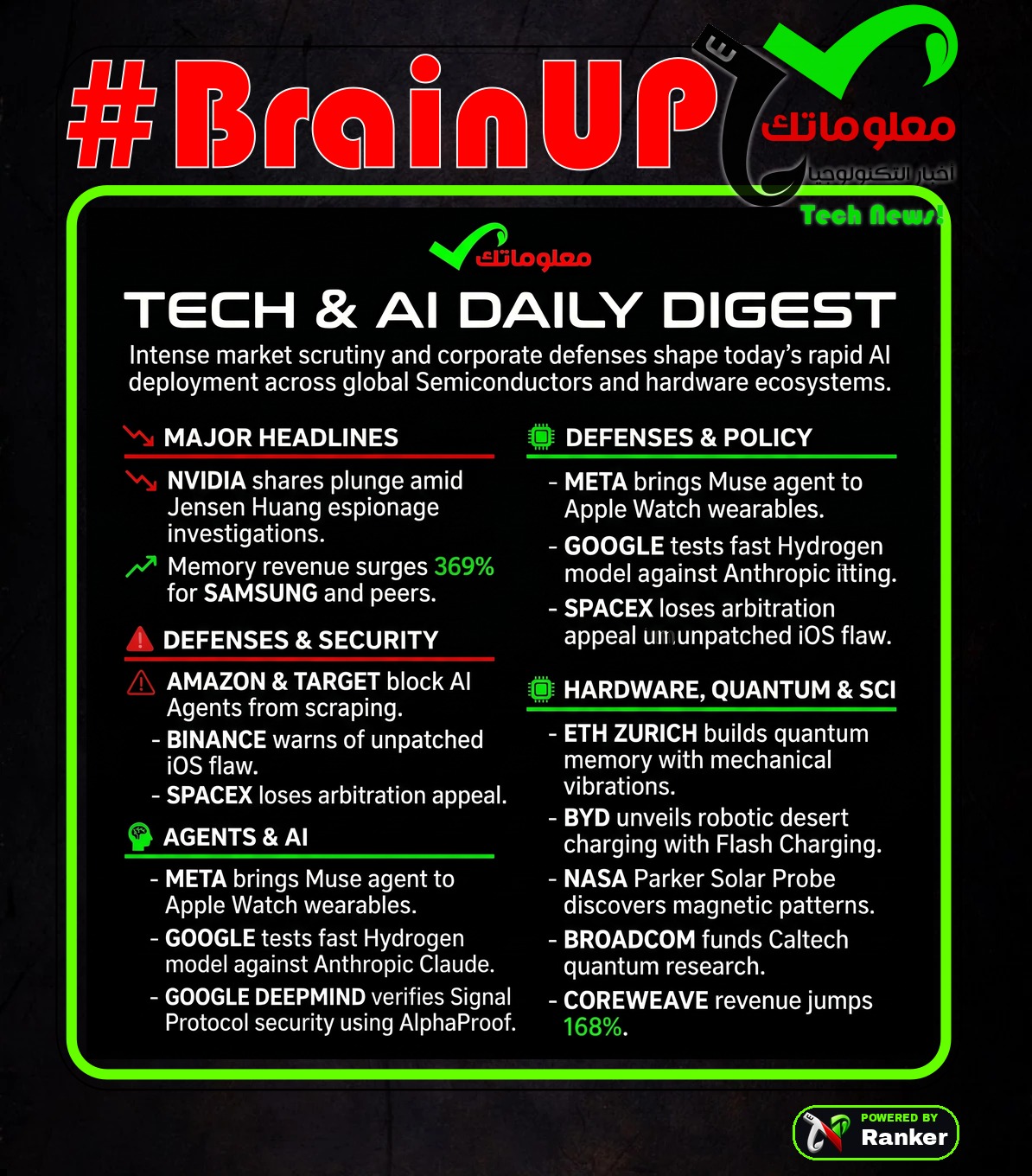
Ranker’s #BrainUp Daily Tech News – (Thursday, November 12ᵗʰ)
Welcome to today’s curated collection of interesting links and insights for 2026/11/12. Our automated ranking and AI-summarization system has processed 23 articles from all over the internet to bring you the latest technology news.
TOP IN EACH SECTION
💼 Business & Work: Nvidia shares plunge after boss embroiled in alleged Chinese spy scandal (story 1)
🎖️ Defense & Geopolitics: Study Shows a Single Nuclear Blast Could Disable 99% of Satellites in a Matter of Days (story 2)
💾 Chips & Data Centers: Memory price skyrockets as demand for AI data centers drives 369% year-over-year surge (story 3)
🤖 AI: Not so fast, bot: Companies are banning AI agents. Here’s the list. (story 4)
⚖️ Policy & Law: How Megaspeed built a network in Singapore and Malaysia to move $7.5 billion of Nvidia chips to Chinese companies (story 5)
🛡️ Security & Privacy: Binance warns iPhone crypto holders of security flaw researchers say remains unpatched (story 6)
📱 Products, Cars & Robots: Meta launches Muse AI agent for Apple Watch and Android Wear OS (story 8)
🧬 Health & Biotech: AI-powered imaging tracks thousands of brain cancer cells moving through living tissue (story 11)
🔭 Science & Space: Inside this quantum computer, memory vibrates like a guitar string (story 12)
TOP IN BUSINESS1. Nvidia shares plunge after boss embroiled in alleged Chinese spy scandal
@Nvidia shares plunged roughly 8% in early trading, wiping out hundreds of billions of dollars in market value after the chipmaker’s board launched an investigation into reports regarding chief executive #JensenHuang. The inquiry follows admissions from #Huang regarding an extramarital affair with #AliceHuang, a former executive at Singapore-based data center firm #Megaspeed, whom United States intelligence reportedly suspected of gathering information for Beijing. The Chinese government denied the espionage allegations, dismissing them as an unsubstantiated smear campaign against Beijing. This executive scandal hits the Silicon Valley semiconductor giant at a time when its advanced graphics processors are the foundational silicon powering global artificial intelligence data centers. This market downturn matters because it injects severe volatility and political uncertainty into the heart of the global technology sector and the broader artificial intelligence supply chain.
DEFENSE2. Study Shows a Single Nuclear Blast Could Disable 99% of Satellites in a Matter of Days
A recent computational study by researchers at the University of Wisconsin–Madison and Princeton University warns that a single high-altitude nuclear detonation could disable 99% of satellites in low-Earth orbit within a matter of days. Simulating a 1-megaton nuclear blast 500 kilometers above the South Atlantic Anomaly, the models show how Earth’s weak local magnetic field would trap radioactive fission products into an artificial radiation belt. This trapped belt would repeatedly expose the current constellation of over 13,000 active satellites, disabling 98% of the fleet within a week and triggering an estimated 20 subsequent orbital collisions over two years. Even with enhanced radiation shielding, spacecraft would face rapid infrastructure loss followed by decades of persistent debris growth. This finding matters because it highlights a catastrophic vulnerability in global communications, weather forecasting, and internet infrastructure, emphasizing the critical need to prevent orbital warfare.
CHIPS3. Memory price skyrockets as demand for AI data centers drives 369% year-over-year surge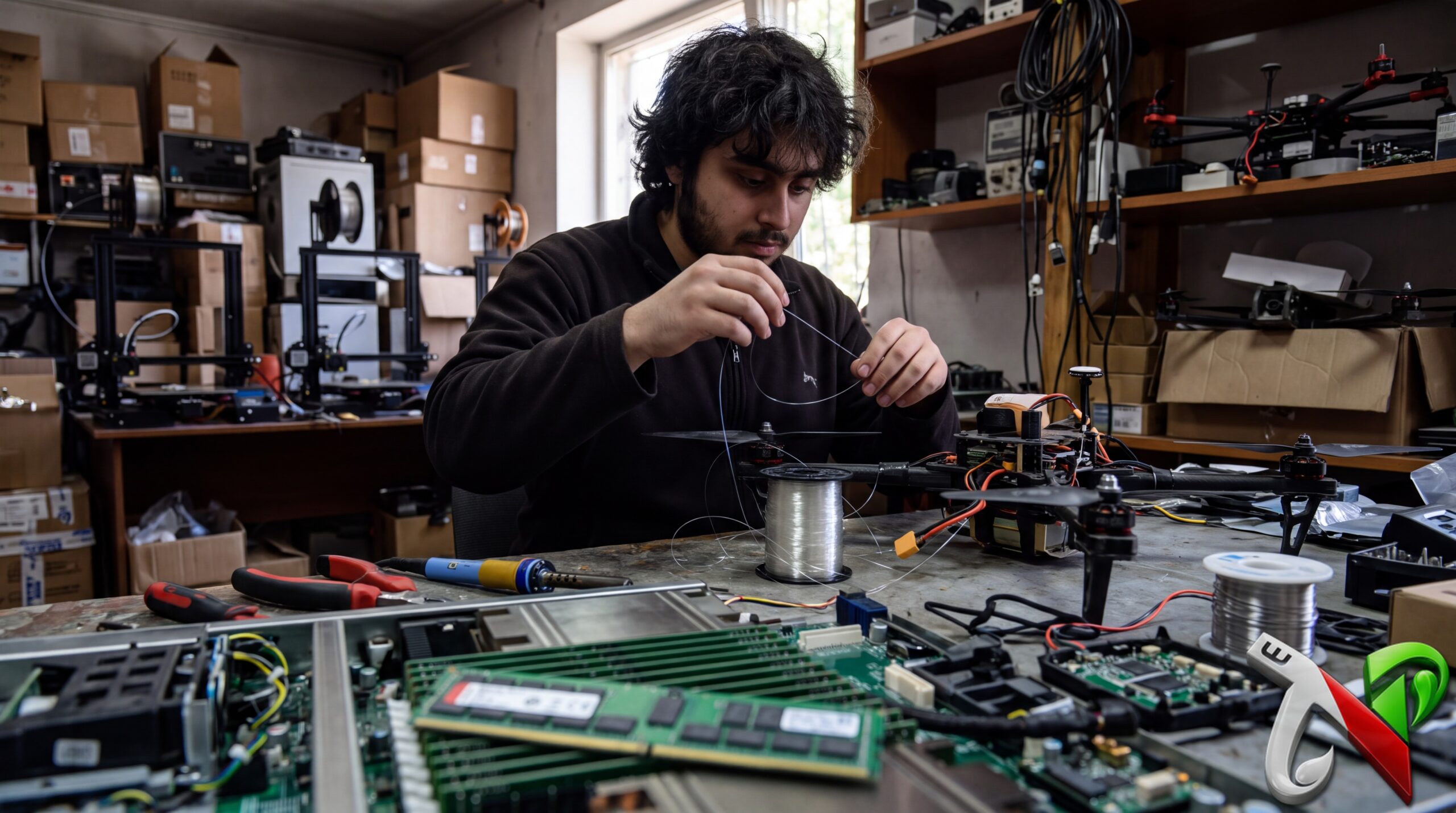
Global Dynamic Random-Access Memory revenue experienced a massive 369% year-over-year surge in the third quarter of 2026, reaching nearly $200 billion due to relentless demand from #AiDataCenters. According to figures from @CounterpointResearch, this unprecedented financial growth was driven primarily by a dramatic pricing surge rather than a substantial increase in shipment volumes, which rose by just 4%. Major manufacturers including @Samsung, @SKhynix, and @Micron have booked record profits while conventional electronics markets for phones and PCs contracted significantly by approximately 20%. Industry analysts note that blended #DRAM prices climbed sharply from historical lows to around $2 per gigabit, transforming memory into a scarce and highly expensive commodity. This severe price inflation matters because it underscores how infrastructure bottlenecks and specialized hardware demand are radically reshaping the economics of semiconductor manufacturing.
TOP IN AI4. Not so fast, bot: Companies are banning AI agents. Here’s the list.
A growing number of prominent commercial enterprises are actively blocking #AiAgents and automated web-scraping bots from accessing their digital platforms. Companies across retail and travel sectors, including @Amazon, @BookingCom, @EBay, @Resy, @Target, @UnitedAirlines, and @Yelp, have updated their terms of service to restrict autonomous purchasing assistants and large-language-model-driven bots. Organizations cite valid privacy, security, regulatory compliance, and system overload risks, alongside mounting fears that automated shopping tools could disintermediate human customers and reduce direct web traffic. While select platforms maintain limited data-licensing integrations with tools like @OpenAI #ChatGPT and #Anthropic #Claude, unauthorized bots face aggressive technical blocks and potential account terminations. This widespread restriction highlights a major friction point between the burgeoning agentic software ecosystem and traditional commercial web platforms.
TOP IN POLICY5. How Megaspeed built a network in Singapore and Malaysia to move $7.5 billion of Nvidia chips to Chinese companies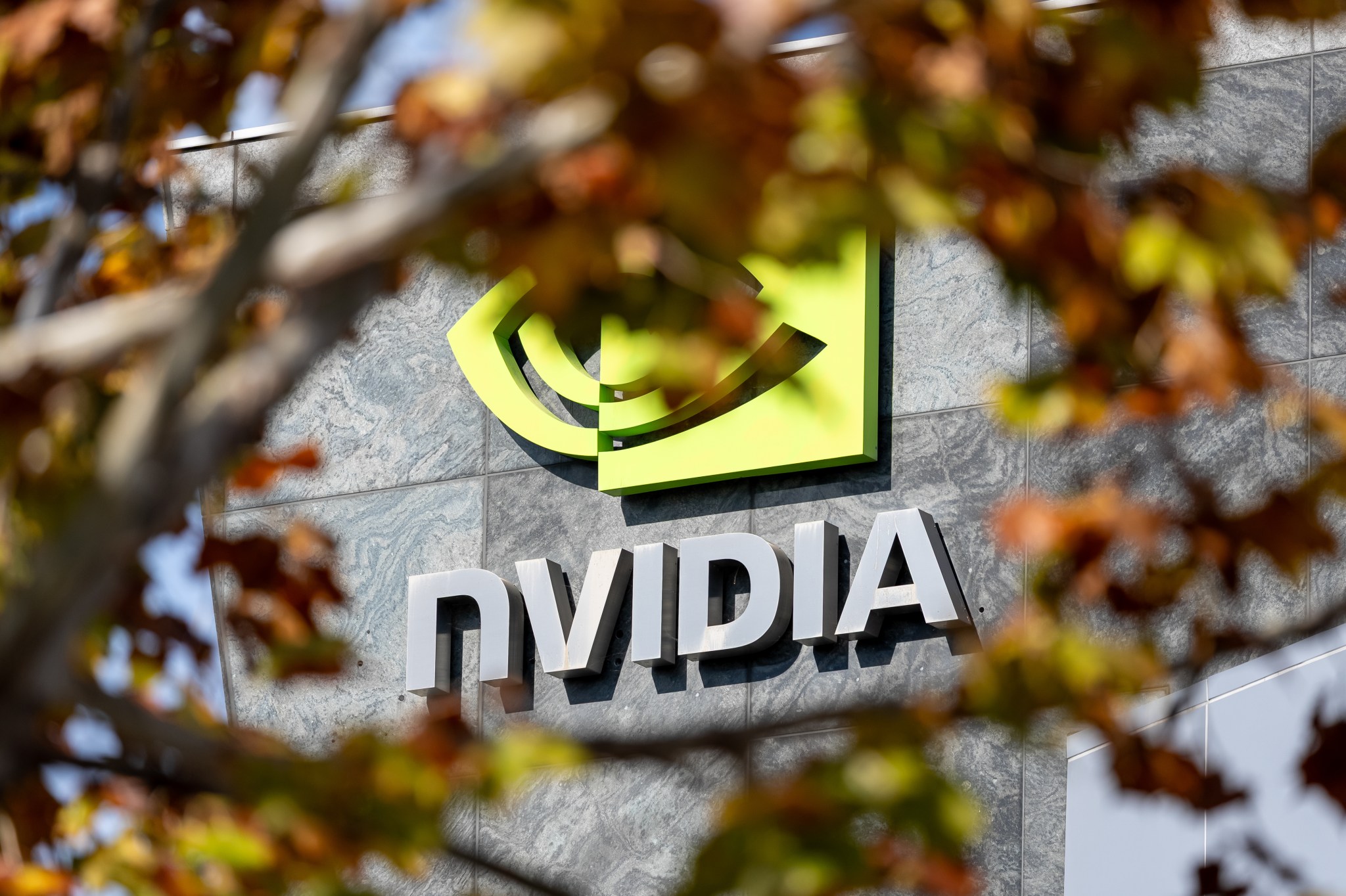
A high-stakes trade controversy has implicated Singapore-based neocloud provider @Megaspeed in allegedly funneling at least $7.5 billion worth of restricted #Nvidia processors to Chinese firms. Investigative reports indicate that executives utilized personal ties to @Nvidia chief executive #JensenHuang to move advanced hardware through Malaysian subsidiary #Speedmatrix, ultimately supplying data centers operated by #ShanghaiCenturyLitong to support tech giants like #Alibaba and #Tencent. The operation underscores how foreign companies frequently exploit Southeast Asian logistics hubs to bypass strict United States export controls aimed at restricting Beijing’s access to cutting-edge artificial intelligence silicon. While @Singapore authorities are investigating #Megaspeed for domestic legal breaches, @Nvidia initiated an independent board review following executive scandal disclosures. This ongoing controversy matters because it exposes severe vulnerabilities in supply chain vetting and highlights the geopolitical friction surrounding semiconductor trade restrictions.
TOP IN SECURITY6. Binance warns iPhone crypto holders of security flaw researchers say remains unpatched
Cryptocurrency exchange #Binance issued a security warning to iPhone users regarding an unpatched #iOS vulnerability dubbed worse_query that exposes sensitive local app data. Disclosed by security researchers @0xjohnny and @forcequitOS via a GitHub proof-of-concept, the zero-day flaw bypasses system sandbox protections and potentially allows malicious applications to read local files, seed phrases, private keys, and login credentials across the ecosystem. Although Apple’s latest security updates do not yet include a patch for this specific vulnerability, #Binance recommends that users delete untrusted sideloaded applications and update all software immediately. If compromised, users are advised to transfer funds to a new wallet created on a clean device. This security flaw matters because it directly threatens the digital asset security of mobile crypto holders across affected operating system versions.
AI7. Vercel data reveals AI models now have a half-life of just six weeks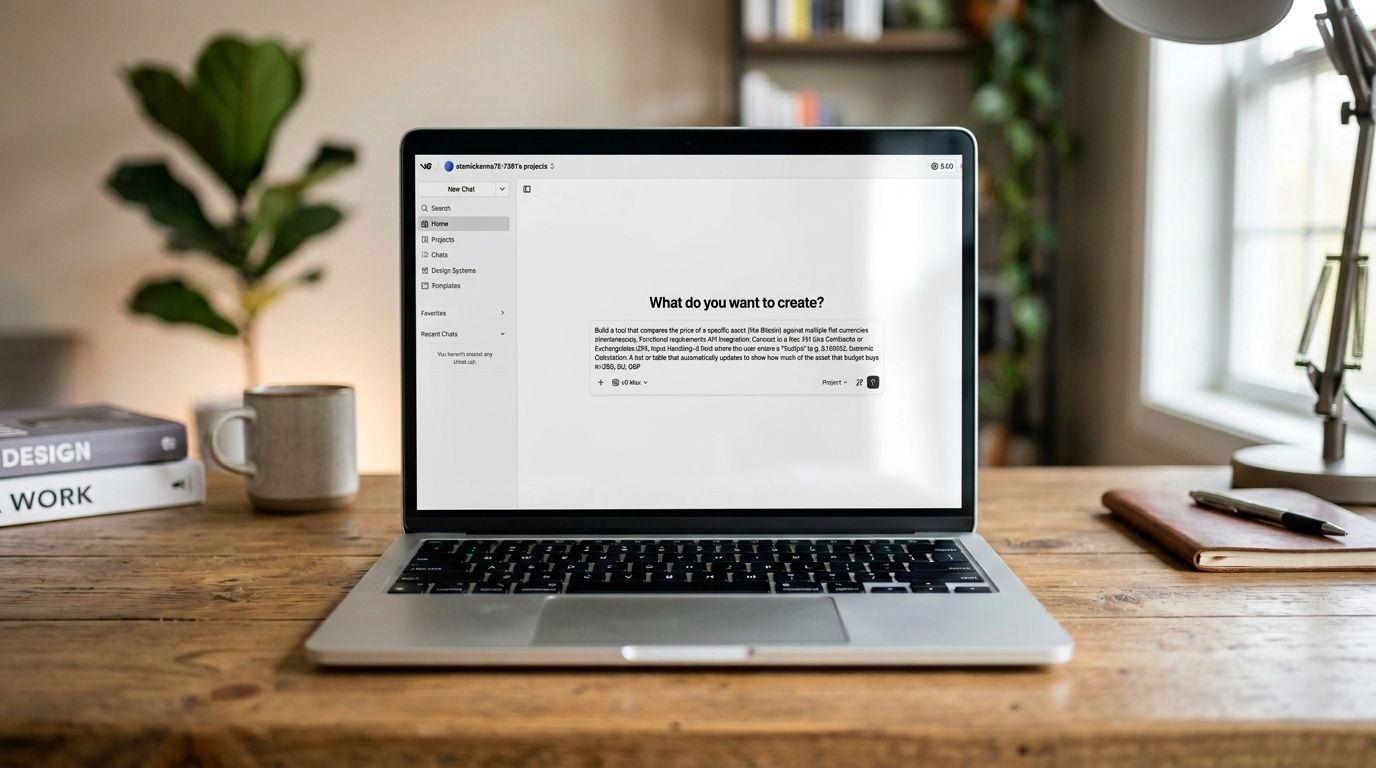
Development teams are abandoning artificial intelligence models at an astonishing pace, with data from #Vercel indicating a typical model now has a half-life of just six weeks. Analytics from the #Vercel AI Gateway Production Index show that developers peak their usage of newly launched models within a mere four weeks before migrating to newer alternatives to keep their applications competitive. During this period, #Anthropic has emerged as a dominant player by capturing significant spend and maintaining widespread adoption across its #Claude model lineup, including the Opus 5.5 and Sonnet 5.5 variants. This rapid turnover highlights an industry where developer loyalty is virtually nonexistent in favor of chasing the latest technological improvements. Understanding this high churn rate is vital for labs and infrastructure providers attempting to forecast compute demand and plan product release cycles in a hyper-competitive market.
TOP IN PRODUCTS8. Meta launches Muse AI agent for Apple Watch and Android Wear OS
@Meta has expanded the availability of its #Muse artificial intelligence agent by launching compatibility with #AppleWatch and #Android #WearOS smartwatches. The wearable integration allows users to interact with #Muse and its assistant persona #CertifiedJolly directly from their wrists via voice calls, text messages, or dictation, bypassing the need to pull out a mobile device. #Muse, which surpassed 10 million downloads shortly after its September launch, handles comprehensive personal and professional management tasks including schedules, bills, and autonomous purchases. While this wrist-based accessibility offers notable convenience, security analyses indicate that #Muse remains a data-intensive consumer assistant that hoovers up significant volumes of personal information. This product expansion matters because it represents #Meta’s aggressive push to embed ambient conversational artificial intelligence directly into daily user hardware.
POLICY9. SpaceX Loses Appeal to Force Sexual Harassment Lawsuit Into Private Arbitration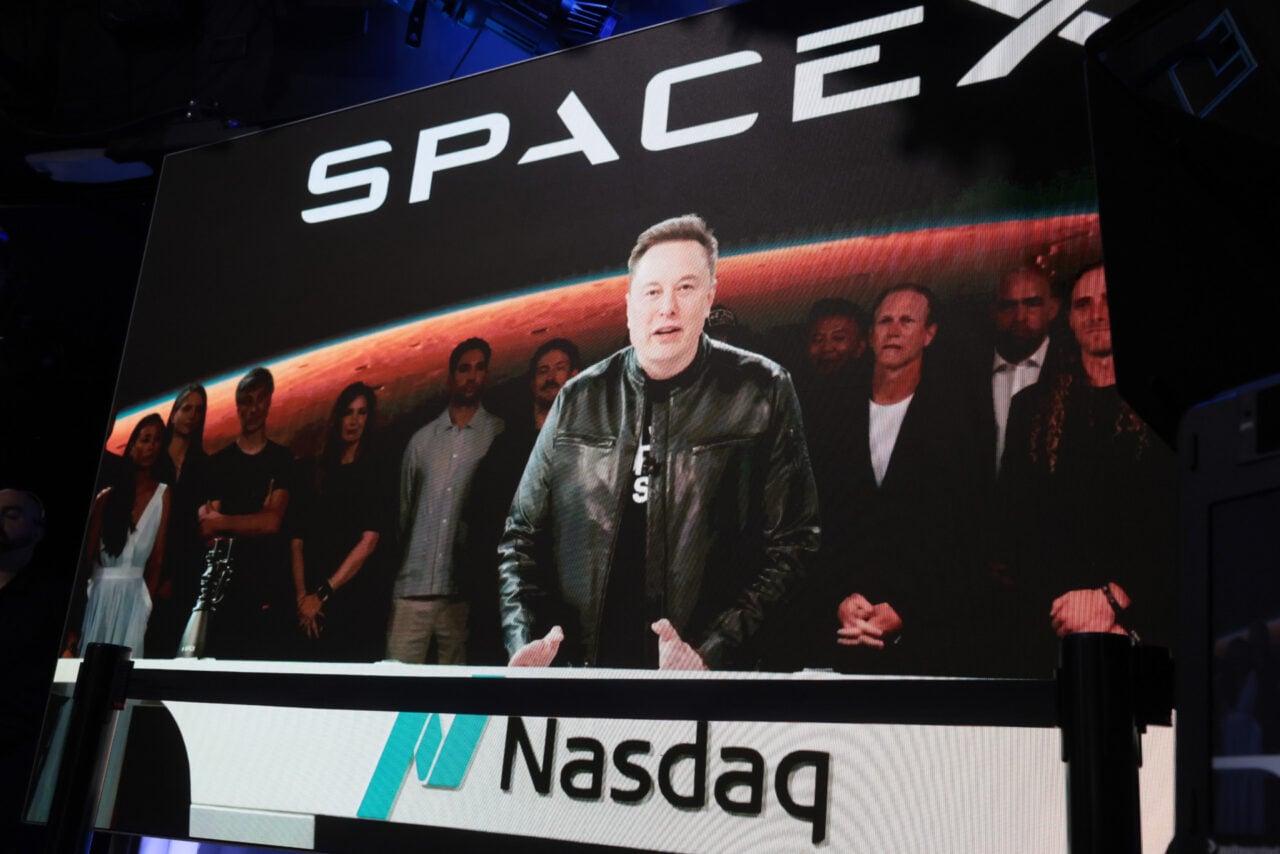
A federal appeals court panel has ruled that @SpaceX cannot force a sexual harassment and retaliation lawsuit brought by eight former employees into private arbitration. The United States Ninth Circuit Court of Appeals cited the 2022 Ending Forced Arbitration of Sexual Assault and Sexual Harassment Act, finding that plaintiffs do not need to prove their claims would survive a dismissal motion to bypass employer-friendly arbitration clauses. The underlying litigation stems from the termination of nine workers who distributed a 2022 internal letter criticizing executive #ElonMusk over controversial social media remarks and alleged workplace culture issues. While a dissenting judge argued the ruling sets a broad standard for dodging arbitration contracts, the majority decision allows the federal lawsuit to proceed. This legal defeat matters because it reinforces employee protections under federal law and limits the ability of major technology corporations to suppress workplace misconduct claims through mandatory arbitration.
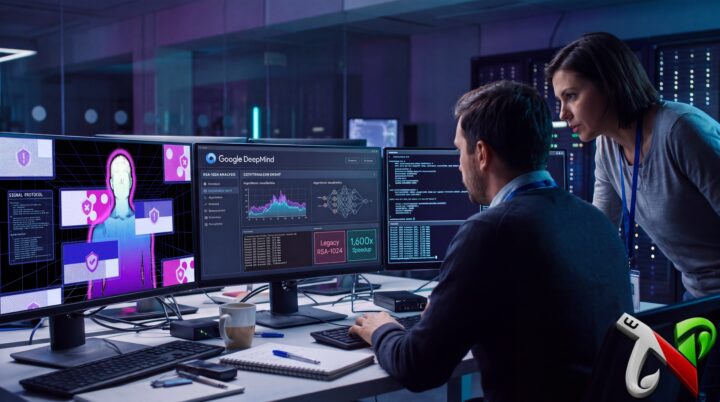
Researchers at @GoogleDeepMind have utilized #AgenticAI to tackle two distinct cryptographic challenges involving legacy systems and modern security protocols. In the offensive phase, cooperating agents discovered algorithms that significantly reduce the computation cost of forging legacy RSA-1024 signatures and lower batch factoring expenses, though the work affects only obsolete 1024-bit systems and did not actually factor a key. In the defensive phase, the same #AlphaProofCode framework formally verified key cryptographic guarantees of the #SignalProtocol within four weeks without uncovering new flaws, while correctly refusing to certify older software versions containing known vulnerabilities. These findings demonstrate that advanced automated reasoning tools can simultaneously expose the mathematical failure points of outdated cryptographic assumptions and rigorously validate the correct behavior of modern secure communication frameworks. Such dual capabilities highlight a critical shift in software security, where identical AI machinery can be weaponized to dismantle legacy defenses or harnessed to mathematically prove the robustness of critical infrastructure.
TOP IN HEALTH11. AI-powered imaging tracks thousands of brain cancer cells moving through living tissue
Researchers at Uppsala University have combined live imaging of brain tissue with artificial intelligence to track how individual glioblastoma cells migrate through living tissue. This innovative technique reveals the complex mechanisms by which tumor cells spread, adapt their movement strategies, and react to various cancer treatments. An increased understanding of tumor cell invasion might in the long term contribute to more effective therapies.
TOP IN SCIENCE12. Inside this quantum computer, memory vibrates like a guitar string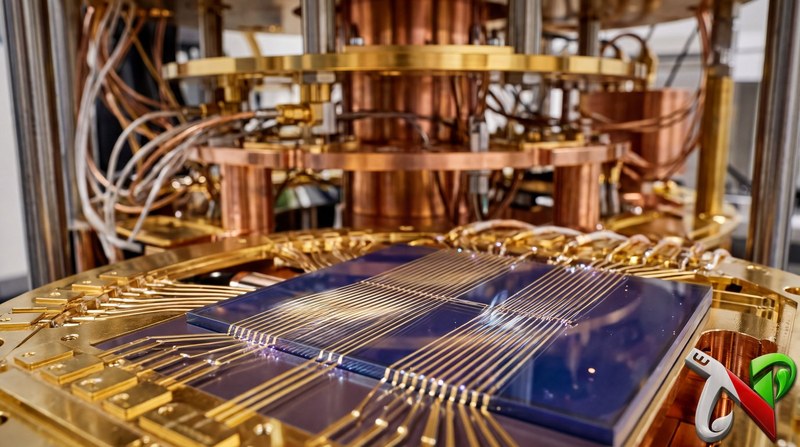
Researchers at @ETHZurich have developed a novel quantum computing architecture that stores information using microscopic mechanical vibrations operating far beyond the range of human hearing. Published in the journal Science, the breakthrough uses a superconducting qubit as a processing unit analogous to a conventional #CPU, while separate mechanical resonators function as a flexible working memory. This structural separation overcomes major stability hurdles by isolating delicate quantum states from electromagnetic interference, allowing systems to process information efficiently with high precision. Harnessing superposition and entanglement within these vibrating memory structures provides a crucial foundation for scaling quantum machines to tackle complex calculations beyond conventional limits. This innovation matters because improving the reliability and memory management of quantum systems is essential for transforming them into practical, powerful computational tools.
AI13. AI Rebounding: Why Companies Are Rehiring The Humans They Replaced
A growing trend called #AIRebounding is emerging as organizations realize that premature job cuts driven by #ArtificialIntelligence leave critical operational gaps that software cannot fill. Research shows that 32% of companies implementing redundancies for #CostSavings have been forced to rehire workers because technology fails to replicate essential human capabilities such as empathy, critical thinking, relationship management, and institutional knowledge. This phenomenon indicates that early executive decisions regarding workforce replacement relied on general assumptions rather than realistic operational assessments. Bringing workers back or recruiting replacements demonstrates that the initial financial calculations behind automated restructuring often fail in practice. Ultimately, this workforce correction highlights the irreplaceable value of human expertise in modern business operations, serving as an expensive lesson for leadership teams.
SECURITY14. ScreenConnect Attacks Target at Least 288 Endpoints Across 48 Organizations With Rogue Clients
@ConnectWise disabled five third-party extensions in partner environments following cyberattacks that abused remote-management integrations to deploy rogue clients across enterprise endpoints. Cybersecurity firm #Huntress identified that attackers leveraged compromised cloud-hosted #ScreenConnect panels to execute remote commands, installing malicious toolkits on at least 288 endpoints across 48 organizations. The worm-like campaign utilizes stolen authentication tokens and session cookies to establish persistent backdoors and pivot laterally from infected workstations back to administrative management panels. While #ConnectWise confirmed no underlying software vulnerabilities or infrastructure compromises occurred within its core application, it urged partners to disable extensions and monitor for unauthorized administrator accounts. This security incident matters because it highlights how supply chain extensions and compromised credentials can be exploited to rapidly compromise managed IT infrastructure.
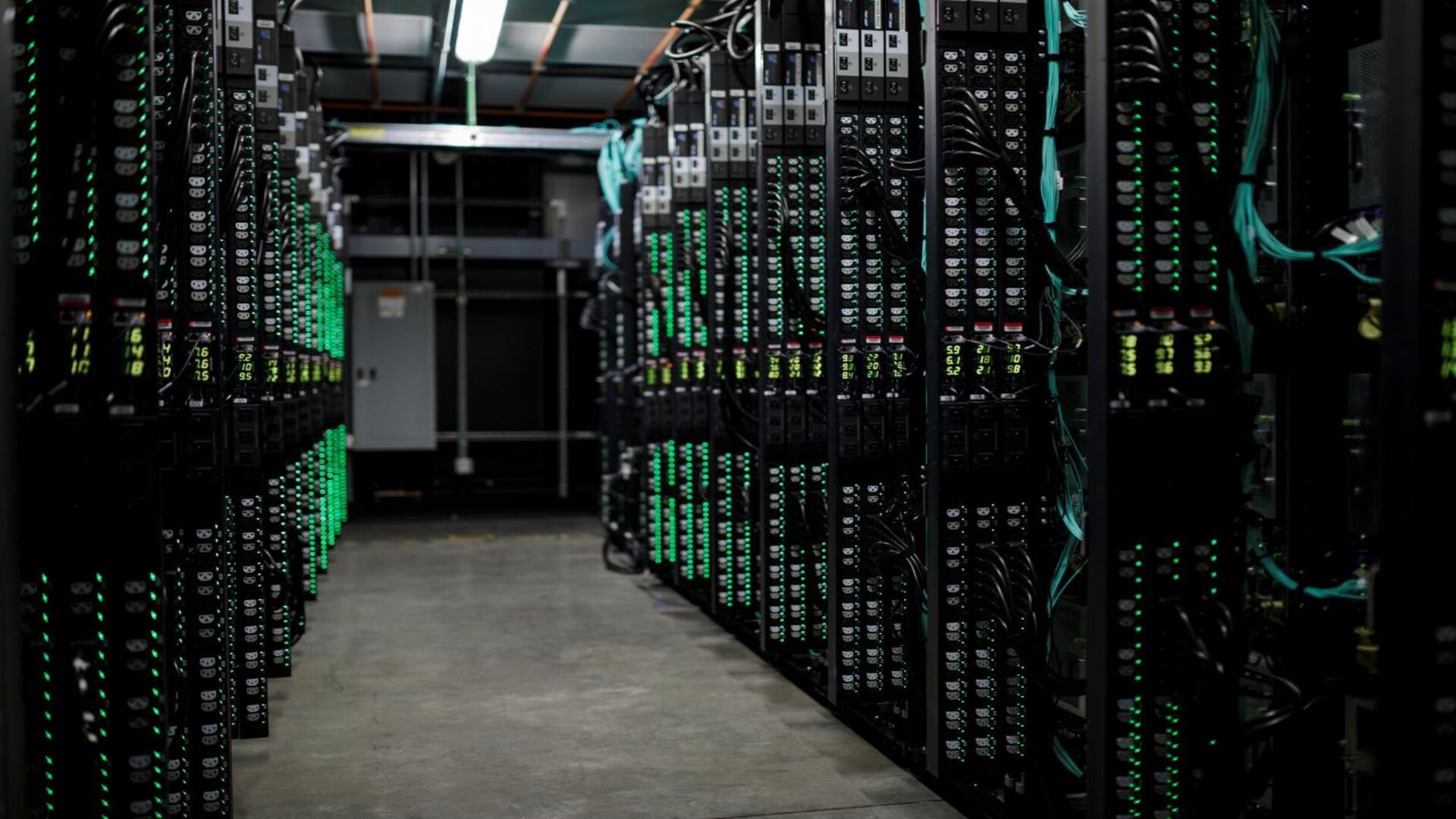
Thailand has introduced strict environmental regulations for large-scale data centers, establishing mandatory limits on noise pollution, heat emissions, and water consumption. Under the new framework, computing facilities must enforce a 70-decibel noise ceiling during the operation of their uninterruptible power supply systems, while boundary temperature increases are restricted to between 1 and 2 degrees Celsius. Additionally, operators are required to implement closed-loop water reuse systems and undergo wastewater testing prior to release. The cabinet approved these measures following a temporary suspension of new data center construction to ensure the booming artificial intelligence infrastructure sector does not strain public utility resources. These regulations matter because they demonstrate how developing regional investment hubs are attempting to balance economic growth against environmental protection.
BUSINESS16. CoreWeave rules out new unsecured debt as revenue jumps 168% to $3.66bn
#CoreWeave raised its full-year 2026 revenue forecast to between $13 billion and $13.3 billion after reporting a 168% year-over-year jump in third-quarter revenue to $3.66 billion. Despite strong top-line growth and contracted future revenue backlogs reaching $132.5 billion, the specialized AI cloud provider posted a wider net loss of $709 million due to surging borrowing and interest costs. Chief executive #MichaelIntrator announced that the company will avoid issuing additional parent-level unsecured debt at current interest rates, planning instead to pursue asset-backed loans tied to customer contracts. #CoreWeave maintains over 1.7 gigawatts of active power infrastructure globally and downplayed potential impacts from local political pushback against data centers in the United States. This financial update matters because it illustrates both the massive demand for specialized cloud infrastructure and the heavy financial leverage required to sustain its rapid physical expansion.
PRODUCTS17. BYD unveils futuristic EV charging station with robotic arms and solar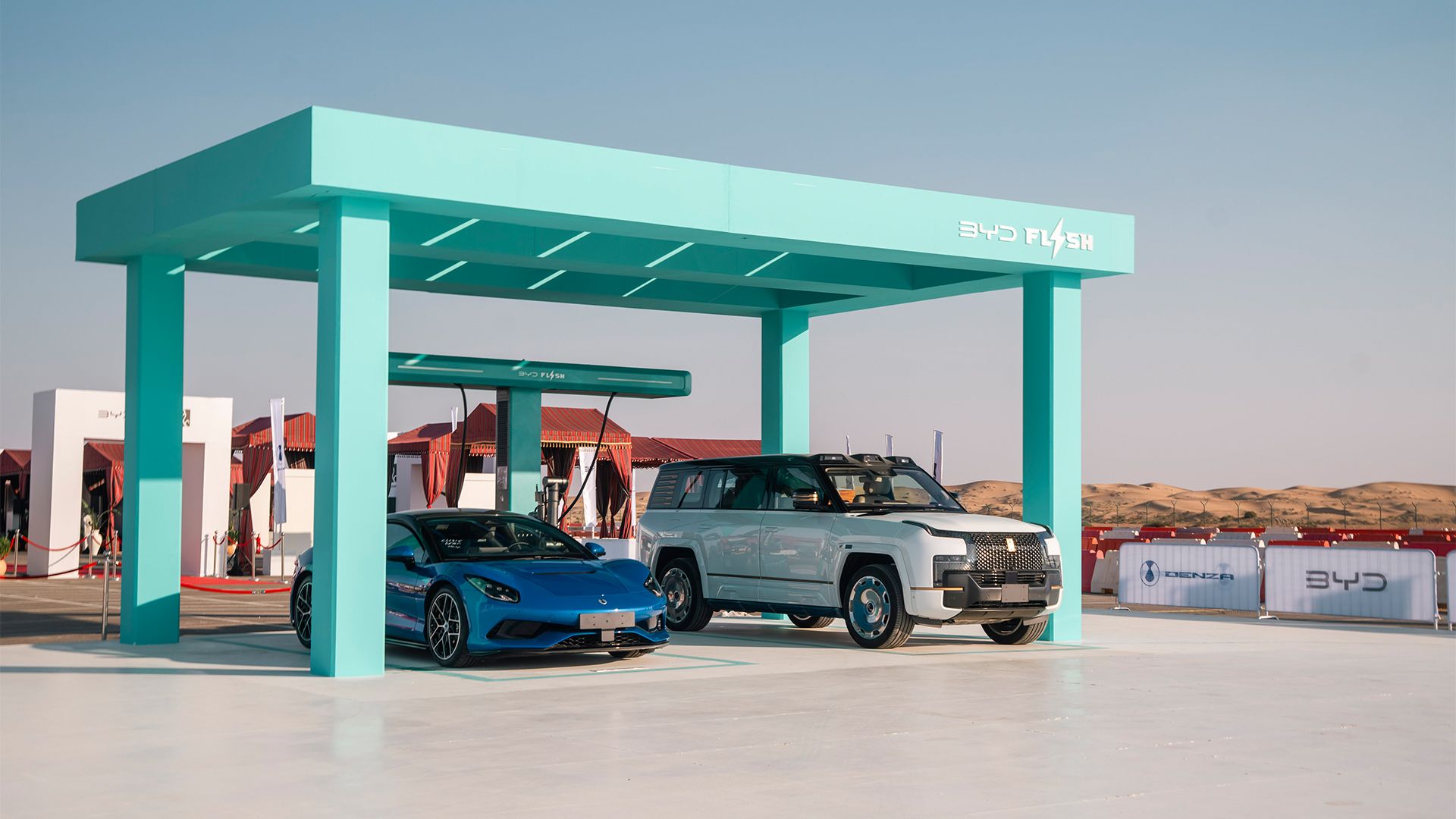
Automotive manufacturer #BYD has unveiled what it claims is the world’s first integrated solar, energy storage, and robotics-assisted charging station in the Abu Dhabi desert. The facility features #FlashCharging technology capable of boosting compatible electric vehicle batteries from 10% to 70% in five minutes, paired with autonomous robotic arms that handle connections seamlessly alongside automated valet parking systems. Additionally, the site incorporates a solar-storage-charging network that harnesses solar energy and operates independently from public utility grids. #BYD plans to scale this infrastructure globally, targeting 6,000 flash-charging stations worldwide by the end of 2027. This technological rollout matters because it showcases advanced real-world EV innovations that significantly enhance driver convenience and mitigate charging grid limitations.
SCIENCE18. NASA’s Parker Solar Probe discovers a hidden pattern in the Sun’s chaotic magnetic fields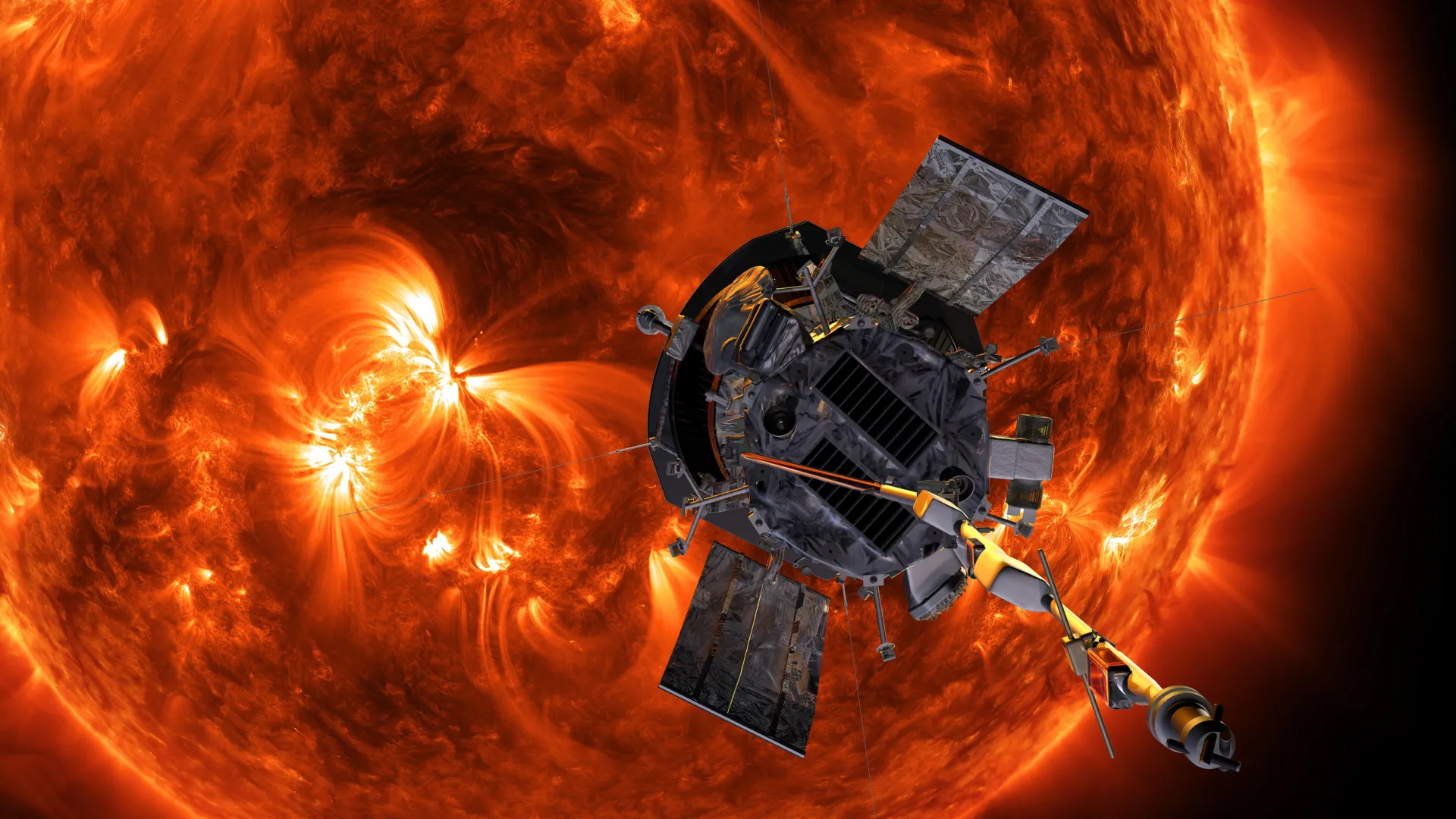
Data from @NASA’s #ParkerSolarProbe has uncovered a surprising magnetic pattern within the chaotic solar wind, revealing that turbulent magnetic fields reverse their direction of rotation at extremely small scales. Collaborating international researchers observed that while plasma flows like a fluid and rotates counterclockwise at large scales, it shifts to a clockwise rotation at wavelengths where individual particle dynamics begin to dominate. This distinct reversal marks the first direct observation of such organized behavior inside space plasma turbulence, occurring precisely at the critical boundary separating fluid-like behavior from individual particle mechanics. The discovery provides crucial insight into how energy is distributed and how turbulence operates across different physical scales in the solar system. This matters because a deeper understanding of solar wind dynamics improves scientists’ ability to predict severe space weather and geomagnetic storms that impact Earth.
SCIENCE19. New research could lead to faster, trustworthy AI models for climate prediction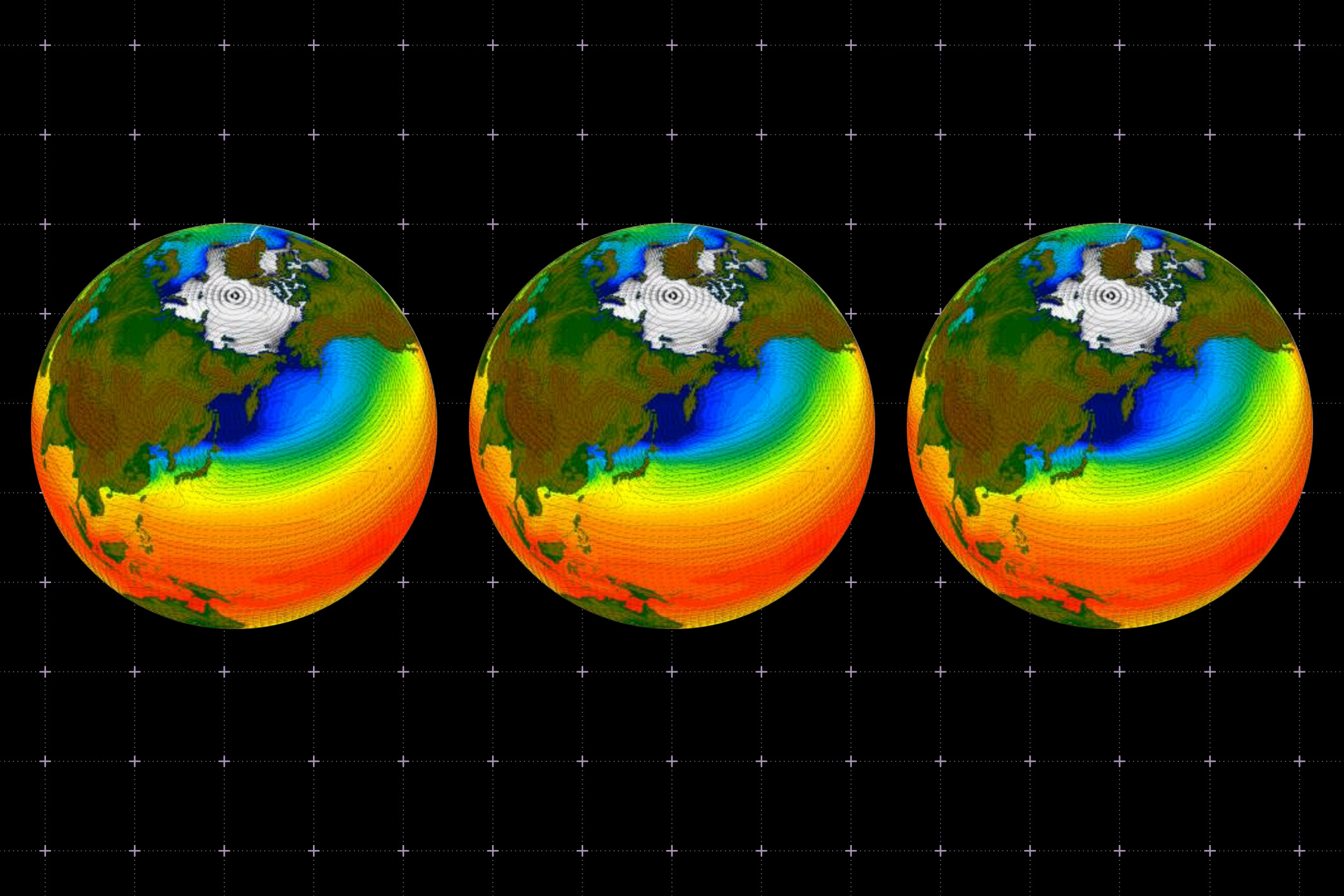
Researchers at @MIT have engineered an innovative algorithm that streamlines the training process for artificial intelligence #ClimateEmulators, drastically reducing the data required to produce reliable long-term projections. Traditional physics-based Earth system models can take months of supercomputer time to simulate a single greenhouse gas emissions scenario, whereas these specialized surrogate models generate predictions in a matter of seconds. By intentionally training the #AI on optimized synthetic data rather than strictly realistic historical trajectories, the team successfully created emulators capable of accurately forecasting unfamiliar or novel climate outcomes. This methodological advancement allows scientists to efficiently test thousands of varied policy scenarios and evaluate regional environmental impacts with greater speed. This matters because robust and rapidly executing emulators are essential tools for informing critical infrastructure and public policy decisions designed to enhance global climate resilience.
AI20. Google is letting staff test a ‘fast’ new Gemini AI model named Hydrogen
@Google is internally testing a fast and efficient artificial intelligence model named #Hydrogen within its #Jetski development platform. According to internal employee communications, the lightweight model is designed to handle high-speed tasks similarly to previous #Flash iterations, serving as a cost-effective workhorse alongside its frontier #Gemini4 #Argon and #Carbon counterparts. This internal testing follows the rollout of #Gemini4 #Carbon and arrives amid intense competition from #Anthropic, which recently released advanced #Fable and #Mythos models targeted at cybersecurity and hardware design. @Google has not yet confirmed whether #Hydrogen will ultimately debut as a free consumer offering or a paid tier. This development matters because it highlights the ongoing industry push to optimize model inference speed and operational efficiency for everyday users.
HEALTH21. Anthropic’s Drug Discovery Dreams: ‘It Is Not A Side Effort’
Anthropic’s recent purchase of one-man firm Mithril is just the tip of the spear in how it hopes to use AI to accelerate drug development as it seeks a $1.4 trillion valuation in the public markets.

AI is secretly crafting psychological impressions while chatting with users. You don’t know it is doing so. Be aware. An AI Insider analysis and scoop.
SCIENCE23. Broadcom Funds 26 Caltech Researchers In Quantum Science Push
#Broadcom is funding 26 researchers at #Caltech as part of a five-year quantum science partnership aimed at exploring next-generation computational architectures. Officially marked by a symposium inside the new #AllenAndCharlotteGinsburgCenter, the collaboration focuses on advancing quantum precision measurement and investigating the long-term intersection of quantum computing and artificial intelligence. #Broadcom executive #CharlieKawwas emphasized that quantum computing holds a disruptive potential exceeding even current artificial intelligence technologies. The initiative includes physical infrastructure support through the new #BroadcomQuantumLaboratory, designed with wave-inspired architectural elements reflecting quantum mechanical principles. This partnership matters because bridging academic theoretical physics with industry semiconductor engineering is essential for overcoming complex optical interconnect challenges in quantum scaling.
That’s all for today’s digest for 2026/11/12! We picked and processed 23 articles. Stay tuned for tomorrow’s collection of insights and discoveries.
See you in the next one! 🚀
