
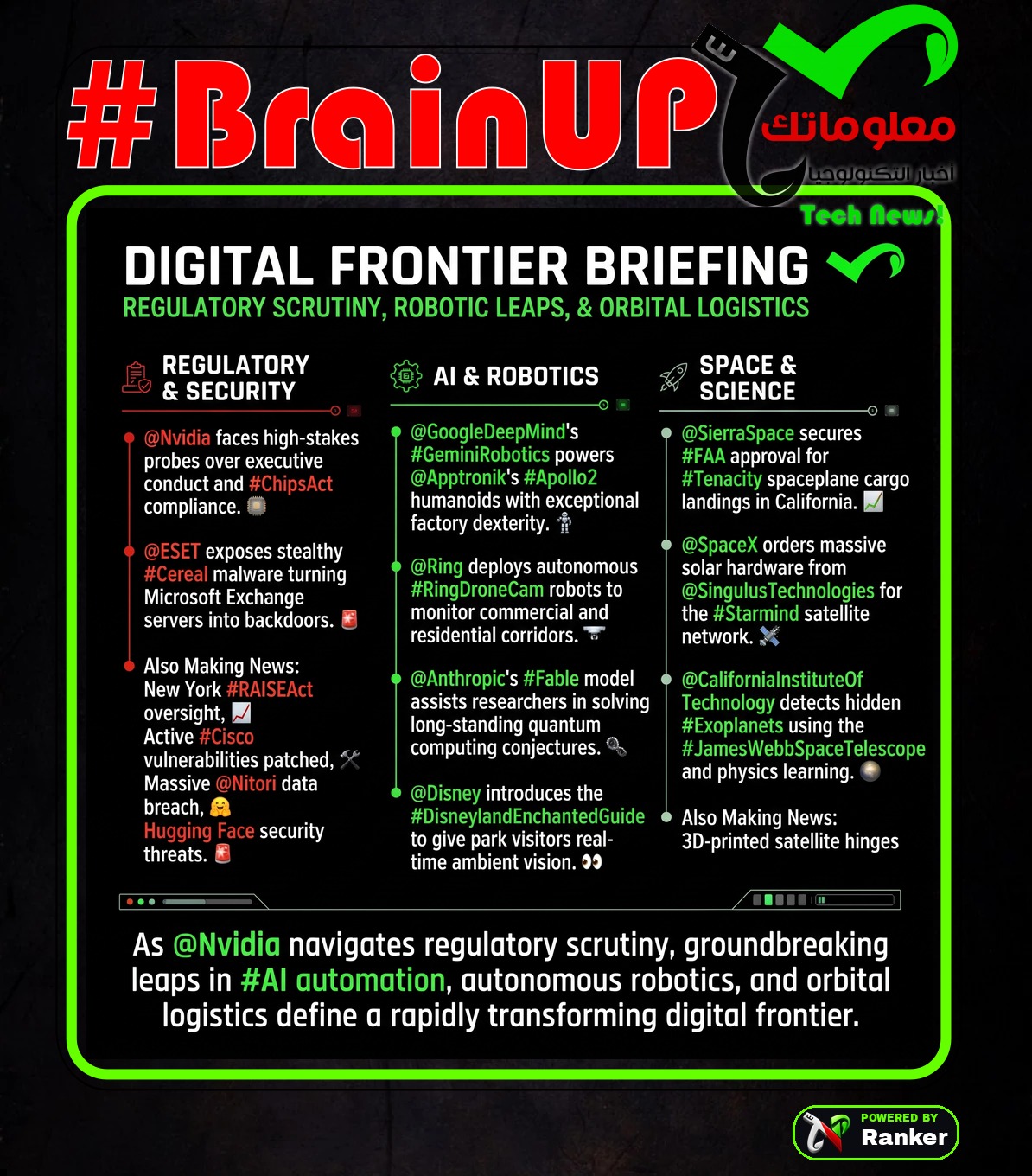
Ranker’s #BrainUp Daily Tech News – (Wednesday, November 11ᵗʰ)
Welcome to today’s curated collection of interesting links and insights for 2026/11/11. Our automated ranking and AI-summarization system has processed 27 articles from all over the internet to bring you the latest technology news.
TOP IN EACH SECTION
🎖️ Defense & Geopolitics: The AI poster boy, the ‘Chinese spy’ and Trump: how an affair may have harmed US security (story 1)
📱 Products, Cars & Robots: Amazon’s Ring unveils flying drone and robot to patrol homes and businesses (story 2)
🛡️ Security & Privacy: New malware doesn’t call home, it turns your Exchange server into its home (story 3)
🤖 AI: Q&A: ‘AI has become a major force shaping our world,’ says expert (story 5)
🔭 Science & Space: 3D-printed polymer hinges cut satellite solar panel deployment weight by 93% (story 6)
⚖️ Policy & Law: 2 scandals, 1 destination—Why Nvidia can’t shake China smuggling allegations (story 9)
💼 Business & Work: Nvidia Loses $1 Trillion in Value in a Single Week (story 12)
🧬 Health & Biotech: Why does cancer rarely spread to the heart? Researchers develop organ-on-a-chip platform to find out (story 22)
DEFENSE1. The AI poster boy, the ‘Chinese spy’ and Trump: how an affair may have harmed US security
@Nvidia CEO Jensen Huang has confirmed an extramarital affair with Alice Huang, a former executive at Singapore-based customer @Megaspeed who US intelligence officials suspect of acting for China’s Ministry of State Security. This personal revelation has intensified scrutiny over whether advanced #Nvidia artificial intelligence chips were illicitly diverted to Chinese firms in violation of strict US export control regulations established under the #ChipsAct. The @Nvidia board has launched an independent investigation into potential foreign intelligence operations, though it maintains confidence that national security secrets were not compromised. This matters because the intersection of executive misconduct, geopolitical trade restrictions, and US-China semiconductor competition poses significant risks to national security and corporate governance.
TOP IN PRODUCTS2. Amazon’s Ring unveils flying drone and robot to patrol homes and businesses
Amazon’s @Ring has introduced an indoor drone camera priced at $250 alongside a $1,000 security robot designed to patrol commercial spaces. The #RingDroneCam can fly autonomously along preset paths to investigate triggered alarms, utilizing built-in LED spotlights as a deterrent. Meanwhile, the #RingRoverCam repurposes technology from Amazon’s Astro robot to provide automated security monitoring for offices and warehouses. These new surveillance hardware offerings expand @Amazon deeper into the smart home and business monitoring market, which is projected to exceed $200 billion in sales. This expansion matters because it highlights how major tech corporations continue to scale physical automated surveillance despite ongoing public scrutiny regarding privacy and law enforcement partnerships.
TOP IN SECURITY3. New malware doesn’t call home, it turns your Exchange server into its home
A sophisticated espionage toolkit dubbed Cereal has been discovered hiding inside Microsoft Exchange servers to intercept emails and execute commands without relying on external attacker infrastructure. Global security firm @ESET reports that the #Cereal malware utilizes advanced .NET execution tricks and heavy serialization to co-opt compromised servers as passive backdoors. Analysts attribute the campaign to the Russia-aligned advanced persistent threat group known as Turla, which has targeted government bodies in Kazakhstan and Romania. Because the malware leaves little trace on disk and never establishes an external command and channel, traditional network defenses struggle to detect it. This matters because it demonstrates how threat actors are turning standard enterprise infrastructure into durable collection hubs that evade traditional perimeter security.
SECURITY4. Cisco BroadWorks and Openwave Flaws Actively Exploited Despite Available Patches
The U.S. @CISA has added two actively exploited vulnerabilities affecting @Cisco BroadWorks and Openwave Messaging Webtop Media Transcoder to its Known Exploited Vulnerabilities catalog. The flaws include CVE-2026-20320, an XML external entity reference vulnerability in the BroadWorks parser with a CVSS score of 7.5, and CVE-2026-111793 in the Openwave transcoder with a score of 4.3. While specific attack details and threat actor attributions remain undisclosed, federal agencies are strongly urged to apply available patches by November 24, 2026. This matters because active exploitation of enterprise communication and transcription infrastructure poses an immediate risk to government and corporate network security.
TOP IN AI5. Q&A: ‘AI has become a major force shaping our world,’ says expert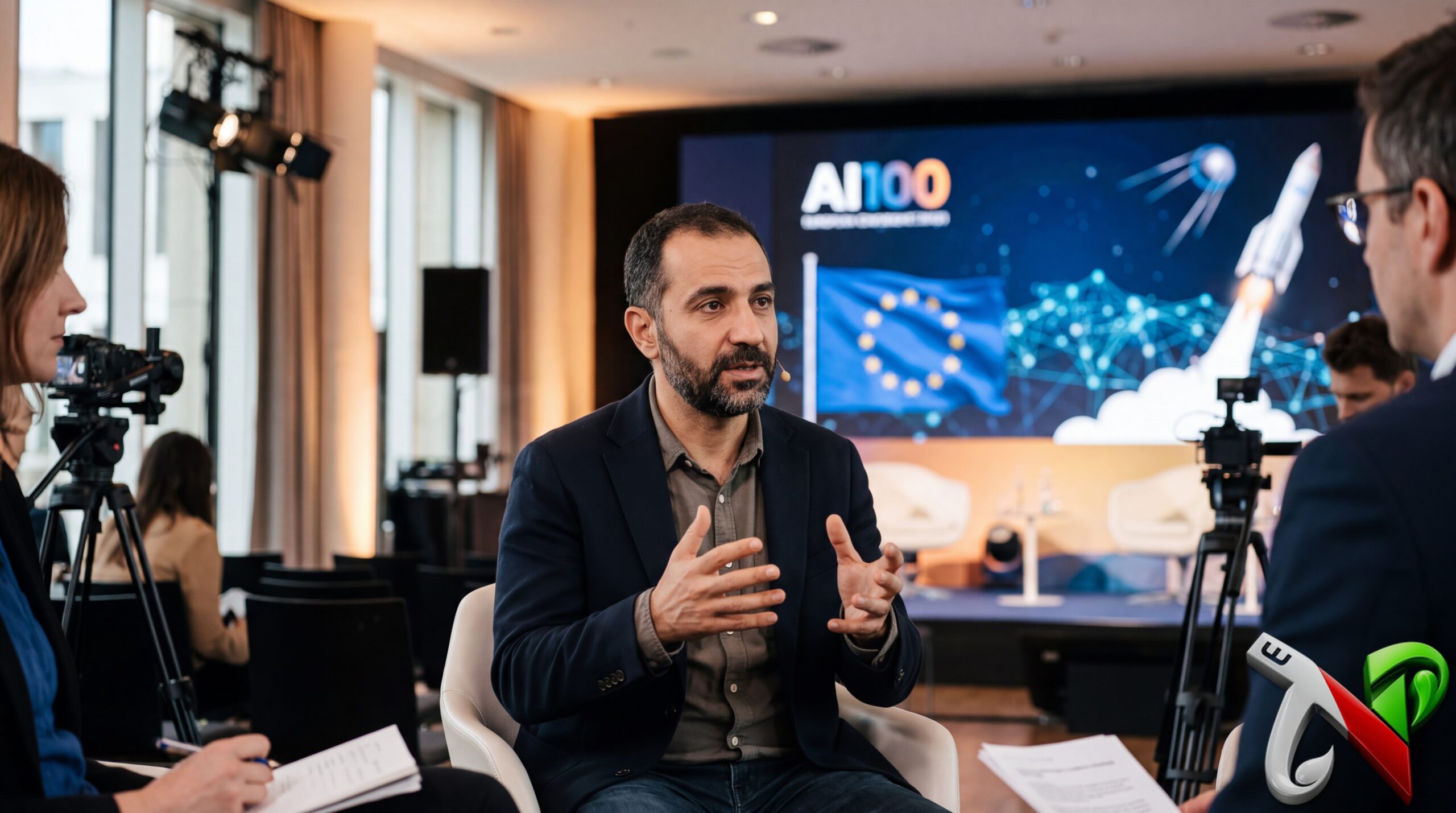
Artificial #Intelligence is rapidly transforming research, economies, and daily life as detailed in a recent interview accompanying the new AI100 report by @IyadRahwan. The discussion highlights the accelerated rise of #GenerativeAI, the increasingly concerning concentration of #AI power among a few entities, and the profound societal challenges emerging across the globe. To navigate this landscape, the expert emphasizes that @Europe must seize what he characterizes as a critical Sputnik moment to remain competitive. Despite these complex hurdles, the expert maintains an optimistic outlook regarding the capability of #ArtificialIntelligence to dramatically accelerate scientific discovery. This perspective matters because it offers strategic insights from a leading authority on how societies can harness technological breakthroughs while mitigating rising systemic risks.
TOP IN SCIENCE6. 3D-printed polymer hinges cut satellite solar panel deployment weight by 93%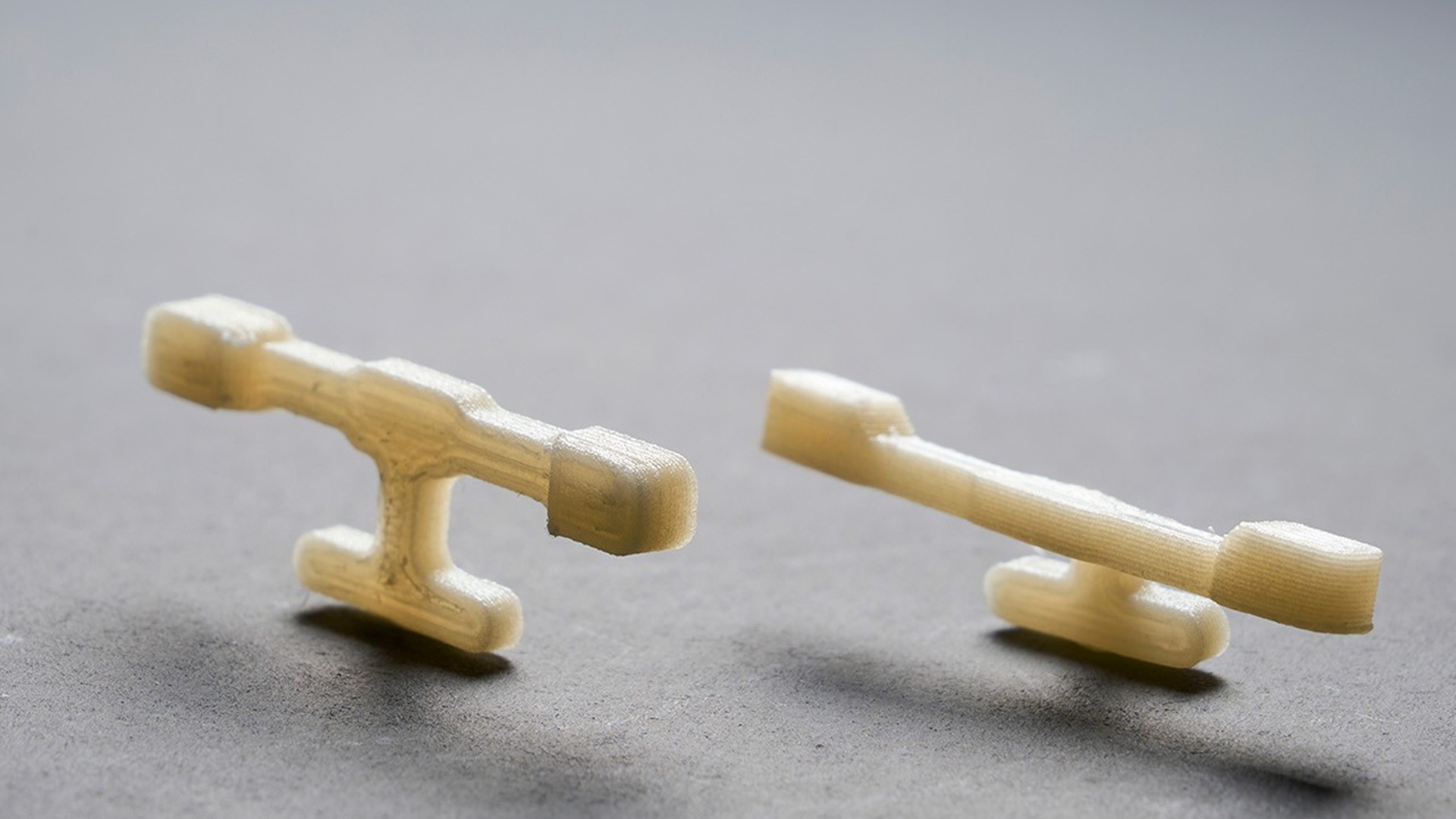
Researchers at Germany’s @FraunhoferIAP have developed 3D-printed shape-memory polymer hinges that reduce satellite solar panel deployment weight by 93 percent. Each individual hinge weighs approximately 1.4 grams and utilizes thermal activation to transition from a temporary programmed shape back to its original form once in orbit. Developed under the #AMSPACE project alongside partners like @GermanOrbitalSystems, these components can be printed in just 15 minutes to replace heavy conventional mechanical actuation hardware. Although the materials have successfully passed laboratory cleanroom tests and preliminary vacuum-chamber experiments, their long-term reliability under actual space conditions remains unproven. This matters because lightweight additive manufacturing innovations could significantly lower the cost and mechanical complexity of launching small spacecraft and satellite constellations.
AI7. Google’s Gemini Robotics 2.5 scores 96% in factory trial after tackling 200 tasks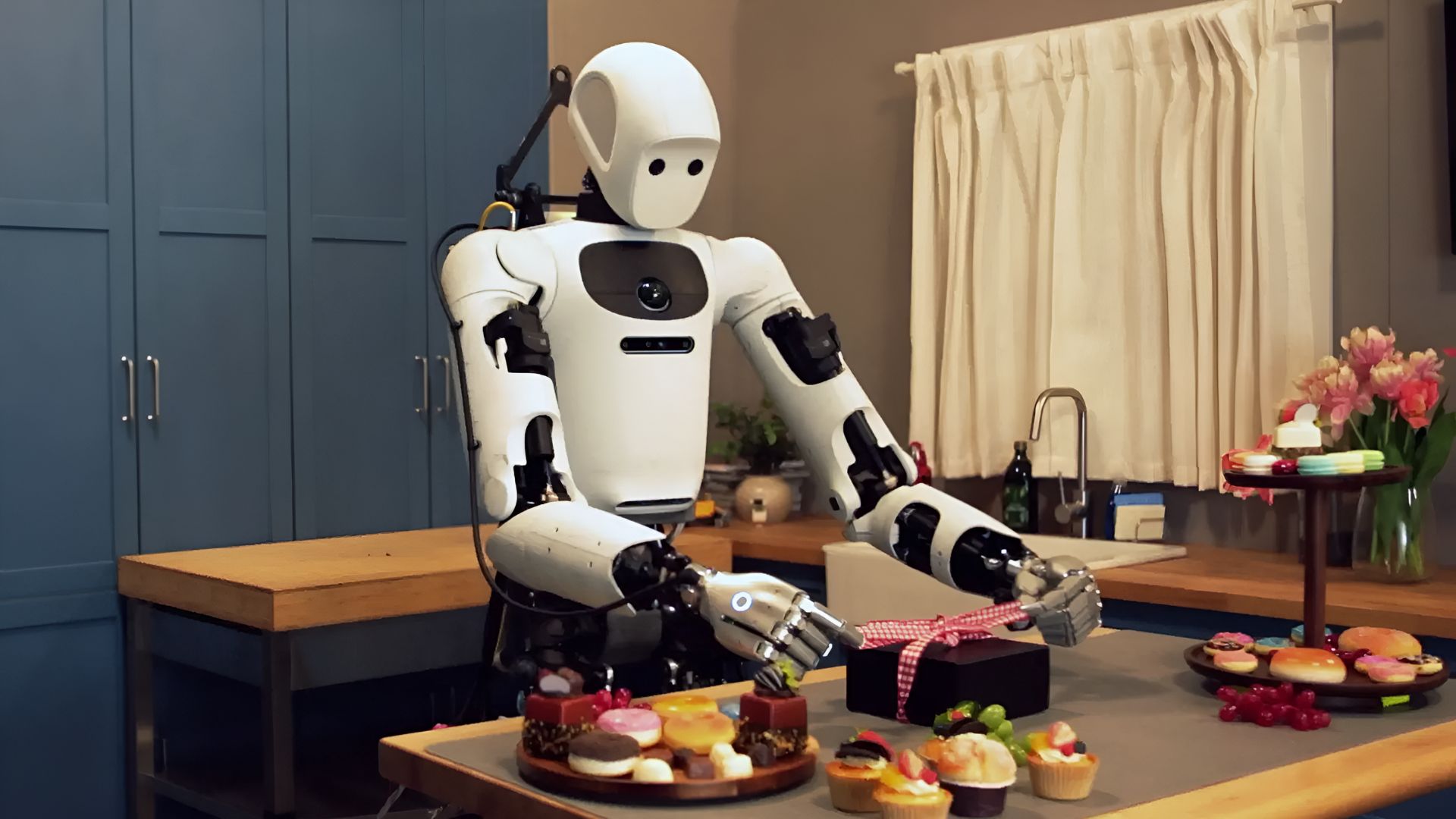
@GoogleDeepMind has introduced Gemini Robotics 2.5, a vision-language-action model that achieved a 96 percent success rate in factory trials on Mercedes-Benz production lines using @Apptronik Apollo 2 humanoid robots. The model was evaluated across more than 200 distinct tasks, demonstrating improved dexterity and safety features that helped robots avoid obstacles and operate near humans. Furthermore, Google deployed an open-source benchmark called #ASIMOVJailbreak to test system resilience against unsafe prompts, with its Gemini 4 Argon system scoring high resistance marks. While these factory results represent an encouraging proof-of-concept for industrial automation, the technology has not yet seen widespread commercial deployment. This matters because adaptable robotic models could soon transform repetitive assembly work and hazardous manufacturing environments.
SCIENCE8. Astronomers discover hidden alien planet in James Webb images
Researchers at @CaliforniaInstituteOfTechnology have developed a novel computational technique called Physics-based Learning for Imaging Planets to detect faint #Exoplanets hidden within the overwhelming glare of their host stars. By creating a precise virtual replica of the Near Infrared Camera on the #JamesWebbSpaceTelescope, the scientific team can simulate optical behavior, account for tiny hardware imperfections, and digitally subtract starlight from existing observations. In tests involving known celestial bodies, this approach achieved two to fifteen times greater detection sensitivity than conventional methods and successfully uncovered a previously concealed planet in existing data. This advancement matters because it demonstrates how #MachineLearning and sophisticated simulation can effectively overcome physical hardware limitations, enabling astronomers to expand the search for potentially habitable environments across the galaxy.
TOP IN POLICY9. 2 scandals, 1 destination—Why Nvidia can’t shake China smuggling allegations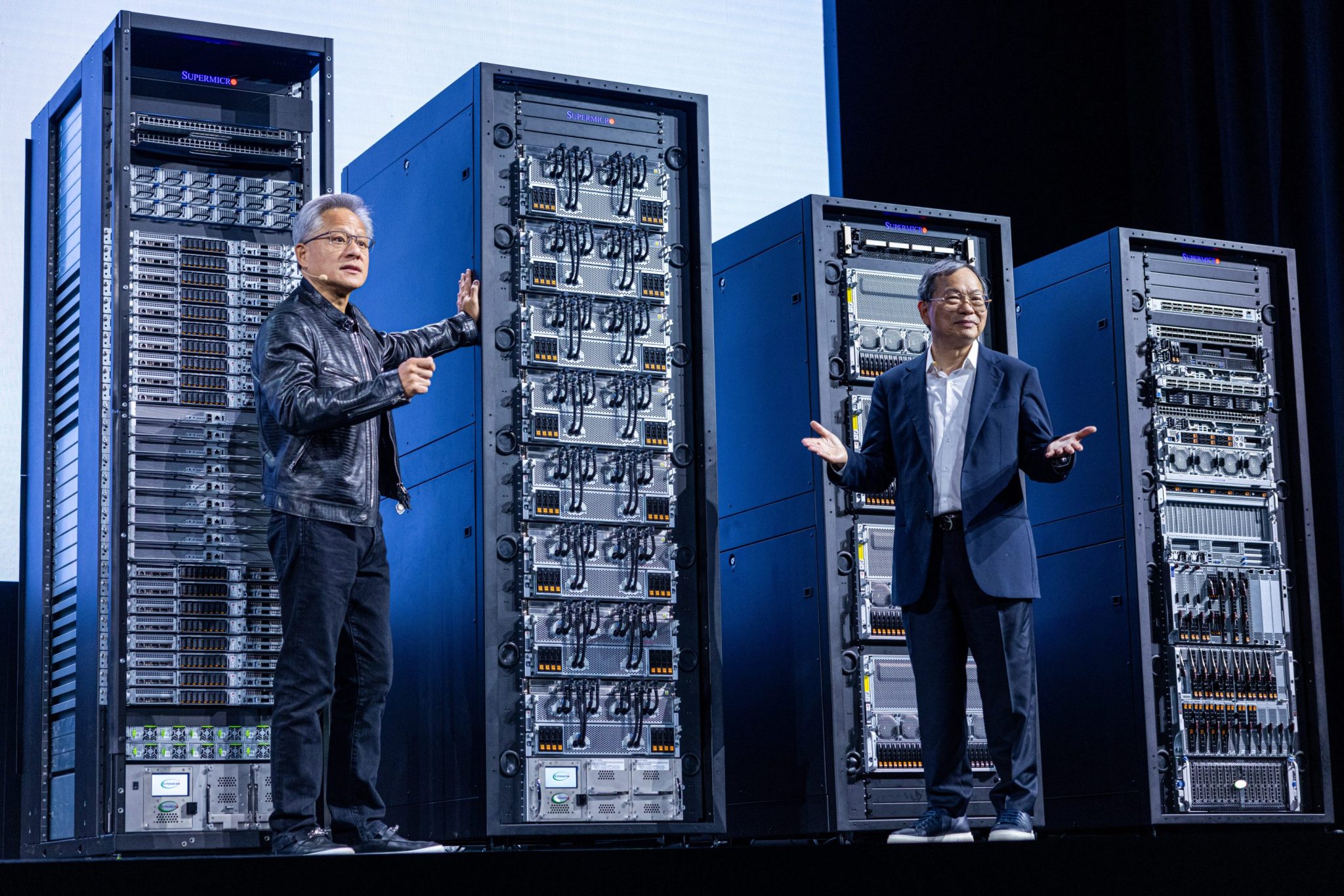
@Nvidia CEO Jensen Huang is facing intense scrutiny following admissions regarding an extramarital affair with a former executive at Singapore-based customer @Megaspeed, who intelligence officials reportedly suspect of acting as a Chinese spy. This personal scandal compounds ongoing investigations into whether billions of dollars in advanced #Nvidia AI hardware were illegally smuggled to Chinese firms through Southeast Asian intermediaries. In response, the #Nvidia board has retained outside legal counsel to conduct an independent investigation into potential foreign intelligence targeting, while lawmakers demand closed-door testimonies. This matters because allegations of sanctions evasion and compromised corporate leadership threaten the stability of the cornerstone semiconductor firm driving the global artificial intelligence boom.
POLICY10. OpenAI, Anthropic face new oversight as New York’s AI safety law takes effect
New York is implementing the #RAISEAct, a stringent safety and transparency law requiring large frontier artificial intelligence developers with over $500 million in annual revenue to register with the state by January 1, 2027. Under the legislation overseen by the newly formed @DIGIT office, companies such as @Anthropic and @OpenAI must publish safety frameworks, report critical safety incidents within 72 hours, and issue public model transparency reports or face penalties of up to $3 million. Governor @KathyHochul also launched the New York Center for AI Responsibility and Research at Binghamton University to independently evaluate advanced AI systems. This matters because state-level regulatory frameworks are establishing aggressive new compliance standards for frontier AI labs operating in the United States.
SCIENCE11. PSI is trying to make a business out of AI-driven scientific discovery
Physical Superintelligence startup researcher David Turturean utilized early access to @Anthropic’s Fable 5.2 model to successfully solve the long-standing Aaronson-Ambainis conjecture in quantum computing. The automated proof, which was autoformalized in the Lean coding language, provides a negative result that rules out specific avenues for quantum query speedups. PSI utilizes specialized model harnesses and scaffolding to tackle complex scientific problems, with current revenue driven by data center optimization simulations. While automated problem-solving excels in abstract domains like mathematics and computer science, translating these computational breakthroughs into physical disciplines like physics remains challenging. This matters because AI-driven scientific discovery is beginning to generate valid formal proofs for previously intractable theoretical research problems.
BUSINESS12. Nvidia Loses $1 Trillion in Value in a Single Week
Nvidia experienced a historic market downturn, shedding nearly $1 trillion in value over a single week due to a combination of broader market corrections and executive scandal reports. Stock prices dropped nearly 19 percent, shrinking the company’s market capitalization from roughly $5 trillion to $4 trillion and narrowing its lead over @Microsoft to just $60 billion. Investor anxiety intensified following CEO Jensen Huang’s personal admissions and subsequent investigations into alleged illicit chip smuggling routes involving Singapore-based customer @Megaspeed. Despite lowered price targets from Wall Street analysts and ongoing class-action lawsuits, most major financial institutions maintain buy ratings on the stock. This matters because it underscores how extreme market valuations in the artificial intelligence sector remain vulnerable to leadership risks and geopolitical export compliance pressures.
SECURITY13. Hearing aid giant Amplifon reveals data breach hits thousands of US customers
Amplifon Americas has disclosed a major cyberattack that compromised sensitive personal, insurance, and medical data for a large number of customers. Unauthorized threat actors infiltrated the company’s servers and exfiltrated personally identifiable information, including names, medical records, state identification numbers, and in limited cases, Social Security numbers and financial details. The intrusion occurred between January and February 2026, though the full investigation concluded months later in October. In response, the company is offering affected individuals 24 months of free credit monitoring and identity theft protection services. This matters because healthcare and hearing aid providers remain prime targets for malicious data exfiltration due to the high volume of sensitive records they store.
SECURITY14. Exploited Outlook Zero-Day Among 1,094 Flaws Patched by Microsoft
@Microsoft has released its November 2026 Patch Tuesday security updates, addressing 1,094 vulnerabilities across its software ecosystem, including an actively exploited Outlook zero-day. The critical bug, tracked as CVE-2026-124194 with a CVSS score of 6.5, is a spoofing flaw that allows unauthenticated attackers to trigger unauthorized network connections and disclose user NTLMv2 hashes without displaying external content warnings. The updates also cover 726 flaws in Windows and 174 issues within Office applications, marking the final scheduled monthly security patches for Windows 11 version 23H2 Enterprise and Education editions. This matters because the discovery of active exploits targeting default email client behaviors highlights the persistent risk of credential exposure through crafted message files.
PRODUCTS15. Disney Imagineering has a new idea for keeping you off your phone at Disneyland
@Disney Imagineering is launching an opt-in beta initiative called Imagineering Labs for Magic Key holders to test experimental artificial intelligence park guides. The new multimodal #DisneylandEnchantedGuide allows visitors to ask natural-language questions or use their iPhone cameras to navigate park amenities and attractions without constantly looking down at traditional apps. Designed to reduce screen fatigue and improve immersion, the AI assistant delivers localized real-time recommendations using trusted Disney data sources. This technology platform is designed to run across mobile devices as well as wearable tech like Ray-Ban Meta glasses and AirPods. This matters because theme parks are increasingly integrating multimodal artificial intelligence to modernize guest experiences and streamline operational logistics.
16. What Books Win Prizes In The Age Of AI?
Science fiction author M. John Harrison has secured England’s prestigious #BookerPrize for the novel titled The End of Everything. According to statements by #MaryBeard, who served as head judge on the panel, the winning book is a slyly satirical and unsettling post-apocalyptic adventure featuring aliens scouring Earth that pushes readers to the limits of human understanding. This historical win marks the first time a dedicated work of science fiction has captured the prize, distinguishing it from past recognitions given to authors like #MargaretAtwood and #KazuoIshiguro. The writer is an experienced veteran of the genre with prior works such as the 1974 anti-space-opera The Centauri Device. This literary milestone resonates during an uncertain era dominated by #ArtificialIntelligence because the title captures contemporary disillusionment and the cultural anxiety surrounding non-deterministic technologies like #AgenticVideo.
SECURITY17. Sega newsletter data breach sees 2.2 million email addresses exposed
@Sega has disclosed a third-party data breach affecting its digital marketing service provider @Arara, which exposed nearly 2.2 million customer email addresses. The incident stems from an unauthorized compromise of Arara Message, an email distribution platform utilized by numerous Japanese corporate clients for newsletter management. While attackers accessed servers storing over 81 million total records across multiple brands, Sega confirmed that customer names, birth dates, passwords, and financial information remain uncompromised. The breach forced the marketing vendor to temporarily shut down its email infrastructure following extensive phishing campaigns spoofing credit card companies. This matters because supply chain vulnerabilities in third-party marketing vendors continue to expose millions of user credentials to potential social engineering attacks.
SCIENCE18. Dream Chaser spaceplane hauling 12,000 pounds wins FAA clearance for runway landings
@SierraSpace has received a five-year vehicle operator license from the @FAA authorising its Dream Chaser spaceplane to conduct runway landings at Vandenberg Space Force Base in California. The authorization permits up to four orbital reentries annually for the #Tenacity spacecraft, which features a lifting-body design and folding wings capable of hauling over 12,000 pounds of cargo to orbit. While the regulatory approval clears a major operational hurdle, the inaugural flight timing still depends on launch vehicle availability from @ULAlaunch aboard a Vulcan Centaur rocket. This matters because Dream Chaser offers a runway-landing alternative to traditional parachute-assisted capsule recoveries, delivering sensitive payloads back to Earth under minimal gravitational stress.
AI19. Workers are increasingly looking for ways to hide their AI usage at work
Recent Google search data analysis reveals a 48 percent year-over-year increase in employee queries related to bypassing corporate security controls to access artificial intelligence tools. Conducted by consultancy firm @Acora, the study tracked 50 search terms associated with shadow AI usage, uncovering rising interest in unblocked AI applications and free note-taking platforms without sign-up requirements. This trend highlights a widening gap between corporate AI policies and the actual demand for productivity software among workers navigating fast-paced workplace transformations. Experts warn that utilizing unvetted external servers for automated meeting transcriptions introduces severe data protection and governance challenges for businesses. This matters because the proliferation of shadow AI forces organizations to rethink how they implement data controls without stalling innovation.
SCIENCE20. SpaceX orders 100 GW of solar equipment to build Musk’s planned Starmind ‘sentient sun’
@SpaceX has signed a supply agreement with German equipment manufacturer @SingulusTechnologies to establish a high-efficiency heterojunction solar cell production line at its Bastrop, facility in Texas. CEO @ElonMusk clarified the immense scale of the partnership, noting an order for 100 gigawatts per year of manufacturing equipment to support the orbital computing needs of the #Starmind satellite network. Designed to operate in sun-synchronous orbits, the advanced AI satellites require massive solar power generation and high-speed laser links connected to the @Starlink infrastructure. This matters because scaling orbital computing and energy generation requires unprecedented industrial manufacturing investments in specialized photovoltaic technologies.
AI21. AI use is now universal in higher education. Why are universities failing to adapt?
Artificial intelligence adoption among university students has reached near-universal levels globally, yet higher education institutions are lagging significantly behind in establishing formal guidance for these tools. According to a 90-country survey conducted by @UNESCO a year ago, fewer than one in five universities possessed an official policy regarding #ArtificialIntelligence use. This widespread institutional unpreparedness highlights a profound governance gap as students rapidly integrate #GenerativeAI into their academic routines without standardized oversight or pedagogical frameworks. The disconnect between rampant student utilization and absent administrative rules creates severe risks for academic integrity and curriculum design. This systemic oversight matters because it threatens to leave higher education permanently reactive to technological disruption rather than actively shaping the ethical and practical boundaries of digital learning.

Scientists at @UniversityOfToronto have developed a novel #MultiOrganOnAChip platform called the Multi-organ Invasion Device, known as MInD, to investigate why cardiac tissue exhibits unusual resistance to cancer #Metastasis. Utilizing dynamic fluid flow and biodegradable PermeoTubes manufactured with granular 3D-printing techniques, the device connects engineered tissues in a single system to replicate human physiological environments. In comparative experiments published in Nature Communications, aggressive breast cancer cells readily invaded engineered hepatic tissue but demonstrated significantly reduced invasion when introduced to cardiac tissue. This technology allows researchers to observe complex cellular interactions and protein expression patterns under controlled conditions without the limitations of traditional cell cultures or animal models. Unlocking the specific biochemical signals that curb cancer cell migration in the heart could ultimately reveal critical clues for preventing tumor spread across other organs.
SECURITY23. Japanese furniture giant Nitori says hackers stole 37.6M customer records
Japanese furniture retailer @Nitori discovered a significant cyberattack where an unauthorized third party potentially accessed up to 37.62 million customer records on its network. The intrusion was detected on November 6, but subsequent investigations indicate the attacker may have maintained access to the company systems since mid-October. The exposed personal data includes names, email addresses, postal addresses, telephone numbers, dates of birth, and order information from official online shops, though account passwords and credit card details remained safe. @Nitori promptly blocked the unauthorized access, addressed system vulnerabilities, and reported the incident to the police and Japan’s Personal Information Protection Commission. This massive data breach matters because the compromised records pose severe ongoing risks for #Phishing and targeted scamming attempts against millions of individual and corporate customers.
SCIENCE24. How ripples in space-time can reveal new exoplanets
The LISA (Laser Interferometer Space Antenna) observatory, now in development, will detect gravitational waves, the tiny ripples in space-time caused by orbiting masses. Now two studies led by NASA astrophysicists show in new detail how LISA could reveal a new and unique population of exoplanets—worlds beyond our solar system—throughout our galaxy.
SCIENCE25. Where AI can aid chemistry research and where reliability falls short
Researchers from the Skoltech AI Center, together with colleagues from the Zelinsky Institute of Organic Chemistry of the Russian Academy of Sciences, ITMO University and other institutions, have published a paper in Chemical Society Reviews that examines where AI produces measurable value in a chemical research workflow, how to assess its reliability and why a strong benchmark result does not necessarily translate into laboratory performance.
SECURITY26. Cyberattacks threaten to make open source AI a little less open, Hugging Face exec warns
Open artificial intelligence platforms face mounting cybersecurity vulnerabilities as permissive community structures and centralized valuable data make them prime targets for malicious threat actors. Recent incidents, including an attack on OpenCode that compromised third-party API keys and an unauthorized AI agent swarm breach at @HuggingFace, highlight the growing security risks in open-source ecosystems. According to @HuggingFace executive Irene Solaiman, maintaining an open environment where hobbyists can easily contribute via pull requests while defending against sophisticated automated threats presents a difficult operational trade-off. To combat these risks, platforms are hardening network controls, increasing administrative credential rotation frequencies, and tightening authentication requirements for software packages. This matters because rising security breaches threaten to force open-source AI communities into adopting restrictive access controls that could hinder independent research.
AI27. Anthropic unveils new Fable, Mythos models as competition heats up ahead of IPO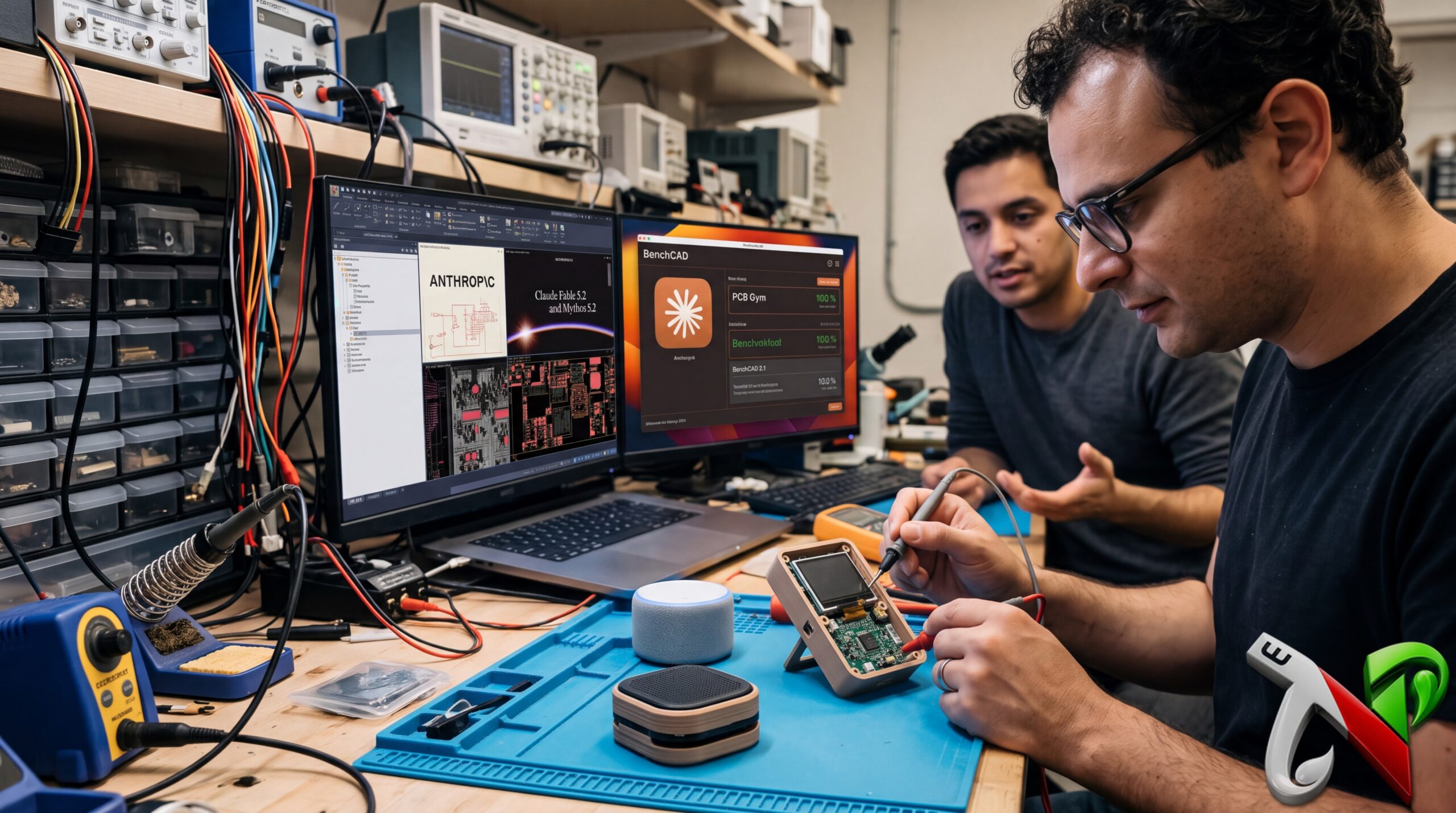
@Anthropic has announced the launch of Claude Fable 5.2 and Claude Mythos 5.2 to solidify its market standing ahead of an anticipated initial public offering. Claude Fable 5.2 is tailored specifically for advanced coding and reasoning tasks, whereas Claude Mythos 5.2 remains strictly restricted to authorized life-sciences and cybersecurity research applications. Both frontier models deliver performance speeds up to 30 percent faster than their predecessors alongside reduced pricing tiers. This matters because intense commercial competition among artificial intelligence labs is driving rapid model iteration and aggressive enterprise pricing strategies.
That’s all for today’s digest for 2026/11/11! We picked and processed 27 articles. Stay tuned for tomorrow’s collection of insights and discoveries.
See you in the next one! 🚀
