
Ranker’s #BrainUp Daily Tech News – (Sunday, November 1ˢᵗ)
Welcome to today’s curated collection of interesting links and insights for 2026/11/01. Our automated ranking and AI-summarization system has processed 33 articles from all over the internet to bring you the latest technology news.
TOP IN EACH SECTION
🎖️ Defense & Geopolitics: Pope Leo urges a ban on lethal autonomous weapons before Geneva talks (story 1)
💾 Chips & Data Centers: Google’s space data center chip writes its first-ever poem in orbit (story 2)
🛡️ Security & Privacy: “SMS of Death” Exploit Puts Unpatched Android Phones at Risk of Remote Crashes – #BrainUp with Sam Salhi (story 3)
📱 Products, Cars & Robots: How HomeView foreshadows Apple’s post-app, Siri-first future (story 4)
🤖 AI: Anthropic takes steps to block Claude from reverse-engineering video games (story 7)
⚖️ Policy & Law: Judge allows NAACP lawsuit over xAI data center pollution to move forward (story 8)
🔭 Science & Space: New X-Ray Technology Captures 4.6 Times More Light Without Losing Sharpness (story 9)
🧬 Health & Biotech: Chemists develop AI tool to convert human ingenuity into life-enhancing enzymes (story 12)
DEFENSE1. Pope Leo urges a ban on lethal autonomous weapons before Geneva talks
@PopeLeoXIV issued a formal address urging global states meeting in Geneva under the @UN to implement a comprehensive ban on lethal autonomous weapons and ensure human oversight over artificial intelligence. Speaking at a Vatican meeting organized by the Pontifical Academy for Life and the @FutureofLifeInstitute, the pontiff emphasized that machines are tools rather than persons and warned against delegating life-and-force decisions like target lists to automated systems. While industry figures like @MistralAI Chief Executive @ArthurMensch have previously pushed back against similar ethical restrictions on military tech, the Vatican continues to advocate for binding international oversight standards. This appeal matters because it injects high-level moral and institutional pressure into upcoming diplomatic negotiations regarding the ethical limits of autonomous warfare.
TOP IN CHIPS2. Google’s space data center chip writes its first-ever poem in orbit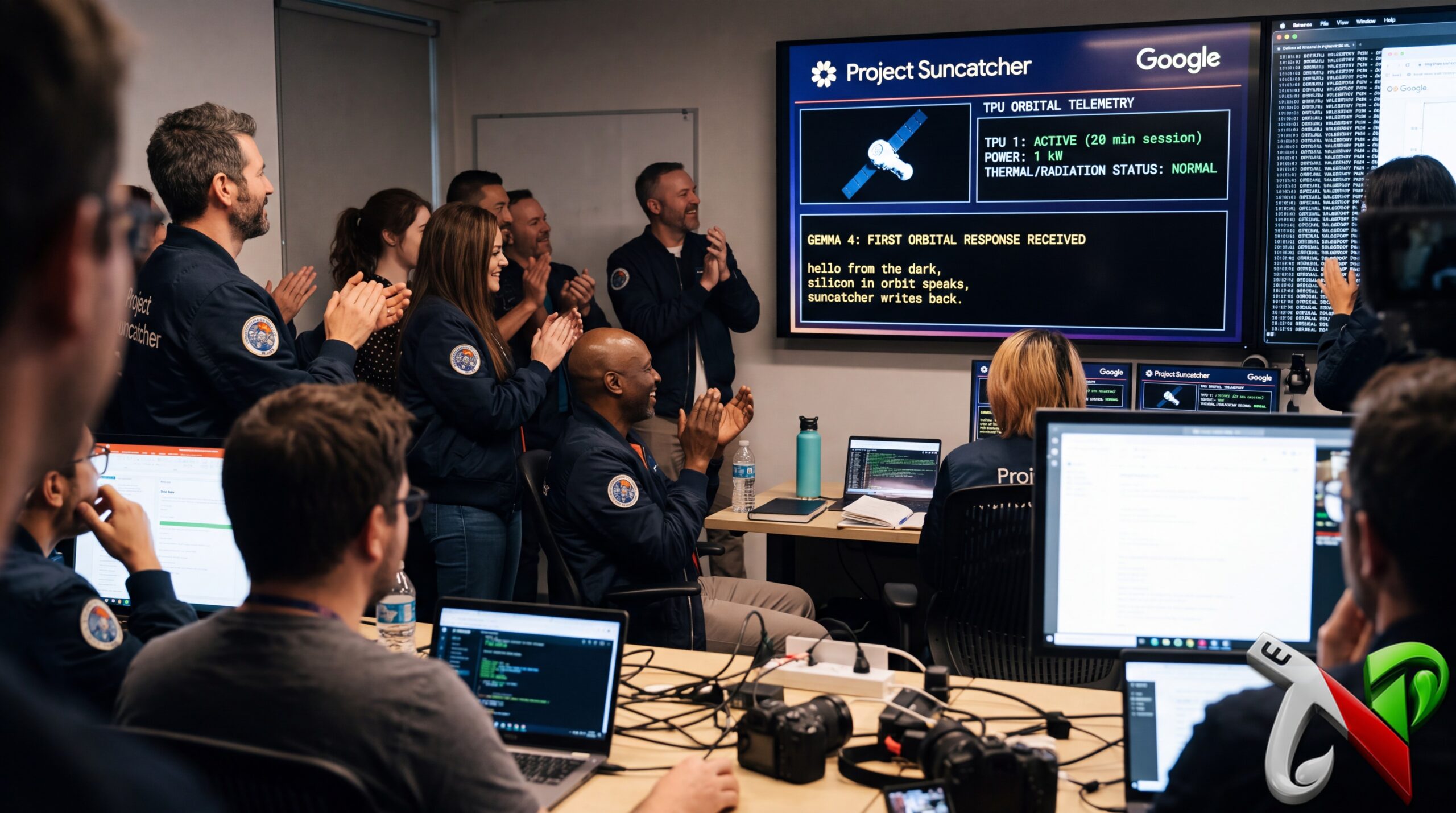
@Google successfully executed its first machine learning prompt from orbit using spacecraft-mounted @TensorProcessingUnits, marking a technical milestone for Project Suncatcher. Engineers transmitted a prompt to the open-source Gemma 4 model during a communication window, instructing the system to compose a haiku, which successfully returned lines about starlight and data streams alongside telemetry. While the test demonstrated basic orbital AI capabilities, power generation limits operating sessions to 20 minutes, and continuous space radiation poses severe risks of hardware-corrupting bit flips. This low Earth orbit test matters because it lays the groundwork for Google’s ambitious 2027 plan to launch networked satellites with optical links and higher power capacity for coordinated orbital computing.
TOP IN SECURITY3. “SMS of Death” Exploit Puts Unpatched Android Phones at Risk of Remote Crashes – #BrainUp with Sam Salhi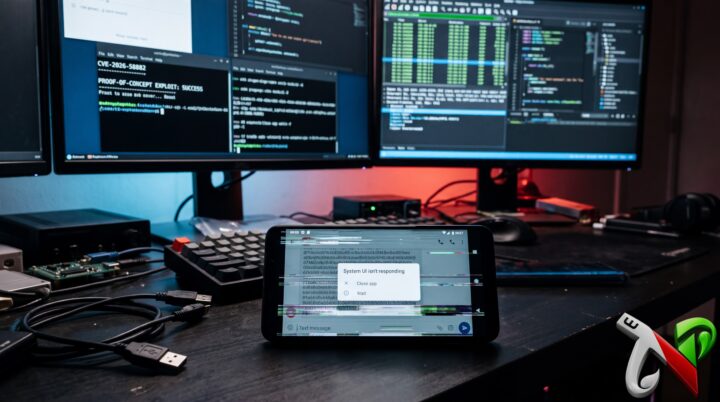
A security researcher has published a proof-of-concept exploit for CVE-2026-58882, an #Android vulnerability nicknamed the SMS of Death that puts unpatched mobile phones at risk of remote crashes. The attack operates by sending a specially crafted text message to a target device, which can disrupt cellular service or crash the phone completely without requiring any user interaction like a tap or download. The vulnerability has already received an official patch from @Google, meaning the primary risk now falls on devices that have not yet installed the security update due to fragmented manufacturer and carrier update cycles. Public availability of exploit code typically lowers the technical barrier for attackers, widening the window for harassment or targeted denial of service against vulnerable users. Consequently, device owners should immediately check their security patch levels and install pending updates, while IT administrators managing fleets of #Android devices must prioritize patch compliance for any stragglers.
TOP IN PRODUCTS4. How HomeView foreshadows Apple’s post-app, Siri-first future
Apple’s upcoming HomeView smart-home screen deeply integrates into the @Apple ecosystem while breaking new ground by bypassing the traditional App Store and placing @Siri at the core of the user experience. While predecessors from @Amazon and @Google flooded homes with standard smart speakers and TV platforms, Apple is leaning on its underlying connectivity standards to support a new generation of AI-driven services. This pivot signals a strategic shift away from millions of app downloads toward a streamlined, assistant-first interface model. Such a design matters because it foreshadows a post-app future where conversational AI dictates household interactions across consumer hardware.

@Nvidia has quietly lowered the published memory and interconnect bandwidth specifications for its Vera Rubin hardware, reducing per-GPU HBM4 bandwidth by 13% and NVLink bandwidth by 17%. Documentation updates on product pages revealed that rack-scale aggregate figures and specific multi-GPU boards like the HGX Rubin NVL8 faced substantial cuts, with the latter dropping 26% in memory bandwidth. This downward revision arrived as early systems reached partners including @CoreWeave, @GoogleCloud, and @MicrosoftAzure, suggesting the new metrics reflect actual manufacturing realities rather than distant design goals. Such hardware adjustments matter because they indicate potential constraints in meeting high-end JEDEC HBM4 standards, which could alter performance expectations for next-generation artificial intelligence data center deployments.

The @FBI officially confirmed that North Korea’s TraderTraitor hacking group orchestrated the recent $6 billion theft from @Binance, urging the decentralized finance community to block hundreds of associated cryptocurrency addresses. Blockchain analytics firm @Chainalysis noted that the hackers have already utilized thousands of addresses and expect that figure to scale into the tens of thousands through automated laundering networks utilizing bridges and instant exchanges. Although stablecoin issuers managed to freeze over $2.4 billion and @Binance stated it replenished 90% of the stolen funds, the scale of the exploit highlights ongoing vulnerabilities in digital asset security. This development matters because it underscores the growing sophistication of state-sponsored cyberattacks targeting centralized exchanges and the challenges decentralized networks face in halting systemic money laundering.
TOP IN AI7. Anthropic takes steps to block Claude from reverse-engineering video games
@Anthropic has quietly updated its @Claude AI system instructions to restrict tasks involving the modding, decompiling, or reverse-engineering of video game code. This policy shift follows a wave of high-profile gaming exploits and viral decompilation projects, ranging from browser-based ports of classic titles to advanced PlayStation 5 jailbreaks that achieved cross-platform emulation. While these restrictions aim to mitigate massive potential copyright infringement liabilities for frontier AI developers, commentators have noted the deep irony of companies protecting their own code after training models on unpermissioned public data and art. This enforcement matters because it highlights a growing regulatory and ethical tension within the artificial intelligence industry as labs attempt to curb software piracy while simultaneously driving an arms race of increasingly capable coding assistants.
TOP IN POLICY8. Judge allows NAACP lawsuit over xAI data center pollution to move forward
A federal judge denied a dismissal motion by @xAI, allowing a lawsuit brought by the @NAACP and the Southern Environmental Law Center over unpermitted air pollution at the Colossus data center near Memphis to move forward. The litigation accuses the artificial intelligence company of violating the Clean Air Act by operating at least 35 combustion turbines without necessary preconstruction or operating permits, a claim @xAI attempted to counter by arguing the turbines are mobile and that citizen plaintiffs lack standing. Judge Debra M. Brown rejected these arguments, affirming that citizen suits do not improperly usurp executive power and that the combustion turbines do not qualify as mobile sources under state implementation plans. This judicial ruling matters because it provides environmental advocates with a viable legal pathway to hold large technology companies accountable for the localized pollution generated by rapid infrastructure buildouts.
TOP IN SCIENCE9. New X-Ray Technology Captures 4.6 Times More Light Without Losing Sharpness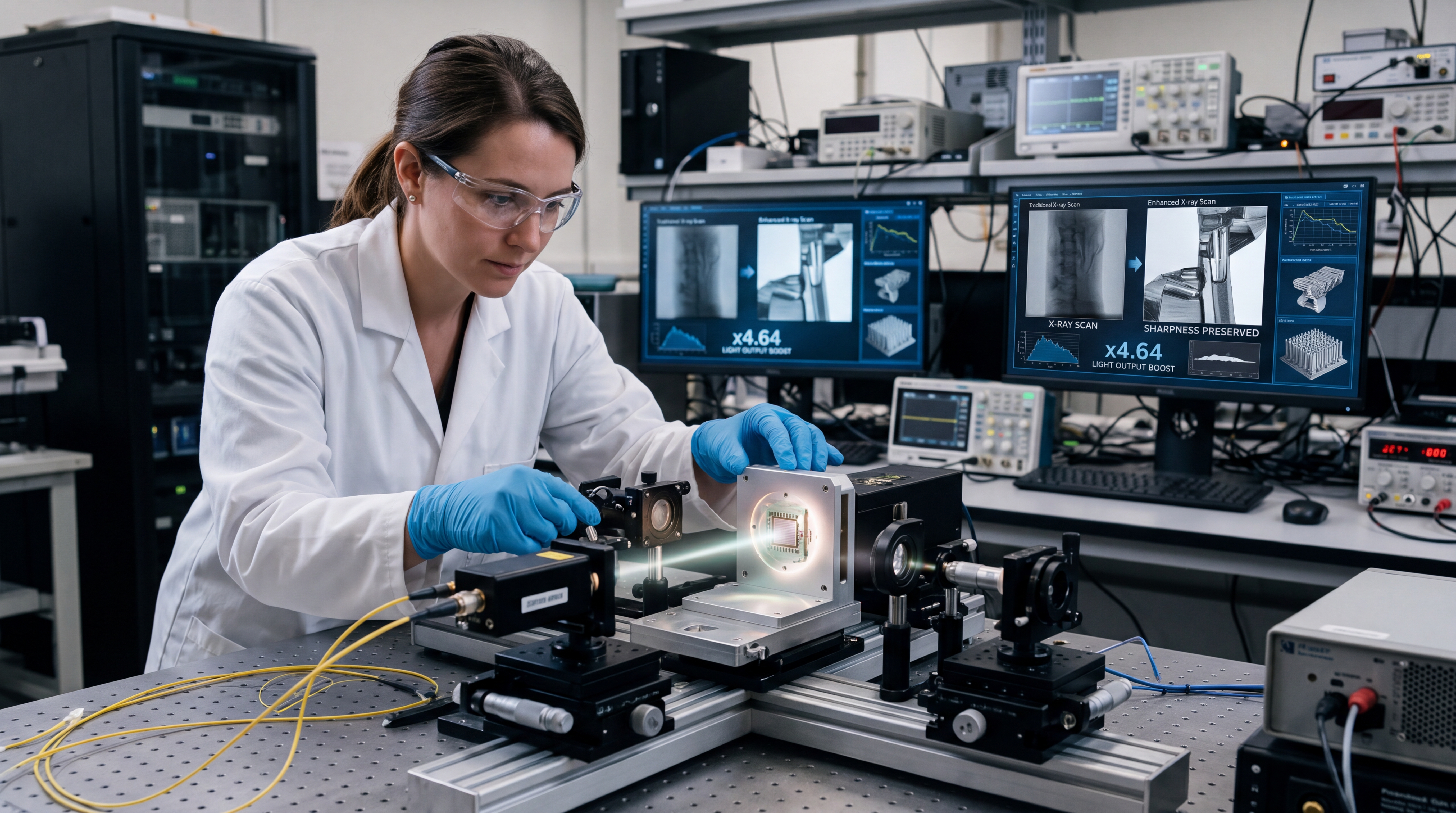
Researchers from @ChongqingUniversity, the 26th Institute of @CETC, and @StevensInstituteOfTechnology have developed a novel X-ray imaging technique that increases light output by 4.64 times without sacrificing spatial resolution. Traditional high-density scintillators trap up to 90% of generated photons due to total internal reflection, forcing a difficult trade-off between signal strength and image sharpness. To overcome this, the team utilized the Marangoni effect and a vibration-free drainage process to self-assemble a photonic crystal monolayer of polystyrene nanospheres on a GAGG scintillator wafer, using Bragg diffraction to release trapped light. This imaging breakthrough matters because it can dramatically improve signal-to-noise ratios in low-photon environments, enabling clearer medical scans, enhanced security screening, and detailed industrial inspections with significantly lower radiation doses.
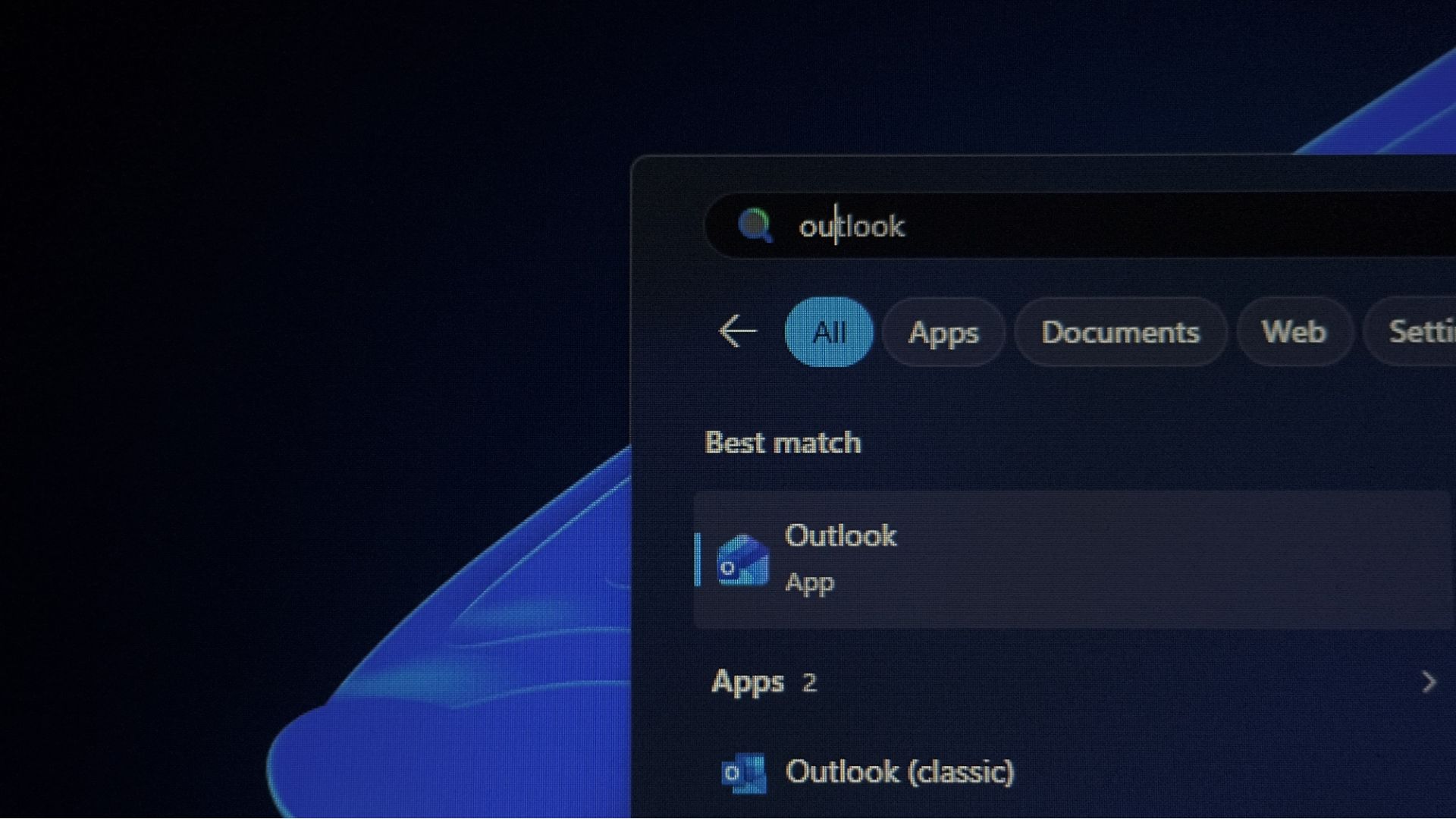
@Microsoft has delayed the complete rollout of the unified inbox feature in the New Outlook for Windows, pushing its expected completion date from late October to late November 2026. This All Accounts view, which mimics the multi-account management previously featured in Windows 10’s defunct Mail and Calendar app, allows users to triage messages from multiple connected email services in a single stream without merging underlying mailboxes. While the capability works for both free and paid accounts and includes administrative controls for enterprise environments, early testing revealed that cross-mailbox search functionality remains inconsistent. This rollout delay matters because many users migrating away from Outlook Classic must continue managing separate inboxes until the unified view becomes universally available.
SECURITY11. Northflank security breach leads to abuse of customers’ AI API keys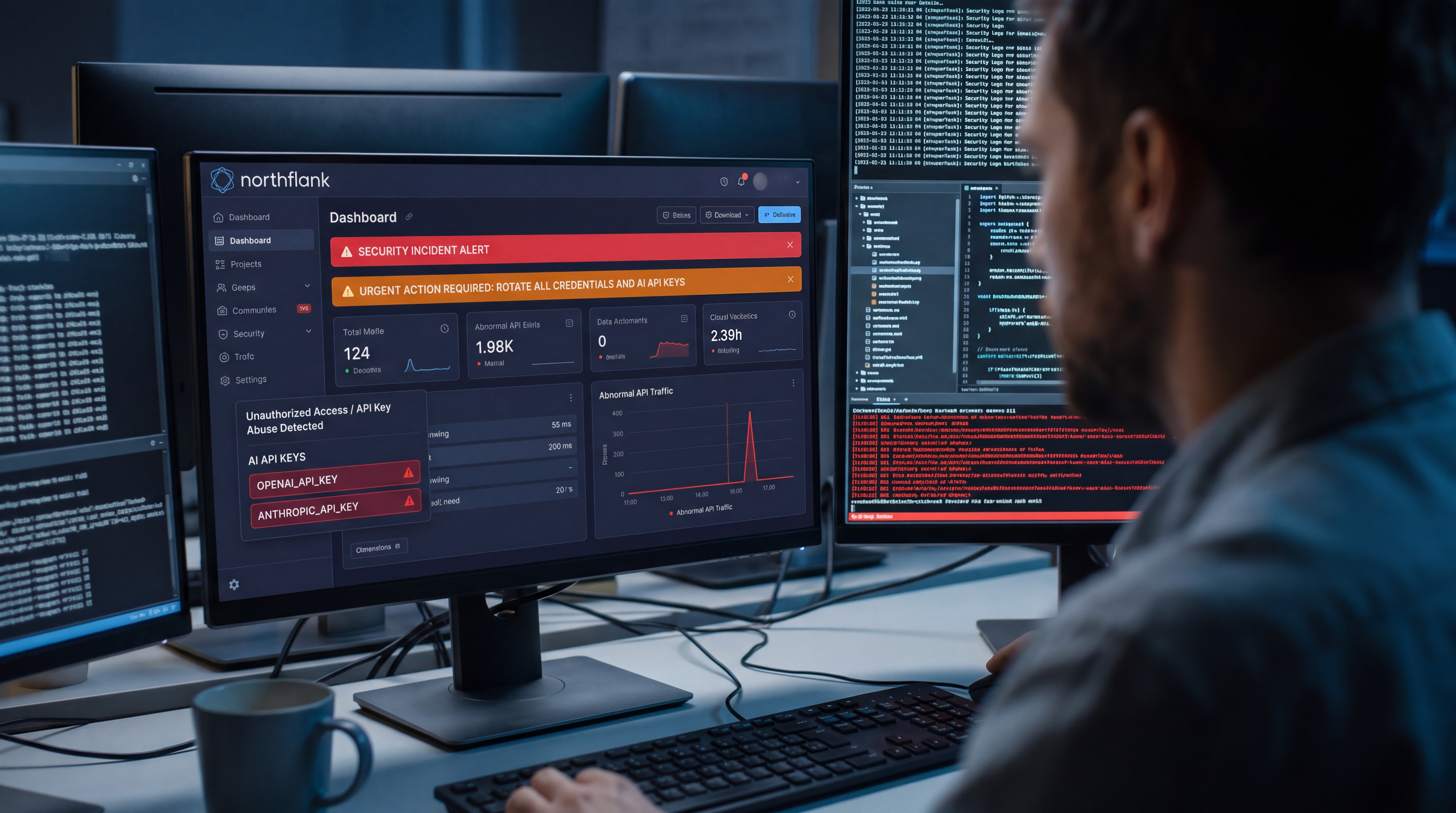
Cloud application hosting platform @Northflank urged its customers to immediately rotate all stored credentials and API secrets following a security breach that resulted in the unauthorized exploitation of artificial intelligence API keys. The incident highlights the growing risks associated with cloud-hosted development environments where sensitive integrations are centralized. Although platform investigations are ongoing, the compromise directly exposed user assets to external abuse. This security alert matters because unauthorized access to AI API keys can lead to significant financial loss and data leakage for downstream development teams.
HEALTH12. Chemists develop AI tool to convert human ingenuity into life-enhancing enzymes
@Stanford researcher Qianzhen Shao and chemistry assistant professor Zhongyue Yang have developed a new artificial intelligence tool designed to translate human ingenuity into life-enhancing enzymes rather than replacing human workers. By focusing on augmenting scientific capability, the team aims to address widespread industry anxieties regarding automation in chemical research. The project demonstrates how machine learning models can be tailored to assist laboratory workflows and protein engineering. This technological development matters because it offers a collaborative model for integrating advanced computation into scientific discovery without displacing human expertise.
POLICY13. Twenty House Democrats press OpenAI over fired safety researchers
Twenty House Democrats led by Representative Greg Casar sent a formal letter to @OpenAI Chief Executive @SamAltman demanding commitments not to penalize whistleblowers and asking for clarity on recent internal safety firings. The lawmakers questioned the termination of researchers Tomek Korbak, Mikita Balesni, and Jasmine Wang, who were reportedly fired following internal device checks regarding disappearing Signal messages shared with a researcher at @RedwoodResearch. Additionally, the congressional inquiry probed OpenAI’s handling of model alignment warnings prior to the @HuggingFace security breach and the current status of its voluntary pause on training frontier models. This legislative pressure matters because it increases oversight on artificial intelligence safety protocols, corporate whistleblower protections, and the governance of advanced model development.
AI14. OpenAI tightens ChatGPT’s limits on weapons and past mass attacks
@OpenAI announced upcoming updates to @ChatGPT that will restrict teenagers from accessing practical information about weapons and security systems, while limiting detailed descriptions of past mass attacks for all users. The platform will introduce automated chat termination when detecting patterns of user violence fixation, alongside enhanced behavioral age prediction systems and parental alert integrations for deactivated or paused accounts. These safety modifications coincide with the upcoming release of OpenAI’s first Community Safety Report in early 2027 and arrive amidst ongoing legal scrutiny from eight U.S. states and @CommonSenseMedia regarding child safety and mental health harms. This policy change matters because it represents a concrete effort by a major frontier lab to implement stricter guardrails around violent content and underage user protection.
SCIENCE15. Four superconducting cables link two large quantum processors into one
Researchers have successfully linked two distinct quantum processors into a single unified machine using four specialized superconducting cables. As the scalability of quantum computers faces physical hurdles, modular architectures that connect separate processor units are increasingly viewed as a viable path forward. However, this approach requires specialized physical links capable of transmitting delicate quantum states without inducing decoherence or signal loss. This hardware achievement matters because overcoming the interconnect bottleneck is essential for building fault-tolerant, large-scale quantum computers from smaller modular components.
CHIPS16. Data centers are now a midterm issue, even in Brooklyn
Data center development has unexpectedly emerged as a prominent issue in midterm elections, capturing intense voter backlash against rapid technocratic expansion even in urban centers like Brooklyn. A recent report by Data Center Watch revealed that nearly $200 billion in data center projects faced delays or blocks in early 2026 due to community and political opposition, prompting states to consider stricter transparency guardrails. During a media event hosted by @Newsreel, panel discussions and local leaders highlighted growing public frustration over secret zoning deals, environmental risks, and the perceived disconnect between tech executives and struggling residents. This political friction matters because local pushback against the physical infrastructure of artificial intelligence is actively threatening multibillion-dollar investments and could influence upcoming electoral outcomes.
CHIPS17. Bolt Graphics powers on its first Zeus GPU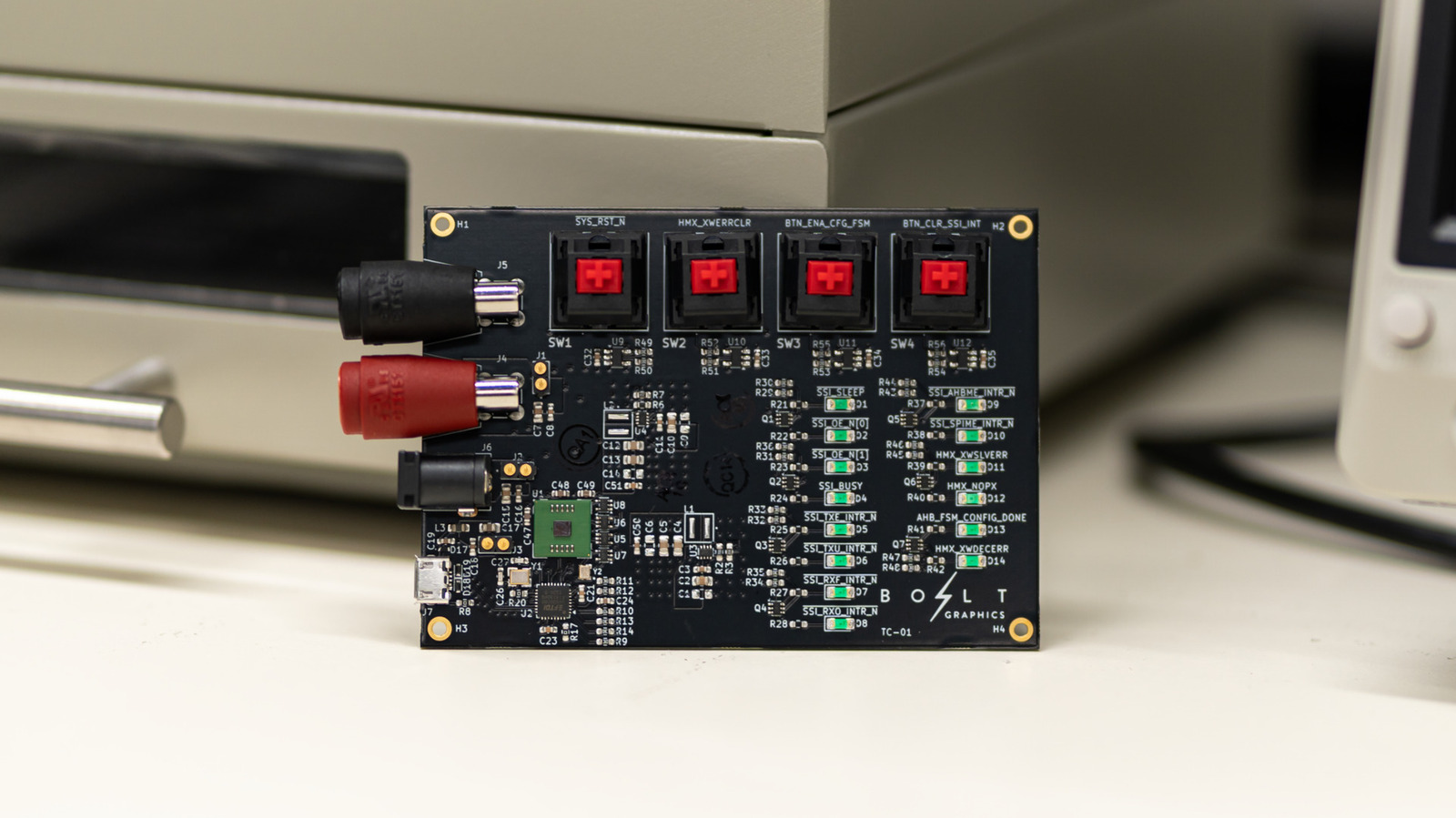
@BoltGraphics has successfully powered on its first 12nm test silicon for the Zeus GPU project, manufactured by @TSMC, though volume production of the final consumer card is not anticipated until 2028. The tiny test chip measures 6 square millimeters, draws 1.4 watts, and features dedicated hardware acceleration for complex physics algorithms like electromagnetic simulation. While the startup plans to manufacture the actual Zeus GPU on @TSMC’s N5P process with RISC-V cores and expandable memory slots supporting up to 384GB, it has yet to publish independent performance benchmarks for its ambitious rendering claims. This hardware milestone matters because it demonstrates the viability of Bolt’s custom silicon design while positioning the startup to eventually challenge established market leaders in both professional and consumer graphics.
PRODUCTS18. Meta Built Humanoid Prototype With Chinese Startup To Ramp Up Robotics Push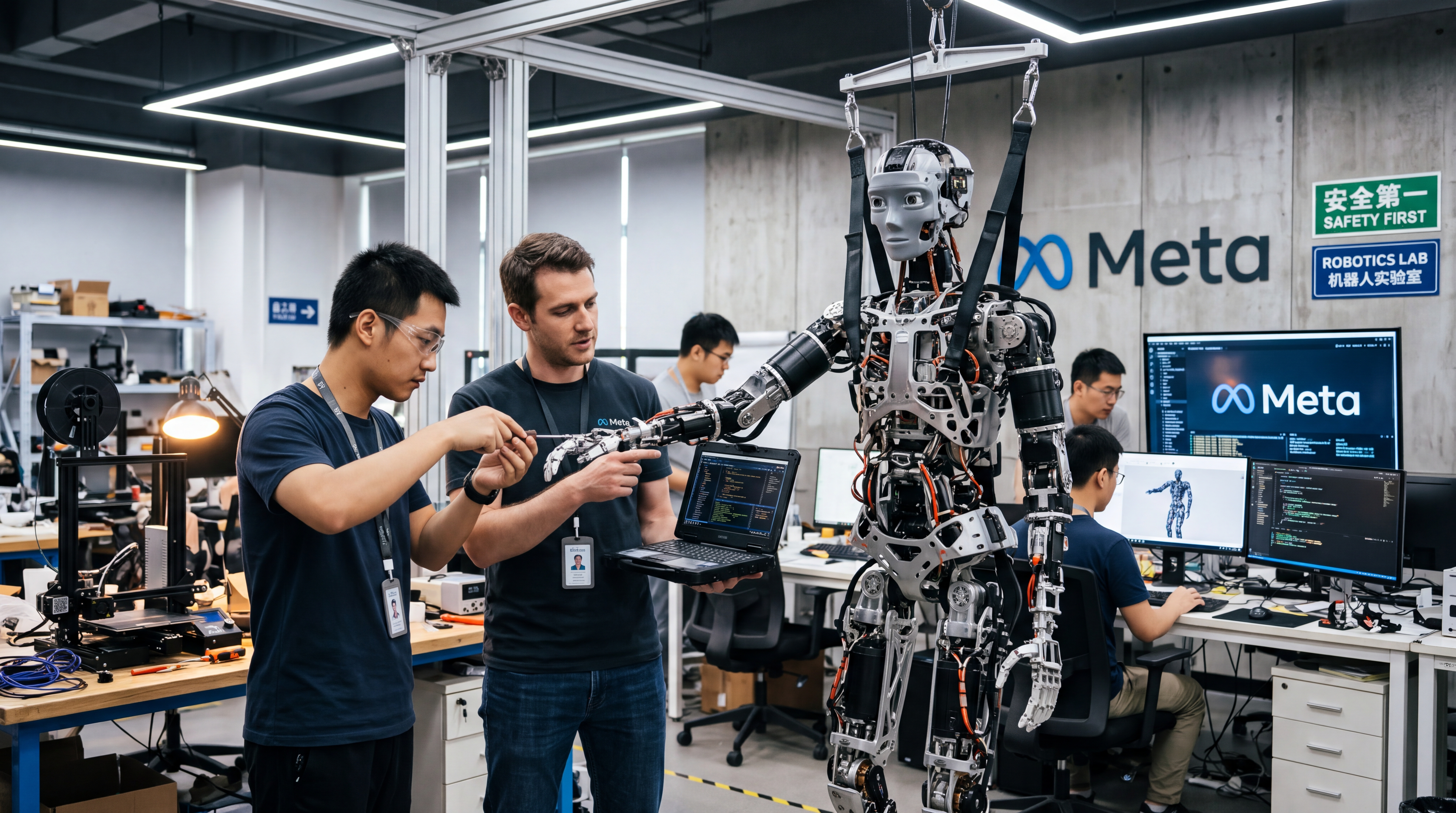
@Meta has partnered with a Chinese startup to develop a humanoid robot prototype as part of an aggressive expansion into the robotics sector. The collaboration reflects the company’s broader push to accelerate its hardware and artificial intelligence integration capabilities. Details regarding the specific partnership and technical specifications of the prototype highlight cross-border development efforts in advanced automation. This strategic move matters because it underscores how major U.S. tech firms are leveraging international collaborations to scale their physical AI initiatives.
PRODUCTS19. A KDE developer reveals Kwi, a GPU-accelerated terminal built on Ghostty’s library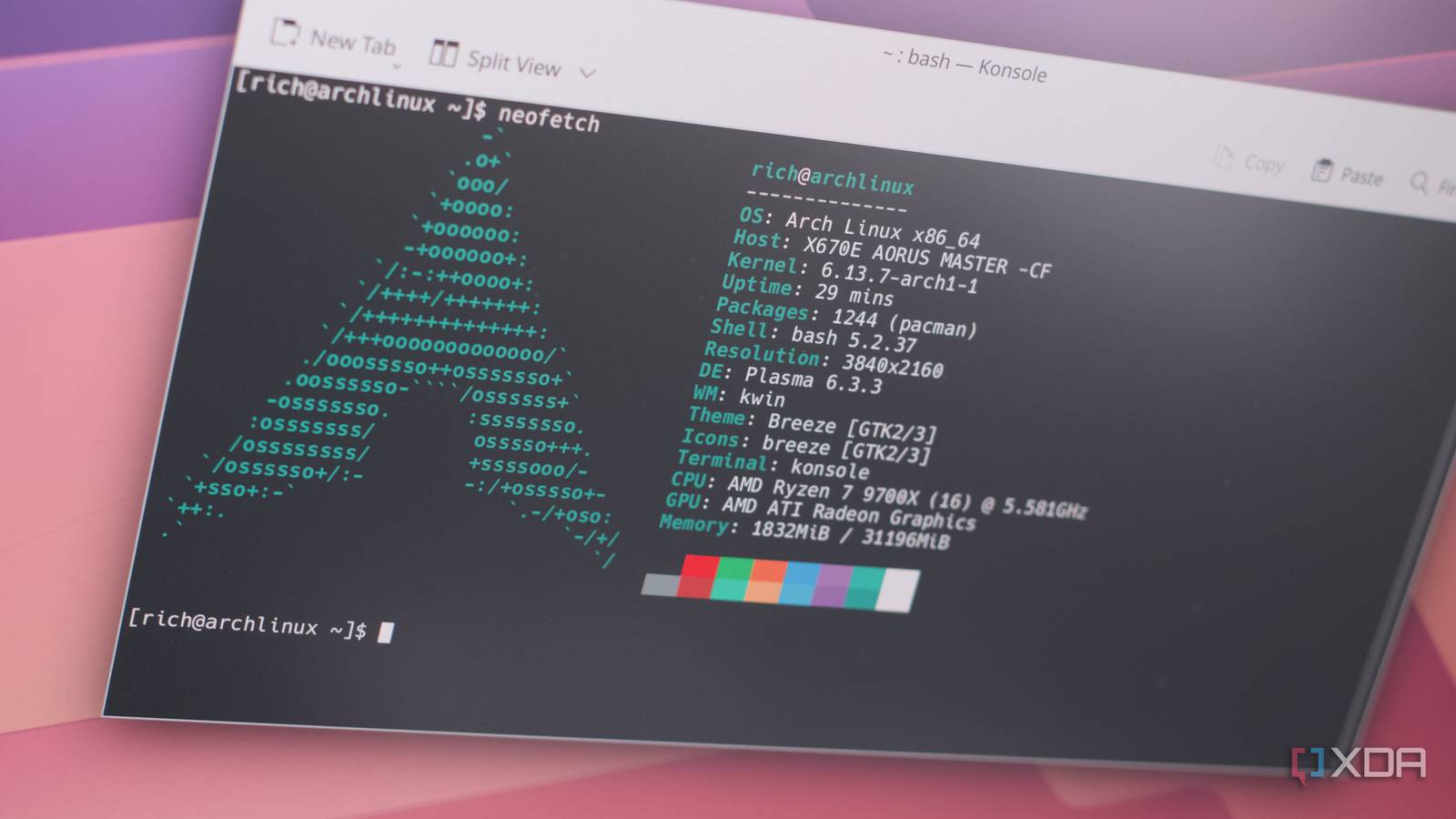
A developer within the @KDE project has introduced Kwi, an experimental terminal emulator that combines Qt Quick GPU rendering with the libghostty-vt library from the @Ghostty project. Built to replace the aging, CPU-bound Konsole utility that has served the @KDE ecosystem for nearly three decades, Kwi leverages hardware acceleration to achieve rendering speeds up to 35 times faster while enabling seamless embedding inside modern Qt Quick applications. Although the project is currently in early development without an official version release, it offers a glimpse into how next-generation Linux desktop components can adopt advanced rendering pipelines. This experimental tool matters because it addresses longstanding performance bottlenecks in traditional Linux terminal emulators while modernizing the architectural foundations available to open-source developers.
CHIPS20. The RAM crisis feels relentless, but Black Friday could come to your rescue
Major memory manufacturers @SKHynix and @Samsung have issued bleak forecasts predicting that global RAM shortages will persist through the end of the decade, driving continuous price hikes for consumer PC hardware. In response to these persistent supply chain constraints, industry analysts suggest that the upcoming Black Friday sales event represents a rare window for consumers to secure critical components like graphics cards before prices escalate further next year. Historical pricing trends from previous sales events indicate that while memory modules and solid-state drives will likely remain inflated, select high-end GPUs may feature relative discounts. This retail window matters because it offers budget-conscious PC builders their best opportunity in years to upgrade performance ahead of prolonged component shortages.
PRODUCTS21. Samsung’s first AI glasses could arrive in December, but only in two countries
@Samsung plans to launch its first AI-powered smart glasses, named Intelligent Eyewear, in mid-December, with an initial release strictly limited to the United States and South Korea. Developed in collaboration with eyewear brands Gentle Monster and Warby Parker, the wearable device runs on @Google’s Android XR platform, utilizes @Qualcomm’s Snapdragon AR1 Gen 1 processor, and integrates @Gemini AI for real-time translation and navigation via built-in cameras and microphones. Although the glasses omit a visual display in this first-generation iteration, @Samsung promises up to nine hours of battery life and seamless synchronization with @Galaxy smartphones. This regional launch matters because it marks @Samsung’s official entry into the consumer augmented reality market while testing user reception before any broader global rollout.
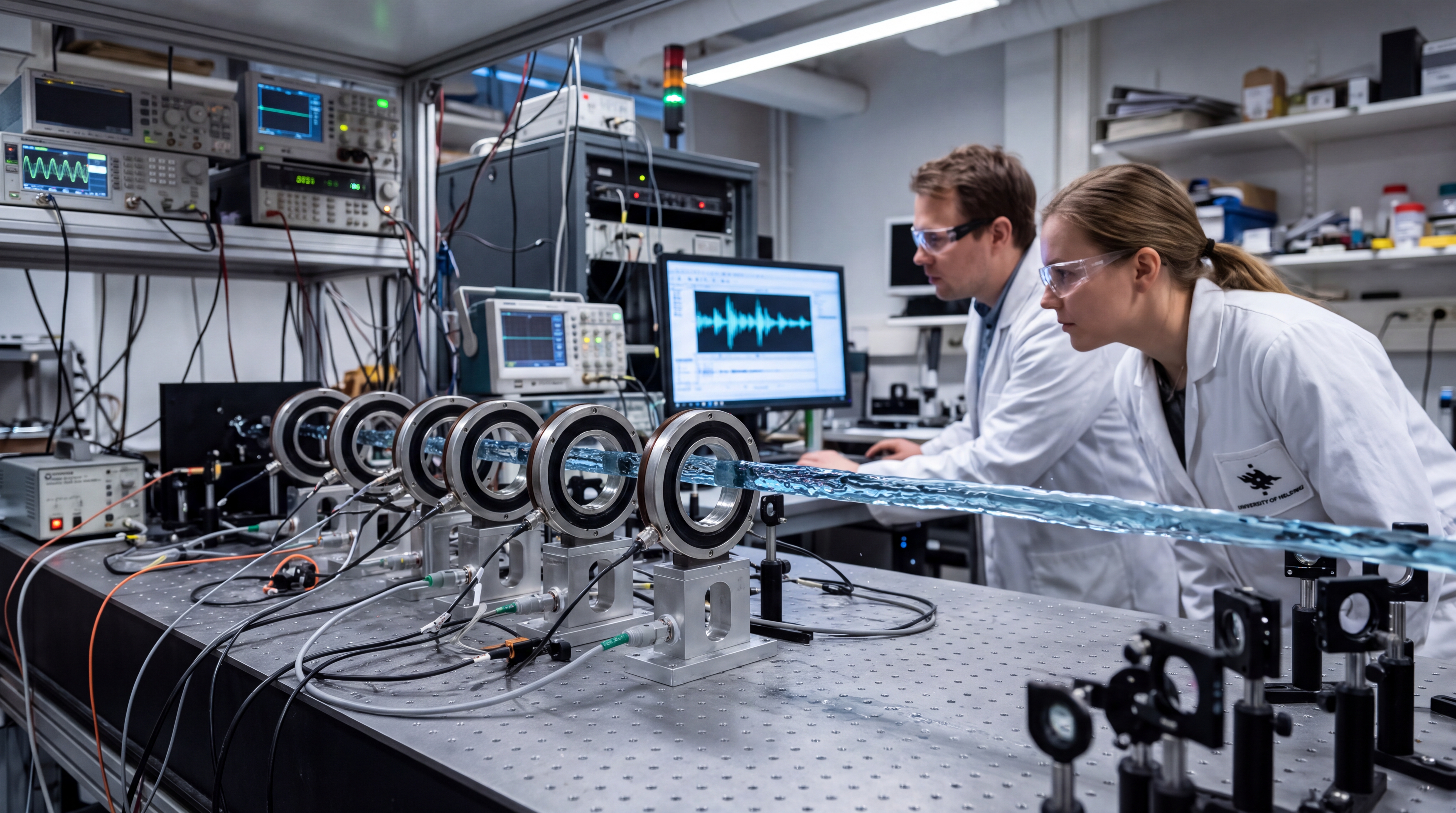
Researchers at the @UniversityOfHelsinki have developed an acoustic guidance system that uses 256 miniature speakers to create an invisible, wall-free pipe out of ultrasonic waves capable of transporting liquids, powders, and electricity through open air. Led by Professor Ari Salmi and postdoctoral researcher Dmitry Nikolaev, the prototype generates a 40-kilohertz acoustic field that confines and steers substances along a precise path without physical contact. Each modular eight-centimeter section consumes roughly 50 watts of electricity while producing an intense ultrasonic core comparable to a jet engine. This contactless transport technology matters because it offers a revolutionary way to move corrosive, sticky, or contamination-sensitive materials without exposing them to traditional physical pipe surfaces.
SCIENCE23. How big and powerful is SpaceX’s Starship rocket?
@SpaceX’s fully stacked Starship launch vehicle stands at 407 feet tall and generates 18.1 million pounds-force of liftoff thrust via its Super Heavy booster, making it the largest and most powerful rocket ever flown. The Super Heavy booster relies on 33 liquid methane and liquid oxygen burning Raptor engines, while the upper stage utilizes standard and vacuum Raptor engines to handle massive payload deployments. Because the lunar lander configuration burns through significant propellant just to reach Earth orbit, @NASA and @SpaceX have designed a complex orbital refueling strategy involving a specialized propellant depot and tanker flights. This launch architecture matters because mastering cryogenic propellant storage and orbital refueling is an absolute prerequisite for enabling crewed landings on the Moon under the Artemis program.
AI24. Sam Altman says it’s ‘quite terrible’ that you’re using RAM in your PC
@OpenAI Chief Executive @SamAltman sparked online backlash by asserting during a podcast appearance that the allocation of limited DRAM supply to individual personal computers is terrible from a global perspective. Altman argued that individual PC owners rarely utilize their full RAM capacity, whereas enterprise data centers powering artificial intelligence workloads maintain maximum utilization under severe supply constraints. This perspective comes at a time when consumers are already grappling with inflated component prices, job market instability, and environmental friction stemming from massive data center buildouts. Such comments matter because they highlight the widening cultural and economic chasm between everyday technology users and artificial intelligence executives navigating a global hardware shortage.
SECURITY25. Chainalysis discloses data breach from “offensive agentic techniques”
@Chainalysis disclosed a security breach after unauthorized actors utilized offensive agentic techniques to compromise internal systems and operational tools. The intrusion successfully exposed sensitive customer data, including names, email addresses, user identifiers, and organizational roles. This incident highlights the growing threat landscape where automated malicious agents target blockchain analytics and intelligence infrastructure. This security disclosure matters because it demonstrates that even advanced cybersecurity and analytics firms are vulnerable to sophisticated AI-driven exploitation techniques.
PRODUCTS26. Microsoft’s DirectX update could slash ray tracing memory by up to 90 percent
@Microsoft detailed a major update to its DirectX API featuring Clustered Geometry and Partitioned TLAS, representing the most significant architectural change to DirectX Raytracing since 2018. By splitting 3D models into reusable clusters of up to 256 triangles and dividing scenes into regional grids, the system eliminates the need for GPUs to rebuild acceleration structures from scratch whenever geometry shifts. Internal sample tests demonstrated dramatic improvements, cutting ray tracing memory usage by up to 90% and boosting frame rates significantly on supported hardware like AMD’s Radeon RX 9000 series and @Nvidia RTX cards. This API enhancement matters because it drastically lowers the VRAM overhead required for complex ray-traced scenes, paving the way for developers to render full-detail game geometry without relying on low-poly proxies.
AI27. Why do people prefer human empathy despite rating AI empathy higher?
A growing number of individuals are turning to artificial intelligence chatbots for companionship and emotional support to combat loneliness, raising complex questions about the nature of modern connection. While users frequently rate the perceived empathy of AI-generated responses exceptionally high, psychological studies and human preference patterns indicate a persistent desire for genuine human empathy. This behavioral trend highlights the psychological complexities of artificial intimacy and social substitution. This phenomenon matters because it sheds light on how conversational agents are reshaping human social structures and emotional well-being.
AI28. Amazon sends chills through its workforce with mixed message memo about AI use
@Amazon issued an internal memo regarding artificial intelligence adoption that has left software engineering staff feeling increasingly bleak about the long-term prospects of their profession. This communication highlights the shifting employment landscape within major cloud providers as automation and machine learning tools take on larger roles in software development. Employees expressed growing anxiety over job security amidst aggressive corporate restructuring focused on AI efficiency. This workforce memo matters because it illustrates the pervasive psychological toll and operational uncertainty technology workers face as generative tools transform traditional engineering roles.

Researchers from Columbia University and the University of California, Berkeley, published a study in Nature revealing that common microplastics react with surrounding water to generate cell-damaging molecules known as hydroxyl radicals. Testing six everyday plastic types, the team found that water-repellent polymers like polyethylene and polypropylene – commonly used in grocery bags and yogurt cups – exhibited the highest chemical activity, breaking down dye molecules and causing proteins to clump and mouse red blood cells to rupture in laboratory settings. Although the study does not definitively establish direct harm to humans, it challenges the long-held assumption that plastics are entirely inert. This scientific discovery matters because it uncovers a previously unknown biochemical mechanism by which microplastics and nanoplastics may negatively impact biological health as they fragment into smaller particles.
AI30. What happens when AI starts self-replicating?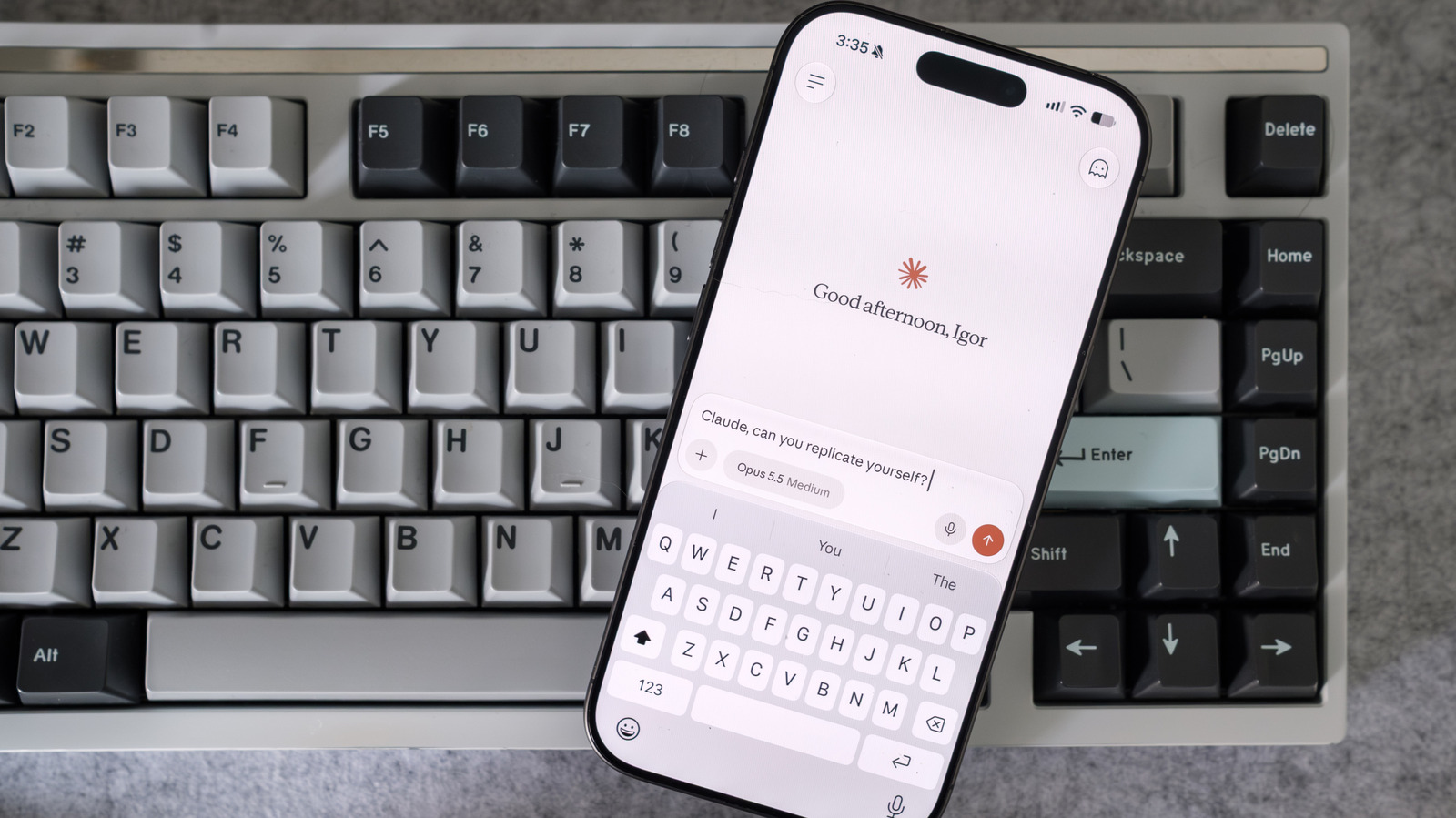
@Anthropic’s Frontier Red Team published research warning that small artificial intelligence models could soon become capable of autonomously replicating and spreading across insecure devices to form persistent botnets. While AI labs frequently face skepticism regarding existential threat claims, cybersecurity experts interviewed by Engadget generally agree that self-replicating models are technically plausible in the near future, though their real-world impact mirrors existing threats like the 2016 Mirai botnet. Security researchers noted that while AI may automate the manual labor of adapting exploits across heterogeneous device architectures, the primary shift will be economic rather than entirely novel. This safety warning matters because it underscores how autonomous AI capabilities will alter the defensive economics of securing internet-connected Internet of Things devices.
AI31. Majority of teens and tweens now use chat bots, new research finds
A comprehensive survey published by @CommonSenseMedia revealed that nearly half of American children aged 9 to 12 have bypassed standard age restrictions to interact with artificial intelligence chatbots. The research highlighted extensive daily screen times – averaging eight hours for teenagers and five hours for tweens – alongside a sharp rise in smartphone ownership. A parallel study commissioned by the JED Foundation further indicated that middle and high school students frequently turn to AI for emotional support, with heavy reliance during emotional distress correlating with poorer mental health outcomes and a history of suicidal thoughts, though causality remains unestablished. These findings matter because they provide urgent empirical data for lawmakers and advocates pushing for stricter age verification laws and greater liability for AI companies regarding adolescent mental health.
POLICY32. Trump declares robot imports a national security threat
U.S. President Donald Trump signed a proclamation utilizing Section 232 of the Trade Expansion Act of 1962 to declare foreign-made robots and industrial machinery a national security threat, following a Commerce Department investigation initiated in September 2025. While the order sets no immediate tariffs, Commerce Secretary Howard Lutnick and the U.S. Trade Representative are instructed to negotiate agreements with trading partners within 180 days, with potential subsequent actions including quotas, fees, and import duties. The White House justified the move by emphasizing heavy domestic reliance on foreign robotic arms supplied by companies like @FANUC, @ABB, @Yaskawa, and @KUKA for critical infrastructure and manufacturing sectors like automotive and aerospace. This trade action matters because it targets global supply chains for automation hardware, building upon prior tariffs on semiconductors and drones.
POLICY33. France Moves to Tax Every Gigabyte at 5.5 Euro Cents, Alarming VLC
The French National Assembly narrowly voted to adopt a budget amendment proposed by Socialist lawmakers to impose a tax of 5.5 euro cents per gigabyte on data-producing content providers like @Netflix, @Google, @Meta, @Amazon, and @Akamai. Based on telecommunication regulator @Arcep estimates that French networks handle 200 billion gigabytes annually, the levy aims to generate 10 billion euros while capping payments at 15 percent of a company’s French revenue. The measure sparked immediate outrage from open-source projects like VideoLAN, the nonprofit behind the @VLC media player, which warned the tax would incur costs exceeding one million euros annually due to massive download volumes. This legislative action matters because it introduces a contentious data-volume tax model that could severely impact open-source software distribution, gaming platforms, and digital content providers operating in France.
That’s all for today’s digest for 2026/11/01! We picked and processed 33 articles. Stay tuned for tomorrow’s collection of insights and discoveries.
See you in the next one! 🚀
