
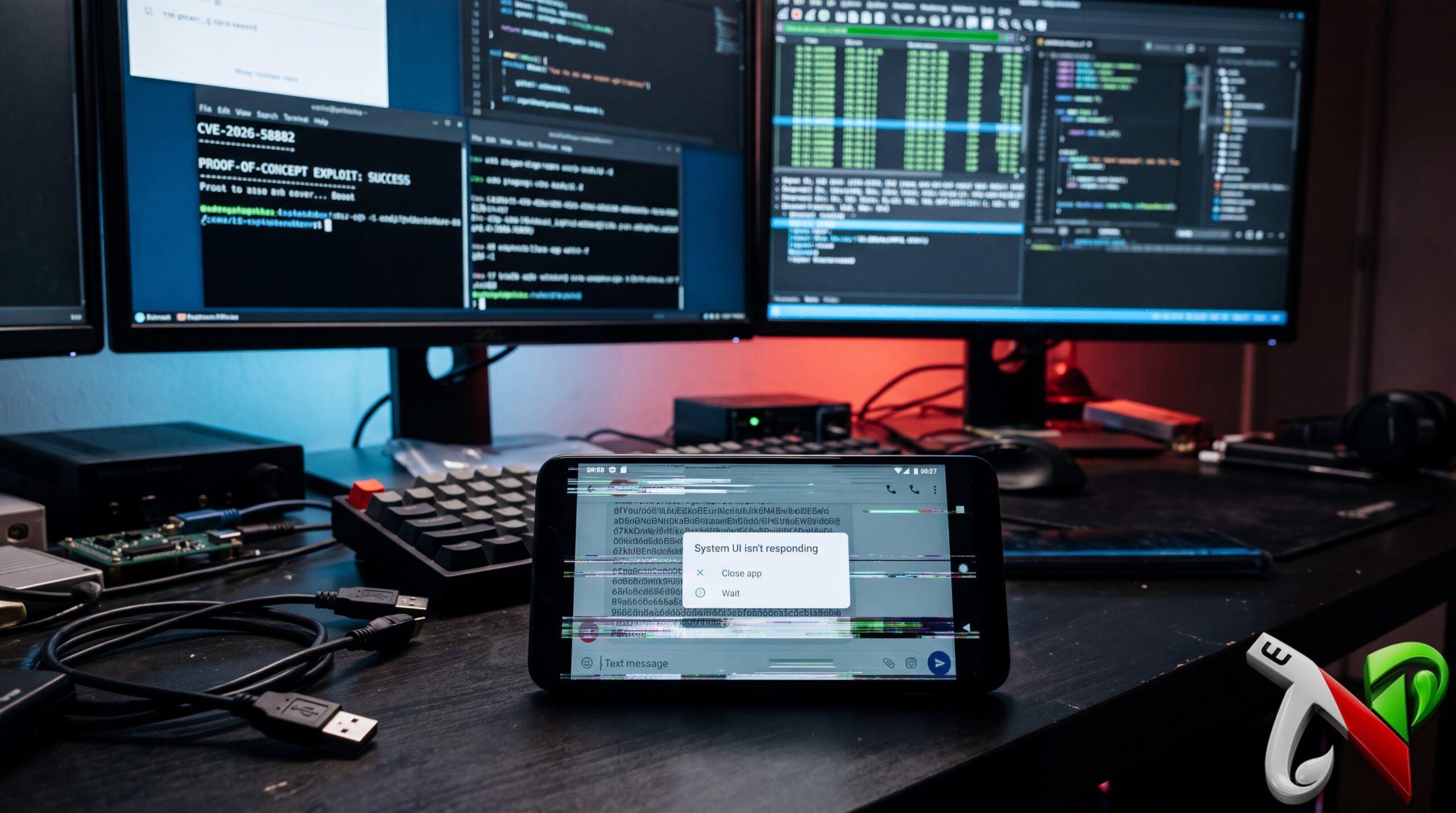
“SMS of Death” Exploit Puts Unpatched Android Phones at Risk of Remote Crashes
Key points
- A security researcher has published a proof-of-concept exploit for CVE-2026-58882, an Android vulnerability nicknamed "SMS of Death" 1.
- The attack works by sending a specially crafted text message to a target phone, which can disrupt cellular service or crash the device.
- The vulnerability has already been patched, so the risk falls mainly on phones that have not received the fix.
- Public exploit code typically lowers the barrier for attackers, which raises the urgency of installing security updates.
A Text That Breaks Phones
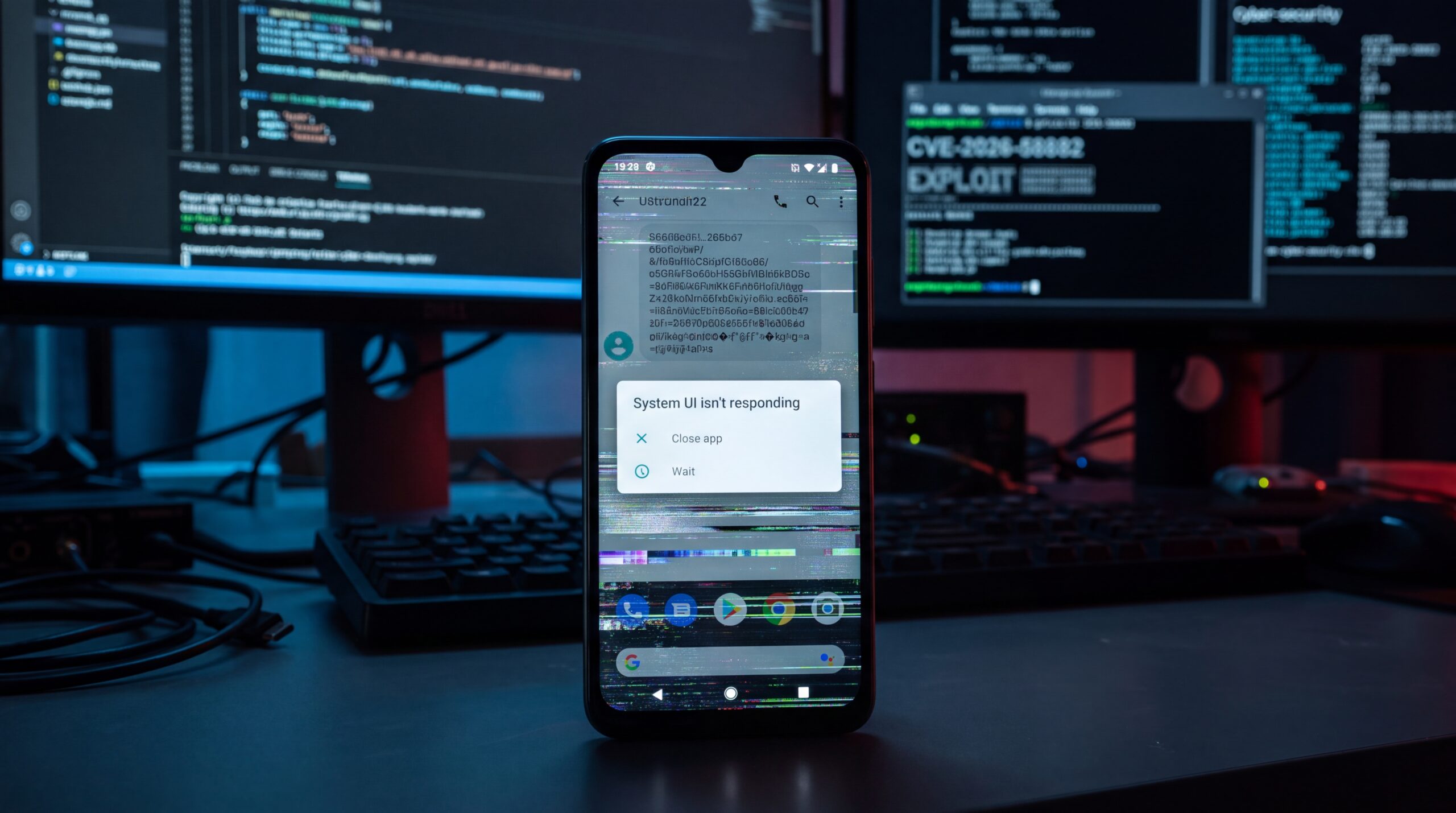
A security researcher has released a proof-of-concept exploit for an Android flaw that has been dubbed “SMS of Death” and is tracked as CVE-2026-58882. According to BleepingComputer’s report, the attack requires nothing more than a specially crafted text message sent to the victim 1.
Depending on the outcome, the message can disrupt cellular service on the device or crash the phone outright. The attacker needs no tap, download, or other action from the person receiving the message, which is what makes this class of bug so unsettling for ordinary users.
Patched, But Not Everywhere
The vulnerability was recently patched, which is the reassuring part of the story. The concern is the gap between a fix being released and that fix reaching real devices. Android’s update path varies widely by manufacturer, carrier, and model, and many phones receive security patches late or never.
Those unpatched phones are the ones the new exploit threatens. Anyone running an older security patch level should treat the issue as live rather than theoretical.
Why Public Exploit Code Matters
Publishing a working proof-of-concept changes the risk calculation. Before such code appears, exploiting a bug demands real technical effort. Afterward, less skilled attackers can adapt the researcher’s work, and the window for pranks, harassment, or targeted disruption widens.
The effect here is denial of service rather than data theft, based on the available description. Even so, a phone that can be knocked offline remotely is a real nuisance for individuals and a potential headache for organizations that depend on mobile connectivity.
What Users Should Do
The practical advice is straightforward. Check the device’s security patch level in settings, install any pending Android updates, and consider whether an older phone still receives security support at all. IT teams managing fleets of Android devices should verify patch compliance and prioritize stragglers.
Details beyond the report’s summary, such as exactly which Android versions are affected, should be confirmed against the official Android security bulletin and the device maker’s own notices.
Primary sources
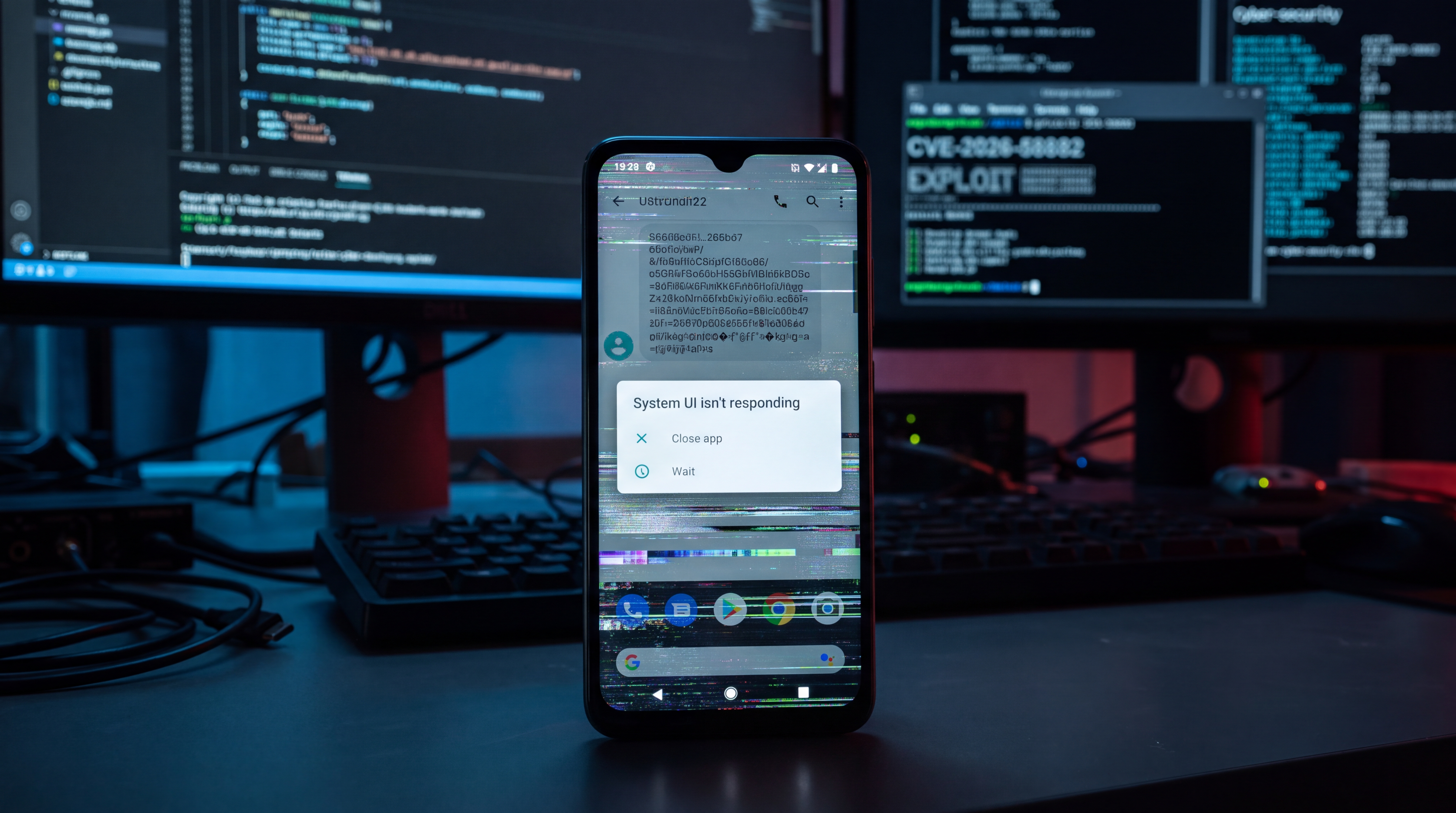 New Android SMS of Death exploit can remotely crash unpatched phones (bleepingcomputer.com) – BleepingComputer reports that a security researcher has released a proof-of-concept exploit for a recently patched Android vulnerability nicknamed "SMS of Death" and tracked as CVE-2026-58882. The flaw allows an attacker to remotely disrupt cellular service or crash a phone by sending a specially crafted text message. Only the opening summary was available for this note, so further technical detail is not covered. Published by bleepingcomputer.com.
 Powered by News Ranker

1 comment so far