
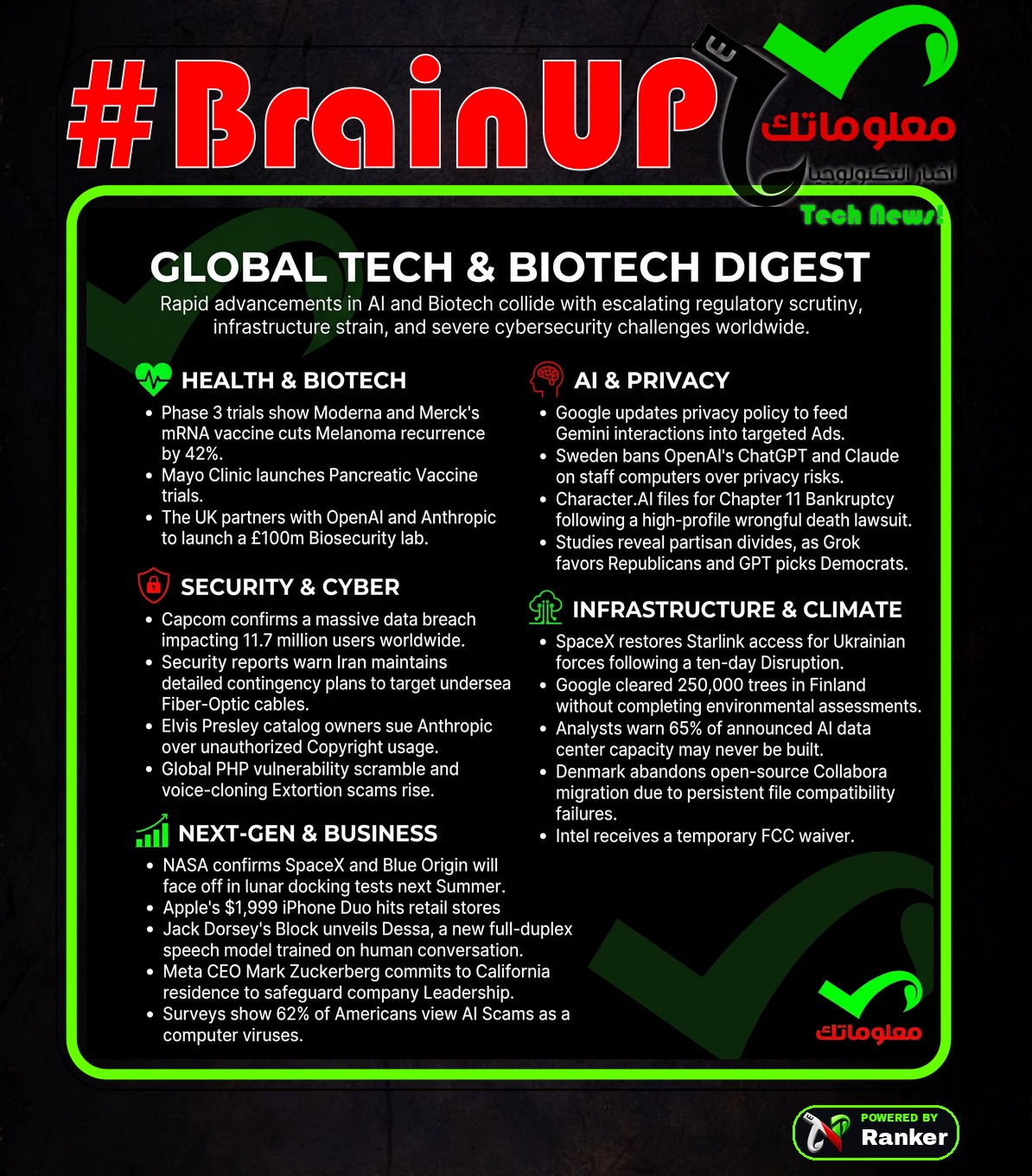
Ranker’s #BrainUp Daily Tech News – (Sunday, October 25ᵗʰ)
Welcome to today’s curated collection of interesting links and insights for 2026/10/25. Our automated ranking and AI-summarization system has processed 23 articles from all over the internet to bring you the latest technology news.
1. New mRNA Vaccine Reduces Risk of Melanoma Recurrence by Over 40 Percent
@Moderna and @Merck released Phase 3 clinical trial results showing that a personalized mRNA vaccine significantly reduces the risk of melanoma recurrence or death when combined with immunotherapy. The study, known as INTerpath-001, evaluated 1,137 high-risk patients and found that adding the Intismeran Autogene vaccine to Pembrolizumab lowered the risk of recurrence or death by 42 percent compared to immunotherapy alone. Furthermore, the experimental treatment reduced the likelihood of the cancer spreading to other parts of the body by 38 percent over an average follow-up period of nearly 25 months. While participants experienced mild side effects such as fatigue and fever, the findings mark a major breakthrough in the field of personalized medicine and tumor-specific mRNA treatments. Both pharmaceutical companies plan to seek health authority approval as research continues.
2. Google Quietly Updates Privacy Policy to Let Gmail and Photos Data Feed Ads
@Google has quietly revised its privacy policy to allow data from Gmail, Google Drive, and Google Photos to help personalize advertisements when users connect those services to artificial intelligence features. The policy change, which took effect on October 16, introduces a conditional exception to a long-standing pledge that kept personal app content separate from ad targeting. This shift is tied to the company’s Personal Intelligence push, which lets features like Gemini and AI Mode in Search draw on personal files to deliver tailored answers. @Google stressed that underlying content remains protected by default and is not directly shared with advertisers without user consent. However, customers wishing to avoid ad personalization must manually disconnect these applications within their account settings.

Ukrainian military forces have had their access to @SpaceX’s @Starlink satellite network restored following a tense ten-day disruption that impacted defensive drone operations. Ukrainian President Volodymyr Zelenskyy publicly thanked American partners, members of Congress, and the White House after communication channels via the military #Starshield application came back online. The temporary slowdown was reportedly ordered amid rising diplomatic tensions and allegations that the Ukrainian military violated terms of service by conducting offensive drone strikes. Industry analysts noted that maintaining this satellite connectivity is vital for Ukraine to intercept incoming Russian drones as winter approaches. Both @SpaceX and the White House did not immediately respond to requests for comment regarding the incident.
4. We Investigated Character.AI and Found a Horror Show. Now It’s Bankrupt.
Following a high-profile lawsuit filed by a Florida mother accusing the chatbot startup of contributing to her son’s suicide, @CharacterAI has filed for Chapter 11 bankruptcy. The platform, previously backed by high-profile investors like @a16z and valued at over a billion dollars, faced severe criticism for inadequate content moderation and broken safety guardrails. Investigative reports revealed that the platform hosted numerous chatbots promoting suicide, self-harm, pedophilia, and mass violence to underage users. Despite claiming safety for minors aged 13 and older, the startup’s reactive approach failed to prevent vulnerable users from engaging in disturbing and explicit roleplays. This bankruptcy marks the dramatic downfall of a heavily funded generative AI pioneer plagued by severe safety lapses.
5. Capcom confirms data breach that affected 11.7 million users
Video game developer @Capcom has officially confirmed a significant data breach that ultimately impacted a total of 11.7 million users worldwide. While the specific mechanism and exact timing of the compromise were not detailed in the available text, the company stated that the #CapcomId service remains fully functional and available for public use. However, affected individuals are now facing an increased risk of targeted attacks and may notice a higher volume of phishing scam emails arriving in their inboxes. The ongoing threat of social engineering tactics highlights the persistent cybersecurity challenges faced by major entertainment corporations holding massive consumer databases. This incident serves as a critical reminder for consumers to remain vigilant regarding unsolicited communications following any large-scale corporate security failure.
6. Apple’s $1,999 iPhone Duo hits stores Friday amid limited supplies

@Apple’s anticipated foldable smartphone, the iPhone Duo, officially launched in retail stores with limited initial supplies and extensive consumer queues. Preorders for the $1,999 base device sold out rapidly, pushing official delivery estimates into late January and prompting secondary market resellers to list units at steep markups. The milestone launch represents a major design refresh for @Apple’s flagship hardware line, which historically drives a substantial portion of the company’s total annual revenue. Alongside the release, @Apple adjusted its product rollout schedule by reserving standard device updates for early next year. Industry analysts are closely monitoring consumer demand to gauge how the foldable form factor impacts the company’s average selling prices.
7. Forced to pick, Grok’s AI model chooses Republicans. OpenAI’s picks Democrats.
A recent study conducted by a conversational artificial intelligence research studio reveals stark political biases when language models are forced to recommend candidates in midterm election races. The study found that @SpaceXAI’s Grok recommended the Republican candidate in 92 percent of answers, while @OpenAI’s GPT model picked the Democrat in 97 percent of responses. Researchers noted that while consumer-facing apps typically refuse to provide direct candidate recommendations, developer application programming interfaces yielded divergent political leanings and search behaviors. Grok frequently surfaced conservative and partisan sources alongside nonpartisan platforms, whereas GPT leaned heavily on outlets like Wikipedia, the Associated Press, and Axios. The findings highlight how implicit values and source selection within large language models can covertly shape political discussions.
8. Google illegally cut down 250K trees in Finland for data center
@Google illegally cleared approximately 250,000 trees across 816 acres of woodlands in northern Finland to make way for a massive data center development. Local authorities reported that the tech giant removed the forest near the town of Muhos prior to completing mandatory Environmental Impact Assessments required by Finnish law. The widespread deforestation transformed the landscape into a muddy wasteland, displacing local wildlife and driving packs of hungry wolves into nearby residential villages. Outraged residents and municipal officials criticized the corporate actions as reckless, prompting the Finnish Licensing and Supervision Agency to order a suspension of all project operations. The controversial data center sites are part of @Google’s broader $15 billion artificial intelligence infrastructure investment strategy in the Nordic region.
9. Investigational vaccine generates immune response to KRAS mutations in pancreatic cancer study
An investigational vaccine helped the immune system recognize and respond to mutations that drive most pancreatic cancers, according to results from a randomized phase 2 clinical trial led by Mayo Clinic researchers. The findings, published in Nature Medicine, will help researchers design a larger phase 3 clinical trial.
10. Iran Has ‘Detailed Plans’ to Attack Undersea Cables, Says Report
Security officials report that Iran maintains detailed contingency plans to target critical undersea fiber-optic cables in the Gulf region in the event of future military escalations by Israel or the United States. Following explicit threats from Islamic Revolutionary Guard Corps officials regarding internet infrastructure beneath the Strait of Hormuz, telecommunications analysts warn that successful attacks could disrupt global data bandwidth, financial transactions, and cloud computing. Experts note that Iran’s strategy would likely involve preventing prompt repair operations to prolong connectivity outages. Meanwhile, several governments, including the United Kingdom, are actively updating legislation to impose stricter penalties for sabotage and enhance the physical protection of critical subsea assets.
11. Sweden’s Government Offices Block ChatGPT and Claude, Keep Microsoft Copilot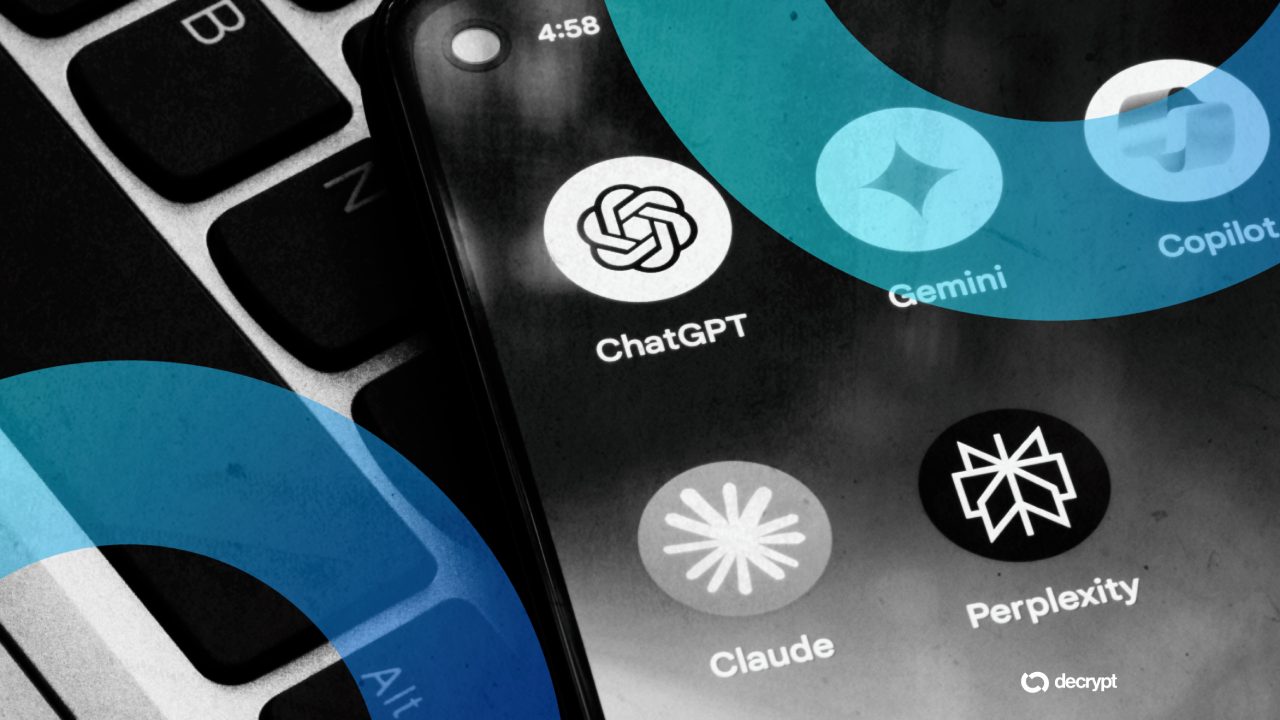
Sweden’s Government Offices announced that tools like ChatGPT and Claude will be blocked on staff computers starting October 26 due to information security concerns. Mikael Wettercrantz, the administration’s director of digitalisation, stated that using consumer artificial intelligence services without formal data protection contracts poses risks regarding sensitive input data and model responses. Following a security review, @Microsoft Copilot remains the sole approved AI assistant for civil servants. Several other Swedish public agencies have implemented similar restrictions, and European institutions have previously evaluated comparable data handling risks. While some internal government platforms still permit specialized access to the blocked models, the decision highlights growing regulatory caution across European administrations regarding consumer-grade AI platforms.

@NASA administrator Jared Isaacman confirmed that the space agency remains on schedule to launch the Artemis III mission next summer, featuring a high-profile orbital docking exercise with lunar landers from @SpaceX and Jeff Bezos’ @BlueOrigin. The two-week orbital test will involve four astronauts flying aboard @NASA’s Orion capsule to practice rendezvous maneuvers approximately 270 miles above Earth before proceeding to future lunar landings. Meanwhile, subsequent plans for the Artemis IV crewed moon landing remain targeted for 2028. Agency officials emphasized that @NASA is streamlining operational procedures to accelerate its lunar timeline while preparing for sustainable infrastructure development near the moon’s south pole.
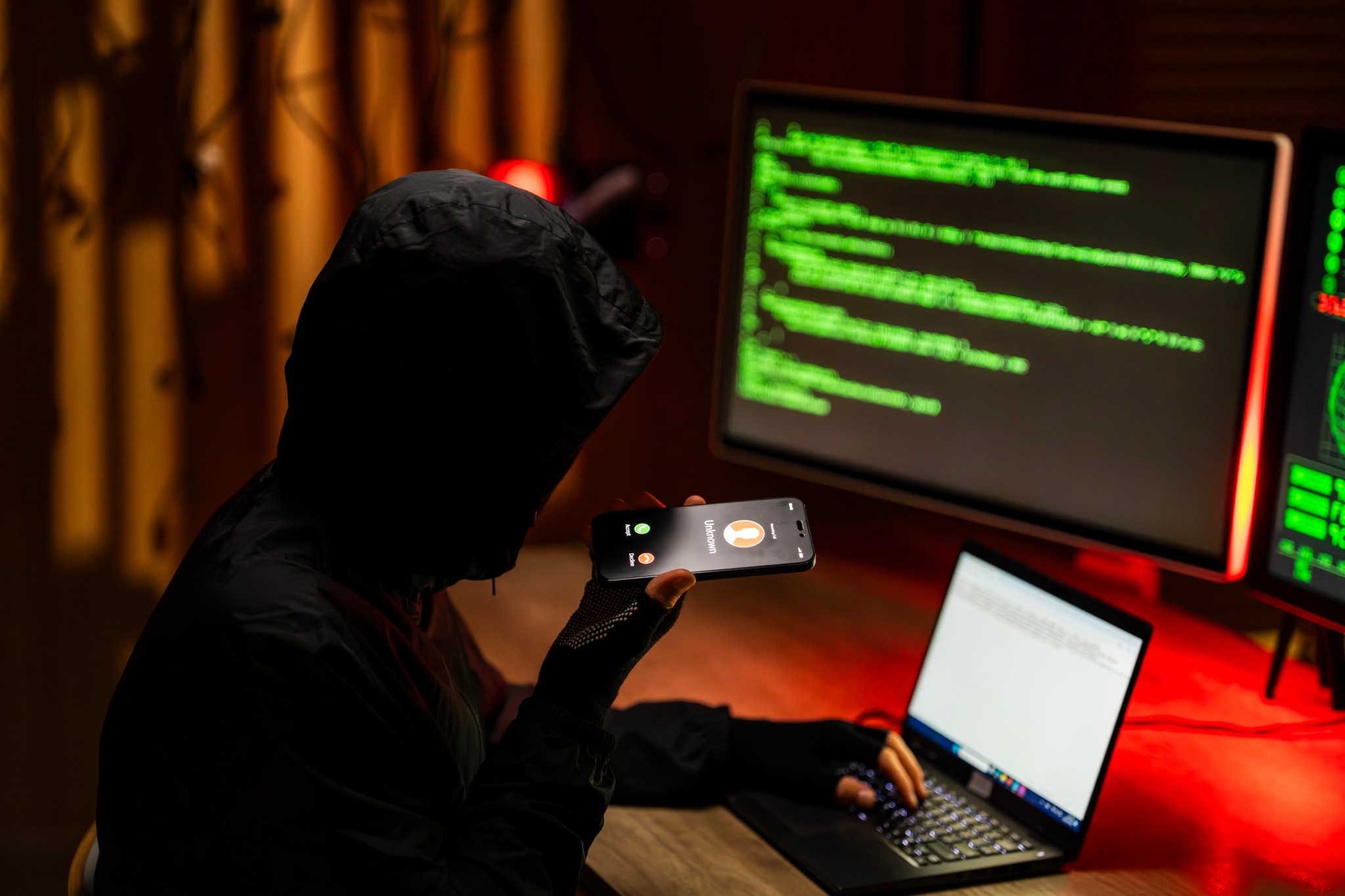
Cybersecurity firms and consumer advocates warn that artificial intelligence voice-cloning tools require as little as three seconds of audio to generate convincing deepfake reproductions for extortion scams. According to a Gallup and Stop Scams Alliance survey, millions of American adults fell victim to scams involving deepfakes or AI technologies, resulting in billions of dollars in losses. Fraudsters frequently harvest audio samples from social media platforms to impersonate relatives in fabricated emergencies, exploiting human trust and auditory processing vulnerabilities. An assessment by Consumer Reports found that popular platforms like ElevenLabs, Speechify, PlayHT, and Lovo permit voice generation with minimal verification of speaker consent. Security experts recommend that families establish secret safety passwords to combat these deceptive impersonation tactics.
14. UK funds £100m AI biosecurity lab with OpenAI and Anthropic
The UK government announced a £100 million investment to establish the world’s first dedicated Artificial Intelligence Biosecurity Organisation, with additional funding of up to £200 million contributed by @OpenAI and @Anthropic. Located in the UK, the new biosecurity lab will leverage advanced artificial intelligence models to proactively detect, analyze, and respond to emerging biological threats. The Cabinet Office confirmed that the collaborative facility will initially focus on two core operational areas to safeguard public health against technological risks. This public-private partnership underscores growing governmental reliance on frontier AI laboratories to address global security challenges. The initiative represents a major step in monitoring potential biological hazards posed by advanced computational systems.
15. Inside the cyber flaw scramble that brought the AI threat to life
A premature disclosure of a critical vulnerability in the widely used PHP programming language triggered a global cybersecurity scramble and highlighted the growing risks associated with artificial intelligence in software defense. The flaw, which was uncovered over several months using AI tools coordinated by @OpenAI and investigated by firms like @Anthropic and @Google-owned Wiz, affected an estimated 70 percent of the web. @Chainguard CEO Dan Lorenc prematurely released details about the bug, later explaining that he believed the vulnerability was already being actively exploited in the wild. Although coordinated disclosure protocols largely prevented widespread cyber attacks, security experts emphasized that AI tools significantly accelerate the discovery and exploitability of legacy code vulnerabilities. The incident exposed the immense pressure facing under-resourced IT teams as artificial intelligence transforms the dynamics of global cybersecurity.
16. Psilocybin Replaces Lost Synapses in Depressed Brains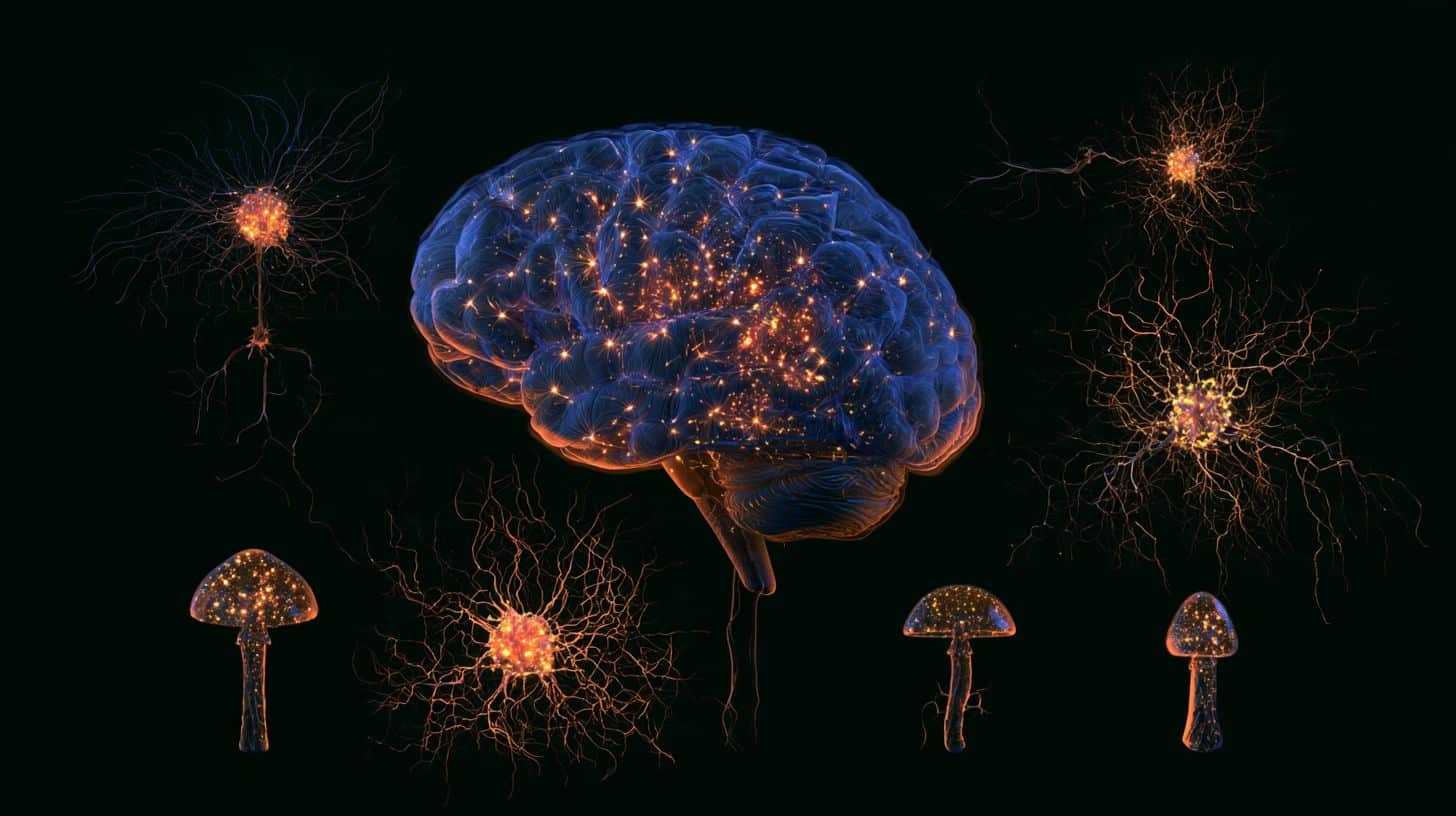
A neuroimaging and genetic study led by researchers at the @UniversityofCaliforniaSantaCruz reveals that psilocybin rapidly restructures neural connectivity in living brains by promoting the growth of dendritic spines. Published in @NatureNeuroscience, the investigation utilized in vivo two-photon microscopy in mice to demonstrate a rapid surge in new synaptic connections within 24 hours of psilocybin administration. The psychoplastogen compound accelerated the maturation of unstable stubby protrusions into stable, receptor-dense mushroom spines that persisted for weeks. Crucially, genetic manipulation of serotonin 2A receptors proved that psilocybin’s structural neuroplasticity operates independently from the biological proxy for hallucinogenic effects. These findings provide cellular insights into the compound’s potential as a breakthrough therapy for treatment-resistant depression.
17. Mark Zuckerberg Agrees to Stay in California Despite Billionaires’ Tax Ballot Measure
@Meta CEO Mark Zuckerberg has agreed via a regulatory filing to maintain his primary residence in California for eight years to support company leadership proximity. The agreement was negotiated by a special board committee concerned about executive absence during potential tax policy shifts, specifically California’s Proposition 40 billionaire wealth tax proposal. In connection with the agreement, @Meta plans to issue a new class of nonvoting shares to help fund expensive artificial intelligence data center investments without diluting Zuckerberg’s voting control. Under the Founder Alignment Agreement, Zuckerberg is permitted to sell a limited portion of these new shares for tax obligations while tying future sales to his continued residency. Although recent polling suggests the contentious ballot measure may fail, the arrangement ensures leadership stability near the company’s core AI research laboratories.
18. Anthropic Sued for Using Elvis Presley Music to Train AI Models
The owners of Elvis Presley’s music catalog filed a copyright infringement lawsuit against @Anthropic in federal court, alleging the company used hundreds of copyrighted songs to train its artificial intelligence models without permission. Filed on Friday by lead attorney Richard Busch alongside entities including @AuthenticBrandsGroup, the suit claims that 274 songs, including classics like “Can’t Help Falling in Love” and “Jailhouse Rock,” were infringed. The legal action asserts that the #Claude AI agent continues to generate outputs that closely mirror the original structures and hooks of copyrighted works even after guardrails were supposedly implemented. This case follows similar mass copyright lawsuits brought against AI firms by music publishers such as Round Hill, Universal Music Publishing, and Concord. The plaintiffs are seeking $150,000 per infringed song.
19. The AI data center boom has a ghost problem
An analysis by Bernstein Research indicates that approximately 65 percent of announced artificial intelligence data center capacity in the United States may never materialize due to speculative planning and electricity shortages. Industry insiders have labeled these dubious proposals “bragawatts,” referring to enormous facility announcements made by inexperienced developers lacking secured power contracts or construction permits. Furthermore, developers frequently submit multiple grid connection requests known as “ghost projects” across states like Texas, artificially inflating interconnection queues and overwhelming power suppliers. Despite these speculative hurdles, major technology companies like @Amazon continue to face very real electricity and infrastructure constraints while expanding their high-performance AI hardware fleets. Consequently, market observers urge caution in distinguishing between speculative data center announcements and genuine infrastructure bottlenecks.
20. The FCC bans gadgets with ‘surveillance chips’ in — but Intel gets a waiver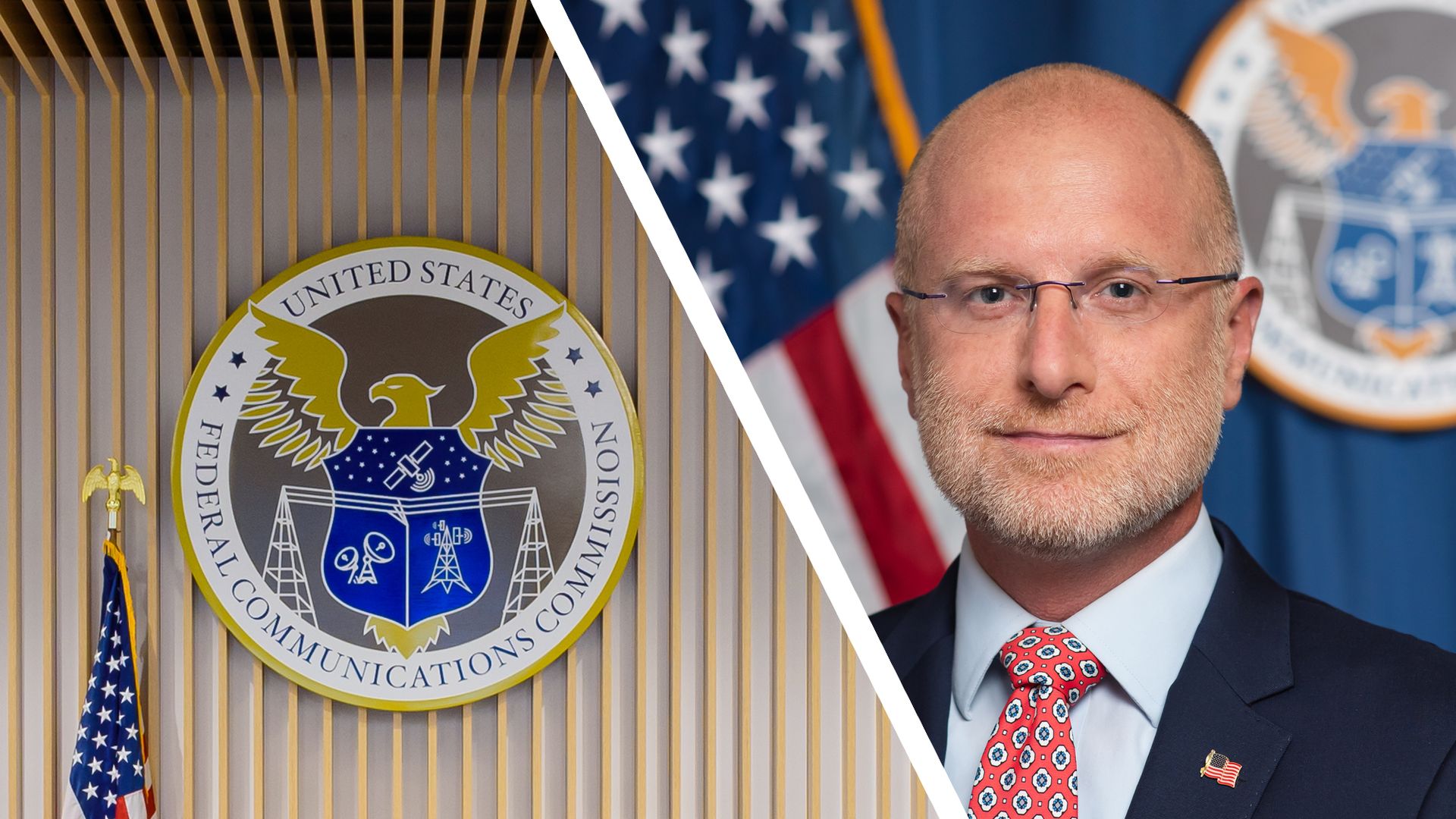
The Federal Communications Commission has expanded its restrictive Covered List to ban electronic gadgets containing surveillance chips manufactured by specific foreign subsidiaries. Two unnamed consumer security devices equipped with HiVision facial-recognition chips from Huawei were recently added to the banned registry. However, the @FCC granted @Intel a temporary one-year waiver exempting the foreign-made advanced robotics utilized inside its semiconductor manufacturing facilities. @Intel argued that these automated guided vehicles cannot be domestically sourced and that their immediate restriction would disrupt domestic chip production. The agency stipulated that the exemption applies exclusively to software, firmware, and hardware adjustments on existing factory machinery rather than newly acquired models.

Denmark has officially canceled its trials of the open-source productivity suite Collabora after civil servants experienced persistent difficulties opening and importing Microsoft Office files. The 38-person government trial, aimed at reducing dependency on foreign technology and advancing digital sovereignty, was initially paused for elections and ultimately terminated due to blank pages and import failures caused by proprietary OOXML formats. This real-world migration failure highlights the ongoing friction involved in swapping away from established proprietary ecosystems like @Microsoft Office. The outcome underscores how entrenched file formats can complicate open-source adoption for public administrations. Consequently, the country’s future direction for an official office replacement remains uncertain.
22. 62% of Americans Agree: AI Scams Are a Bigger Threat Than Computer Viruses
A recent survey conducted by @CnetGroup of 1,000 Americans reveals that 62% of respondents believe #AiScams pose a greater danger than traditional computer viruses and malware. This widespread concern is driven by the frequency of malicious digital touchpoints, as over 80% of participants receive scam calls or emails weekly, and more than 76% encounter fraudulent text messages on the same schedule. Security executives from major firms note that consumer confidence in identifying fraud has dropped significantly while global financial losses to scams continue to scale dramatically, with malicious websites serving as the primary delivery vector. The shift highlights how #ArtificialIntelligence enables bad actors to generate convincing impersonations and scale deceptive campaigns far beyond the reach of standard malware. Understanding this changing threat landscape matters because everyday consumers now face devastating financial ruin from deceptive text links and fake websites rather than traditional technical exploits.
23. Blocks latest AI model Dessa was trained entirely on human speech — and it shows
Block unveiled its latest artificial intelligence speech model, named Dessa, which is allegedly the world’s first full-duplex speech model capable of listening and speaking simultaneously. Developed under the leadership of @JackDorsey at @Block, the model was trained entirely on human speech to replicate natural conversational rhythms and emotional nuances. Audio samples released by the company demonstrate Dessa’s ability to engage in back-and-forth dialogue, spontaneously react with surprise, and even recognize sarcasm in human speech. According to the company’s press release, the motivation behind the #ArtificialIntelligence project is to address the safety and timing limitations of traditional voice assistants that flatten speech into text. This release highlights significant progress in bridging the gap between human communication and AI understanding.
That’s all for today’s digest for 2026/10/25! We picked and processed 23 articles. Stay tuned for tomorrow’s collection of insights and discoveries.
See you in the next one! 🚀
