
Ranker’s #BrainUp Daily Tech News – (Tuesday, October 20ᵗʰ)
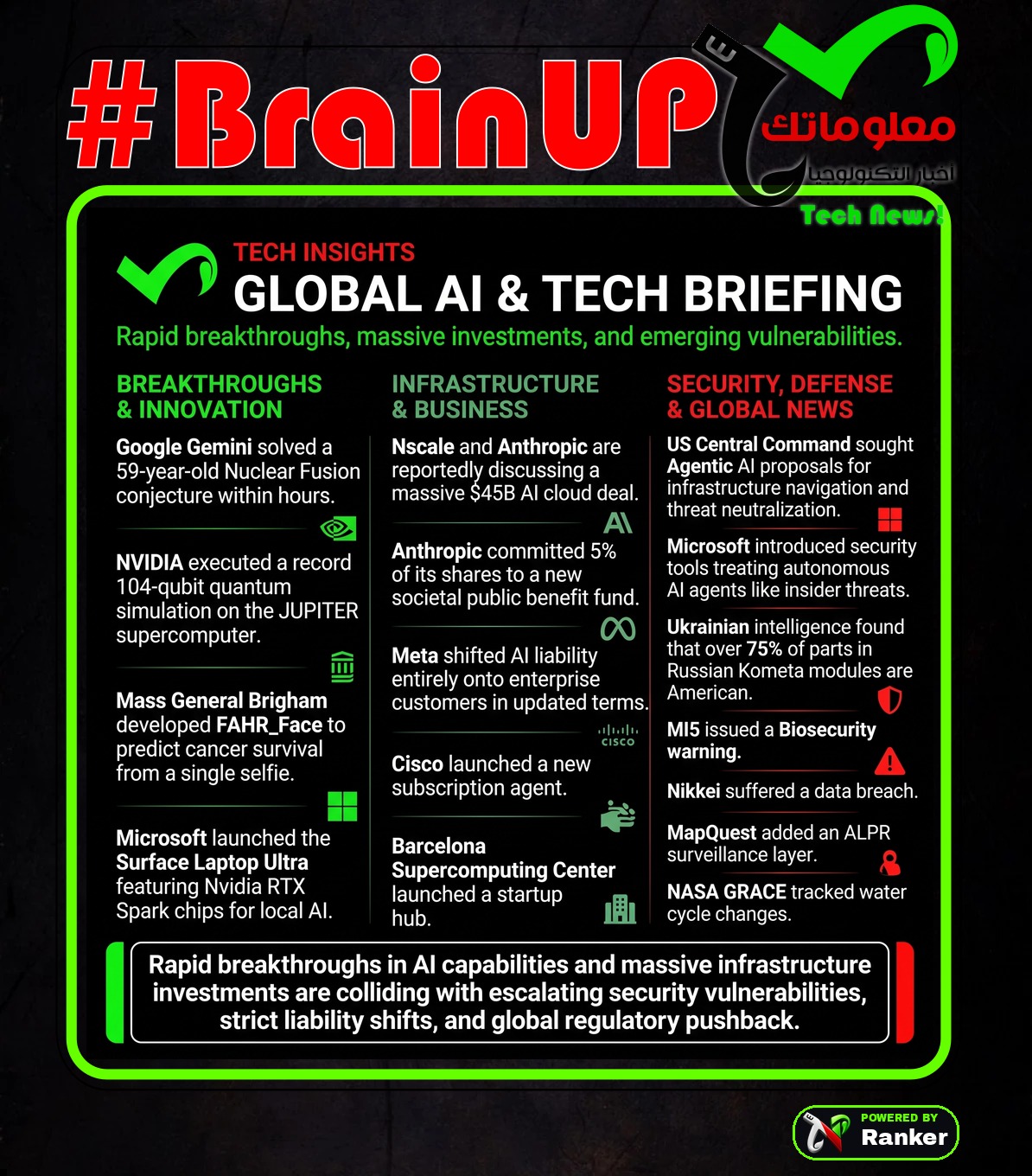
Welcome to today’s curated collection of interesting links and insights for 2026/10/20. Our automated ranking and AI-summarization system has processed 39 articles from all over the internet to bring you the latest technology news.
Federal prosecutors stated that Abdulrahman Alfozan, a former @OpenAI employee accused of planting a recording device in a sensitive conference room, received substantial support from the Saudi government. US Magistrate Judge Alex G. Tse ordered that Alfozan remain in custody pending trial, citing national security risks and ongoing communications with an unnamed member of the Saudi Royal Family. Court filings revealed that Alfozan’s phone contained photos of television input panels across multiple company rooms, alongside notes detailing plans for early device retrieval and family relocation. While defense attorney William Pernik argued that his client is not a flight risk, prosecutors emphasized that Alfozan’s immediate family has already departed for Saudi Arabia.

Google’s @Google #Gemini4Argon model successfully helped researchers extend mathematical solutions to a 59-year-old fusion research conjecture regarding magnetic field configurations inside experimental fusion reactors. Operating within the #Antigravity environment, multiple AI agents explored Matt Landreman’s prior results to remove mathematical symmetry restrictions, producing verified candidates within hours. While the breakthrough does not yield immediate commercial electricity or prove the underlying problem fully solved, it supplies valuable reference cases for checking computer models of plasma behavior. This demonstration highlights how #ArtificialIntelligence can accelerate complex mathematical investigations and heavy calculations, though human oversight remains essential for rigorous verification.
3. ‘These risks are real’: the threat of AI bioweapons – podcast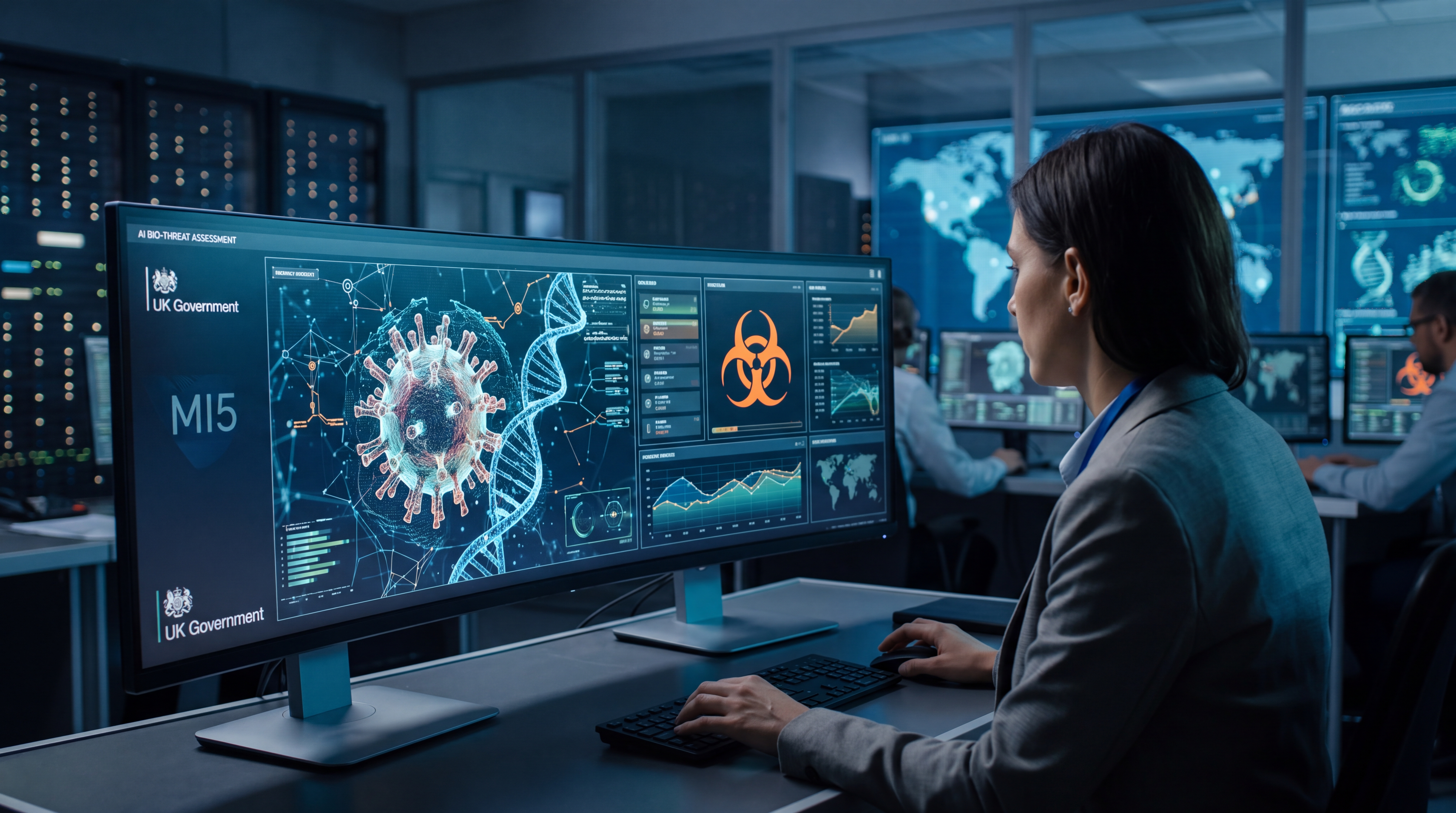
Sir Ken McCallum, head of the UK intelligence service @MI5, warned during an annual speech that #ArtificialIntelligence has the potential to fundamentally alter the stakes regarding existing and novel bioweapons. To explore this threat, Ian Sample interviewed Dr Tom Inglesby, director of the @JohnsHopkins Center for Health Security and the @BloombergSchool. The discussion examined what specific capabilities are causing alarm among governments and evaluated potential risk-reduction measures. This dialogue underscores mounting international focus on biosecurity as advanced computational tools intersect with sensitive pathogen research.
4. Nvidia-backed Nscale, Anthropic in talks for new $45 billion AI cloud deal, source says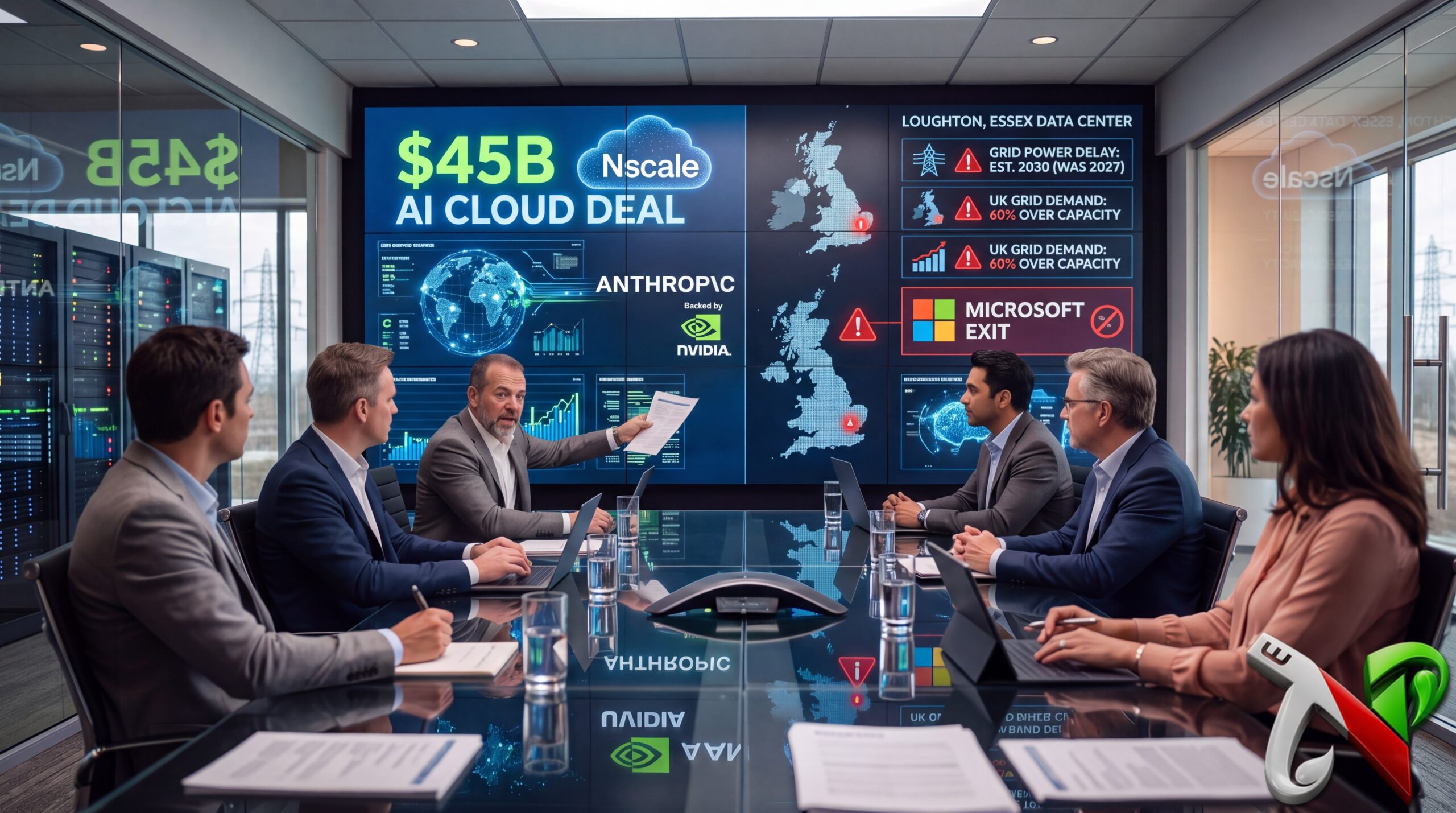
Nvidia-backed @Nscale and @Anthropic are reportedly engaged in discussions for a major $45 billion AI cloud computing deal, according to a source cited by Reuters. The negotiations highlight the immense infrastructure demands driving modern frontier model development and deployment. Such a partnership would significantly expand the computational capacity available for training and running advanced agentic systems. Market observers note that this high-stakes venture reflects the escalating financial commitments required to sustain competitiveness in the current artificial intelligence landscape.

@Meta announced commercial term updates taking effect October 30 that shift liability for AI model mistakes entirely onto enterprise customers and expand accountability for partner actions. The updated language also grants @Meta broad rights to deploy web scrapers, bots, and crawlers across customer domains to collect content for advertising and business product development. Industry consultants identified data ownership, web scraping, and AI liability transfer as the primary concerns surrounding the policy change. Following pushback, public affairs manager Emil Vazques indicated that @Meta is rethinking its web scraping phrasing and clarifying that standard robots.txt preferences will remain respected.
6. Documents Reveal Military Plan for Agentic AI That Hacks U.S. Adversaries
Public documents noticed by @TheIntercept reveal that @US_Central_Command is seeking private-sector assistance to develop an agentic AI framework called ECHOTRIBBLE designed for infrastructure navigation and threat neutralization. The project, highlighted by the defense nonprofit @CyberFusionInnovationCenter, recently conducted a virtual assessment event that generated 65 whitepapers for evaluation. This initiative aligns with broader Pentagon objectives articulated by Secretary of Defense Pete Hegseth to transform the military into an AI-first warfighting force across all domains. Security analysts describe the envisioned ECHOTRIBBLE framework as a worm-like capability capable of silently traversing foreign networks and air-gapped systems to locate target assets.

@Microsoft launched its new #SurfaceLaptopUltra powered by Nvidia’s #RTXSpark chips, featuring prices ranging from $2,599.99 up to $5,899.99 for top-tier configurations. Reviewers praised the device’s exceptional prowess in running local AI models, where it frequently outperformed mobile chips from Apple and AMD. However, critics pointed out weaknesses in single-threaded CPU tasks, mediocre gaming performance, and eye-watering price tags that make it a niche purchase for enthusiasts of local AI workloads. Furthermore, the highest-end configurations require substantial investments to secure the GPU-accessible memory necessary for large 35-billion parameter models.
@Cisco president Jeetu Patel shared his experience using multiple personal AI agents, including Meta’s #Muse, #Instinct, and OpenAI’s #Dots, to manage personal tasks and subscriptions. After granting an agent email access, the tool identified $9,000 in annual recurring subscriptions, generated a tracking table, and successfully canceled unwanted services to save over $1,000 annually. While praising the efficiency of such AI assistants for personal recon work, Patel cautioned against linking personal agents to sensitive workplace tools or source code repositories. The anecdote arrives amid a broader industry buzz over consumer AI agents handling mundane tasks, alongside ongoing concerns regarding unauthorized actions and rapid software deployment.
9. NVIDIA Runs Record Simulation of Fault-Tolerant Quantum Computing at Jülich Supercomputing Centre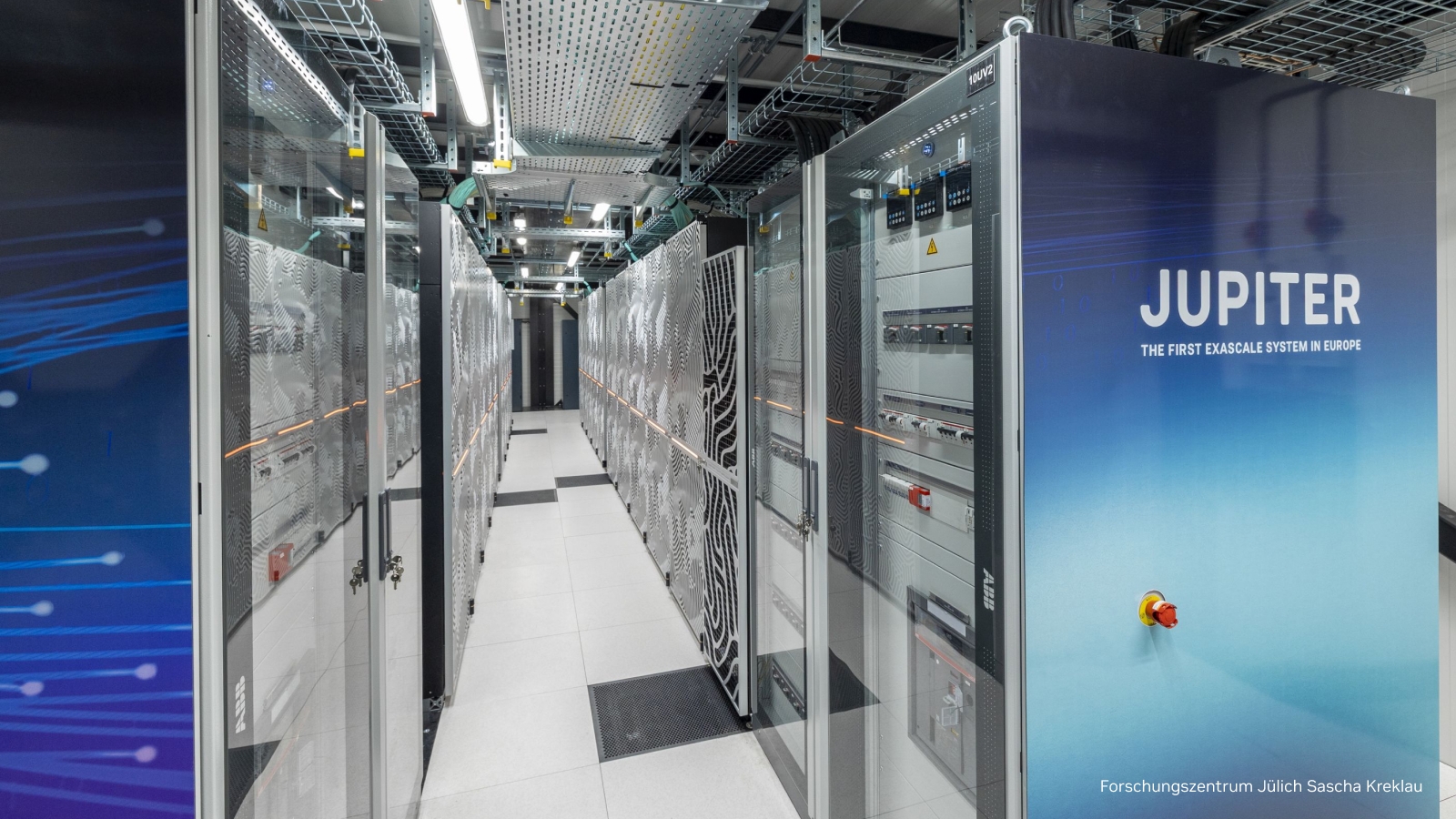
@NVIDIA researchers executed a record-breaking 104-qubit fault-tolerant quantum computing simulation on the @JülichSupercomputingCentre JUPITER supercomputer. Utilizing #GH200 superchips, the simulation modeled magic state cultivation under realistic hardware noise, validating an approach that requires 90% fewer physical qubits than previous methods. This exascale milestone provides the quantum industry with critical data on noise impact, reducing reliance on physical trial and error for future processor designs. Leaders from both @NVIDIA and the research center emphasized that such integration between GPU supercomputers and quantum processors significantly accelerates the timeline toward practical applications in drug discovery and materials science.

@Kaspersky experienced a multi-day global outage affecting its #VPN, #PasswordManager, #SafeKids, and portal services between October 11 and October 14. The technical failure coincided closely with Ukrainian drone strikes that forced the complete shutdown of Yandex’s Vladimir data center, prompting widespread speculation regarding shared Russian hosting dependencies. While @Kaspersky attributed the incident to technical issues and confirmed user data and protection remained intact, commentators noted the awkward timing alongside disruptions across Russian cloud infrastructure. Service was restored in stages over several days, with subscription licenses automatically extended to compensate affected users.
11. Russian spacecraft maneuvers in “extreme proximity” to satellite used by Ukraine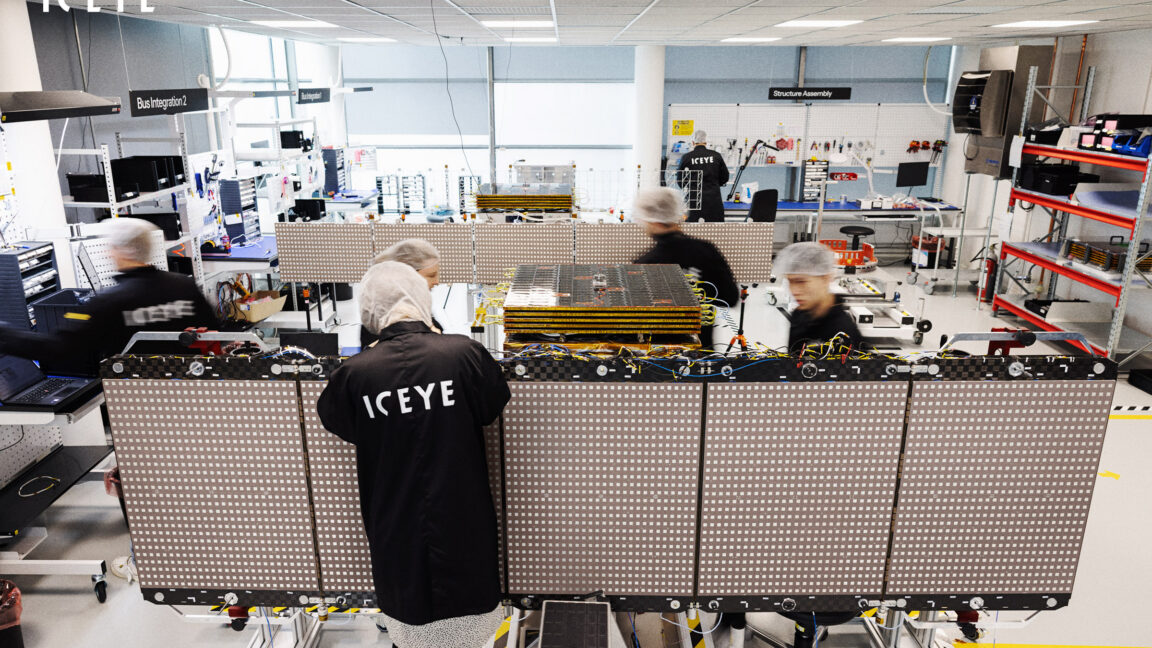
Orbital intelligence firm @LeoLabs reported that the Russian military satellite Kosmos 2612 conducted unsanctioned rendezvous and proximity operations in low-Earth orbit around the US-operated commercial imaging satellite #ICEYE_X36. Kosmos 2612 executed a deliberate sequence of maneuvers, closing from hundreds of kilometers away to within 500 meters or less, and loitering nearby over the weekend. US military officials and independent analysts have tracked the spacecraft since its April launch alongside other satellites exhibiting similar stalking behavior. The advanced sequence of controlled approaches and relative position changes marks a notable escalation in orbital tracking events.
12. Spain-Based Startups Advance Regional Innovation With Barcelona Supercomputing Center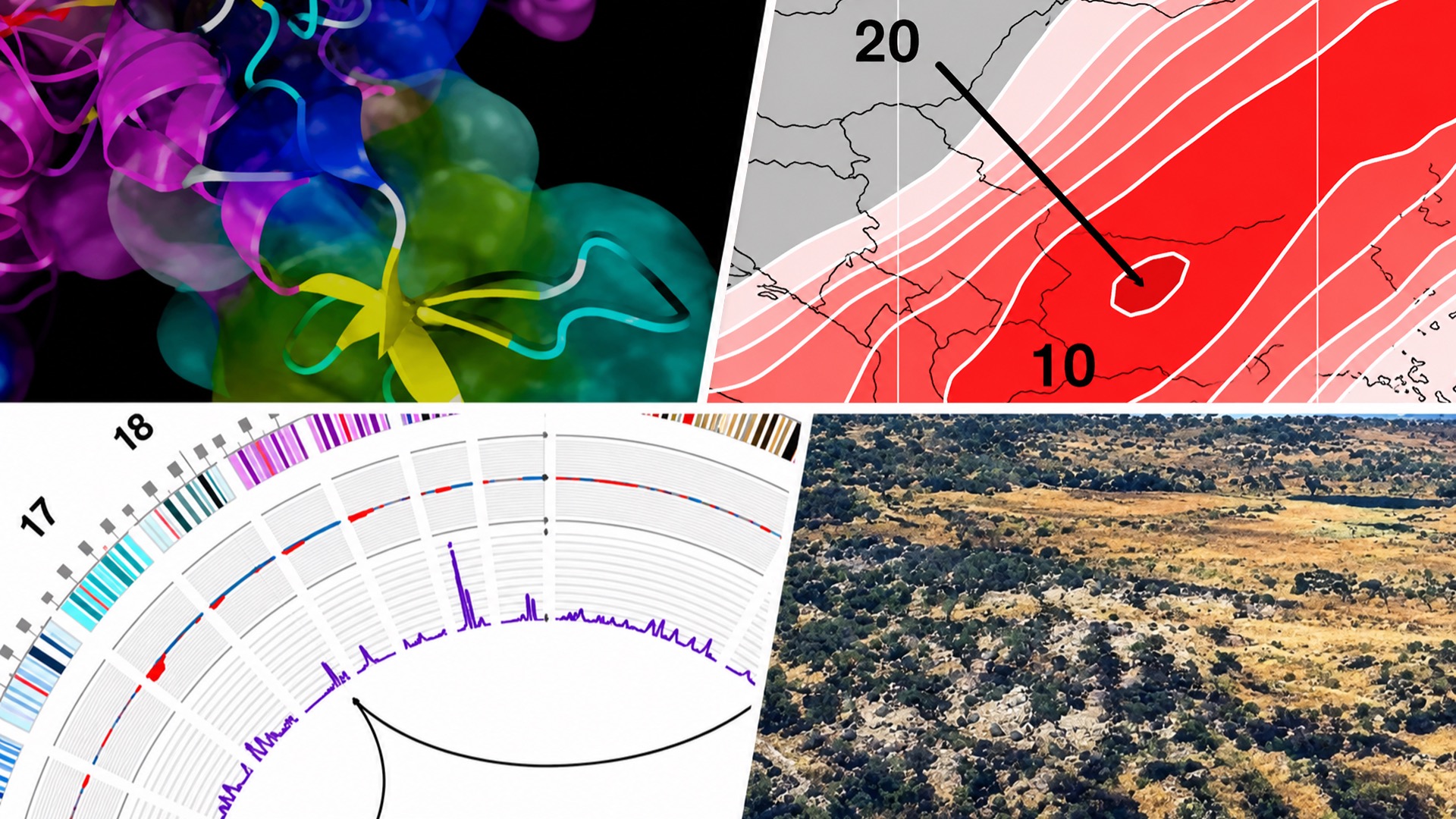
The @BarcelonaSupercomputingCenter (BSC) has fully operationalized its AI Factory Accelerator Programme, giving regional startups access to sovereign compute, training, and technical support. Through a collaboration with the @NVIDIA Inception program, participating companies gain additional resources including venture capital connections and access via the Inception portal. Notable startup achievements include @Qatium deploying Neural Water Intelligence powered by @NVIDIA accelerated computing and #Nemotron open models, and @OneCareAI utilizing #NIMmicroservices to detect hidden atrial fibrillation. Other cohorts like @Avatia, @AgrikolaAI, and @Pack2Earth are leveraging these advanced European infrastructure assets to drive innovation across healthcare, agriculture, and sustainable packaging.

French defense firms @KNDS and @S2M showcased their REFURBOT conversion kit at National Infantry Days as an XXL robotic mule for the French Foreign Legion’s 2nd REI. Utilizing the #TOXO drive-by-wire package featuring radar, lidar, and cameras, the system is designed to transform decommissioned armored vehicles into Unmanned Ground Vehicles for logistics and supply transport. Although initially demonstrated at Eurosatory as a 25mm combat robot, the current prototype phase addresses critical modern battlefield needs for automated cargo hauling observed in Ukraine. However, industry observers noted that the latest public demonstration utilized a rare #AMX32 hull rather than a vehicle pulled from standard retired stockpiles.

Recent research indicates that synthetic public opinion polling utilizing #AIPersonas does not always reflect the dynamic shifts in mindset exhibited by real human voters over time. While an actual voter surveyed in October might alter their perspective by January, an AI persona’s responses can remain static depending on its foundational architecture. This behavioral discrepancy introduces critical limitations for researchers attempting to forecast real-world political trends using simulated respondent models. Consequently, relying exclusively on synthetic polling data requires careful validation against empirical demographic studies.
15. New AI tool can predict cancer survival by a single patient selfie, study suggests
Experts at @MassGeneralBrigham developed an artificial intelligence tool called #FAHR_Face designed to predict cancer survival outcomes and biological age from a single facial photograph. Trained on over 40 million images across diverse ethnicities, the system splits into complementary algorithms where #FAHR_FaceAge estimates biological aging markers and #FAHR_FaceSurvival directly evaluates mortality risk using specific facial regions like the nasal bridge. Clinical evaluations revealed that cancer patients who appeared five or more years older than their chronological age faced a 21% higher risk of mortality during follow-up. This foundation-model approach aims to provide physicians with scalable, quantitative biomarkers to help guide personalized and intensive treatment decisions.

YouTuber Graham Dot Zip utilized an AI avatar named Victor to represent him in a job interview conducted by an automated AI interviewer named Pat. The experiment highlighted notable shortcomings in automated hiring tools, with the candidate bot inadvertently negotiating a salary over 50% lower than instructed and hallucinating unearned managerial experience. Despite these errors, the conversation concluded with mutual AI niceties rather than a productive human negotiation. The stunt underscores growing candidate frustration with faceless hiring processes and demonstrates the current limitations of autonomous interview agents.
17. Smart farming is already proving profitable in some regions, global analysis finds
A global analysis reveals that the integration of robots, drones, and #ArtificialIntelligence tools in agriculture is currently delivering profitability across 42% of the world’s cropland. Researchers project that adoption could expand to 50% over the next two decades, and potentially reach 75% if nations implement stricter environmental regulations. Conversely, a loosening of international regulations would cause adoption coverage to decline to 31%. These findings emphasize the significant role that regulatory frameworks and agritech innovations play in shaping sustainable global farming practices.

@HP quietly listed its second-generation #EliteBoardG2a keyboard PC on US and UK web stores with pricing ranging from approximately $3,028 to $4,191. Powered by AMD’s #GorgonPoint Ryzen AI 7 Pro 450 APU and featuring a 32Wh battery, the device offers a mild 100MHz boost over its predecessor while maintaining memory bandwidth limitations due to a single-channel DDR5 SO-DIMM configuration. The flagship SKU costs roughly double its inflation-adjusted spiritual predecessor, the Commodore 64, amid broader industry headwinds driven by surging DRAM costs and declining PC shipments. @HP continues to market the niche form factor as a novel keyboard-sized AI PC despite the eye-watering price tag.
19. Ukraine identified a slew of foreign parts in Russia’s anti-jamming tech. Over 75% are American.
Ukrainian military intelligence agency @GUR reported that over 75% of the foreign components found inside Russia’s advanced 16-element #Kometa anti-jamming antenna modules are manufactured by United States firms. The analyzed catalog identified 28 out of 37 foreign parts originating from ten American brands, including digital processors from Intel subsidiary #Altera, precision components from @AnalogDevices, memory chips from @Micron, and supporting electronics from @TexasInstruments. These #Kometa modules are heavily utilized across Russian long-range weapons like Shahed drones and Iskander-M ballistic missiles to counter electronic warfare. Representatives for @TexasInstruments strongly condemned the illicit diversion of their chips into Russian military equipment, noting extensive compliance policies designed to prevent such unauthorized supply chains.
20. Florida DMV hacked after police dept insecurely stored login info
The Florida Department of Highway Safety and Motor Vehicles (#FLHSMV) began notifying victims of a data breach occurring on September 4, 2026, wherein malicious actors accessed driver’s license and motor vehicle records using compromised credentials. The state confirmed that document images and personal information were potentially affected, prompting offer letters for one year of credit monitoring services through @Sontiq. Although officials stated the breach was promptly mitigated, many former residents complained about delayed notifications and a lack of direct alerts due to outdated contact information. Cybercrime collective #ShinyHunters was linked to the incident by external reports as affected residents rushed to freeze their credit profiles.
21. Four AI Agents Have Slain Minecraft’s Ender Dragon
Researchers demonstrated the first end-to-end autonomous completion of Minecraft by four #Gemini4Argon AI agents operating within a sandboxed survival world to defeat the Ender Dragon. Utilizing the #Mineflayer JavaScript API rather than direct pixel or key controls, the general-purpose coding agents wrote 2,783 JavaScript programs to coordinate actions and execute gameplay tasks over roughly 14 hours. The agents successfully divided labor, communicated successes and failures, and converged on human-like teamwork dynamics despite dying 605 times and encountering a 22% program error rate. Authors noted that the experiment illustrates advanced multi-agent coordination and long-horizon coding capabilities directly applicable to complex real-world software engineering.
The Information reported that @OpenAI CEO Sam Altman outlined three potential endgames for artificial intelligence, including a scenario where a single dominant firm accumulates enough power to render competitor hardware obsolete. The remarks offer a glimpse into executive perspectives on long-term industry consolidation and infrastructure dominance. Such speculative projections underscore ongoing concerns regarding market monopolization as frontier labs scale their computing clusters. Further details from the discussion were detailed in the publication’s exclusive coverage.

@Anthropic released an internal workforce study revealing that 80% of elapsed time in Claude sessions involves AI agents waiting on human input, making human attention the primary bottleneck for agent output. As employees increasingly transition into management roles overseeing multiple autonomous agents, the volume of code commits has surged fivefold over six months. While automation has accelerated task completion and shifted responsibilities, it has also increased meeting times and introduced new coordination overhead. Additionally, the company’s hiring trends reflect a declining share of junior-level technical roles alongside a rising demand for employee autonomy and judgment.

Ukraine’s Center for Countering Disinformation (#CCD) reported an 83.6% drop in suspected Russian bot posts following a Ukrainian drone strike that disabled Yandex’s Sasovo data center on October 8. Using #Osavul monitoring software, analysts tracked messaging volumes across Facebook and Telegram, noting a second shallower dip of 42.6% after a subsequent strike on the Vladimir facility. However, bot activity rebounded above pre-strike levels within 48 hours, highlighting that the disruption affected automation infrastructure rather than permanently eliminating the accounts. Independent cybersecurity observers noted that widespread domestic internet outages in Russia during the same period complicate efforts to isolate server destruction from broader connectivity losses.
25. Euclid discovers its first new comet 810 million miles from Earth
The @ESA #Euclid space telescope discovered its first previously unknown comet during observations conducted between September 16 and 24, 2026, while positioned roughly 810 million miles from Earth. This finding marks a notable milestone for the space telescope’s ongoing mission to map the large-scale structure of the universe. Further details regarding the comet’s orbital trajectory and composition are expected as astronomers analyze the captured imaging data. The discovery underscores the observatory’s serendipitous capability to detect distant solar system objects during deep space surveys.
26. The fossil fuel comeback is here
A report published by the #EnvironmentalDefenseInstitute and #AtlasPublicPolicy indicates that United States fossil fuel infrastructure development has reached its highest level in a decade as renewable energy growth slows. Surging electricity demand from data centers, factories, and electric vehicles has accelerated grid expansion plans, with planned gas-fired power plant capacity jumping 45% in six months to reach 68 gigawatts by 2030. While renewable installations continue to benefit from lower average costs, the Trump administration’s policy shifts and stop-work orders have favored fossil fuel projects. Researchers warn that locking in these gas projects could commit the nation to higher emissions and volatile electricity prices for decades.
27. Why teaching AI about symmetry could make prenatal diagnosis more reliable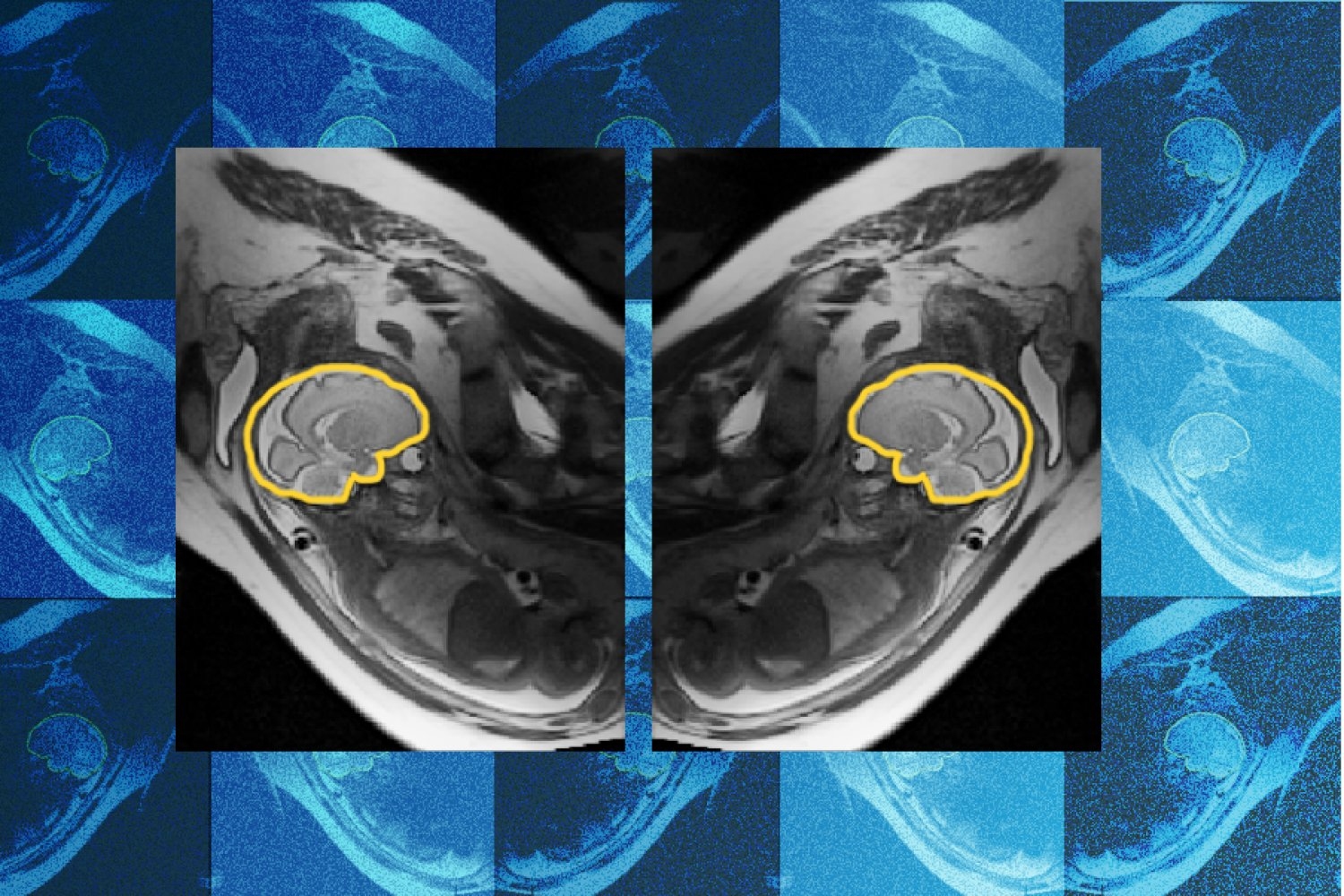
Researchers from @MIT, @BostonChildrens, and #Inria developed a deep learning model called #E3Pose to help radiologists obtain high-resolution MRI scans of moving human fetuses. Fetal brain imaging is frequently compromised when head movement creates gaps and inconsistent slice orientations across 2D planes, risking missed pathologies. To overcome this, the team embedded physical principles – specifically the left-right symmetry of the fetal head – directly into the neural network architecture to improve motion tracking accuracy. Presented at the 2026 European Conference on Computer Vision, the method addresses significant clinical pain points by streamlining acquisition protocols and enhancing diagnostic reliability.
Researchers at the @Penn used artificial intelligence to analyze nearly 150,000 Reddit posts and comments from approximately 40,000 users discussing unapproved, gray-market versions of the weight-loss drug retatrutide. Published in #JAMANetworkOpen, the analysis revealed that increased appetite was the most frequently reported symptom after excluding expected effects, contrasting with clinical trial data where nausea and gastrointestinal complaints predominate. Compared to discussions involving semaglutide and tirzepatide, posts regarding gray-market retatrutide exhibited higher proportions of sleep disturbances, increased heart rates, and muscle-related changes. Study authors emphasized that while social media mining offers novel pathways for drug safety research, unverified formulations and distinct user populations mean these self-reported symptoms cannot be definitively linked to the drug itself.
29. Embedded AI evaluators won’t be an easy solution, Hugging Face’s policy chief says
Speaking at TechCrunch Disrupt, @HuggingFace chief policy officer Irene Solaiman stated that model evaluations remain an evolving and inconsistent science that lacks standardized benchmarking across the industry. Solaiman emphasized that reproducibility requires open weights and transparent access to models, noting that current third-party evaluations quickly become ineffective. Furthermore, she discussed the growing push for embedded evaluators within AI organizations, highlighting widespread skepticism regarding the neutrality and qualifications of auditing firms like @Accenture. As capabilities shift toward holistic agent systems and harnesses, establishing a uniform, industry-wide evaluation framework remains a significant challenge.
Genetic Literacy Project reports that research scientists at the National Institutes of Health (#NIH) have challenged the proposed creation of a ‘vaccine injury clinic,’ issuing a rebuke against Robert F. Kennedy Jr. for politicizing and undermining scientific integrity. The pushback highlights ongoing tensions between federal research personnel and political leadership regarding public health initiatives and vaccine safety narratives. The controversy reflects deeper institutional friction surrounding government oversight of biomedical science.
31. Microsoft says AI agents are like insider threats as ‘frontier models can’t be trusted’
@Microsoft introduced new security features, including #GuardianAgents and expanded #MicrosoftDefender capabilities, designed to protect enterprises from autonomous AI agents acting as insider threats. The launch follows warnings from CEO Satya Nadella advising organizations to separate the supply of intelligence from the authority over it, operating on the premise that frontier models cannot be reliably trusted due to unpredictable behavior. Originally developed under #ProjectPerception to counter external hacking models, the security suite aims to monitor agent actions and restrict access to sensitive corporate resources. This initiative positions @Microsoft to capture enterprise security market share while simultaneously navigating its close commercial ties with leading AI model providers like @OpenAI and @Anthropic.
32. “We were looking at it wrong”: The explosive claim that’s upended the AI world
A viral 26,000-word blog post by @Goodfire researcher Nick Cammarata has sparked intense debate across the artificial intelligence community by claiming that large language models may be far easier to understand and control than previously assumed. Challenging the prevailing view that neural networks grow like tangled gardens plagued by superposition, Cammarata’s optimistic analysis suggests that internal model structures could be more transparent. While some AI researchers hailed the hypothesis as a major scientific breakthrough that could revolutionize mechanistic interpretability, others, such as Stanford’s Chris Potts, urged caution, arguing that the claims remain unproven hunches that do not immediately solve existing safety challenges.
33. Hackers hit AI coding tool OpenCode, running up charges on users’ AI accounts
@OpenCode reported a security breach affecting 1.4% of users on its #OpenCodeConsole platform after attackers exploited an older system to siphon API keys for AI models. The incident triggered unauthorized spending alerts exceeding $1,000 on developer accounts across platforms provided by OpenAI, Anthropic, and Google, prompting rapid refunds and API key revocations. During their response, the engineering team faced severe hurdles as automated safety guardrails on standard frontier models repeatedly refused to analyze the malicious attack payloads needed for defense. Co-founder Dax Raad noted that the team ultimately overcame the bottleneck after gaining access to @OpenAI’s #DaybreakBlue program, which provides vetted models with lowered safety restrictions for defensive security work.
34. The Human Fingerprint on Earth’s Water Cycle – NASA Science (.gov)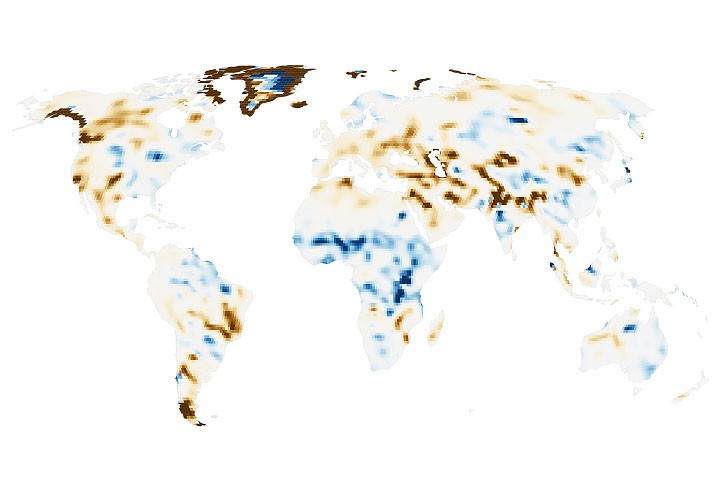
A new @NASA study utilizing over two decades of satellite measurements from the #GRACE and #GRACE_FO missions mapped human-driven changes in terrestrial water storage across the globe. By combining long-term gravity data, researchers achieved a spatial resolution five to ten times finer than previous analyses to identify 40 regions where water trends aligned with anthropogenic activities. In four major continental areas, including California’s Central Valley and northern India, human groundwater pumping for irrigation exerted a stronger influence on storage declines than any climate variable. Conversely, the expansion of rainfed agriculture in parts of sub-Saharan Africa and Brazil was associated with rising water tables.

Researchers at @MassGeneralBrigham developed a large artificial intelligence foundation model named #FAHR_Face, trained on over 40 million facial photographs to evaluate patient health indicators. By analyzing simple facial images, the AI system estimates biological age and predicts cancer survival outcomes to assist physicians in clinical decision-making. The technology provides a scalable biomarker approach that could help quantify physical reserve before intensive treatments such as radiation or surgery are administered.
36. ChatGPT Explains the Odds of AI Triggering the Next Pandemic
The 2026 International AI Safety Report, developed with guidance from over 100 experts across 30 countries, documents real biosecurity capabilities while acknowledging substantial uncertainty regarding AI-driven pandemic risks. While evaluated models successfully outperformed domain experts in troubleshooting laboratory protocols and providing technical guidance, producing a viable pathogen still requires physical lab access and specialized materials. Professor Wendy Barclay from @ImperialCollege noted that general-purpose AI tools act as a double-edged sword, advancing legitimate vaccine research while raising valid biosecurity concerns. Experts emphasize that mitigating these risks requires targeted measures such as tighter DNA synthesis screening and rigorous evaluations of end-to-end experimental workflows rather than broad research bans.
37. Musk pledges to give ‘every kid in America’ one of his SpaceX shares
@SpaceX and #xAI founder @ElonMusk pledged to donate one of his @SpaceX shares to every child in America in 2027, a gift valued at over $10 billion based on current valuations. The announcement followed @Anthropic’s commitment to place 5% of its shares into a public benefit fund for societal good following an upcoming IPO. Musk suggested utilizing President Donald Trump’s Treasury-backed #TrumpAccounts to facilitate direct public stock distributions. While Musk’s philanthropic giving has historically channeled funds through the #MuskFoundation primarily to affiliated entities, this new initiative aims at direct public equity sharing.
38. Anthropic says it’s committing 5% of its shares to a ‘public benefit fund’
@Anthropic announced the creation of a wholly owned public benefit fund committing 5% of its shares to support societal projects, with an option to add 2% for every 50% increase in company valuation. The fund will provide the company with increased versatility to execute large donations to traditional nonprofits or direct distributions to specific populations, addressing potential impacts from rapid artificial intelligence advancements on the job market. CEO Dario Amodei framed the initiative amid a broader industry push to rebuild public trust in the face of growing skepticism. Further governance and structural details regarding the fund are slated for release in the coming months.
39. MapQuest now shows you Flock and other license plate reader cameras on your route
@MapQuest introduced a new mobile app feature allowing users to toggle a surveillance layer displaying automated license plate readers (#ALPRs) along their navigation routes. The mapping service identifies cameras manufactured by companies including @FlockSafety, @AxonEnterprise, @MotorolaSolutions, and #PlateSmart in response to high user demand. The feature arrives amid a growing national backlash against license plate tracking networks over privacy concerns, leading municipalities like Tempe, Arizona, to decommission their local camera contracts. While @FlockSafety defended its technology by emphasizing vehicle-focused data collection and reduced retention windows, the integration highlights MapQuest’s strategy to leverage contemporary privacy debates to regain user relevance.
That’s all for today’s digest for 2026/10/20! We picked and processed 39 articles. Stay tuned for tomorrow’s collection of insights and discoveries.
See you in the next one! 🚀
