

Meta Opens the Weights on Muse Spark, an 816B Agentic Coding Model Built for Everything from Blackwell Racks to Mac Studios
Key points
- Muse Spark Open is a natively multimodal mixture-of-experts model with 816B total parameters, 42B active per token, and a 1M-token context window, released under the Muse Model License, which Meta says allows free use for many developers 8.
- NVIDIA says the model was trained on GB300 NVL72 systems and, with NVFP4 checkpoints, delivers up to 600 tokens per second per user on that hardware 1.
- Meta says two Apple M5 Ultra Mac Studios, each offering up to 512 GB of unified memory, can hold the whole model and run it on a desktop using MLX 8.
- The weights are on Hugging Face and through cloud and API partners including Together AI, Fireworks AI, Groq and OpenRouter, with Helion kernels reporting 1.03 to 3.95x kernel-level speedups 7 8.
What Meta Actually Released
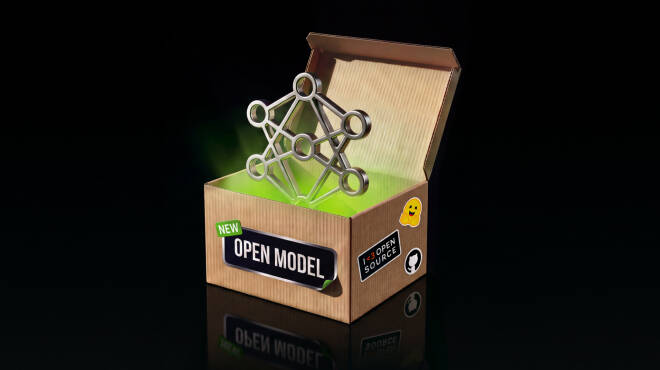
Meta describes Muse Spark Open as the most capable US open-weight model to date. It is a natively multimodal model with 816B total parameters, 42B of them active per token, and a context window of 1M tokens 8. It is aimed at coding and agentic work: long-horizon tasks, complex software engineering and multi-step reasoning.
The open version builds on Meta’s August Muse Spark release and adds safety post-training meant to make it more robust when it is used as a standalone model without system guardrails. It shares its base model with Muse Spark 1.3 7. Meta says it was evaluated under its Meta Superintelligence Scaling Framework and met the release thresholds, with a fuller evaluation report promised later 8.
The weights ship under the Muse Model License, which has limited commercial terms but lets many developers use the model for free 8. The Hugging Face collection lists both a BF16 checkpoint and a smaller NVFP4 one 2.
Built for Agents, Not Autocomplete
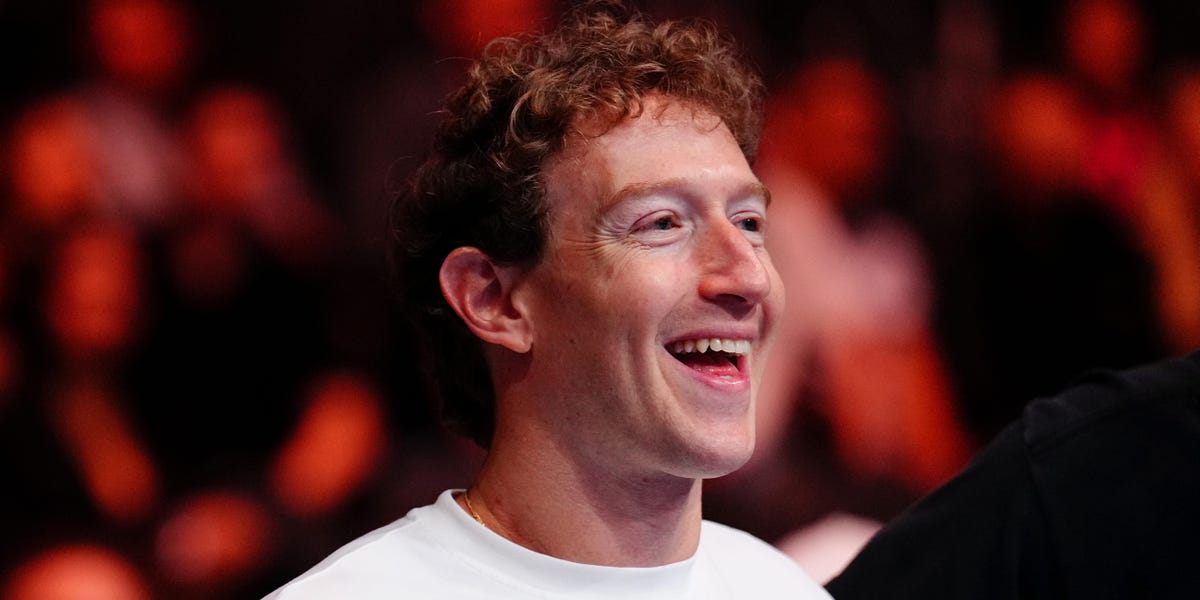
NVIDIA’s technical write-up draws a sharp line between single-shot code completion and agentic coding. The latter means planning multifile refactors, navigating thousands of files, recovering from failing tests and coordinating subagents over long sessions 1. Muse Spark Open is trained for that loop of planning, acting, observing and self-correcting, using goal conditioning and context compaction to stay on track.
Beyond code, the model can browse the web, spawn subagents and use computers across desktop, mobile and browser. It also writes separate commentary before each action so developers can see what it is doing and why 7. A 1.8B perception encoder handles text, images, video frames and audio in one pass, which suits workflows that mix screenshots, diagrams, logs and video walkthroughs 1.
From Data Center Racks to Desktops
On the high end, NVIDIA says the model was trained on GB300 NVL72 Blackwell Ultra systems. Its sparse routing sends each token to eight of 256 experts, so the 72-GPU NVLink domain at 130 TB/s matters. NVIDIA reports out-of-the-box throughput of up to 600 tokens per second per user 1. Meta-generated NVFP4 checkpoints shrink the memory footprint and free room for larger KV caches. NVIDIA also points developers to SGLang, vLLM, TensorRT LLM, Dynamo recipes, a downloadable NIM, and NeMo AutoModel for fine-tuning 1.
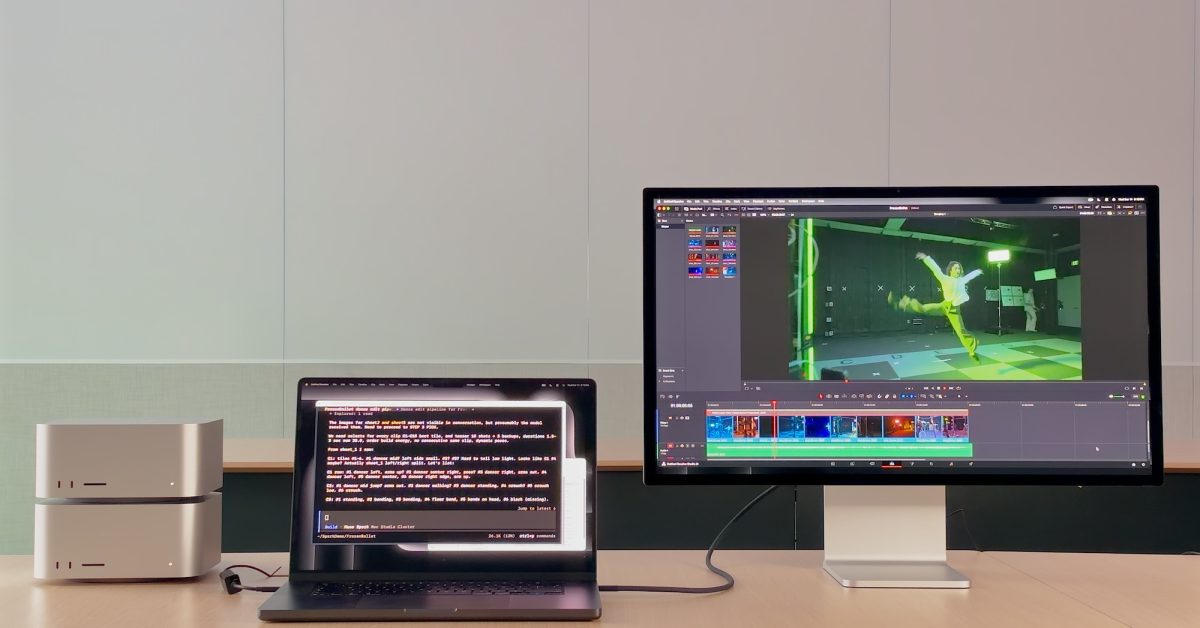
On the other end, Meta pitches a desktop story. The M5 Ultra can give its GPU up to 512 GB of unified memory per Mac Studio, so two machines can hold the entire model, with 1.2 TB/s of bandwidth to read the small slice each token needs 8. Meta says it tested on-device agent runs, including shipping iOS changes to an open-source Mastodon client and driving DaVinci Resolve to find and crop clips 6. Engadget’s headline puts the catch bluntly: you would need about 1TB of RAM to run it 5.
The pairing is notable given the two companies’ history. Meta AI chief Alexandr Wang told Axios the companies had worked together for several months, crediting former Apple executive Daniel Gross 6.
The Open Ecosystem Around It
Meta says the model runs on SGLang, vLLM, TensorRT-LLM, Hugging Face Transformers, MLX, llama.cpp and Unsloth, with optimization for AMD, Apple, Intel and NVIDIA silicon. Weights are on Amazon SageMaker AI, Google Cloud Model Garden, Hugging Face and Microsoft Foundry Models, and hosted APIs come from partners including Baseten, Fireworks AI, Groq, Modal, Nebius, OpenRouter and Together AI 8.
The PyTorch team adds that Helion kernels for operations such as RoPE and RMSNorm deliver 1.03 to 3.95x speedups over hardware-specific custom kernels on GB300. They port to AMD MI350 with a 3% end-to-end throughput gain. TorchTitan supports supervised fine-tuning, LoRA and reinforcement learning 7.
Context: Meta's Bigger Model Push
Separately, Business Insider reported that Meta launched a larger Muse Wonder series, which it says brings it to the frontier alongside Anthropic and OpenAI. It comes in a fast everyday model and a larger Wonder Full, and Meta frames it around complex multi-step tasks 3. That is a different release from the open-weight Spark model, but it shows how much Meta is spending on AI amid investor questions.
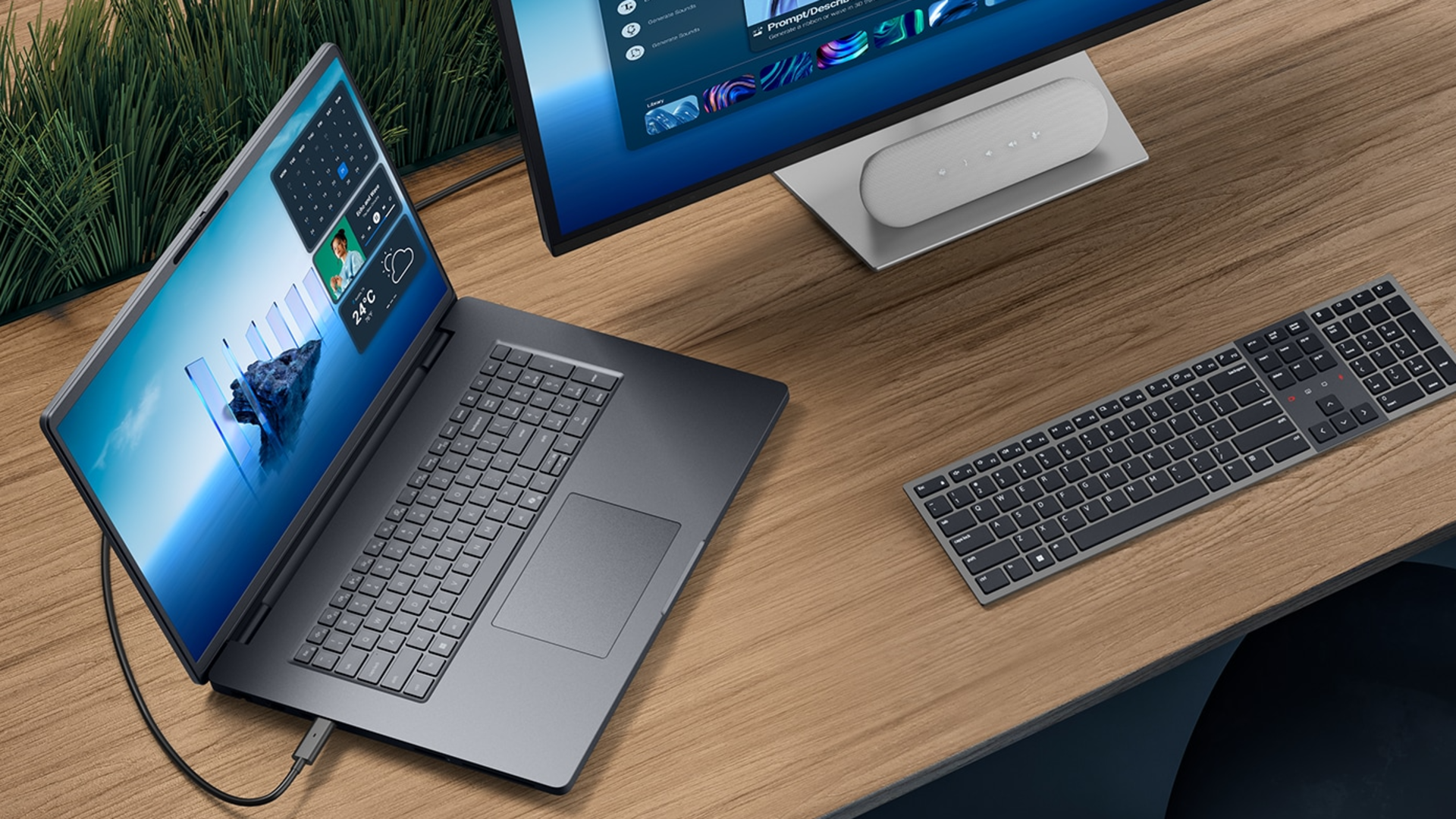
Also separately, TechRadar’s look at NVIDIA’s RTX Spark laptops, which go on sale October 16, 2026, shows the local-AI race is broader than Meta. They offer up to 128 GB of shared memory and target models of about 120 billion parameters 4. That is far short of what an 816B model needs, so the Mac Studio pair and data center racks remain the practical hosts for this release.
Companies mentioned: Meta (META $739.70 ▲0.3%) • Nvidia (NVDA $217.88 ▼1.5%) • Apple (AAPL $342.46 ▼0.1%) • Hugging Face • AMD (AMD $559.91 ▼1.9%) • Intel (INTC $95.24 ▼2.9%) • Amazon (AMZN $254.97 ▲0.4%) • Google (GOOGL $349.37 ▲0.5%)
Primary sources
 Scale Agentic Coding Workflows with Meta’s Muse Spark Open on NVIDIA GB300 NVL72 (developer.nvidia.com) – NVIDIA's developer blog explains Muse Spark Open as a coding-optimized 816B MoE model with 42B active parameters and a 1M-token context, trained on GB300 NVL72. It covers agentic coding, the 1.8B perception encoder, NVFP4 checkpoints, claimed throughput of up to 600 tokens per second per user, deployment stacks (SGLang, vLLM, TensorRT LLM, Dynamo, NIM) and post-training with NeMo AutoModel and Megatron Bridge. Published on developer.nvidia.com.
 Muse Spark Open – a meta-models Collection (huggingface.co) – The Hugging Face collection page lists two checkpoints under meta-models: a BF16 version of the 816B-A42B model and a smaller NVFP4 version, both tagged image-text-to-text. Little text beyond listings. Published on huggingface.co.
Further sources
Meta says it's launching the biggest and best AI models it has ever built (businessinsider.com) – Business Insider reports that Meta launched Muse Wonder, with a fast daily-use model and a larger Wonder Full, built for multi-step tasks and claimed to reach the frontier. It notes the Watermelon codename, the teaser posts and investor doubts about Meta's AI spending. A related but separate launch. Published on businessinsider.com.
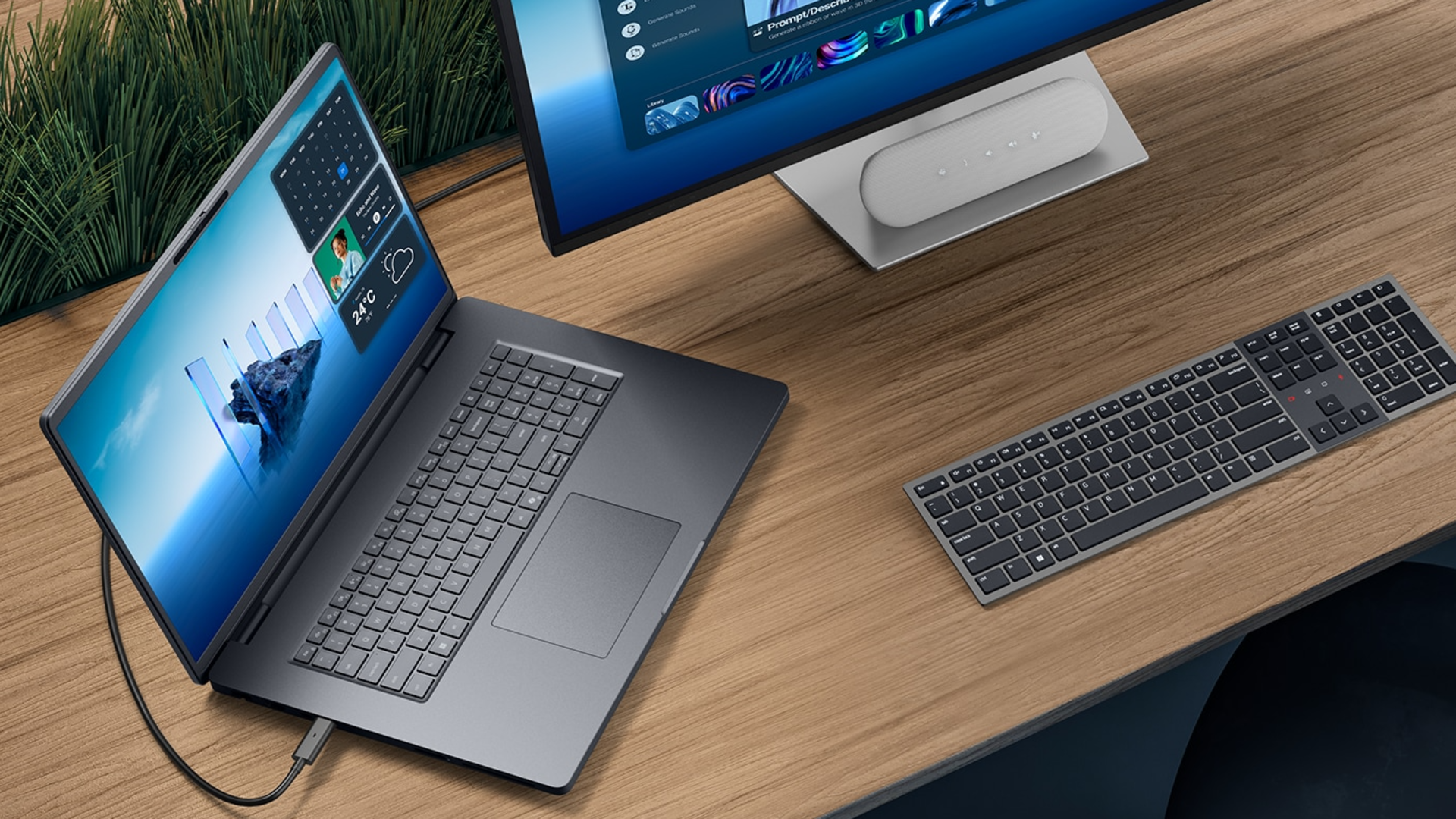 Fastest AI laptop ever built keeps its crown for now as Nvidia unleashes RTX mobile workstations — $18,600 Dell Pro Max 18 Plus laptop doubled in price in 14 months, and it could be unseated within days (techradar.com) – TechRadar, via StorageReview, compares the Dell Pro Max 18 Plus, the current local-AI laptop leader, with NVIDIA's incoming RTX Spark laptops, which go on sale October 16, 2026. It covers shared memory, bandwidth, CUDA core counts, benchmark rates and the Dell's price rise. A related but separate story. Published on techradar.com.
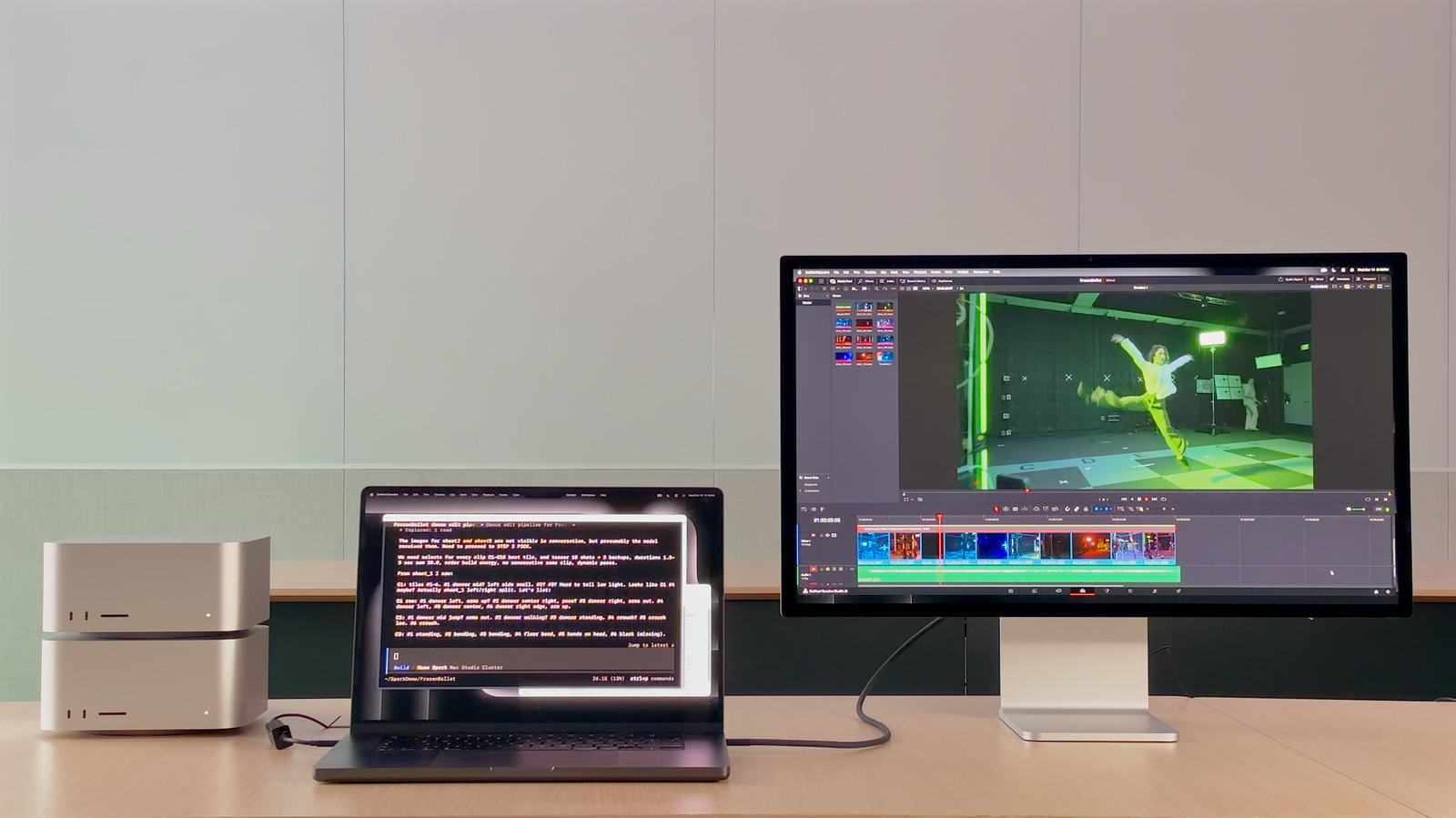 Meta built a huge open-weight AI model for Macs, but you'll need 1TB of RAM to run it (engadget.com) – Engadget's piece, available only as a short excerpt, says Meta built a huge open-weight model for Macs and that you would need 1TB of RAM to run it. It quotes Meta calling it the most capable US open-weight model to date. Published on engadget.com.
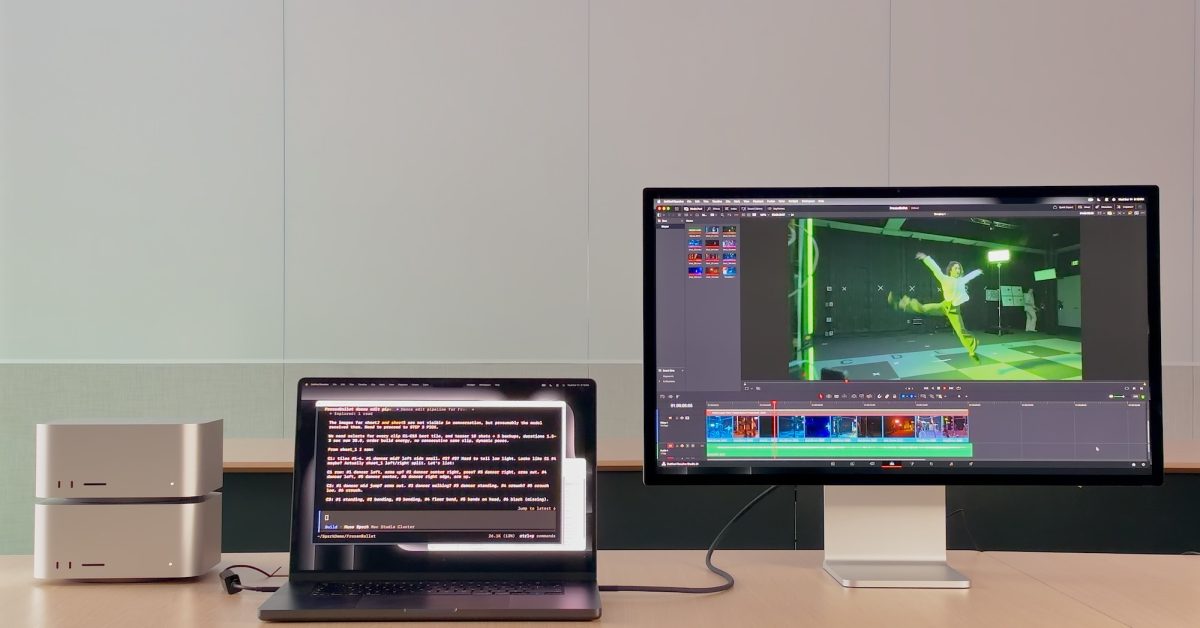 Meta launches new Muse Spark Open model, optimized to run on Mac Studio (9to5mac.com) – 9to5Mac covers the Muse Spark Open release from the Apple angle: optimization for Mac Studio with M5 Ultra via MLX, the memory and bandwidth reasoning, on-device agent tests, and the Apple-Meta collaboration. It includes Alexandr Wang's Axios comments crediting Daniel Gross. Published on 9to5mac.com.
 Muse Spark 1.2 Is Now Open Weights (pytorch.org) – A PyTorch blog post describes the weights release, the additional safety post-training, and the model's coding, multimodal and agentic capabilities. It details Helion kernels, with 1.03 to 3.95x kernel speedups and 3% end-to-end gains on AMD MI350, plus TorchTitan fine-tuning. Published on pytorch.org.
 Muse Spark Open (research.meta.ai) – Meta's own announcement is the primary account. It gives the model specs, availability across API and cloud platforms, supported inference engines, the two-Mac-Studio setup with MLX, safety evaluation under its scaling framework, and the Muse Model License terms. Published on research.meta.ai.
 Powered by News Ranker