
Robots Building Robots: Inside the World’s First Mass-Production Humanoid Plant
Key points
- UBTech has opened the world's first smart manufacturing plant dedicated to humanoid robots in Liuzhou, China 4.
- The 14,000-square-meter facility features an annual production capacity of 10,000 units, completing one robot every ten minutes 4 7.
- The plant relies heavily on autonomous systems, utilizing Cruzr and Walker series robots alongside driverless vehicles to handle material transport and final assembly 4 7.
- Company executives attribute the scale of the operation to China's mature domestic supply chain and decades of accumulated engineering expertise 7.
The Factory Floor
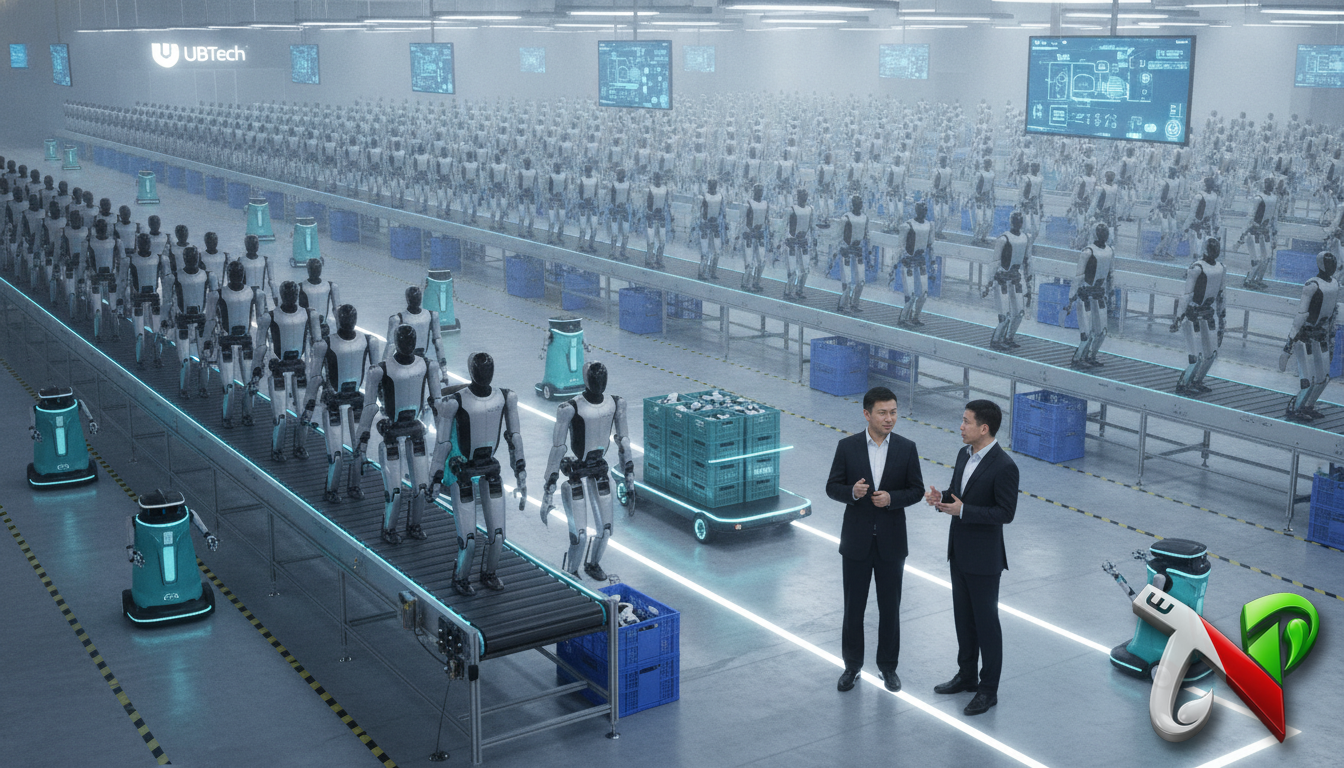
A new milestone in industrial robotics has arrived in the Guangxi Zhuang Autonomous Region of China, where UBTech has officially launched operations at a dedicated humanoid manufacturing plant in Liuzhou 4 7. Spanning 14,000 square meters and rising 13.8 meters high, the facility is designed to turn out a completed humanoid robot every ten minutes 7. This translates to an annual production capacity of 10,000 units, moving the industry past small-batch pilot programs and into true mass production 4 7. Siemens Digital Industries Software assisted in engineering the smart factory, which integrates advanced digital tools with heavy physical automation 7.
What sets the facility apart is its recursive approach to manufacturing, where robots are utilized to build other robots 7. On the production floor, Cruzr Y1 and Cruzr S2 androids manage the unloading, stacking, and internal transport of raw materials 4 7. Meanwhile, collaborative robots work side-by-side with human technicians during final assembly, supported by 360-degree rotating workbenches and automated guided vehicles that allow precise component placement from multiple angles 4 7.
Smart Logistics and Testing
Beyond assembly, the Liuzhou plant incorporates advanced logistics infrastructure to maintain its rapid output. UBTech has deployed an internally developed, fully automated three-dimensional warehouse capable of housing 112 robots within a compact 65-square-meter footprint, boosting space utilization by more than fifty percent compared to conventional layouts 7. Unmanned forklifts and automated freight vehicles keep components moving smoothly through the supply chain pipeline inside the building 7.
Quality control is equally automated. Every finished unit undergoes a rigorous testing protocol that includes more than four hours of full-unit evaluation 7. The robots must also pass through an automotive-grade inspection tunnel, which performs a complete 360-degree exterior screening designed to catch surface flaws with zero blind spots before the hardware leaves the factory floor 7.
Supply Chain Foundations
Company leadership emphasizes that achieving this scale of production depends entirely on regional manufacturing ecosystems. Fang Jianxin, a vice president at UBTech, noted that Chinese robotics firms benefit from a robust foundation of engineers, scientists, and diverse application scenarios accumulated over the past two decades 7. This deep domestic supply chain enables the cost-effective mass production of complex mechanical components that would otherwise prove exceedingly difficult to manufacture at scale 7.
Broader economic data underscores this rapid expansion. According to figures from the National Bureau of Statistics of China, national industrial robot output reached 98,677 units in July alone, representing a 30.2 percent increase over the previous year 7. Cumulative production between January and July approached 635,000 units, pointing to an accelerating adoption curve across the manufacturing sector 7.
Wider Industry Context
The race toward commercial scale is unfolding globally through distinct operational strategies. In North America, Agility Robotics recently unveiled its next-generation Digit 5 humanoid, designed with a human-like posture to lift heavier payloads and incorporate advanced safety protocols that power down the machine if a human gets too close 1. Agility is currently pursuing a public market debut via a SPAC transaction valued at roughly $2.5 billion, relying on deployments across major logistics partners like Amazon and GXO 1.
Separately, other players are pursuing different corners of the market. China’s Unitree Robotics has achieved commercial traction through intense internal cost-cutting measures and affordable developer pricing, though such rapid scaling has historically posed challenges for early quality control 6. Meanwhile, shared open-source datasets like RoboMIND, which has surpassed 20 million downloads worldwide, are providing the foundational training data necessary for androids to operate competently in real-world environments ranging from retail spaces to industrial warehouses 7.
Companies mentioned: Amazon (AMZN $251.19 ▲2.1%)
Primary sources
Agility's new humanoid is supposed to stop before it gets too close to humans (businessinsider.com) – Business Insider reports on the unveiling of Agility Robotics' Digit 5 humanoid, which features a redesigned posture for heavy lifting, built-in safety mechanisms that stop or power down near humans, and a planned $2.5 billion public debut via SPAC. Published by Business Insider.
 Humanoid Robots Are Coming, Here’s What Everyone Needs To Know (forbes.com) – A Forbes overview discussing the broader transition of humanoid robots from science fiction concepts into active workplaces, factories, and residential environments driven by artificial intelligence and venture investment. Published by Forbes.
Further sources
 Humanoid Robots And The Cyborg Future Of Human-Machine Integration (forbes.com) – A Forbes analysis examining the long-term implications of human-machine integration and the structural shift as robotic systems become permanent fixtures in human environments. Published by Forbes.
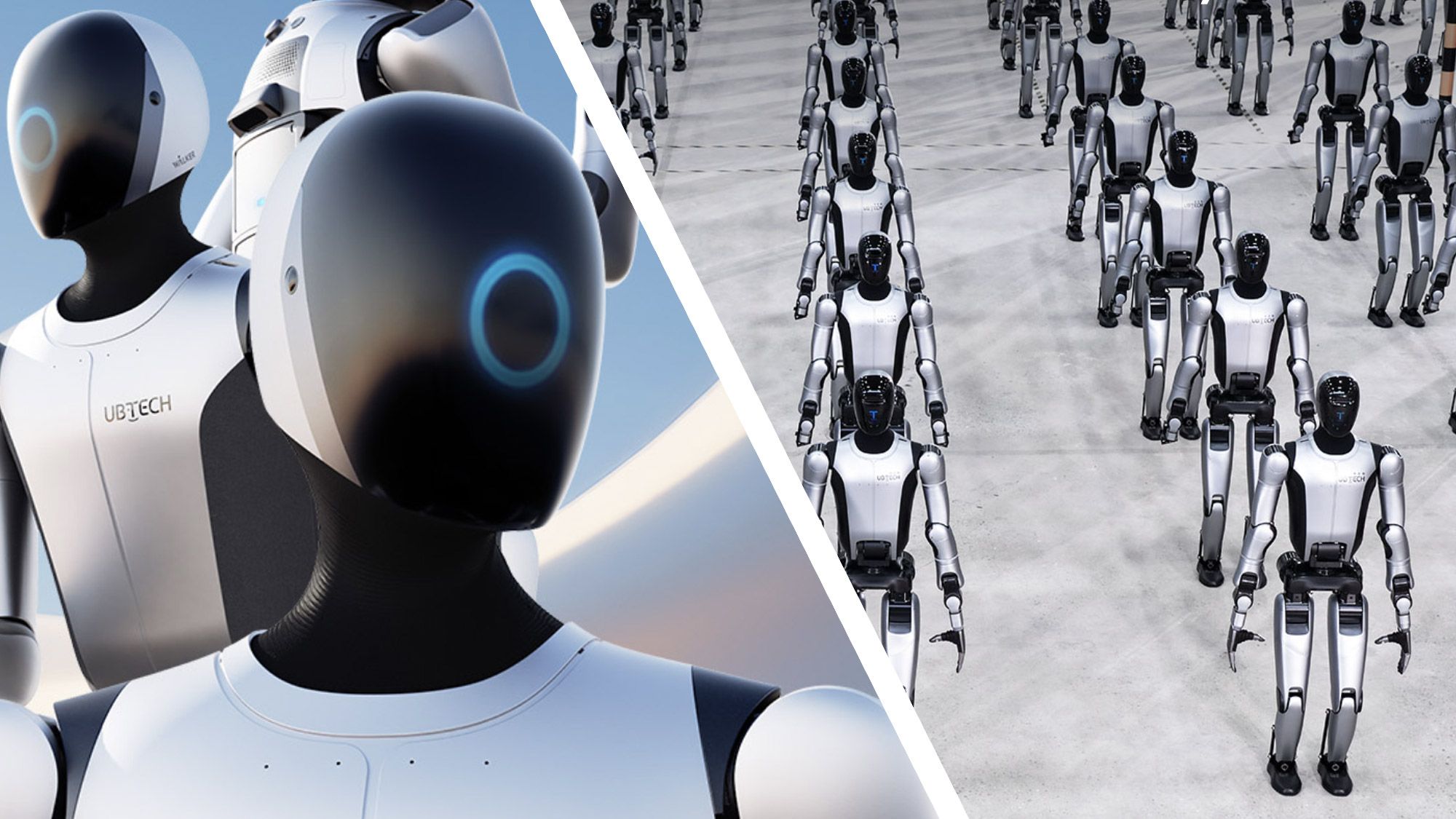 China’s UBTech opens world-first factory that builds a humanoid robot every ten minutes — 14,000 square meter plant will deliver army of 10,000 robots a year (techradar.com) – TechRadar covers the opening of UBTech's smart factory in Liuzhou, China, capable of producing 10,000 humanoid robots annually using autonomous logistics and collaborative assembly lines. Published by TechRadar.
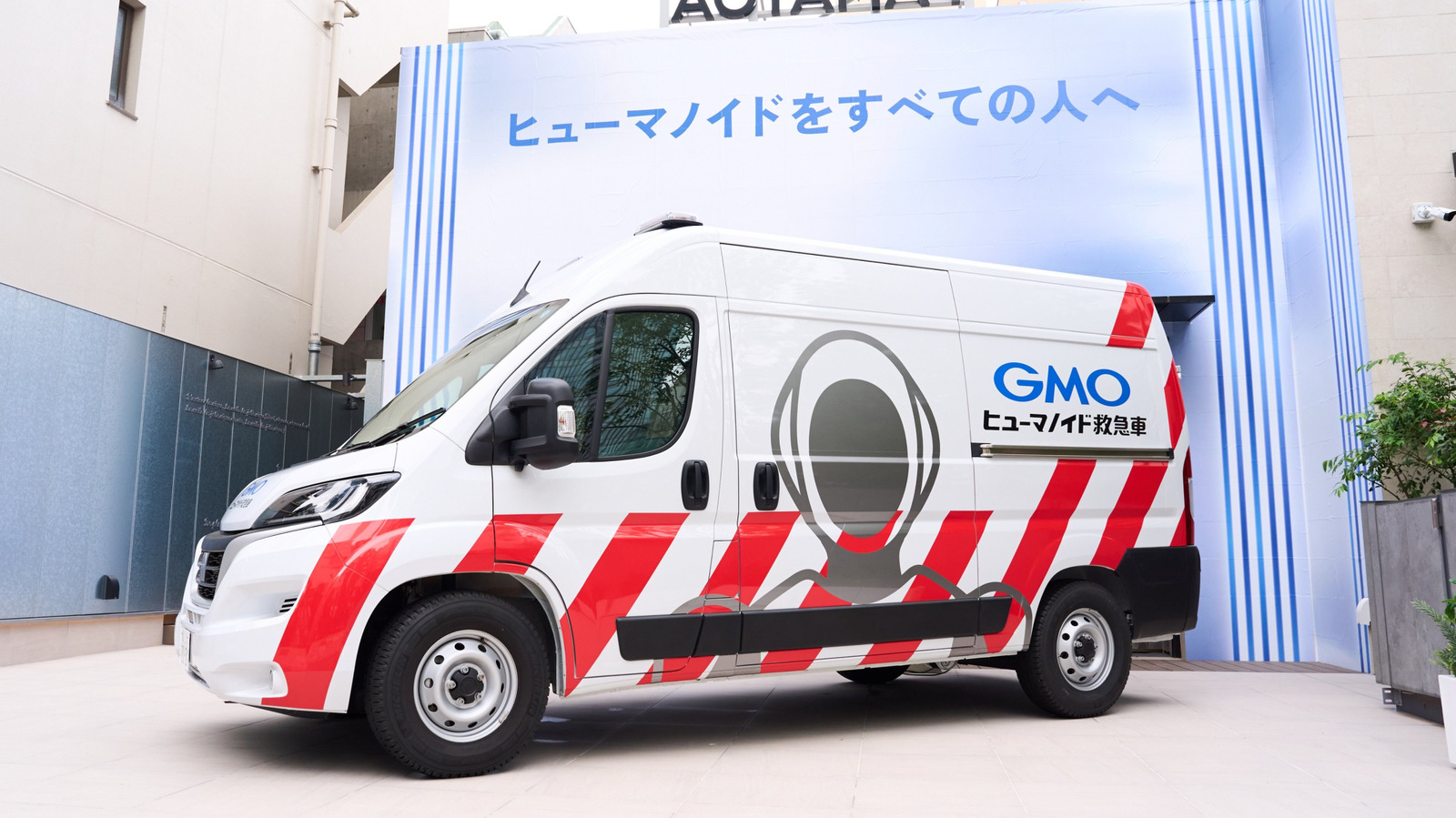 Japanese company develops a humanoid robot 'ambulance' for on-the-spot repairs (engadget.com) – Engadget briefly notes the development of specialized robotic maintenance units designed to handle on-the-spot repairs for industrial machinery. Published by Engadget.
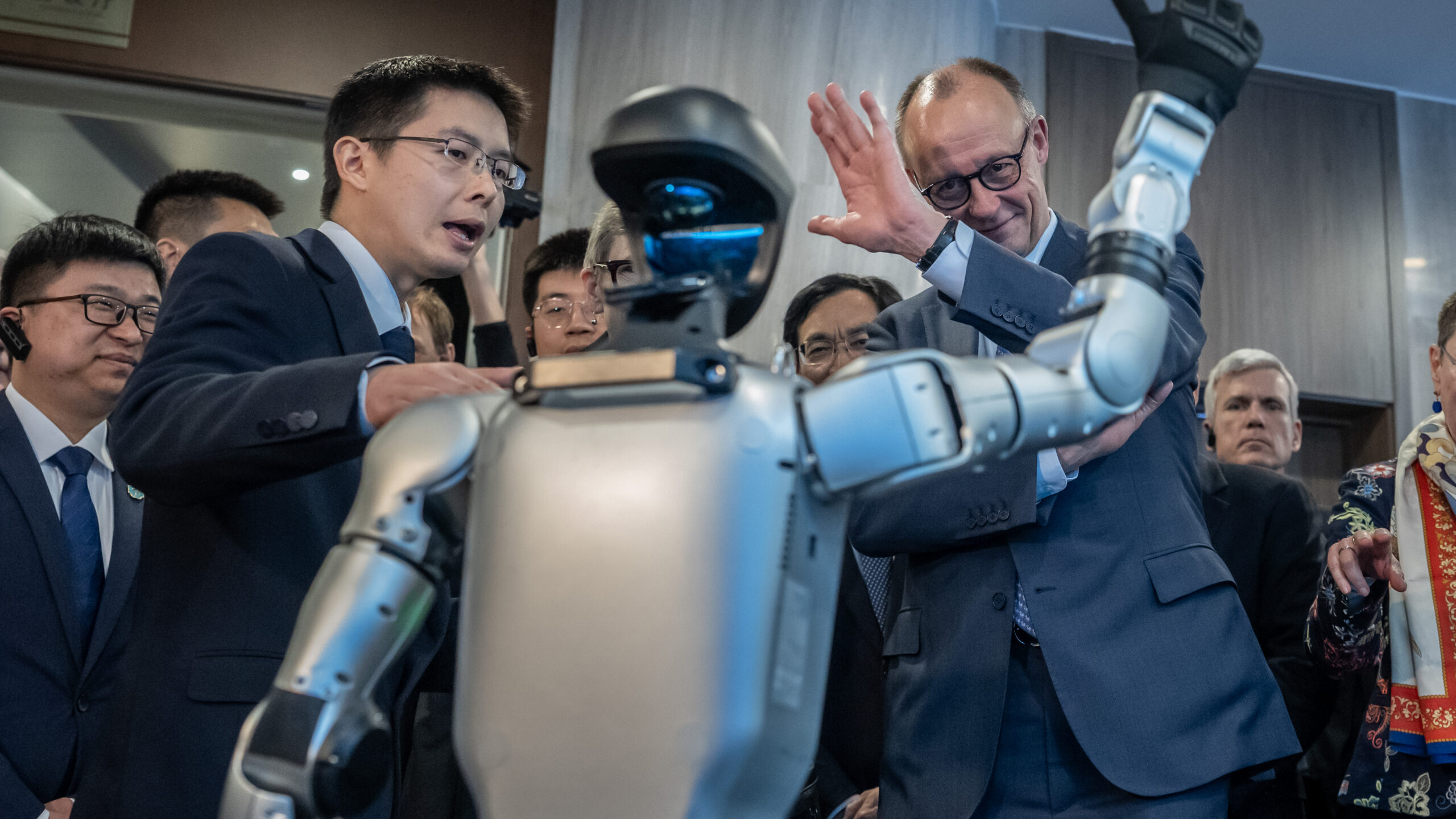 Founder’s cost-cutting obsession drove Unitree lead in cheap humanoid robots (arstechnica.com) – Ars Technica details the rise of Unitree Robotics and its founder Wang Xingxing, analyzing how extreme cost-cutting and micromanagement enabled affordable humanoid pricing at the expense of early quality control. Published by Ars Technica.
 China's UBTECH Opens Plant Making a Humanoid Robot Every 10 Minutes (en.sedaily.com) – A detailed report from Global Times and Seoul Economic Daily covering the inauguration of UBTech's Liuzhou humanoid factory, outlining its automated assembly methods, three-dimensional warehousing, and the strength of China's component supply chain. Published by Global Times and Seoul Economic Daily.
 Powered by News Ranker