
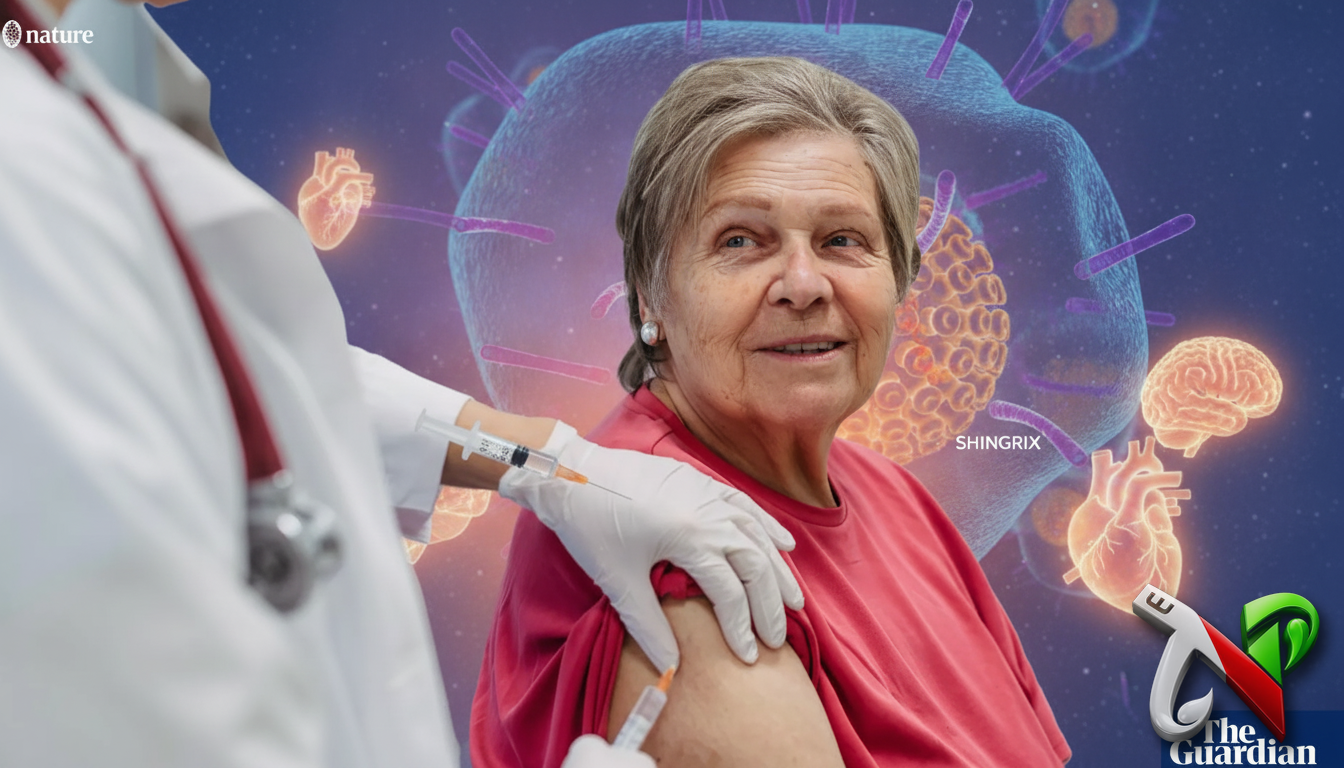
New Research Links Shingles Vaccine to Lower Heart and Brain Disease Risks
Key points
- A study of more than 70,000 older adults found that recipients of the Shingrix recombinant vaccine had a 12% lower risk of cardiovascular disease events compared to those who received an older vaccine formulation 1 2.
- Researchers utilized a natural experiment by comparing patient outcomes before and after a major policy shift in the United States, effectively eliminating the healthy-user bias seen in prior observational studies 1 2.
- Scientists suggest the cardiovascular benefit of the recombinant jab could be comparable in magnitude to taking a daily blood pressure-lowering medication 2.
- Separately, a large-scale study of more than 500,000 nursing facility residents linked the same Shingrix vaccine to a 24% lower risk of a dementia diagnosis over four years 4.
Beyond the Skin
Shingles is notoriously recognized for causing a painful, blistering rash and lingering nerve pain known as post-herpetic neuralgia, stemming from the reactivation of the dormant chickenpox virus later in life 1 2. However, recent scientific investigations are uncovering a much broader clinical footprint for the modern immunization used to combat the virus. Beyond preventing acute discomfort, researchers have increasingly suspected that the jab provides unexpected systemic advantages 1 4. Recent findings published in Nature Medicine suggest that these perks extend directly into cardiovascular and cognitive health, turning a standard preventative shot into a potential shield for both the heart and the brain 1 2.
Protecting the Heart
To measure true cardiovascular impact without the distortion of healthy-user bias, researchers turned to a massive electronic health records database to conduct a natural experiment 1 2. By comparing more than 36,000 adults who received the modern recombinant Shingrix vaccine against a matched cohort who received the older, live-attenuated Zostavax shot, the team tracked outcomes over a seven-year window 1 2. The analysis revealed that individuals given the recombinant option spent approximately 9% more time free of cardiovascular disease and showed a 12% lower risk of heart failure diagnoses 1. Furthermore, recipients experienced a notable reduction in heart attack and stroke risks during the initial years following immunization 1 2. Experts note that if these observations hold true in randomized controlled trials, the protective cardiovascular effect would rival that of standard antihypertensive medications 2.
Cognitive Defense
In a related development focusing on neurological health, researchers from Brown University and other institutions explored whether the same recombinant vaccine offers protection against cognitive decline 4. Analyzing Medicare records for more than 500,000 older adults entering skilled nursing facilities, the team discovered that patients who received Shingrix had a 24% lower risk of developing dementia over a four-year follow-up period compared to unvaccinated peers 4. This translates to roughly one potential dementia case prevented for every 17 individuals vaccinated 4. While observational studies cannot yet definitively prove direct causation, the findings align with a growing body of evidence indicating that immune stimulation through targeted vaccination may deliver profound neuroprotective benefits 3 4.
Path Forward
While the observational data provides compelling reasons for optimism, researchers emphasize that randomized clinical trials remain essential to confirm a direct causal link between the vaccine and reduced disease burden 1 2 4. Scientists are actively investigating the underlying biological mechanisms, exploring whether the vaccine works by preventing the vascular inflammation triggered by the virus itself or through broader, beneficial alterations to the human immune response 2 3. As clinical trials move forward, these discoveries point toward a future where routine adult immunizations serve as a dual-purpose tool for maintaining both physical vitality and cognitive longevity 2 4.
Primary sources
 Does the shingles vaccine cut heart disease risk? Mounting evidence suggests a link (nature.com) – This primary source reports on a study published in Nature Medicine examining electronic health records from more than 70,000 individuals to compare cardiovascular outcomes between recipients of the modern Shingrix recombinant vaccine and the older Zostavax vaccine. The authors utilized the 2017 transition between vaccines in the United States as a natural experiment to mitigate bias. Published in Nature, authored and discussed with epidemiologists and study co-authors including Maxime Taquet and Emily Rayens, August 2026.
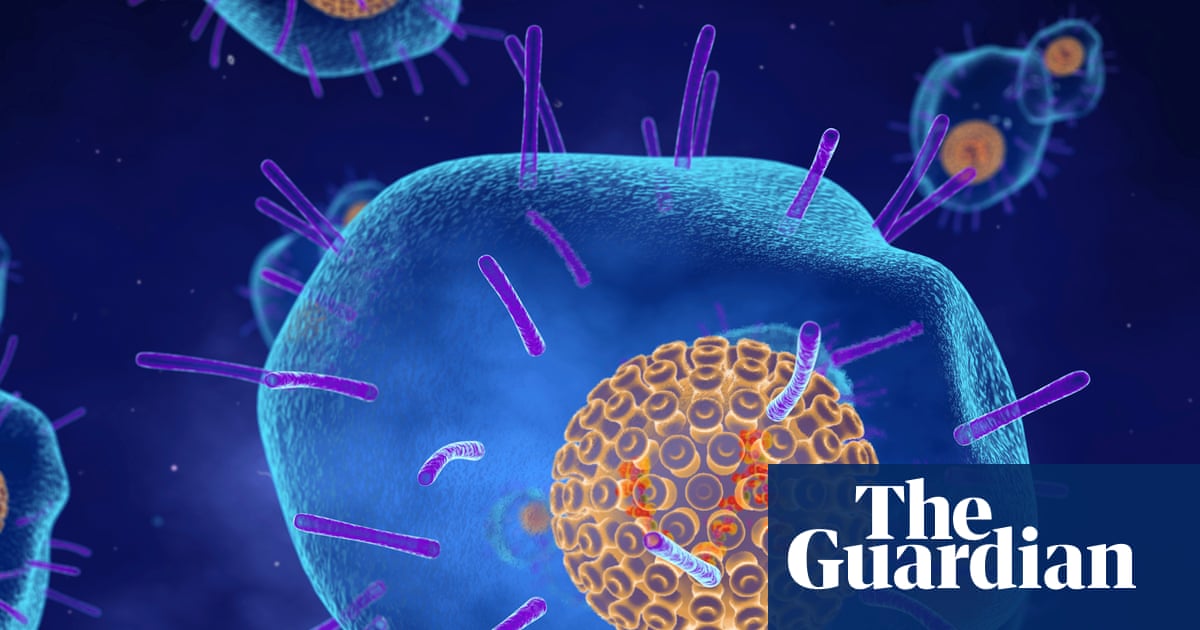 Shingles vaccine linked to lower risk of heart attack and stroke, study finds (theguardian.com) – This primary source details findings from The Guardian regarding the same Nature Medicine study on 70,000 US patients, emphasizing the potential clinical impact of the Shingrix vaccine in preventing thousands of cardiovascular events and deaths worldwide. It highlights researcher commentary comparing the protective effect to blood pressure medication and notes ongoing investigations into inflammatory protein suppression. Published by The Guardian, August 2026.
Further sources
 Shingles vaccine may lower risk of stroke and heart failure (newscientist.com) – This secondary source from New Scientist briefly outlines the study of more than 72,000 individuals showing a reduced risk of stroke and heart failure among recipients of the latest shingles vaccine, attributing the potential benefit to immune-boosting chemicals that reprogram immune cells to lower inflammation. Published by New Scientist.
 Shingles vaccine linked to 24% lower dementia risk (sciencedaily.com) – This secondary source covers a study published in the Annals of Internal Medicine led by researchers at Brown University, analyzing Medicare data from more than 500,000 older adults in skilled nursing facilities. It links the Shingrix vaccine to a 24% lower risk of a dementia diagnosis over a four-year period, utilizing target trial emulation. Published by Science Daily with research from Brown University and other institutions, August 2026.
 Powered by News Ranker