

SpaceX Reschedules Starship Flight 13 Following Last-Second Engine Abort
TL;DR
- Flight 13 was designed to test 20 production Starlink V3 satellites on a suborbital trajectory along with several technical upgrades.
- An automated system scrubbed the launch at T-zero when several Raptor engines failed to ignite properly.
- Elon Musk confirmed that two engines require replacement, with a new launch window expected in a matter of days.
- The mission incorporates new engine ignition fixes, a revised flip maneuver, and updated heat-shield experiments.
SpaceX’s ambitions for the thirteenth test flight of its massive Starship rocket hit an unexpected speed bump when a heavily anticipated launch attempt was abruptly scrubbed at the final second. As the countdown reached zero and the vehicle began its startup sequence, an automated computer safety system intervened. Clouds of smoke and vapor billowed around the pad as the engines failed to fully ignite, bringing the monumental spacecraft to a sudden halt before it could leave the ground.
Company leadership moved quickly to diagnose the issue, with founder and CEO Elon Musk noting that a couple of engines failed to start properly. To ensure maximum reliability for the next attempt, engineers will replace those specific units before trying again. The setback caused an immediate ripple effect in private market sentiment, leading to a temporary drop in company shares as investors digested the sudden postponement of the high-profile test.
Despite the eleventh-hour drama, the mission profile remains packed with critical engineering objectives designed to push the heavy-lift vehicle closer to operational maturity. Flight 13 is slated to carry 20 production Starlink V3 satellites on a suborbital path while testing crucial hardware updates. These include revised engine ignition protocols, a refined mid-air hot-staging separation maneuver, and fresh heat-shield experiments aimed at protecting the spacecraft during atmospheric re-entry.
SpaceX teams are already working around the clock to turnaround the launch vehicle, with secondary targets pointing toward a rescheduled flight attempt in the coming days. In the fast-moving world of aerospace development, such automated aborts are viewed as a necessary feature of a rigorous testing philosophy that prioritizes safety and data gathering over arbitrary launch dates. As engineers wrap up their fixes, all eyes remain fixed on the Texas launch site for the next window.
Sources
 SpaceX sets new Starship launch target (techinasia.com) – Tech in Asia emphasizes that Flight 13 is scheduled to carry a payload of 20 production Starlink V3 satellites on a suborbital trajectory.
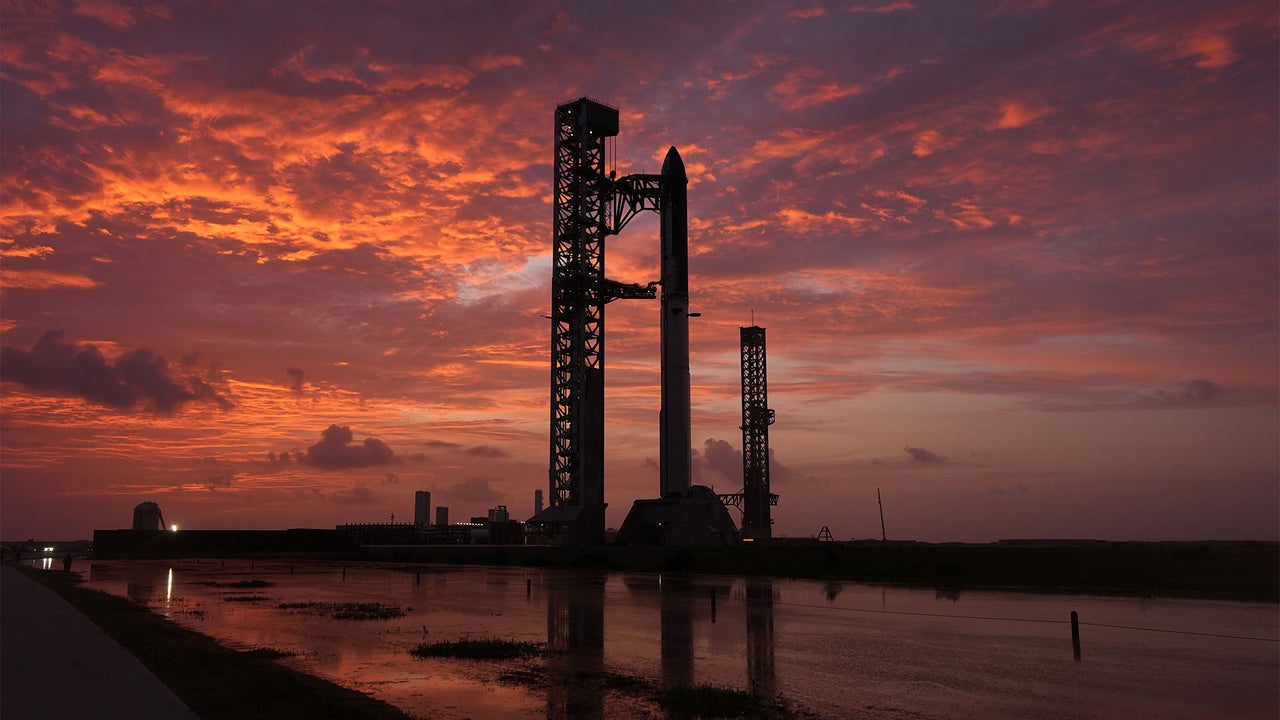 Musk’s SpaceX Starship launch suddenly aborted in what would have been its 13th flight (fastcompany.com) – Fast Company details how the launch was halted at the absolute final second due to an engine ignition failure amidst billowing clouds of vapor.
- SpaceX’s Shares Tank After Starship Fails to Launch (futurism.com) – Futurism highlights that the sudden launch scrub was triggered by an automated onboard computer system, which also resulted in a dip in SpaceX shares.
- SpaceX is about to launch Starship again. Heres whats new. (mashable.com) – Mashable outlines the specific technical upgrades being tested on this flight, including engine fixes, a revised flip maneuver, and heat-shield experiments.
- SpaceX’s latest Starship launch attempt ends in a scrub (scientificamerican.com) – Scientific American frames the event as a dramatic last-second scrub that ended the flight test before it could properly begin.
- Watch SpaceX’s Starship Flight 13 launch tonight (scientificamerican.com) – Scientific American also notes that the mission builds upon previous flight profiles to further validate the megarocket's capabilities.
