
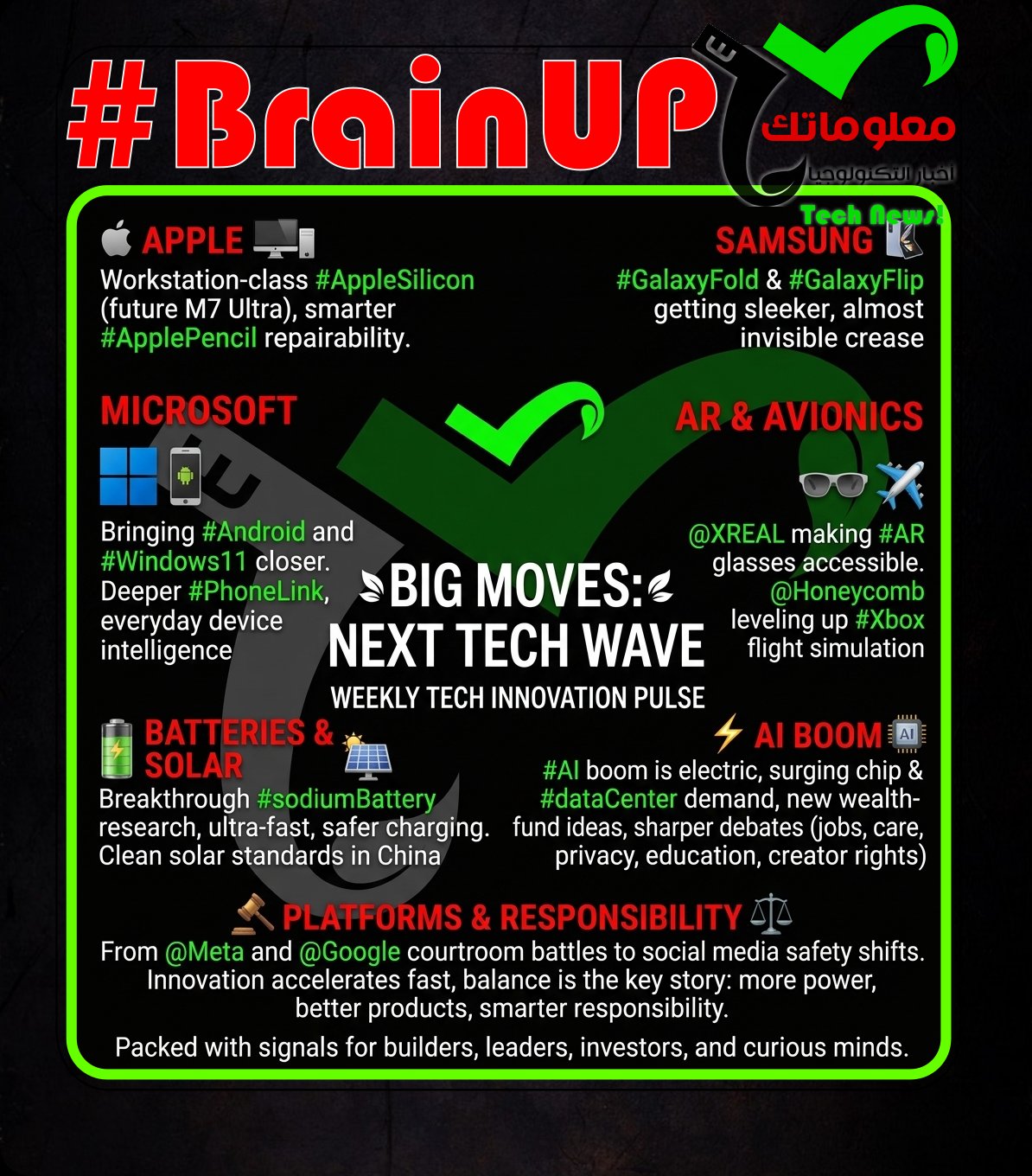
#BrainUp Daily Tech News – (Monday, July 13ᵗʰ)
Welcome to today’s curated collection of interesting links and insights for 2026/07/13. Our Hand-picked, AI-optimized system has processed and summarized 26 articles from all over the internet to bring you the latest technology news.
As previously aired🔴LIVE on Clubhouse, Chatter Social, Instagram, Twitch, X, YouTube, and TikTok.
Also available as a #Podcast on Apple 📻, Spotify🛜, Anghami, and Amazon🎧 or anywhere else you listen to podcasts.
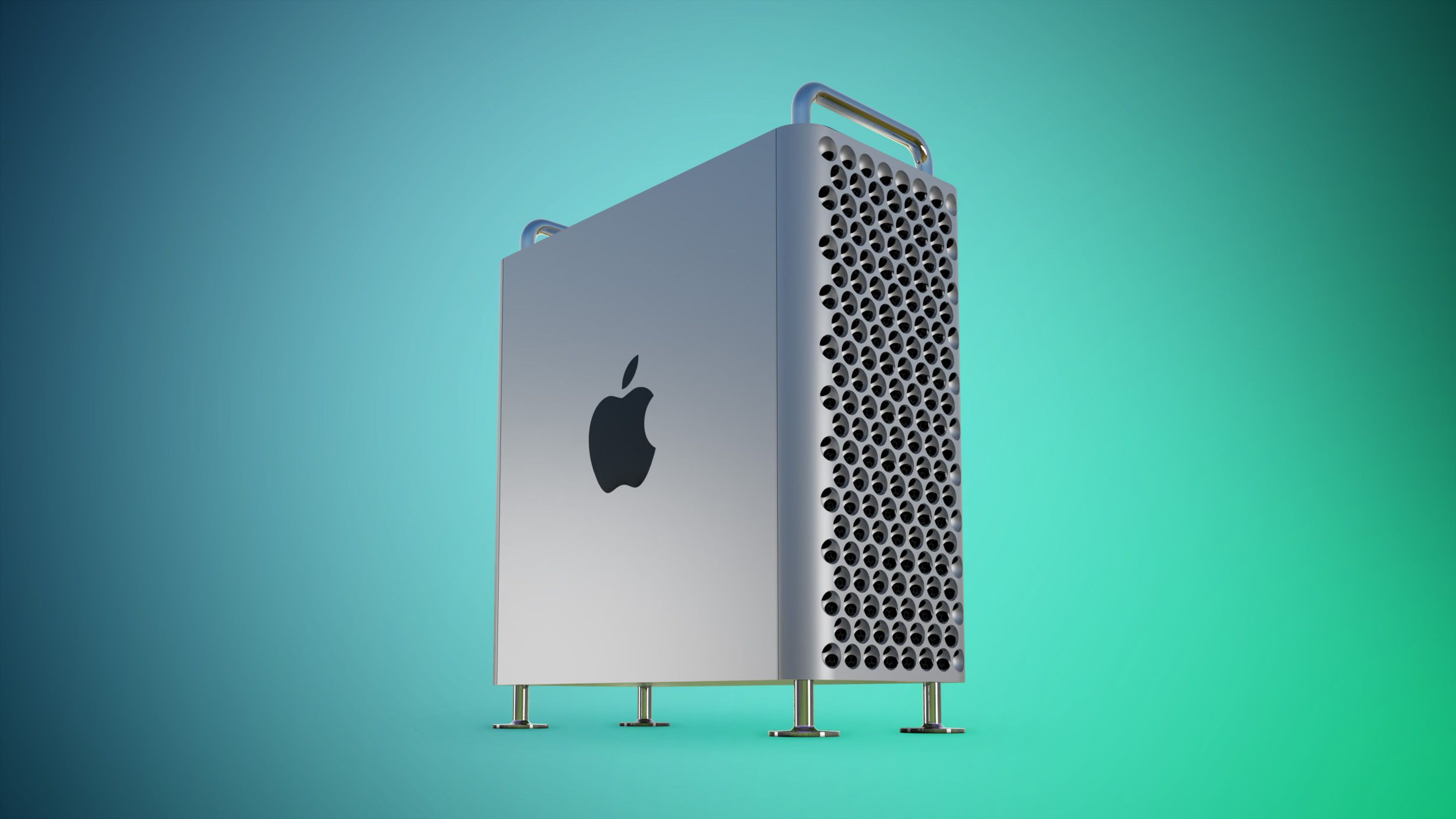
1. Apple’s M7 Ultra Chip Designed to Match a 2019 Mac Pro Feat
Apple’s M7 Ultra chip, expected in 2028, is designed to support up to 1.5TB of #unified memory. @Mark Gurman reports that whether Apple actually offers a 1.5TB configuration could depend on the ongoing #memory chip shortage. The planned limit would match a notable capability from the 2019 Intel based Mac Pro, which could be configured with up to 1.5TB of RAM. This suggests Apple is aiming for workstation class memory ceilings in its future Apple silicon designs, but product availability may be constrained by supply conditions. The report ties the M7 Ultra’s design target directly to the 2019 Mac Pro’s maximum memory configuration.

2. Special Microsoft Flight Simulator controller is coming to Xbox
Honeycomb is preparing a console-focused version of its Echo Aviation Controller, the Echo Aviation Controller XPC, aimed at #Xbox Series X|S flight sim players. Like the existing PC model, it is a compact 3-in-1 controller that combines rudder, throttle, and a control unit to avoid a more complex separate-hardware setup, and it requires no clamps. The article notes that the current Echo works well overall on PC and Mac, with straightforward setup in Laminar Research’s X-Plane 12 but some rudder configuration issues, while setup in @Microsoft Flight Simulator is difficult due to Microsoft’s interface rather than the hardware. For Xbox, the availability of control profiles is highlighted as a key factor, with Honeycomb currently offering a downloadable profile and hope that Microsoft will add profiles for the XPC via an update. The Echo Aviation Controller XPC is scheduled for launch in fall 2026 with no price announced yet, and the PC/Mac version is currently hard to find, though Honeycomb says it will return and offers email notifications instead of preorders.

3. Leaked Samsung Galaxy Z Fold 8 Ultra footage shows off a crease you can barely see
Leaked footage of a working Samsung Galaxy Z Fold 8 Ultra suggests Samsung has nearly eliminated the foldable display crease, making the inner screen appear almost perfectly flat. The video, shared by a reliable supply chain-linked insider and showing playback plus folding and unfolding from multiple angles, reportedly reveals a super slim device with a much shallower center crease than the Galaxy Z Fold 7. The crease is described as barely noticeable and only visible at certain angles under bright, direct light, indicating Samsung has further refined its already slimmer, sleeker Fold 7 design to address a key customer complaint. The article says the Ultra keeps a familiar, proven layout similar to the Fold 7, while the standard Galaxy Z Fold 8 is expected to be a new wide-folding form factor, which may carry first-generation risk and uncertain market acceptance. Based on that, the author argues the Galaxy Z Fold 8 Ultra is the safer foldable flagship choice this year, while noting future leaps like bigger batteries or invisible under-display cameras could define the next generation.
 "#BrainUp Daily Tech News - (Monday, July 13ᵗʰ) 5")
4. Apple plans new Apple pencils, expands iPhone tap to pay in stores: Report
@Apple is reportedly preparing new Apple Pencil models with improved repairability and is expanding #TapToPay usage in its retail stores by replacing dedicated payment terminals with iPhones. Bloomberg’s Power On newsletter by @MarkGurman says Apple plans to launch a new lineup of styluses alongside next-generation iPad Pro models in the first half of next year, including two variants, B582 (an updated entry-level Apple Pencil) and B632 (a refreshed Apple Pencil Pro first introduced with the M4 iPad Pro in 2024). The redesign is said to support European Union #repairability requirements by making the batteries more easily replaceable, unlike current pencils that are glued together and difficult to repair. In stores, Apple has been transitioning away from its customised Isaac terminals to standard iPhones, and after iPhone 14 Tap to Pay issues with some metal credit cards, the report says those problems are resolved on iPhone 16. As more employees receive iPhone 16 devices, customers are expected to complete purchases by tapping cards directly on the phone without external card readers.
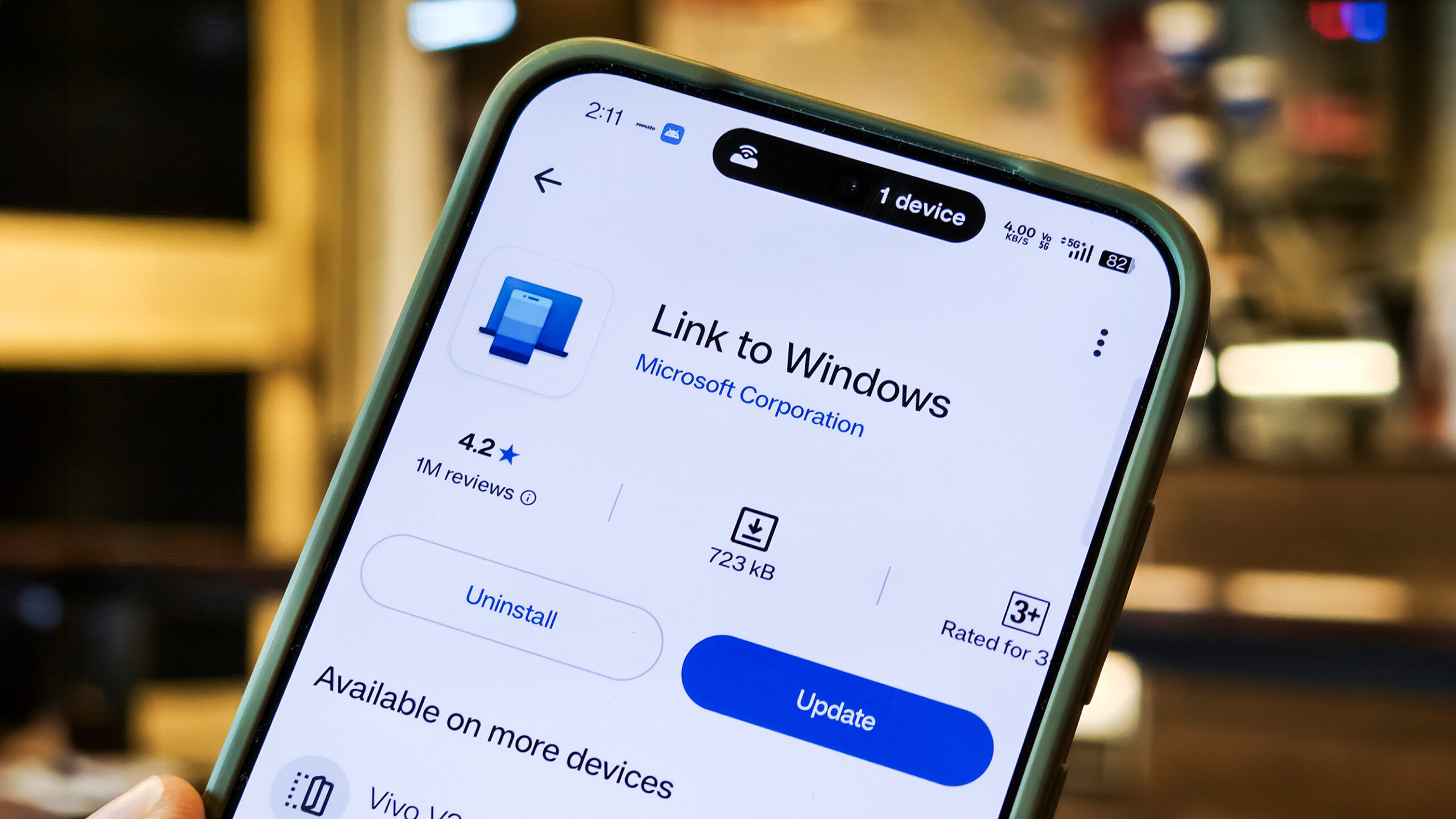
5. Microsoft may make big changes to bring Android and Windows 11 closer together
@Microsoft is reportedly planning deeper #Android integration in #Windows11 by expanding and making #PhoneLink feel more native across the OS. According to Windows Central, proposed upgrades include enhancing the Start menu Phone Companion to show more recent activities with hover previews so users can view details like full messages without opening Phone Link. Another prototype adds a dedicated smartphone taskbar icon that opens a flyout showing phone status and quick toggles such as do not disturb, vibrate mode, and find phone, plus drag and drop file transfer to the phone icon. The company is also said to be improving #clipboard syncing so the entire clipboard history, not just the latest item, can sync between phone and PC, and creating a standalone #Messages app that can be pinned and accessed from Start. These features are described as internal prototypes that may change and are likely to be tested with feedback from the Insider community before any release.
6. XREAL’s Budget AR Glasses Price and Release Date Announced
XREAL has announced the price and release date of its new affordable AR glasses, aiming to expand access to mixed reality technology. The glasses are priced competitively at $499, making them one of the more budget-friendly options in the AR market, with availability expected later this year. Featuring integrated cameras and sensors, the glasses support various augmented reality applications, appealing to both consumers and developers. This move by XREAL suggests a push to make AR experiences more mainstream and accessible, contrasting with earlier costly models targeted mainly at niche markets. By delivering a lower-priced option with solid capabilities, XREAL could significantly influence the adoption rate of AR glasses.

7. Majority of U.S. workers support an AI wealth fund as tech layoffs surge, survey finds
A majority of Americans favor using an #AI #sovereign_wealth_fund to hold AI corporations more accountable and distribute AI-driven gains to the public amid anxiety over tech layoffs. A June poll of 1,690 adults by Verasight found 69% support forcing AI firms to transfer 50% of their stock into a public fund, aligning with @Bernie_Sanders’s proposed American AI Sovereign Wealth Fund Act that would give the public a 50% stake in the largest U.S. AI companies. The article links this sentiment to growing frustration over job security as firms increase AI investment, alongside a @Goldman_Sachs estimate that more than 9% of the labor force, about 15 million workers, could be displaced over a 10-year AI transition, though those losses are expected to be temporary as new jobs emerge. It also notes such funds could finance national AI infrastructure and capture equity gains for public benefit, but face a tension between maximizing returns and pursuing strategic national AI capacity, especially when foreign AI investments offer better financial outcomes. Overall, the survey results and policy proposal reflect public demand for broader sharing of AI benefits during a disruptive labor-market shift.

AI and data center executives told CNBC that #AI compute demand remains very strong despite recent volatility in AI related chip and infrastructure stocks, and they said they are not seeing broad #overcapacity in the buildout. @Pat Gelsinger called AI demand “almost unlimited,” arguing that the economic value of more intelligence spans virtually every industry, with energy availability as a key constraint, while acknowledging that enterprises are scrutinizing costs and returns more closely. Market swings were fueled in part by news that @Meta and @Elon Musk’s xAI have sold or rented excess AI computing capacity, plus investor questions after #Samsung forecast a large profit rise but its stock fell following a big run. Executives including Marc Boroditsky of Nebius and @Andrew Feldman of Cerebras said industry wide demand still far exceeds available capacity, citing shortages in data centers and other inputs, and Rebellions’ CEO echoed that hyperscalers’ spending is not necessarily signaling overinvestment. Overall, they framed the stock volatility and isolated capacity sales as not changing the underlying strength of #AI infrastructure demand, even as customers push harder on value and ROI.
9. Floating robots aim to safely and gently interact with humans
Floating robots represent a new wave of robotics designed for safe and friendly interaction with humans. Unlike traditional robots that walk or roll, these robots hover and float, using soft materials and gentle movements to minimize the risk of injury. Research teams have developed various prototypes demonstrating the robots’ ability to assist in healthcare, service, and home environments by navigating around people delicately. The innovation lies in the combination of advanced sensors, propeller mechanisms, and artificial intelligence that enable these robots to perceive and adapt to human presence dynamically. As these floating robots advance, they hold potential to redefine human-robot interaction by prioritizing safety and comfort, making technology more accessible and less intimidating.
10. More tech workers are retiring early due to stress and job dissatisfaction
An increasing number of tech workers are opting for early retirement, driven by stress and job dissatisfaction linked to the demanding nature of the industry. Reports indicate that the fast-paced environment, coupled with constant pressure to update skills and meet high expectations, is causing burnout among employees. This trend affects younger workers more significantly, who are reassessing their career priorities and seeking better work-life balance outside the tech sector. The rise in early retirements may exacerbate existing talent shortages and challenge companies to improve workplace conditions. As the technology industry continues evolving rapidly, firms must address employee well-being to retain skilled professionals and maintain competitiveness.
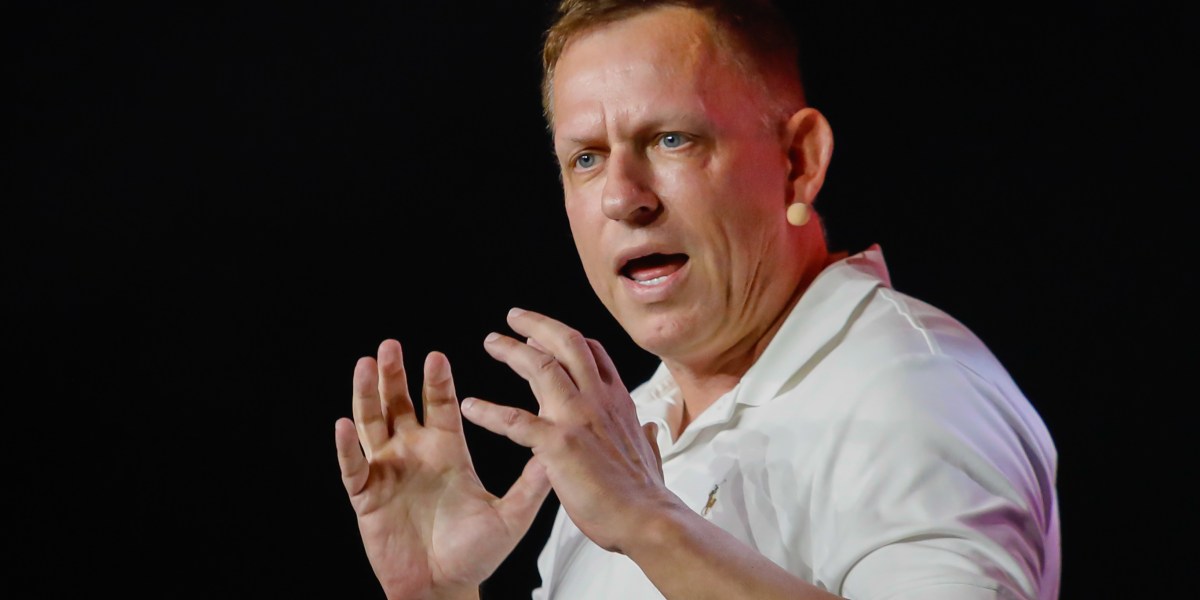
Many tech billionaires who helped build today’s screen-heavy world publicly restrict their own children’s access to #screens, #smartphones, and #socialmedia, especially #shortFormVideo. @Steve Jobs said in 2010 that his kids had never used an iPad and that technology use was limited at home, and more recently @Peter Thiel said at the 2024 Aspen Ideas Festival he allows his two young children only 1.5 hours of screen time per week; @Bill Gates said his children did not get smartphones until age 14 and phones were banned at the dinner table, @Evan Spiegel reported the same 1.5-hours-per-week limit, and @Elon Musk said it might have been a mistake not to set rules on social media for his children. The article cites the American Academy of Child and Adolescent Psychiatry estimate that U.S. children ages 8 to 18 spend 7.5 hours per day on screens, and includes @Steve Chen’s view that short content may shorten attention spans, suggesting videos longer than 15 minutes. It also references a 2025 study of nearly 100,000 people linking short-form video use with poorer cognition and declines in aspects of mental health, aligning with these leaders’ restrictive parenting choices. As backlash grows, some governments are moving to restrict minors’ social media use, with Australia and Malaysia banning social media for those under 16 and other countries considering similar laws, though early enforcement effectiveness is questioned.

12. IT admins feel overwhelmingly “sick of” Microsoft and Windows 11 “garbage” apps, products
Some IT admins and professionals are increasingly frustrated with @Microsoft, citing Windows 11 changes, bundled “garbage” apps, and unreliable product behavior that hurts real-world enterprise workflows. Reddit posts highlighted issues such as a reportedly buggy security patch breaking authentication for #Microsoft365 apps in #RDS environments, complaints that @Copilot is being pushed while core problems remain, and criticism of #MicrosoftGraph #PowerShell cmdlets as wrappers around the Graph API that require JSON parameters and reflect time and budget compromises. Another admin vented about daily struggles managing #WindowsApps and #Appx-style deployment in enterprises, calling the #MicrosoftStore and its app model poorly suited for sysadmin realities. The article notes these complaints were overwhelmingly upvoted in the sysadmin subreddit, suggesting they resonated broadly even if not universally. Overall, the examples are presented as signs that some admins feel Microsoft’s priorities and design decisions are worsening the enterprise user experience.
13. New sodium metal battery design charges in just 4 minutes and retains its capacity for years
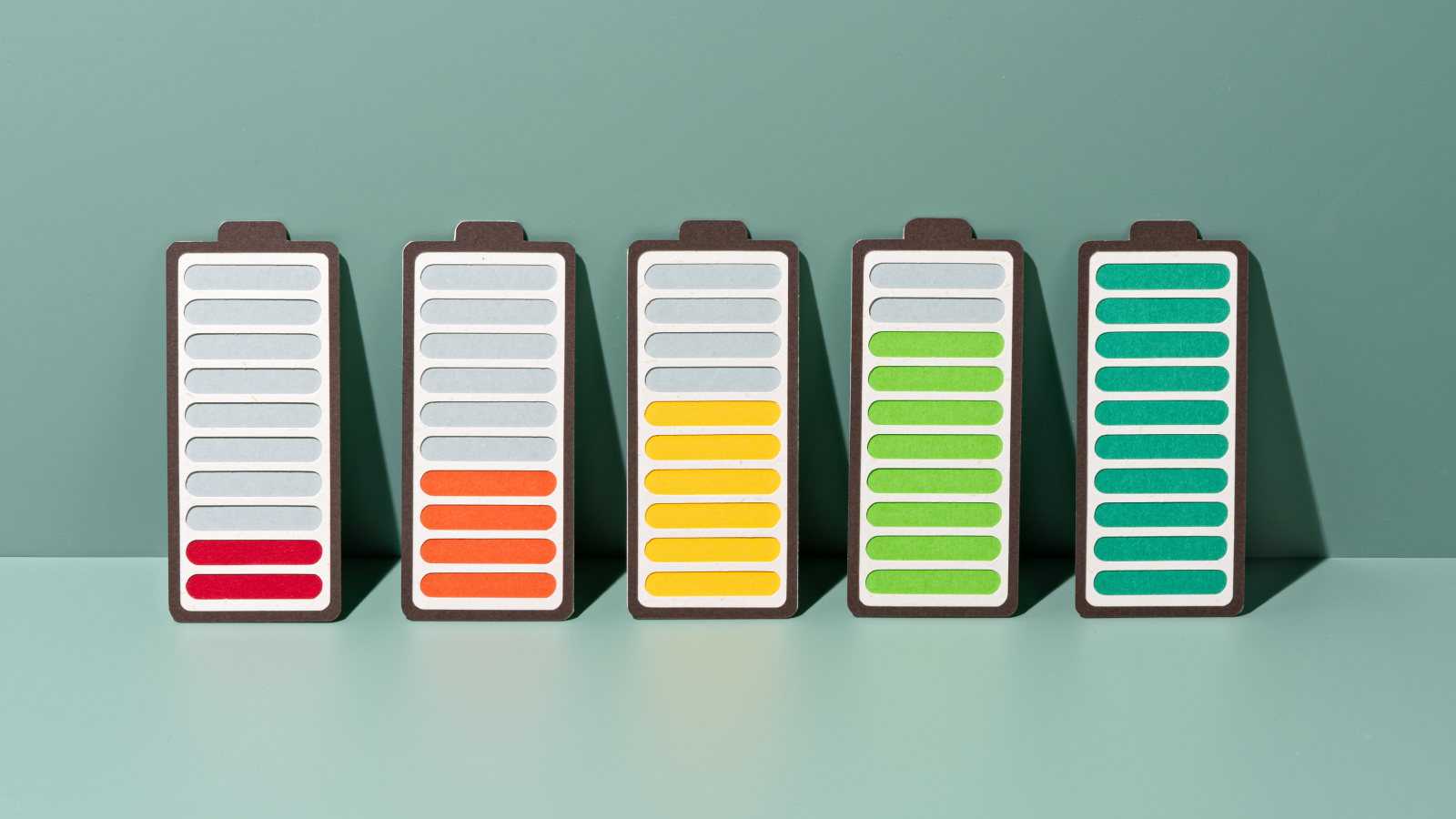
Chinese researchers report a new #sodium metal battery design that aims to deliver safer, ultrafast charging while maintaining capacity for years, positioning it as a potential cheaper alternative to #lithium-ion batteries. The key hurdle for sodium metal batteries is #dendrite formation, where sodium deposits grow into spikes that can bridge the anode and cathode and short-circuit the cell, a problem linked to cracking in the anode’s #SEI layer. In a study published May 21 in Nano-Micro Letters, the team says a tough, quasi-solid gel electrolyte called #Sn-FB QSE provides a semisolid structure that resists punctures and suppresses dendrites, enabling more stable cycling. They report operating the battery for over 6,000 hours without dendrite short-circuiting, achieving a 0 to 100% charge in 4 minutes with 80.1 mAh g−1, and at a 20-minute charge rate retaining 90% capacity over 2,000 cycles, which they say matches theoretical #Li-ion limits and improves safety and cost. The results are framed against #EV charging constraints, where very fast charging often requires specialized high-power infrastructure, while most devices still rely on Li-ion despite cost and material sourcing challenges.

@Scott McNealy of @Sun Microsystems dismissed privacy worries about the newly launched #Jini platform by telling reporters, “You have zero privacy anyway. Get over it,” framing the debate as inevitable in an increasingly connected world. #Jini was an ambitious early #smartHome and office vision, a network architecture meant to let devices communicate and share resources automatically without configuration, drivers, or human intervention, but it ultimately failed to gain traction due to major hardware hurdles. The design required devices to continuously upload data and lease network space, creating a large digital footprint that triggered immediate backlash from privacy advocates, including @Lori Fena of the @Electronic Frontier Foundation, who called the remarks “completely irresponsible.” The article argues McNealy’s provocation nonetheless foreshadowed a broader industry shift toward large-scale data collection used to build profiles for advertising and marketing, and it cites cases like the #CambridgeAnalytica scandal where data was used for political advertising. It connects that trajectory to today’s landscape of web-scraping #generativeAI, pervasive #IoT deployments, and arguments that #surveillanceCapitalism has become normalized, with consumers often expected to accept ongoing data monetization.
15. Journalist Alarmed When He’s Fired, But Company Keeps Posting AI Slop Under His Name
Freelance writer Ben Touati said that after he was fired by ClickOut Media, the company continued publishing new articles under his byline that he described as obvious #AI-generated “slop,” which he called a “slap in the face.” He told Press Gazette the posts began days after his dismissal from ClickOut’s German operation, and ClickOut responded only by broadly defending #AI-assisted content as being used with human checks while it “evolves” its AI agents for accuracy. Touati also described internal pressure to rely on #AI, including guidance on creating and “humanize” AI-written articles, before he was later told he was being let go amid claims of reduced work and an Esports Insider de-indexing by @Google. He ultimately used the EU’s #GDPR to file a claim alleging misuse of his personal information, after which ClickOut removed his byline and the same articles appeared under another writer’s name. The episode is presented alongside prior controversies at ClickOut outlets, including claims of fake AI authors and AI-generated profile photos.

Ireland’s #dataCenters used 23% of the country’s electricity in 2025, nearly matching residential use at 28%, according to the Central Statistics Office. Consumption reached 7,663 GWh in 2025, up 10% from 6,973 GWh in 2024, while the rest of the country’s electricity use rose 2%, and over a decade the data center share grew from 5% in 2015 to the 2025 level. Newly compiled quarterly figures show a rise from 291 GWh in Q1 2015 to 1,991 GWh by Q4 2025, a 584% increase, reflecting rapid growth tied to global #AI and cloud expansion. Ireland hosts about 89 data centers, mainly around Greater Dublin, with major hyperscalers such as @Microsoft, @AWS, @Google, and @Meta, and their power demand has fueled concerns about local impacts and electricity bills. Even after the #CRU issued a 2021 emergency direction that effectively paused new grid connections in Dublin unless developers brought on-site generation or moved to unconstrained regions, consumption kept rising, aligning with the International Energy Agency’s 2024 projection that data centers could reach one third of national electricity use by 2026; the article notes the moratorium has since been replaced by a new #LargeEnergyUsers connection policy.
17. Windows 11 Copilot now tells you what’s slowing down your PC, while using 1GB RAM itself
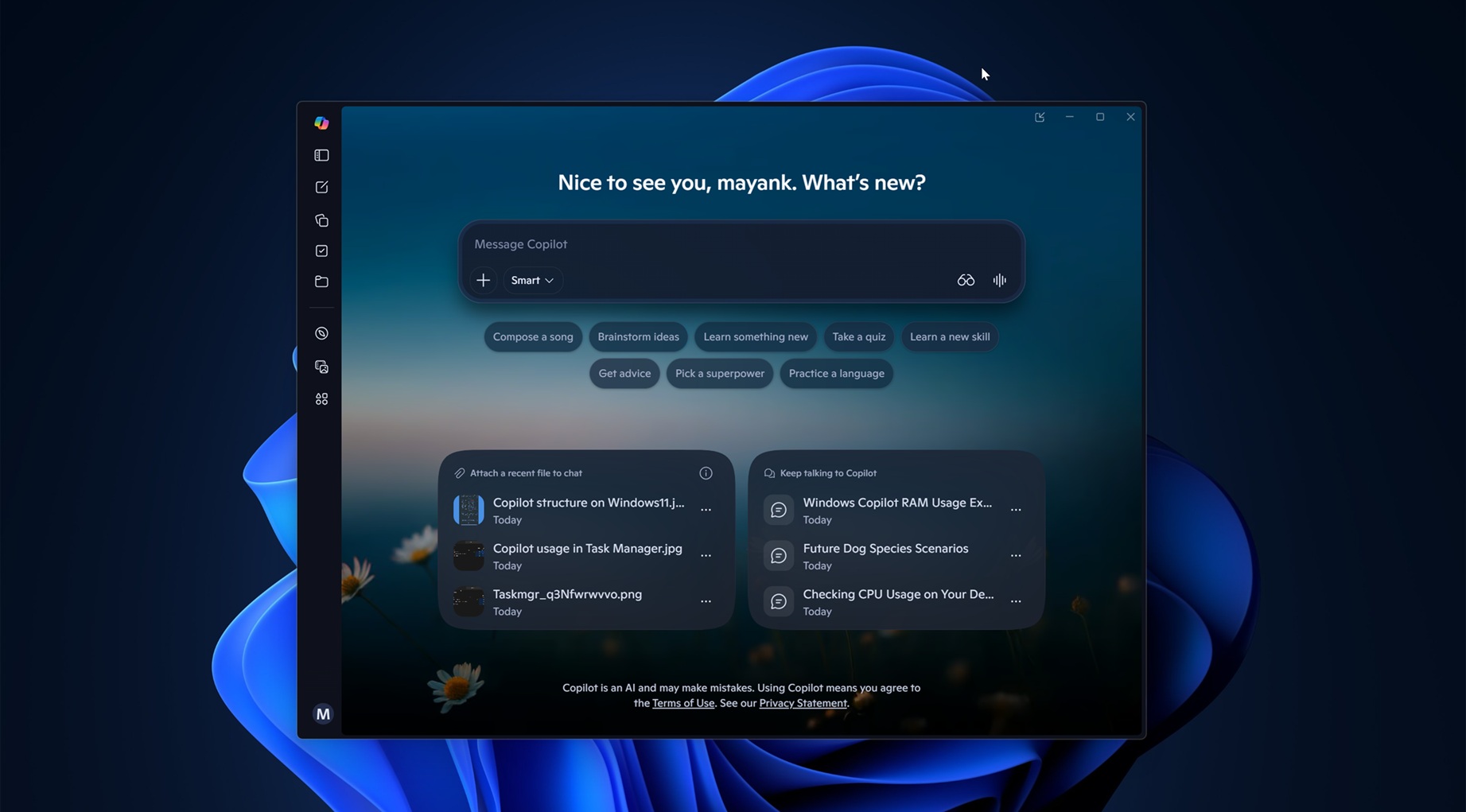
Microsoft is testing an optional #PCInsights feature in #Windows11 #Copilot that lets the AI explain what is slowing down a PC by reading current system state, even as Copilot itself can use up to about 1GB of RAM because it ships as a web app with a private copy of #MicrosoftEdge and may appear as “Browser” in Task Manager. Windows Latest found references to PC Insights in Copilot’s codebase and cites a support document, noting the feature is not widely available yet and is rolling out slowly in the United States. With user permission, Copilot can tap Windows APIs to interpret CPU, RAM, and GPU usage, storage capacity and free space, folder and file sizes, connected USB devices and peripherals, network status (Bluetooth and Wi-Fi), plus battery health, antivirus status, system specs, and BIOS information, but it cannot read individual file contents without explicit access. The feature is positioned as a simpler alternative to manually checking Task Manager, Settings, or File Explorer, for example answering how much storage is free and whether a game like GTA V will fit, then suggesting cleanup if space is insufficient. Overall, #PCInsights aims to provide contextual, plain-language troubleshooting and capacity guidance based on the device’s live metrics rather than assumptions.

18. University of Chicago Law bans electronics in first-year law classes to combat AI
The University of Chicago Law School announced it will ban electronics in class for its first-year law students to counter the use of #artificial intelligence. The report says the ban was adopted amid growing ambivalence toward #AI in many facets of society. The decision frames limiting in-class device use as a practical step to reduce reliance on #AI during first-year instruction. The article provides no additional details about how the policy will be enforced or whether exceptions will apply.
19. Kaiser nurses say technology is making their jobs — and patient care — worse
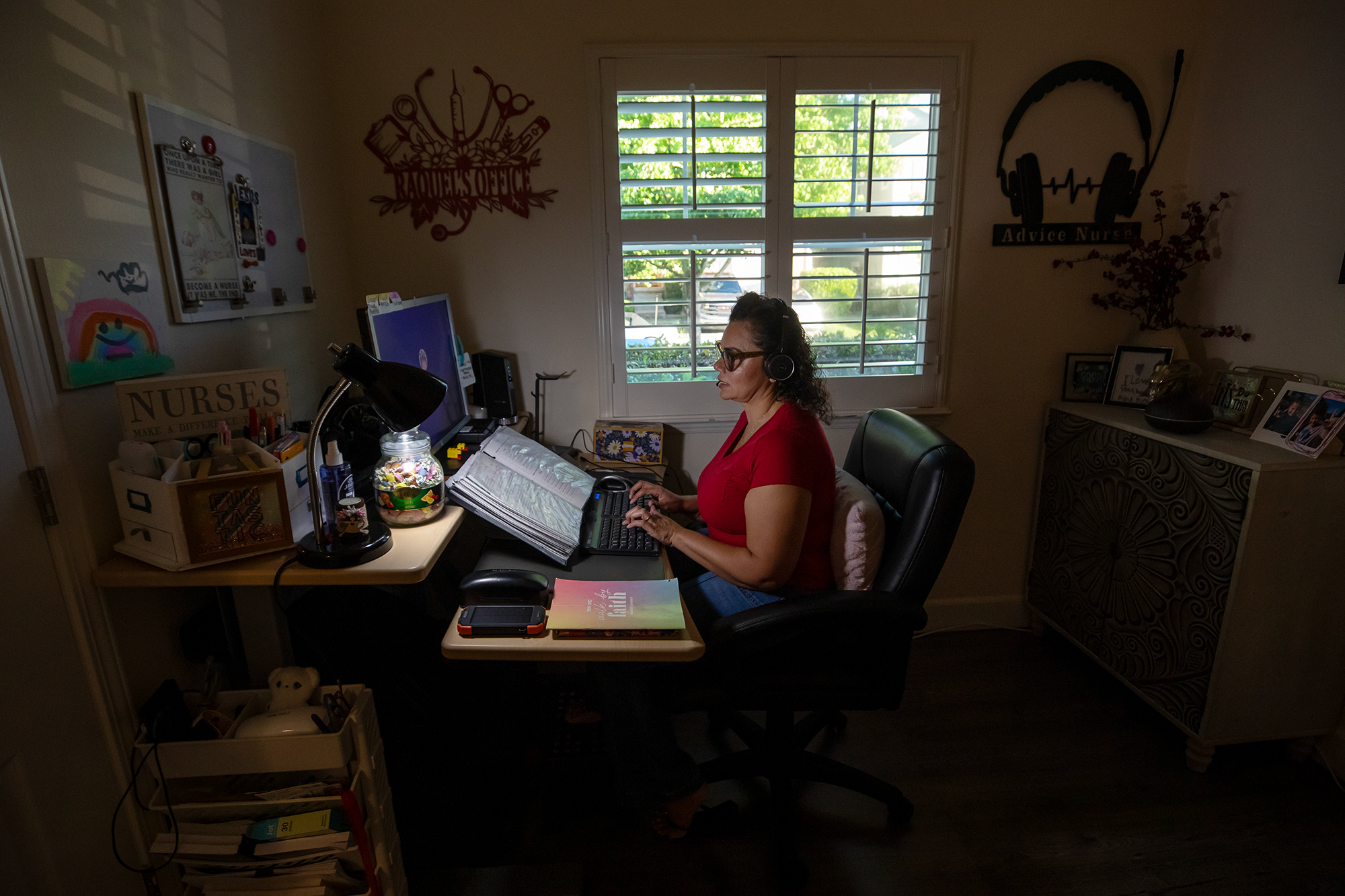
Kaiser Permanente call center nurses say #workplace surveillance and #AI systems are pushing them to prioritize speed and cost savings over patient safety and compassionate care. Seven current and former nurses told CalMatters that calls longer than about 15 minutes can trigger criticism or performance evaluation meetings, with call time affecting monthly performance scores, while software attempts to predict daily “unproductive” behavior and AI tools rate empathy and tone. They described cases such as a more than hourlong call with a suicidal patient and a call with an elderly woman newly diagnosed with terminal cancer, where fear of being penalized discouraged taking extra time to comfort patients. The nurses and their union, the #CaliforniaNursesAssociation, are negotiating a new contract with AI likely to be a major issue, after a one day strike in March and pickets last fall, as California lawmakers consider bills to regulate workplace AI and protect clinicians who override automated recommendations. Kaiser defended its approach, saying it uses AI with patient safety in mind and does not use “average handle time” to assess performance, but nurses argue the pressure still risks worse care and can push staff to quit or retire early.

Research from the University of Auckland argues that #generativeAI adoption is accelerating a “silent #knowledge reset” as high-skill contributors leave communities like Stack Overflow because their expertise feels less rewarded when AI can deliver similar solutions faster. Stack Overflow has reportedly seen an almost 76% decline in monthly questions since #ChatGPT arrived in 2022, and despite a post-ChatGPT #generativeAI ban, the platform has also lost answerers who may be hard to replace. The article says Stack Overflow’s decline is multi-factor, including perceived hubris and heavy-handed moderation, but AI tools becoming a pliable alternative that doubles as a search engine for routine queries reduced both questions and participation. Study publisher Dr Kenny Ching describes “#signalCompression,” where expert and non-expert outputs become harder to distinguish, potentially discouraging subject-matter experts from contributing not only in coding forums but also in classrooms, workplaces, and research communities. It raises the concern that if AI systems were trained on user-contributed knowledge that is now shrinking, future models may need to seek training data from other venues like Slack or Discord, or from users asking AI the same questions they once posted publicly.
China has introduced a mandatory efficiency rule to eliminate inefficient solar panels, marking a significant shift in the photovoltaic (PV) market and signaling the end of ultra-cheap price wars. This regulation mandates a minimum standard for solar panel efficiency, compelling manufacturers to improve product quality or exit the market. The policy aims to enhance the sustainability and performance of solar energy, addressing concerns about energy waste and market instability caused by low-cost, low-quality panels. It reflects China’s broader commitment to #greenenergy leadership and technological advancement in clean power sources. As a result, the solar industry is expected to focus more on innovation and reliable performance, reshaping competitive dynamics globally.
22. Meta appeals landmark jury verdict that found it to blame for social media addiction
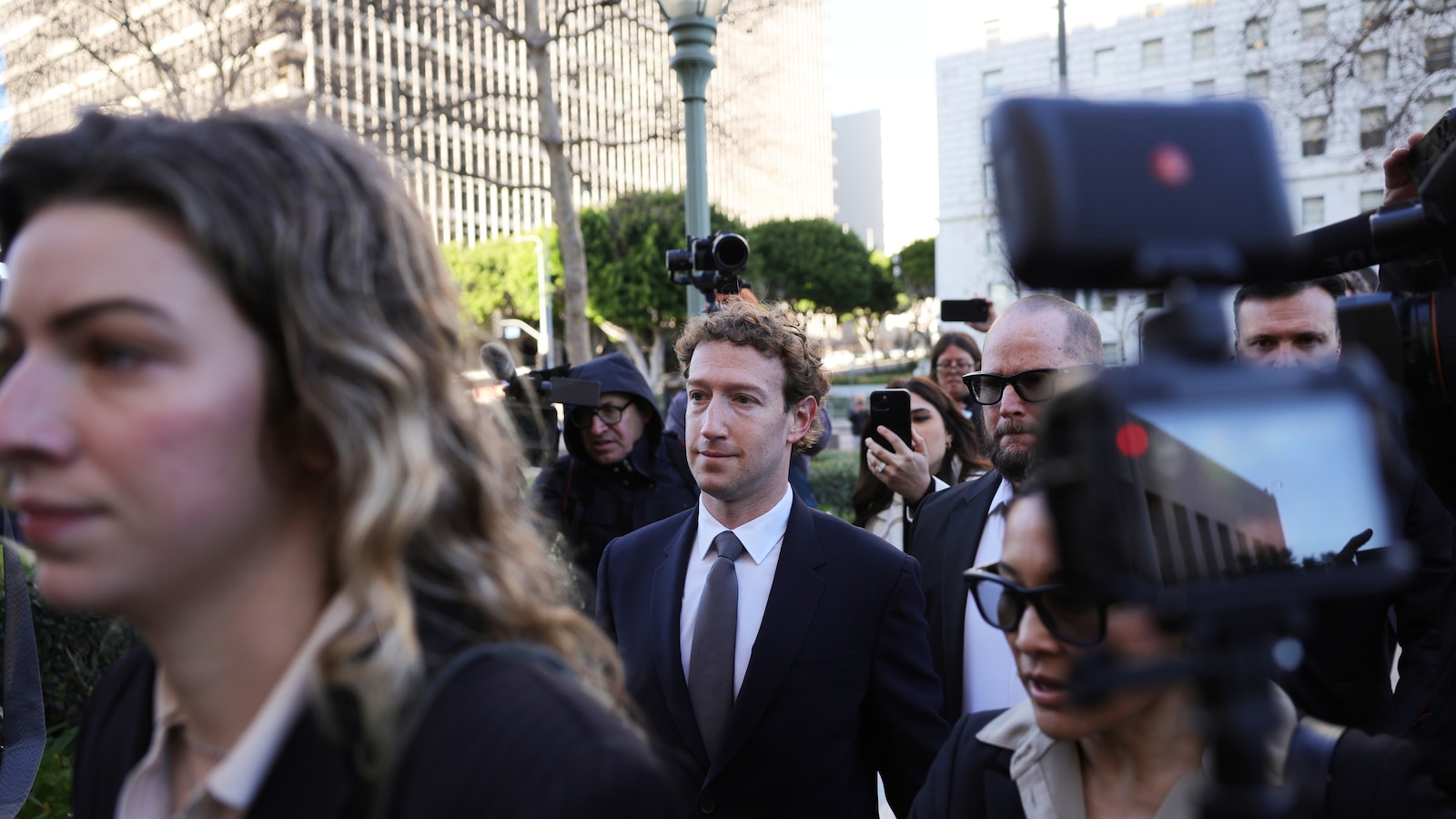
@Meta has appealed a landmark Los Angeles jury verdict that found it liable for designing Instagram and Facebook to hook young users without sufficient regard for their well-being. The case involved a 20-year-old woman, identified as KGM and Kaley, who said she became addicted as a child and that it worsened her mental health, and the jury found negligence by both @Meta and Google-owned @YouTube to be a substantial factor in causing harm, awarding $3 million in damages and recommending another $3 million in punitive damages. After the trial judge, Carolyn B. Kuhl, denied both companies’ post-trial requests to overturn the verdict or grant a new trial, their appeals set up what may be a lengthy process, while both companies argue that teen mental health is complex and not attributable to a single app. Because #Section230 often shields platforms from liability for third-party content, plaintiffs focused on alleged harmful #design features such as #infiniteScroll and autoplay, a boundary that triggered frequent objections during the five-week trial. The decision arrives amid broader legal pressure on @Meta, including a separate New Mexico verdict imposing a $375 million penalty, and it could influence thousands of similar lawsuits alleging deliberate harm by social media companies.
23. ‘This was a righteous case. A holy war’: the lawyer who took on Meta and Google – and won
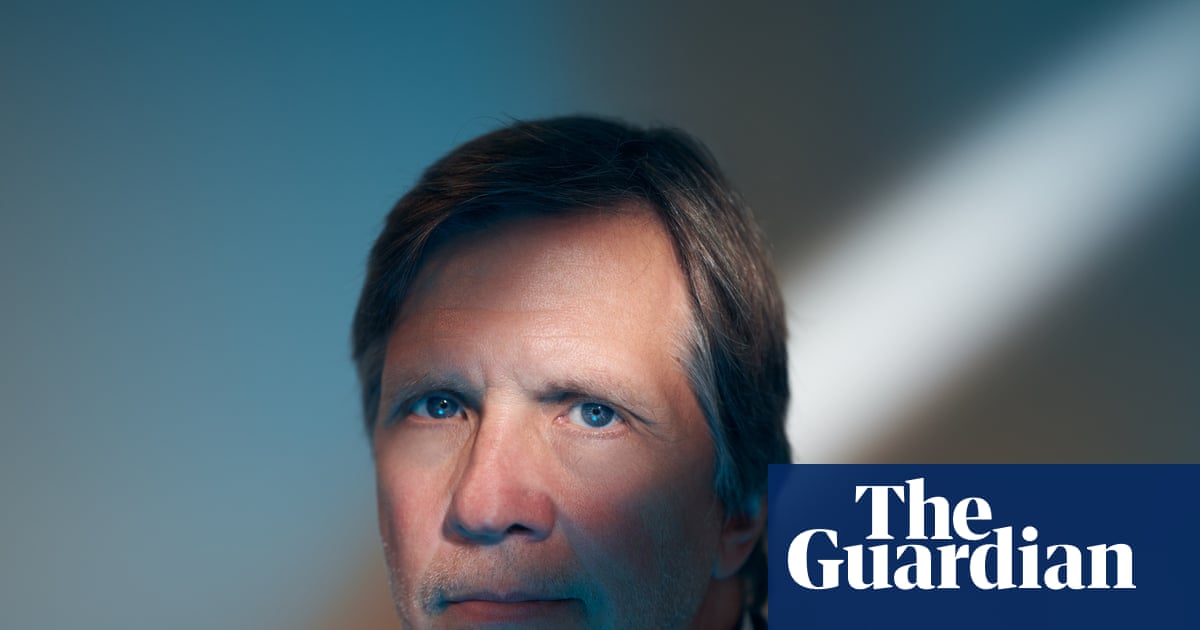
Trial lawyer @Mark Lanier led a landmark Los Angeles case arguing that @Meta and @Google built social platforms as “addiction machines” that harm young people’s mental health, shifting legal scrutiny from hosted content to #platformDesign. The lawsuit, KGM v Meta et al, was brought by Kaley, who said heavy use of @YouTube from age six and @Instagram from age nine contributed to body dysmorphia, anxiety, and depression, with @Snapchat and @TikTok settling out of court before trial. In court, @Mark Zuckerberg arrived with an entourage wearing Meta smart glasses, prompting Lanier’s team, which had fought for an anonymous jury, to warn this could enable identification of jurors via photos and facial recognition, a concern that led the judge to demand assurances no images were taken and the glasses were removed. Lanier framed the moment as an example of pervasive #digitalSurveillance and a high stakes confrontation comparable to a “big tobacco moment for big tech.” The reported courtroom dynamics and Kaley’s testimony about the pressure of public scrutiny reinforce the prosecution’s aim to hold tech companies accountable for the addictive mechanics of their products and to set a precedent for many similar claims.
24. Meta Patent: AI That Tracks Your Emotions Over Time
Meta Platforms, Inc. filed a patent for an #AI/#ML system that continuously captures a user’s voice, infers emotional states, and produces a periodic mood timeline tied to daily context. The filing (US 2026/0182881 A1, filed Dec 16, 2025, published Jul 2, 2026) describes a pipeline that records audio across situations, transcribes it, analyzes both spoken content and nonverbal cues like tone, pitch, and pacing, then correlates emotion indicators with time of day, location, activity, and the digital service or app in use. It also generates transcript “citations,” specific passages used to support each emotional conclusion, and aggregates results into reports of emotional trends over time, potentially including quotes from the user’s conversations. Although the patent frames the use case as fitness coaching, it is written broadly and emphasizes operating “across contexts,” meaning the core method is not limited to workouts. The article highlights the privacy tension of always-on ambient listening, noting it is not wake word triggered, and points to Meta’s wearables, such as Ray-Ban smart glasses, as a natural form factor for this kind of persistent #emotion-tracking.
25. New Research Debunks Data Center Industry Job Claims
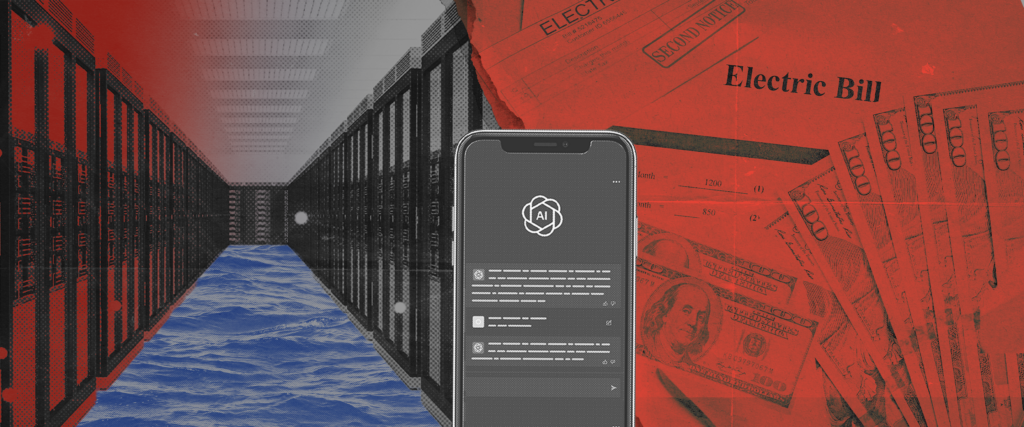
Research from Food & Water Watch argues that data center industry claims of robust permanent job creation are greatly overstated and do not match the sector’s resource demands. Using Virginia as a key case study, it estimates that as few as 23,000 people held permanent U.S. data center jobs as of 2024, about 0.01% of national employment, while the industry used more than 4% of U.S. electricity, and the investment needed to create one permanent Virginia data center job was nearly 100 times higher than for jobs outside the industry. The article links rapid expansion to largely unregulated growth driven by #artificial intelligence and cryptocurrency, and says host communities face harms such as higher electricity costs and risks to drinking water system stability. It cites expectations that data center energy demand could triple from 2023 to 2028 and a prior Food & Water Watch estimate that #AI-driven data centers could require 720 billion gallons of water and 300 TWh of energy annually by 2028. Based on these findings, it calls for a full halt or national moratorium on new data center approvals and construction so governments can evaluate impacts before further buildout.
26. Kalshi, Polymarket markets indicate tight 2024 midterm races
Markets on prediction platforms Kalshi and Polymarket show tight 2024 U.S. midterm election races. These platforms, which allow users to bet on election outcomes, currently suggest narrow leads for several key congressional races. For example, predictions show a close contest for control of the House of Representatives, with various factors influencing voter sentiment. This data reflects the uncertainty and competitiveness surrounding the upcoming election cycle. Kalshi and Polymarket’s insights provide a real-time gauge of public expectations and electoral dynamics.
That’s all for today’s digest for 2026/07/13! We picked, and processed 26 Articles. Stay tuned for tomorrow’s collection of insights and discoveries.
Thanks, Patricia Zougheib and Dr Badawi, for curating the links
See you in the next one! 🚀
